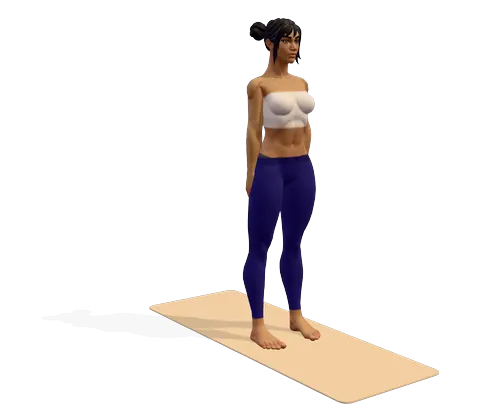
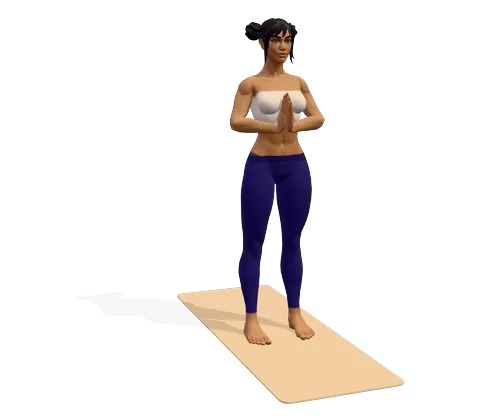
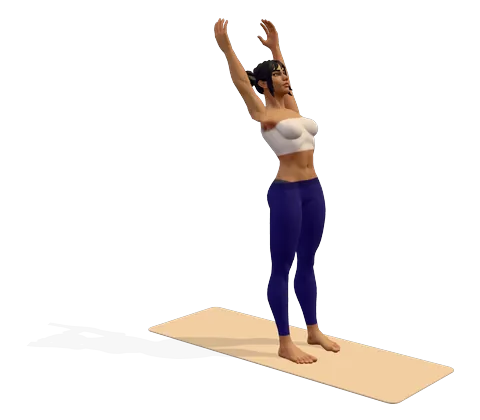
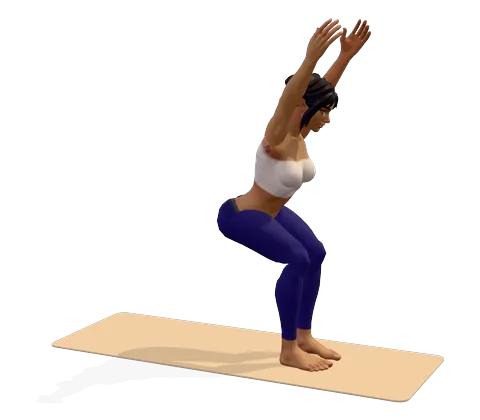
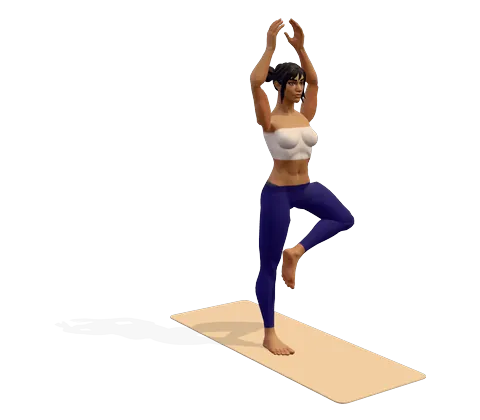
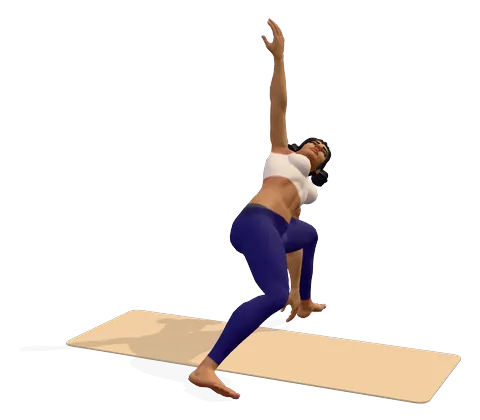
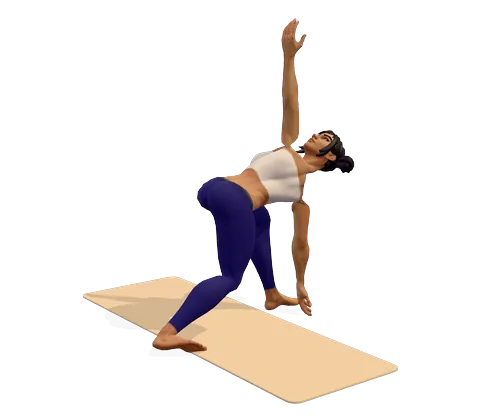
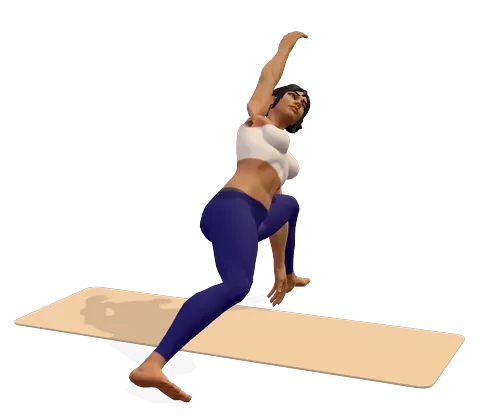
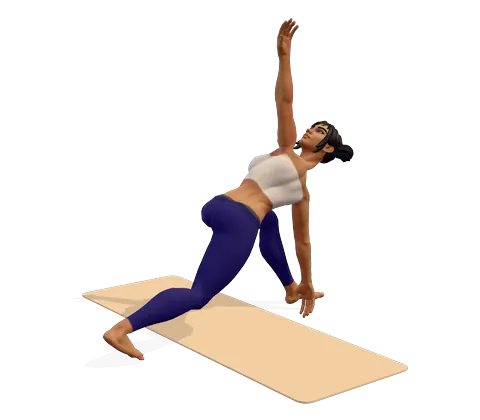
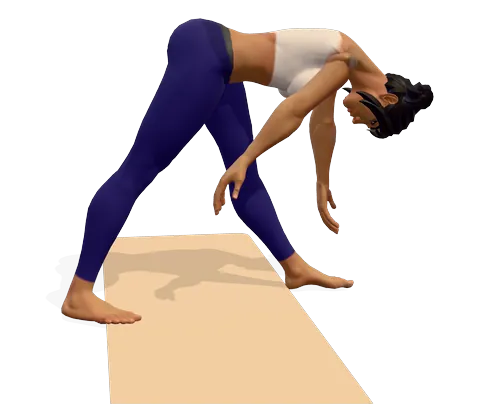
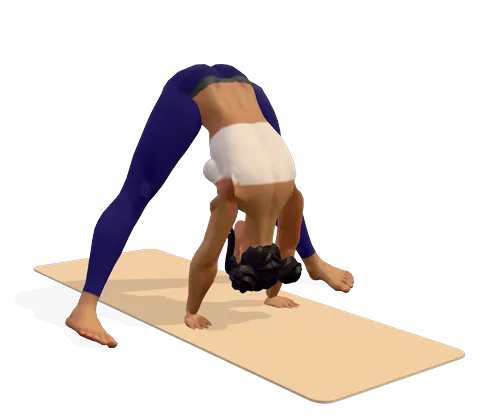
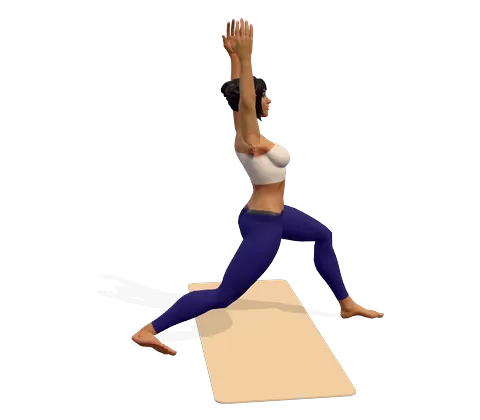
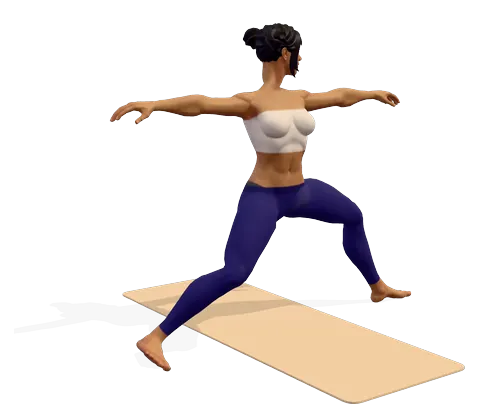
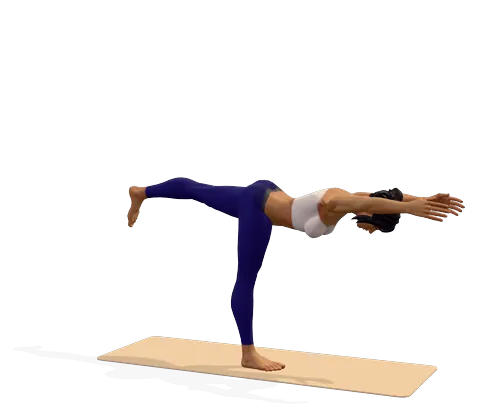
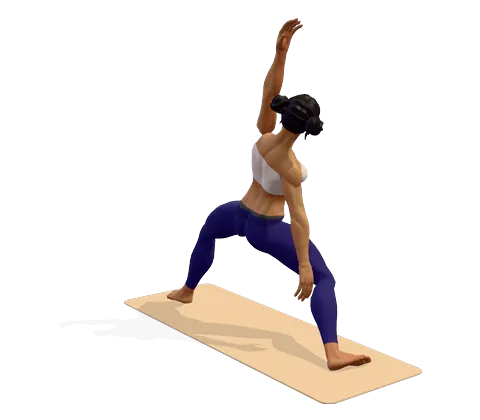
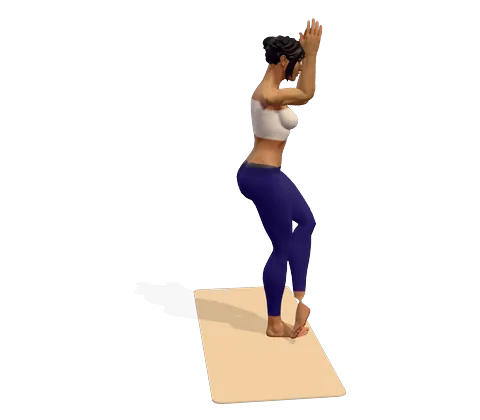
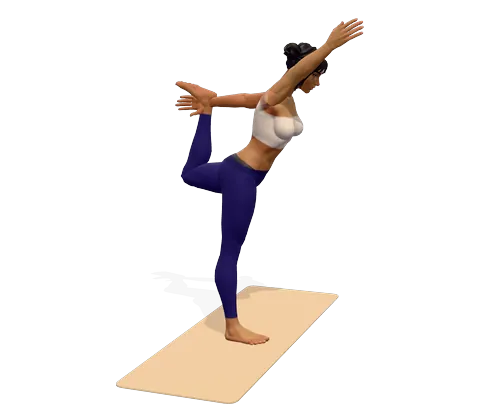
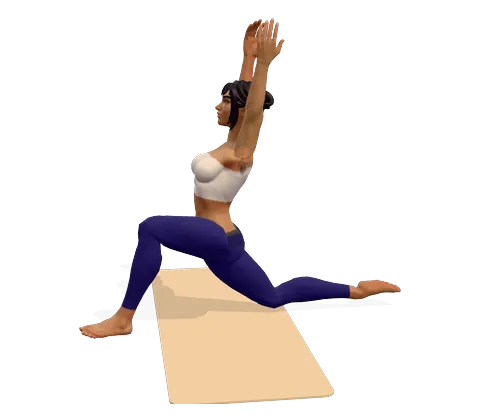
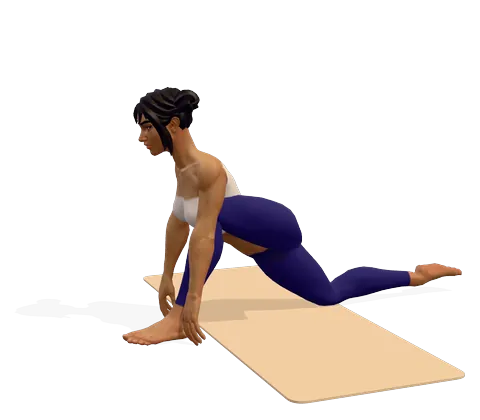
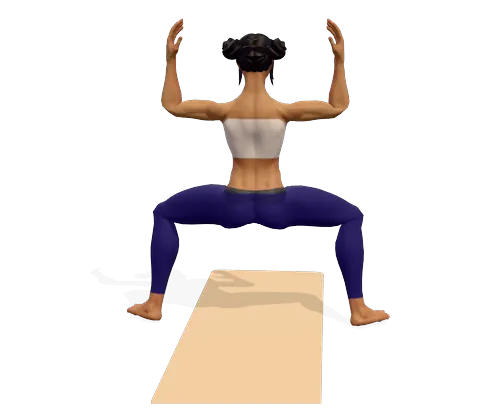
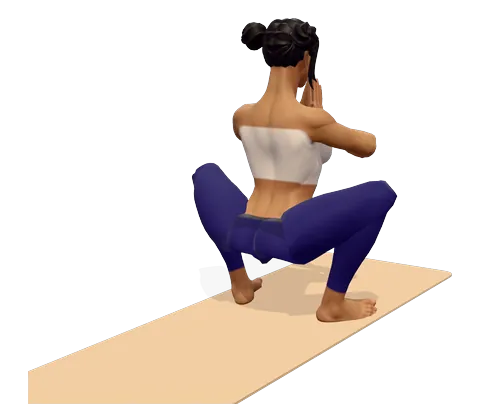
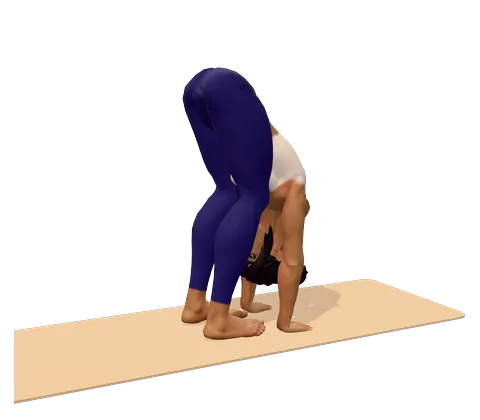
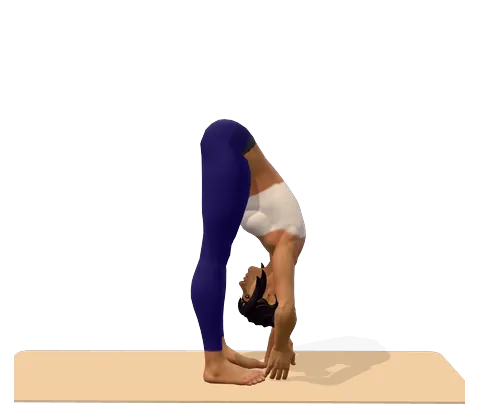
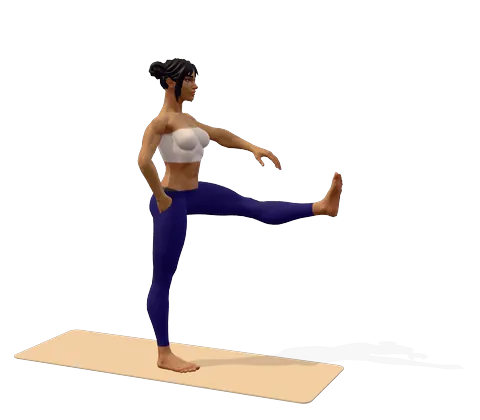
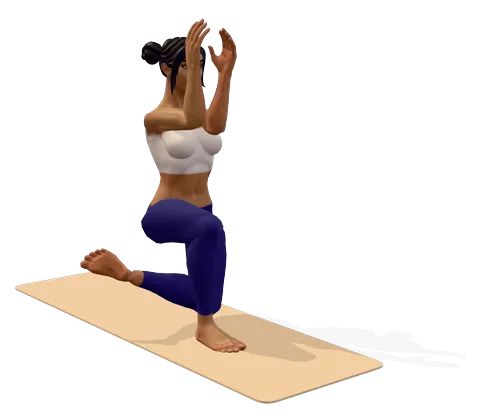
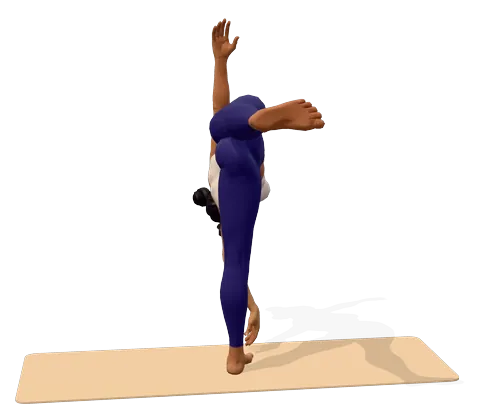
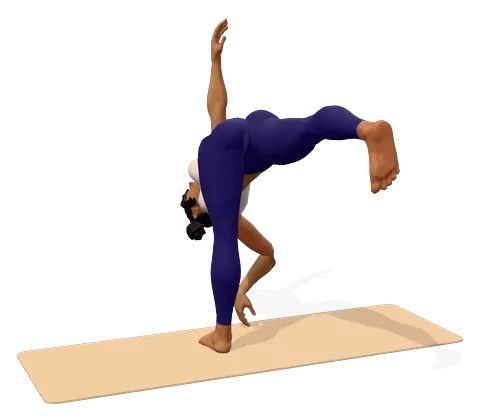
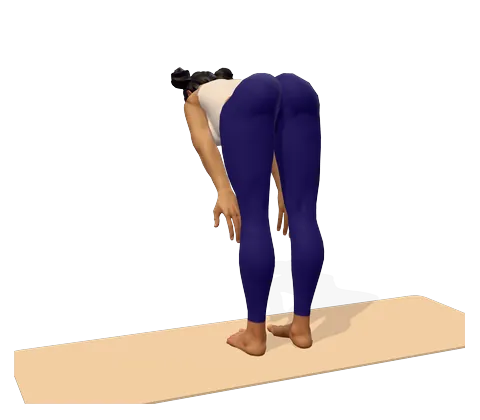
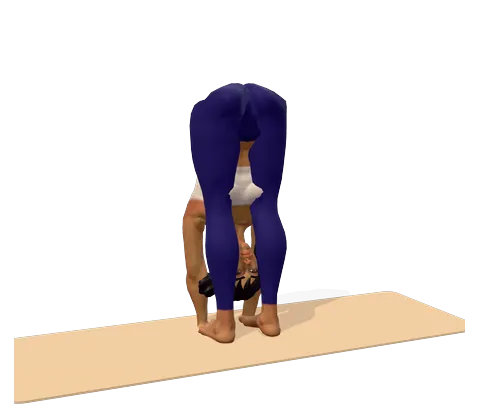
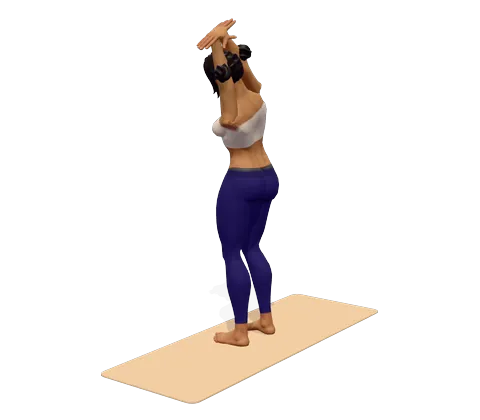
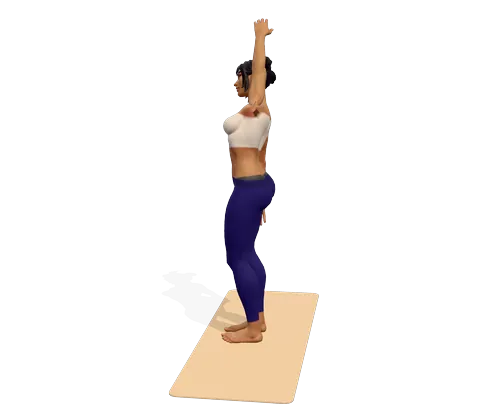
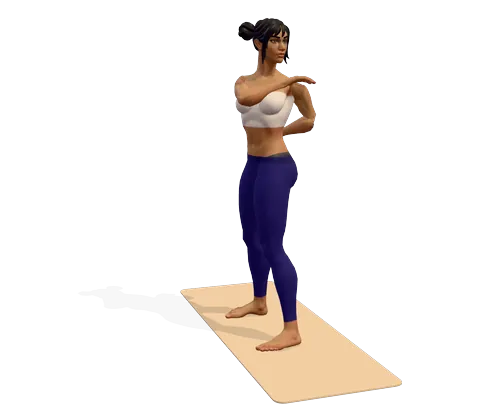
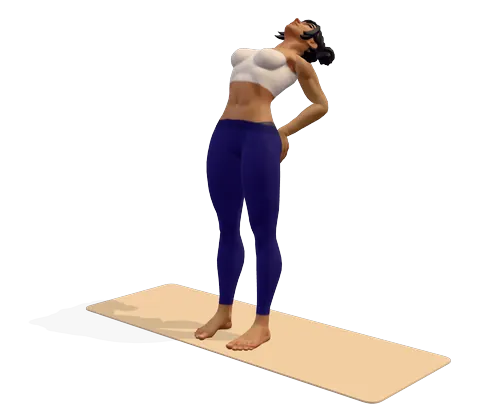
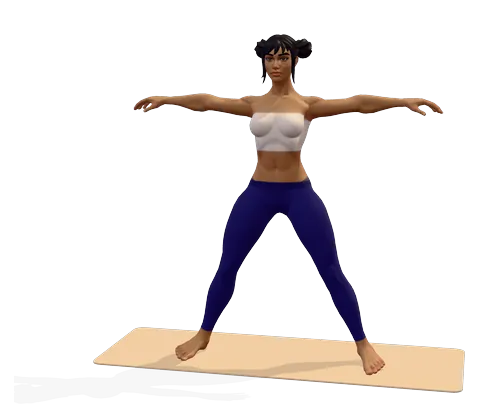
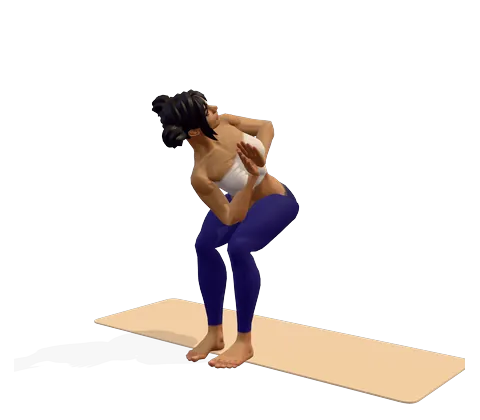
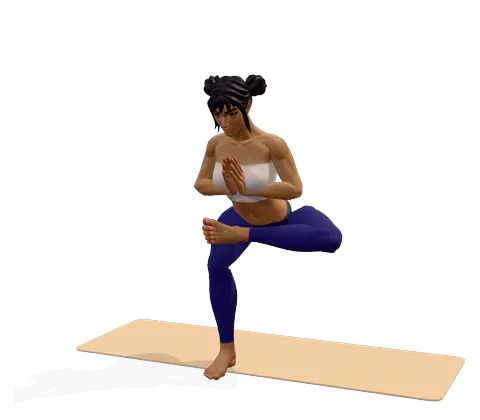
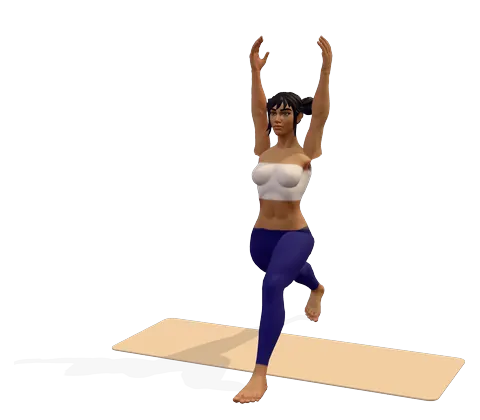
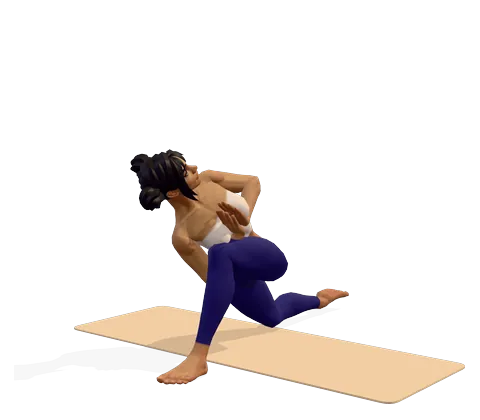
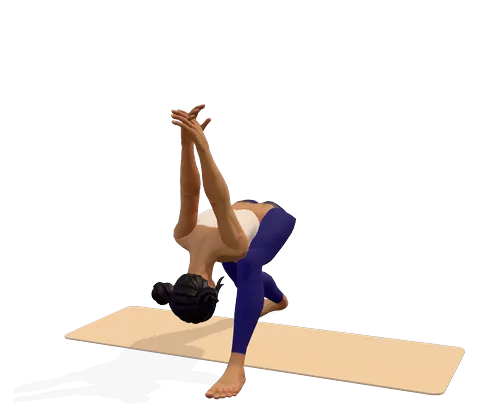
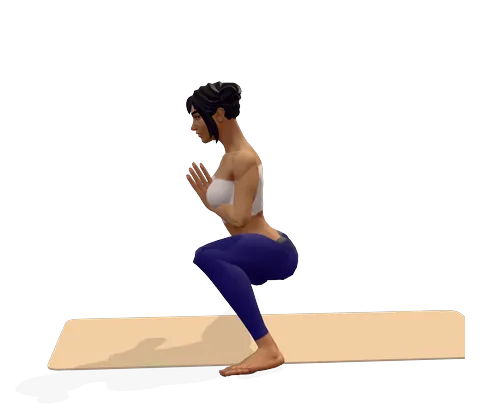
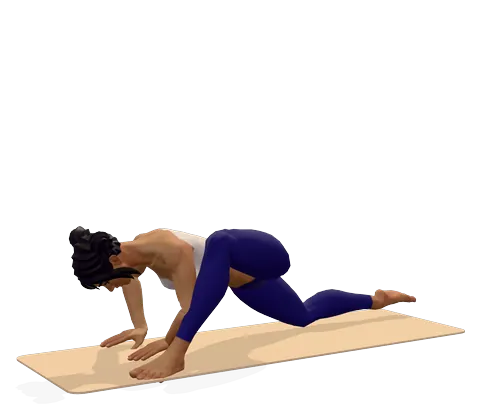
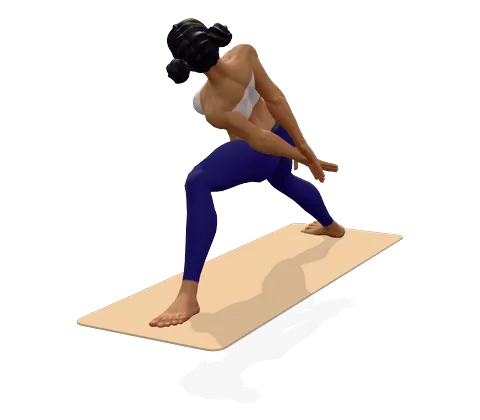
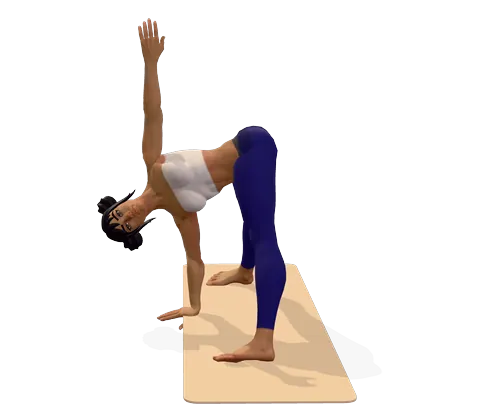
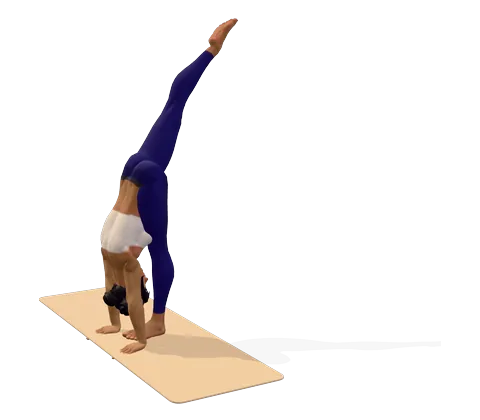
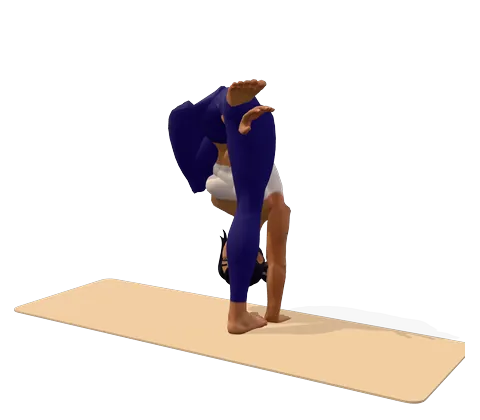
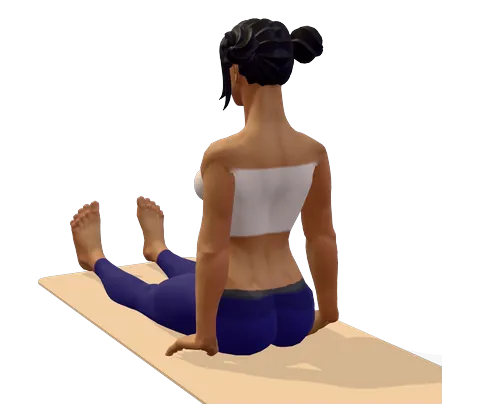
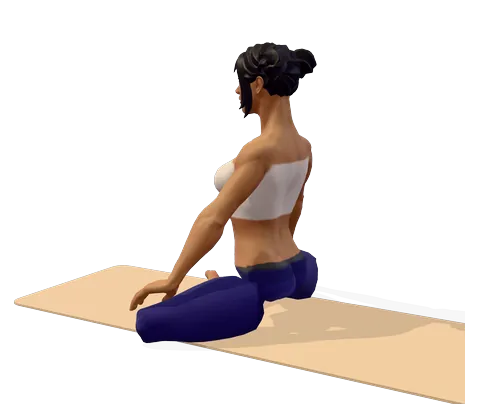
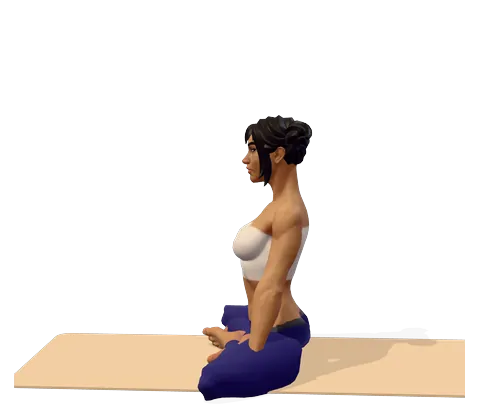
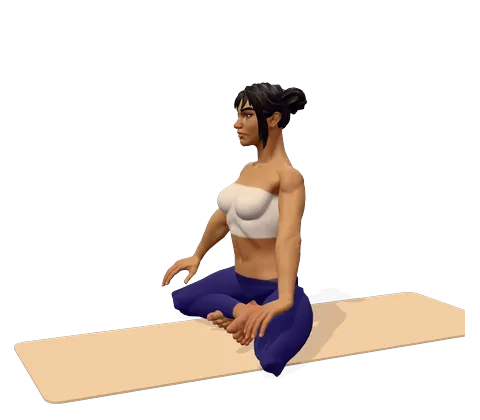
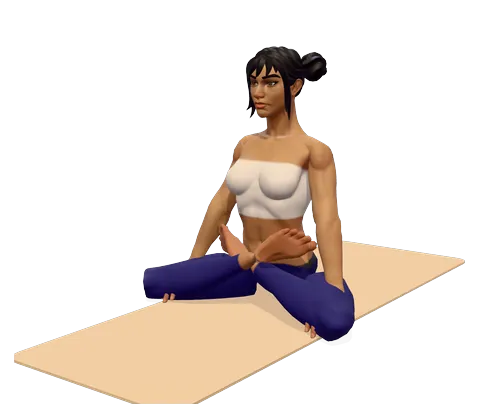
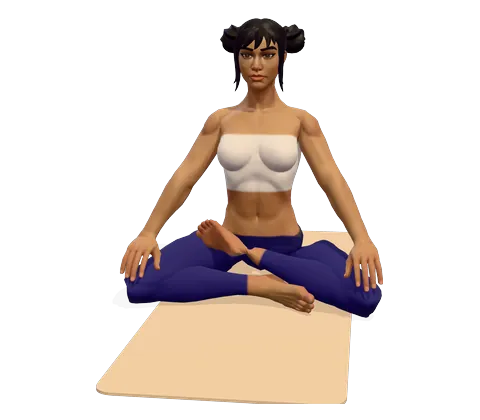
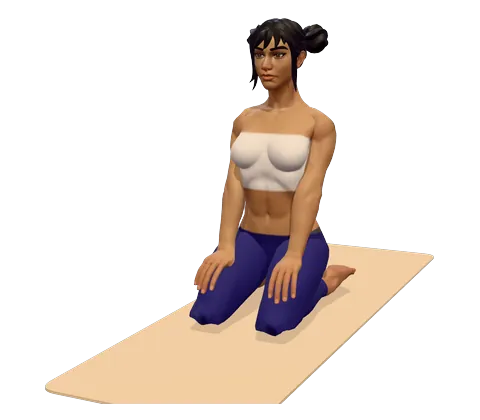
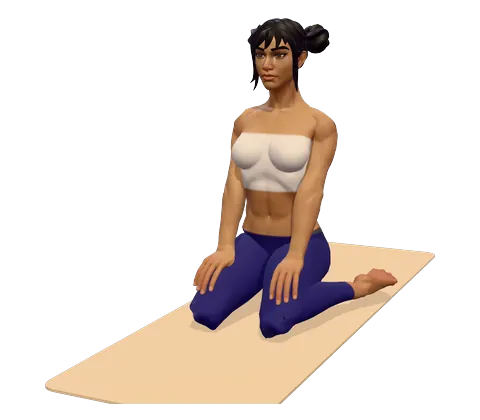
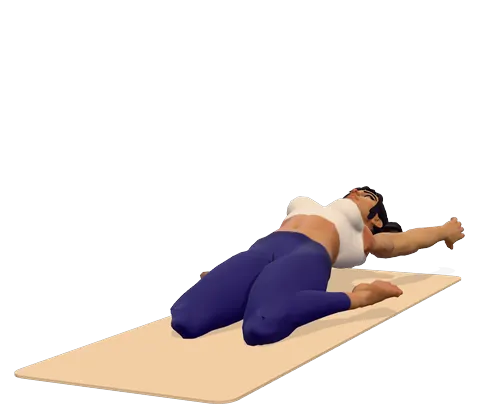
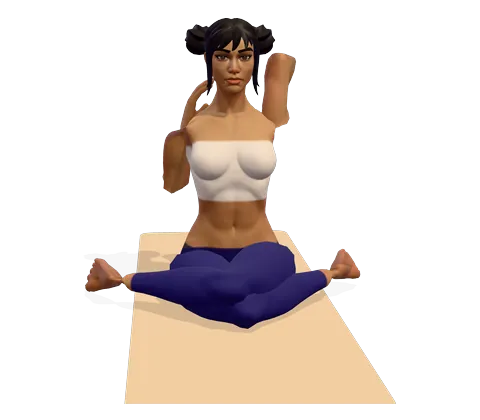
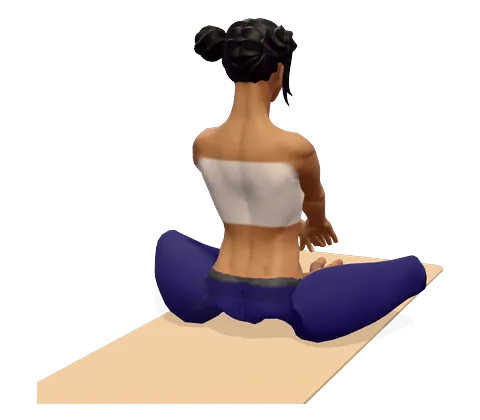
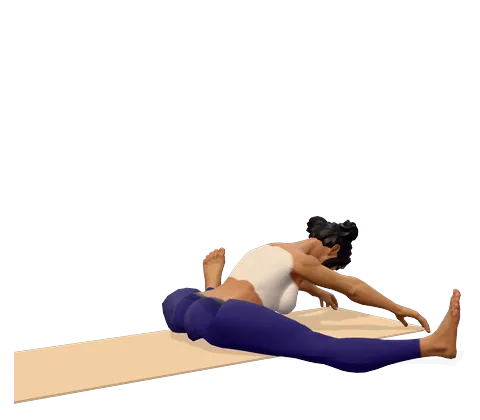
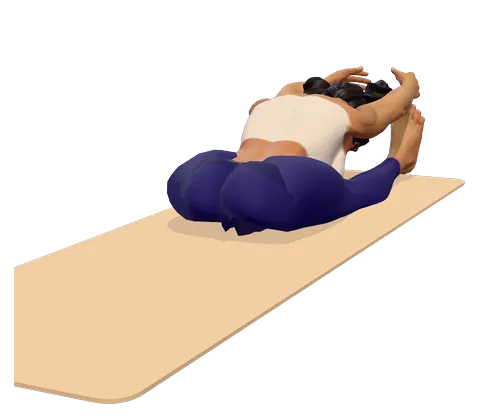
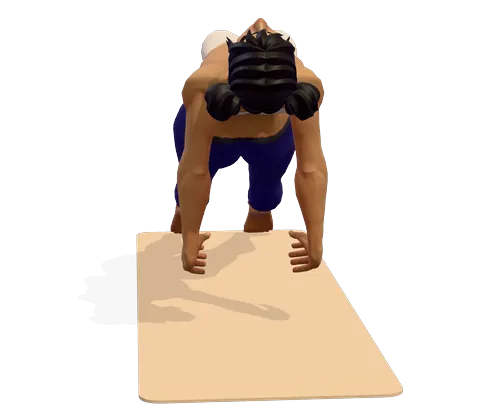
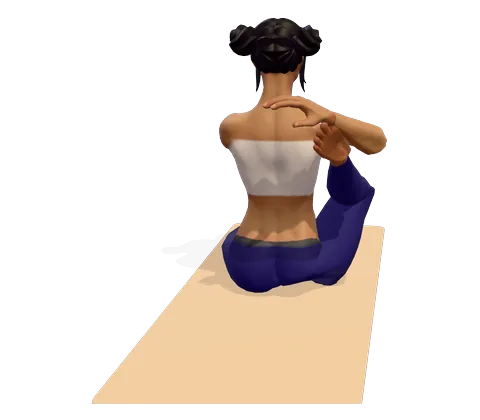
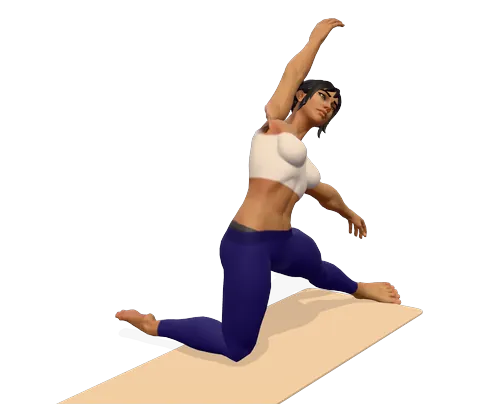
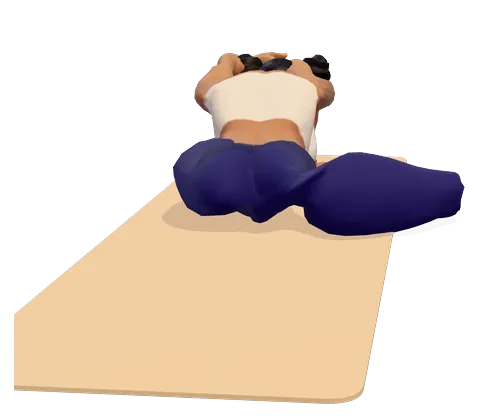
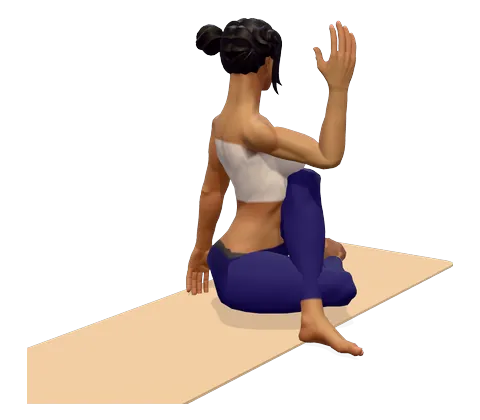
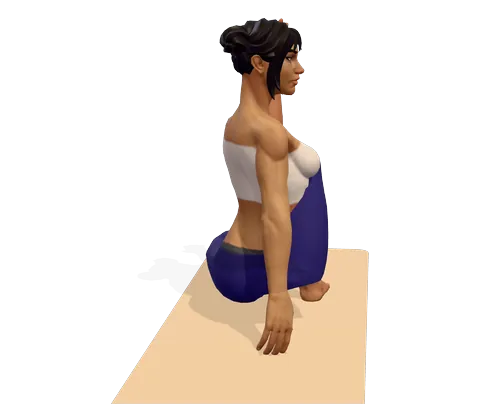
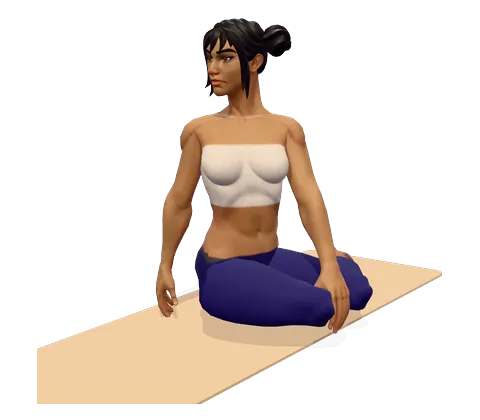
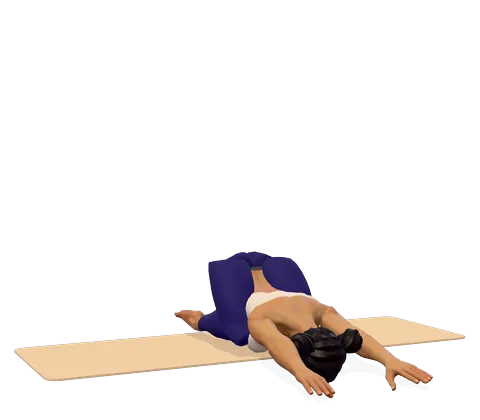
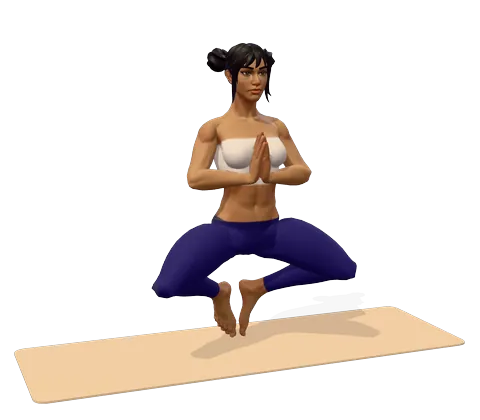
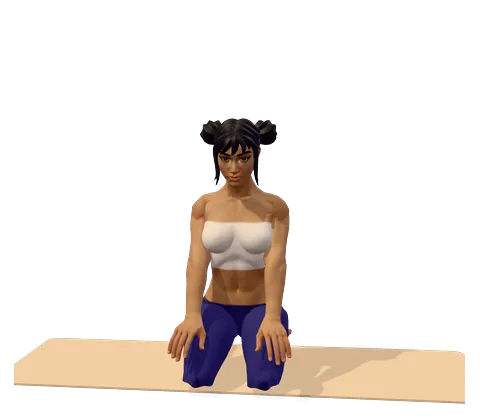
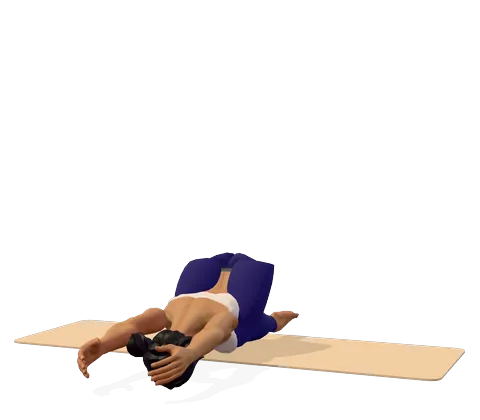
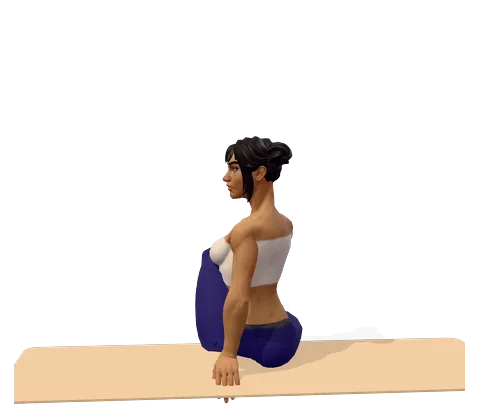
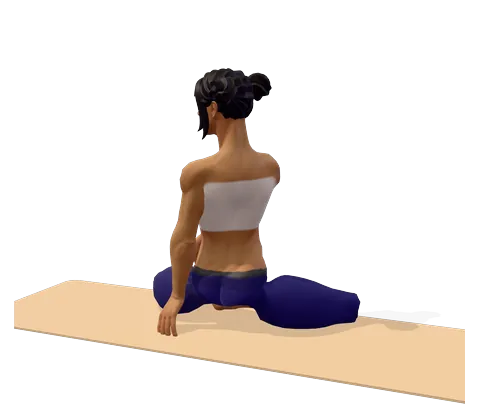
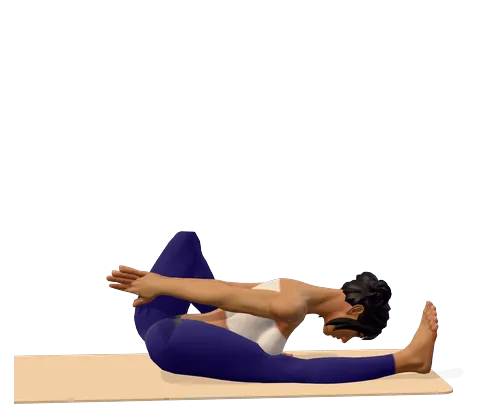
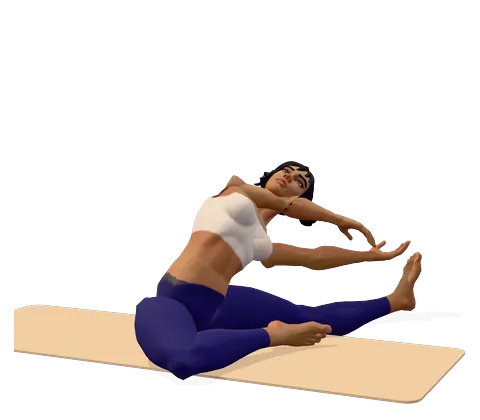
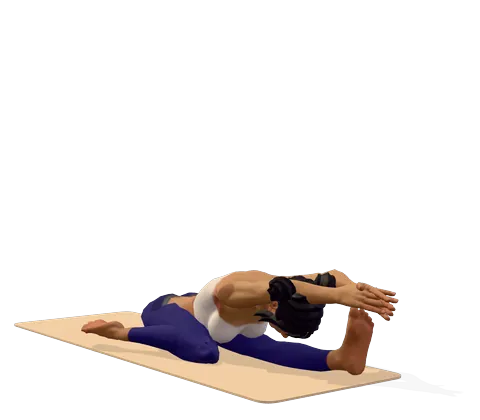
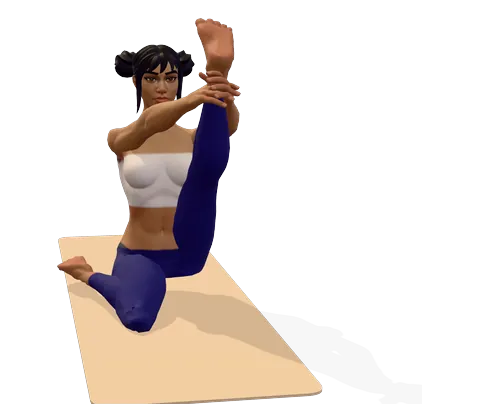
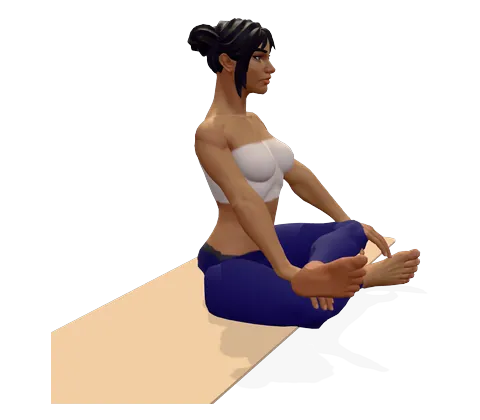
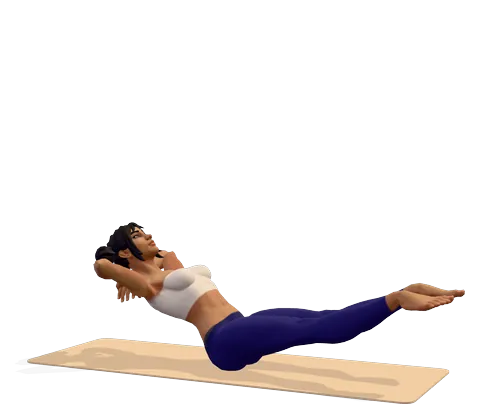
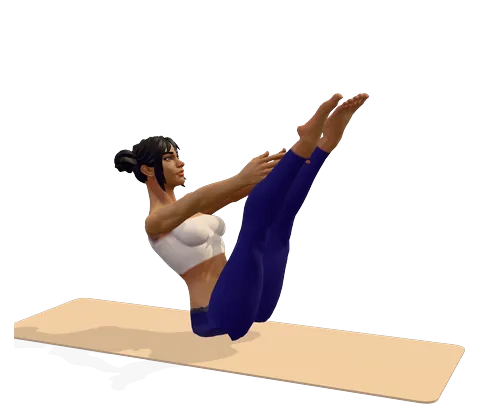
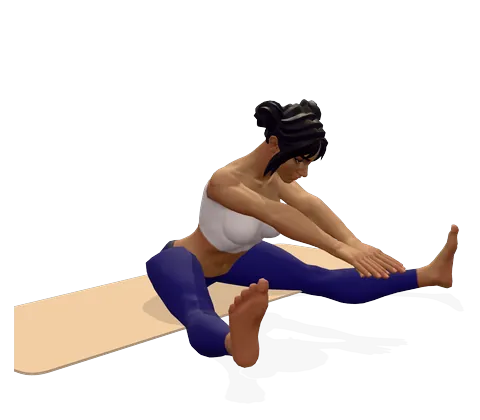
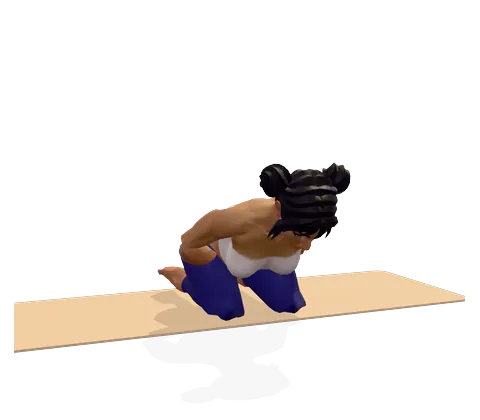
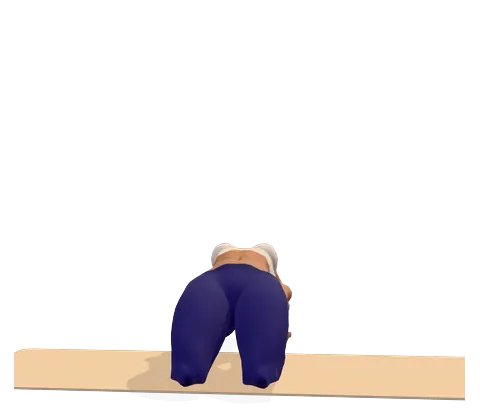
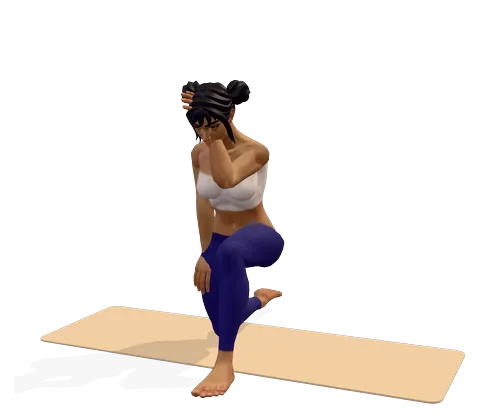
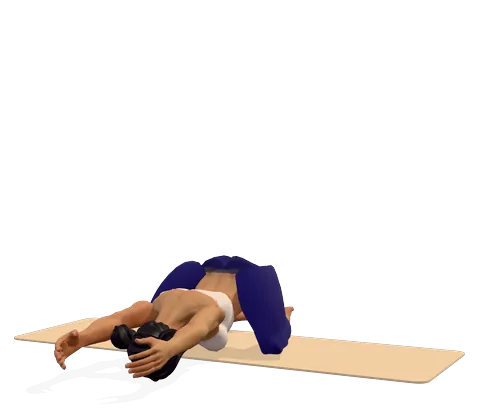
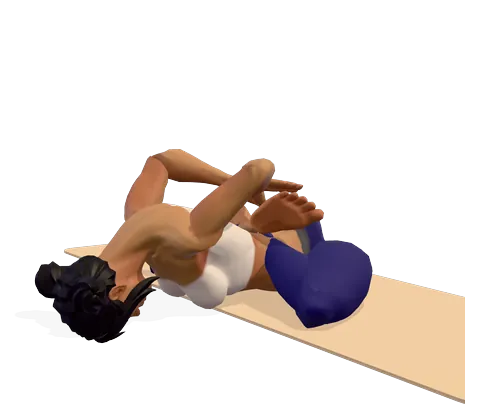
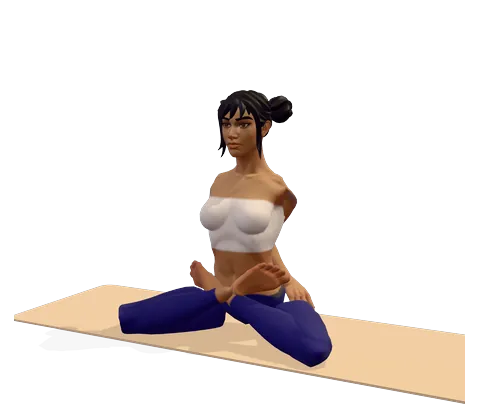
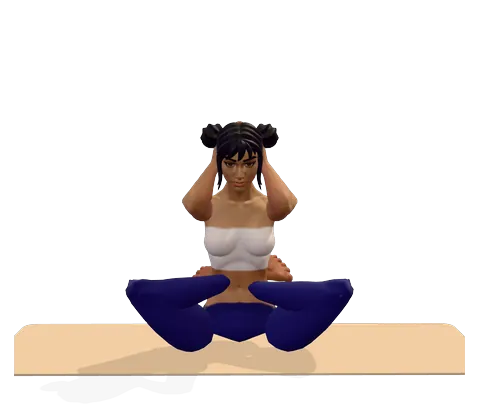
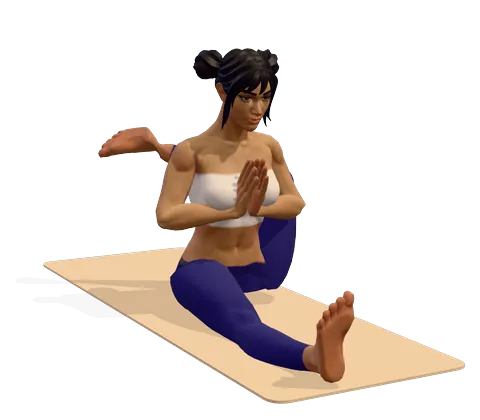
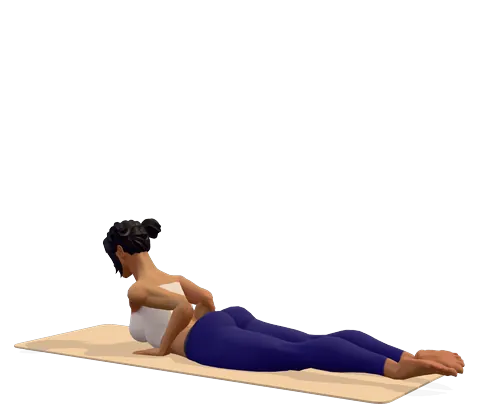
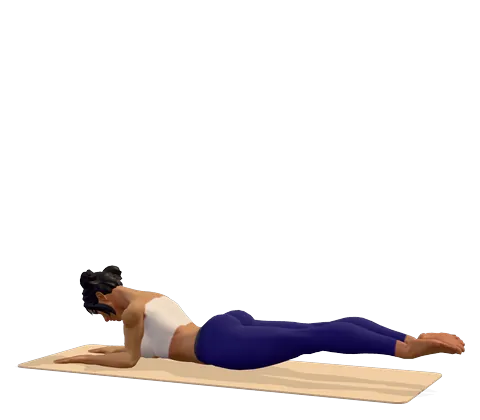
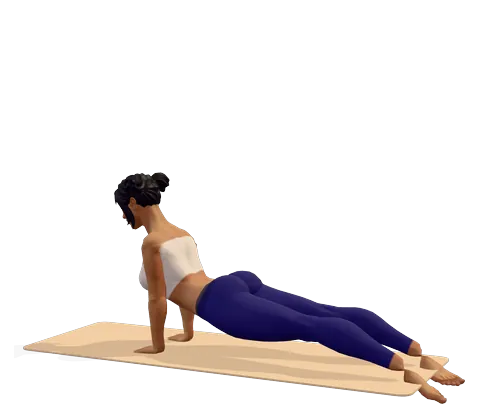
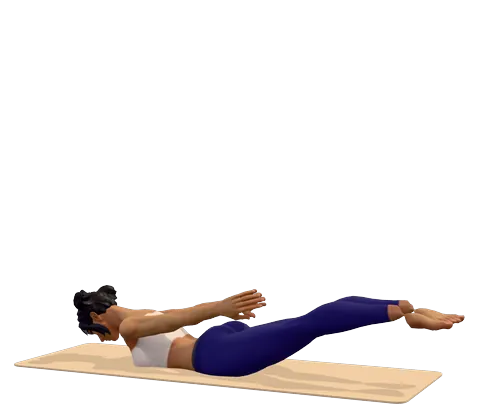
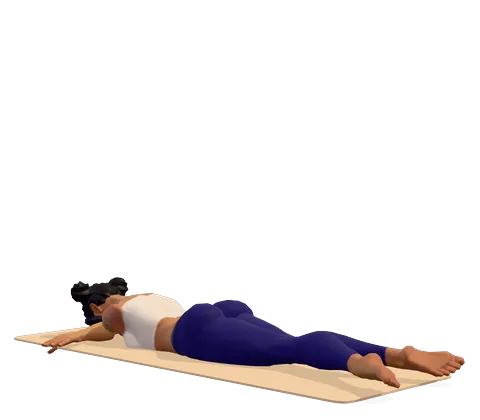
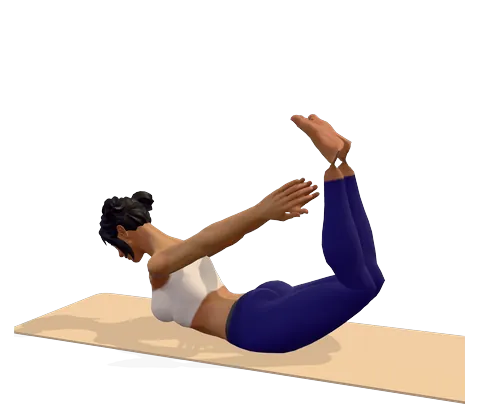
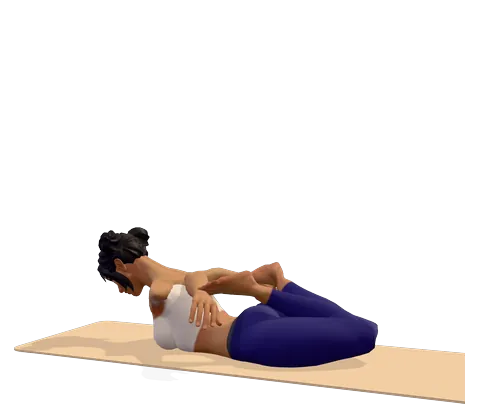
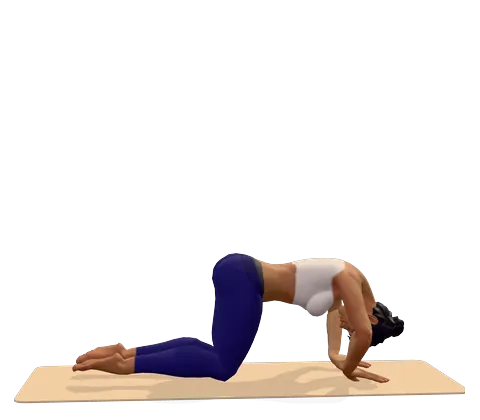
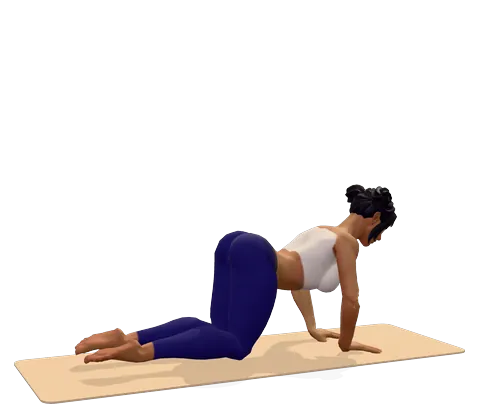
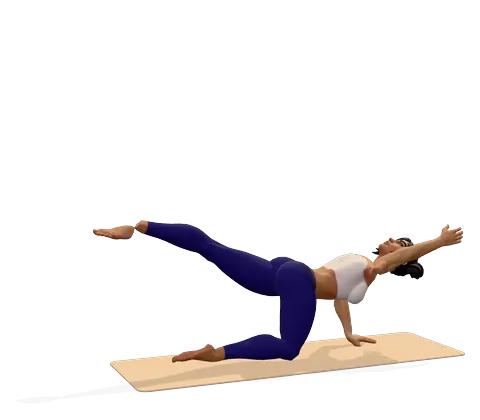
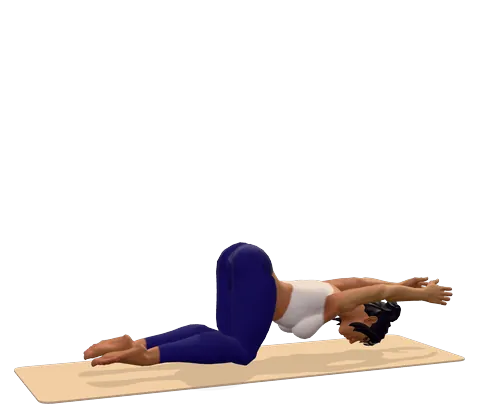
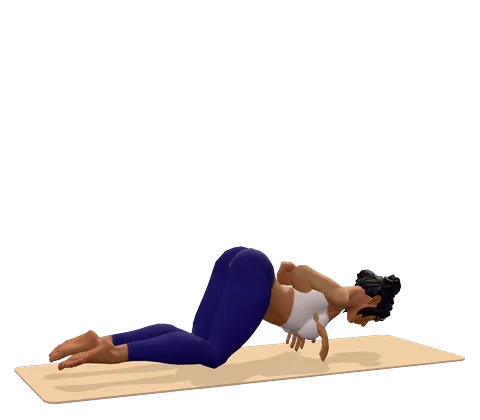
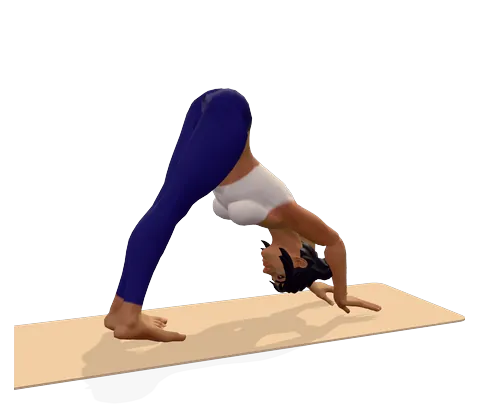
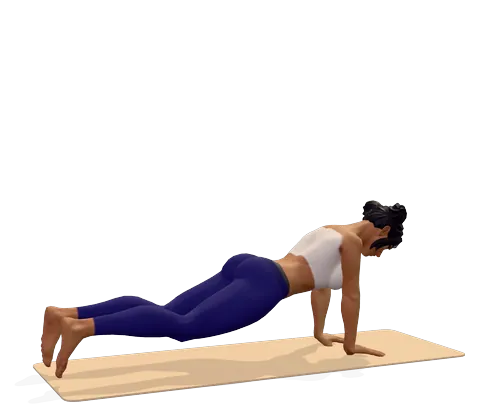
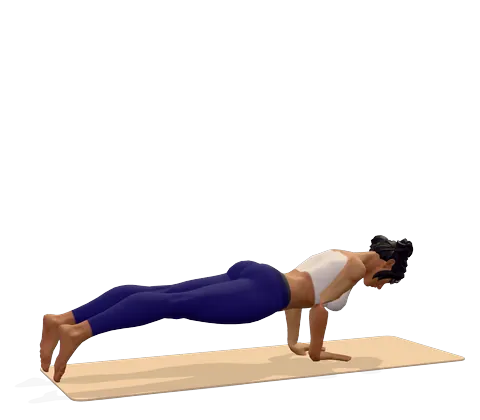
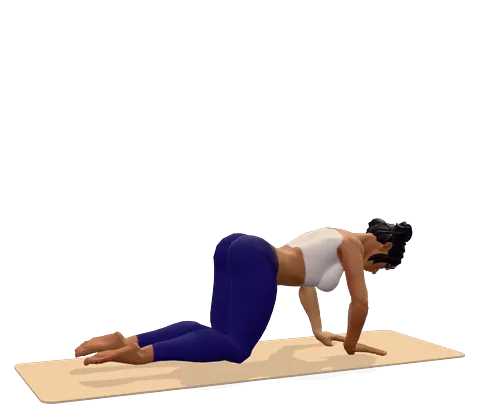
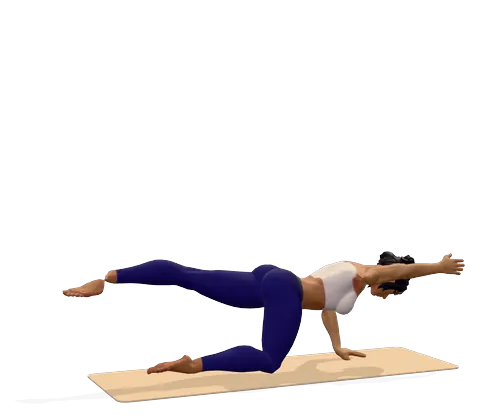
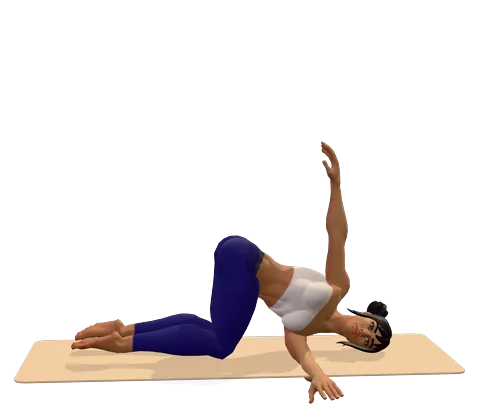
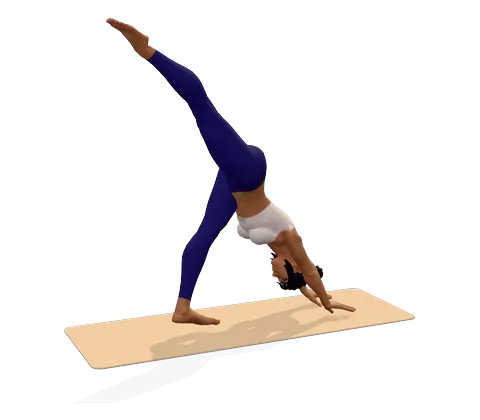
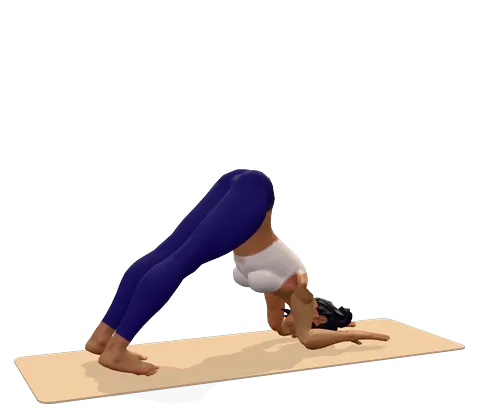
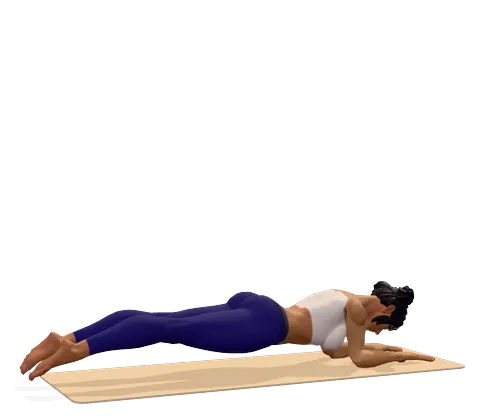
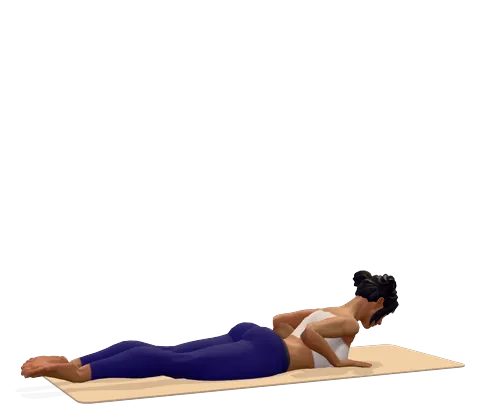
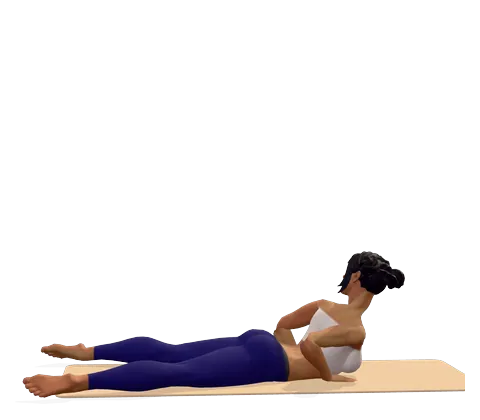
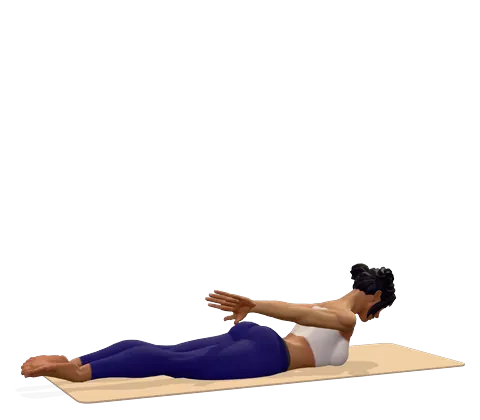
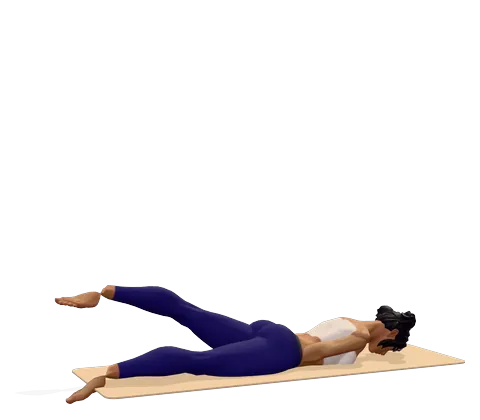
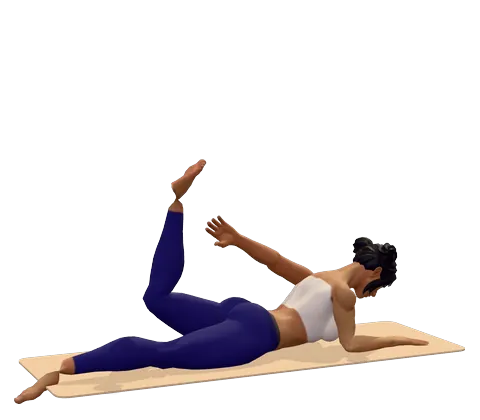
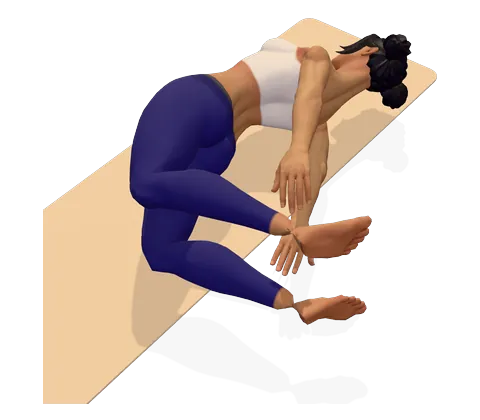
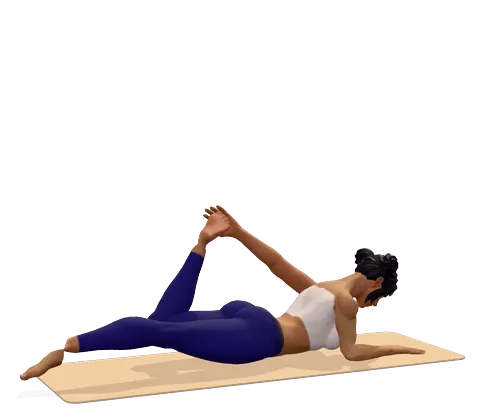
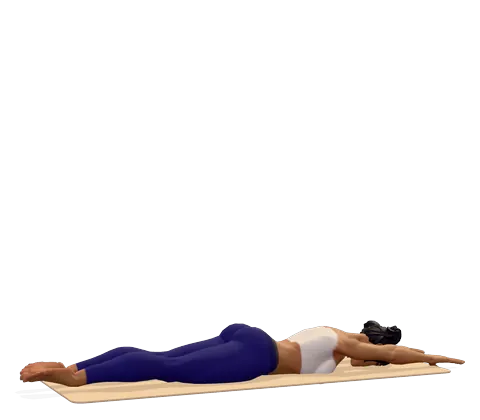
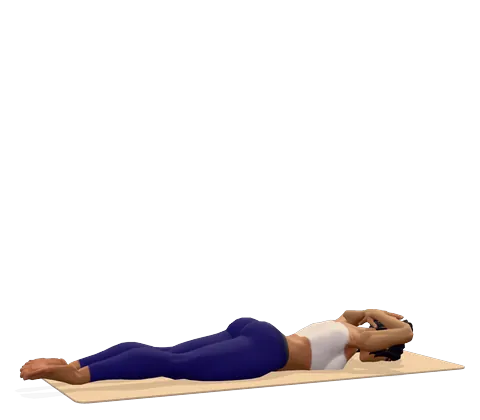
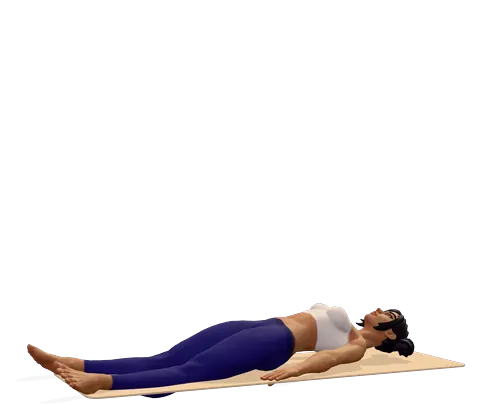
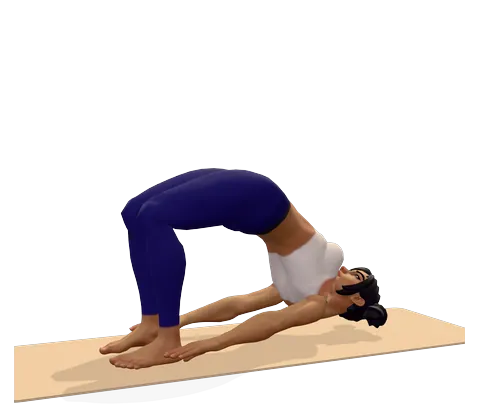
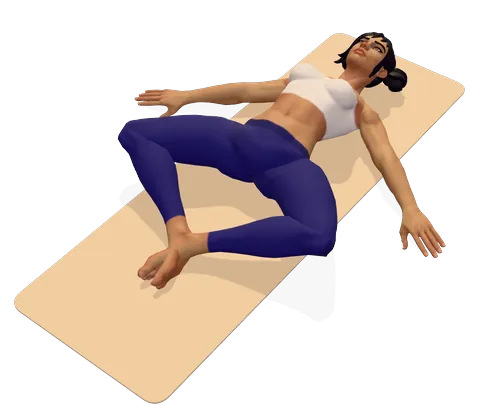
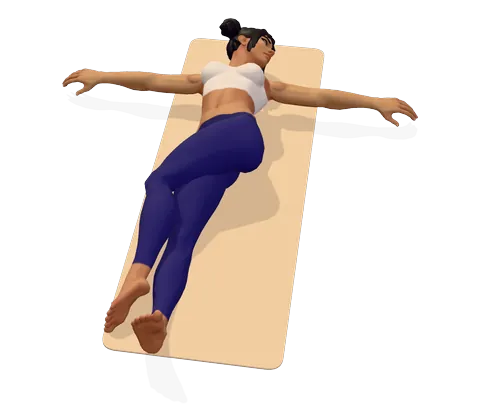
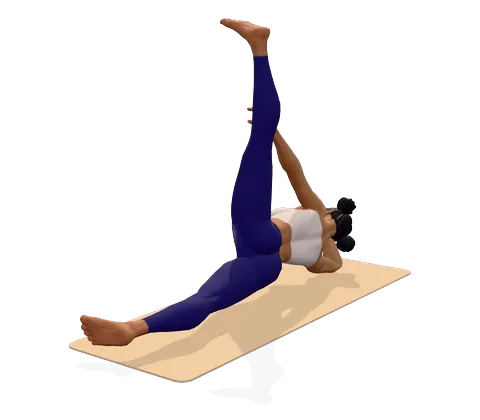
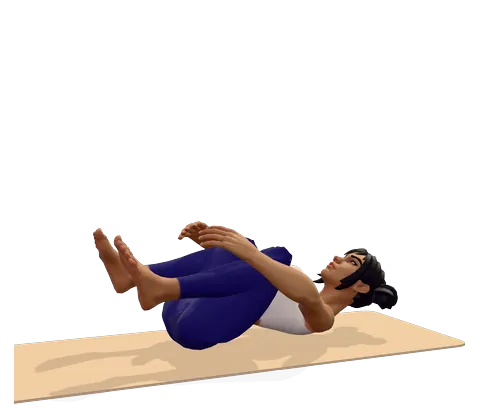
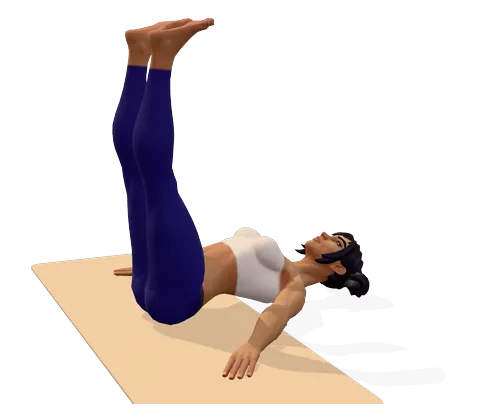
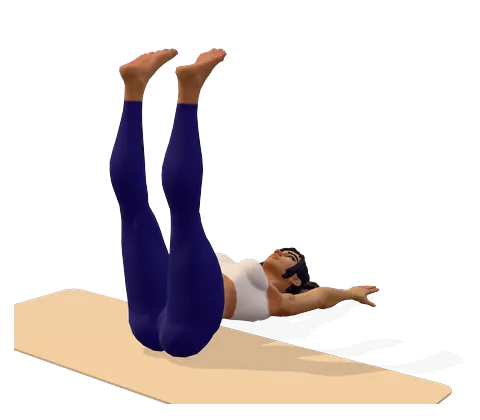
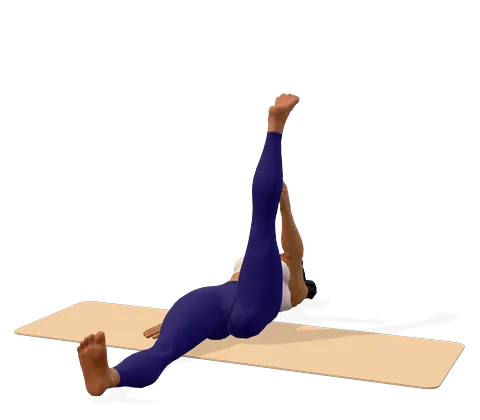
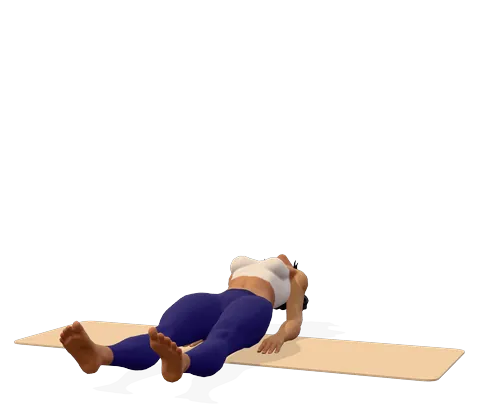
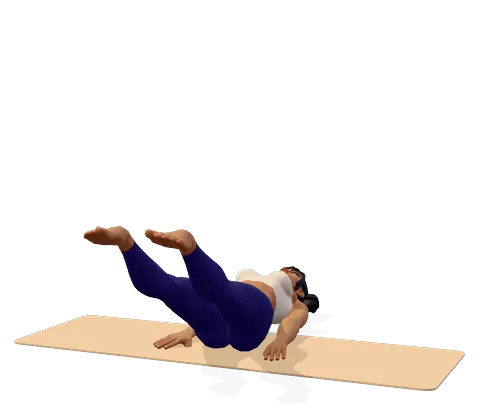
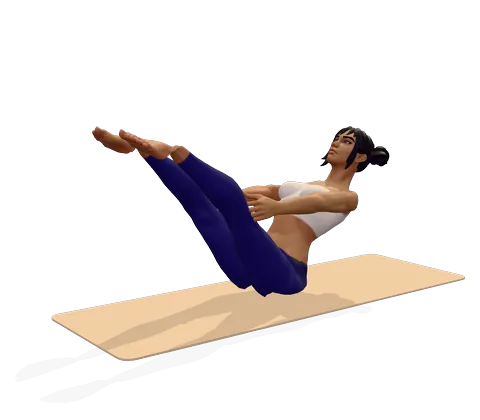
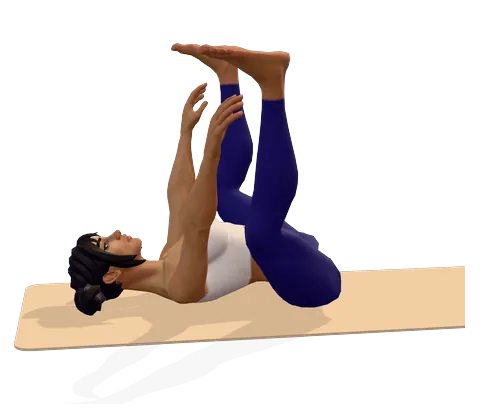
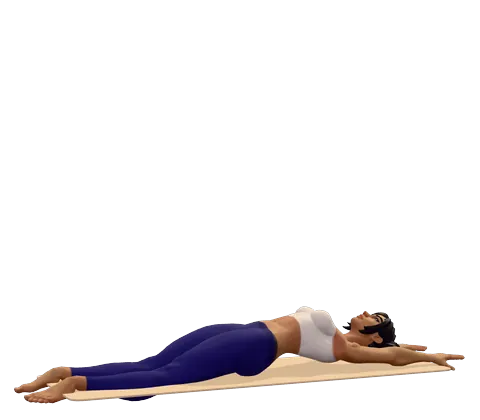
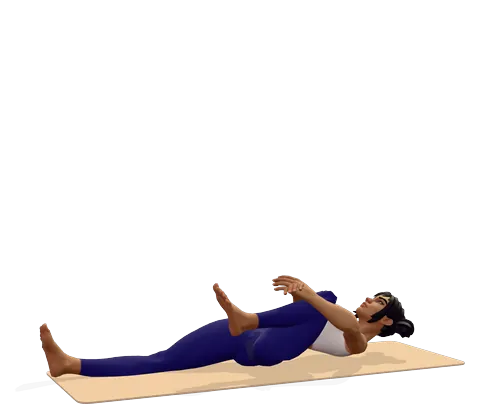
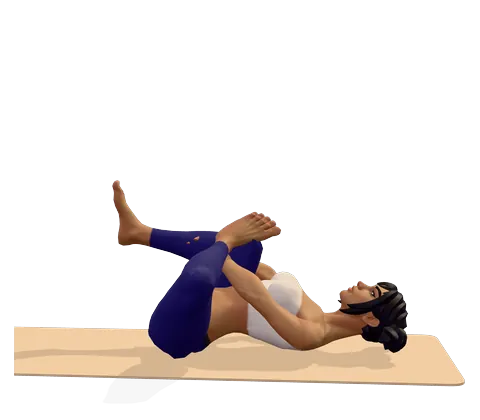
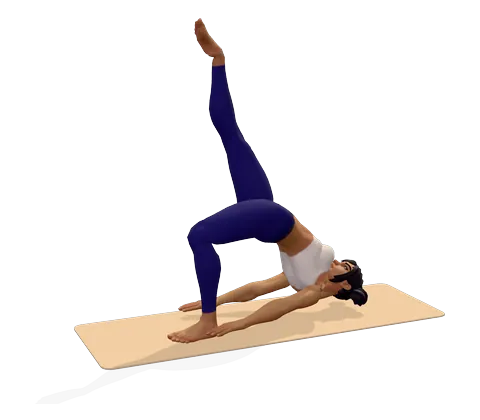
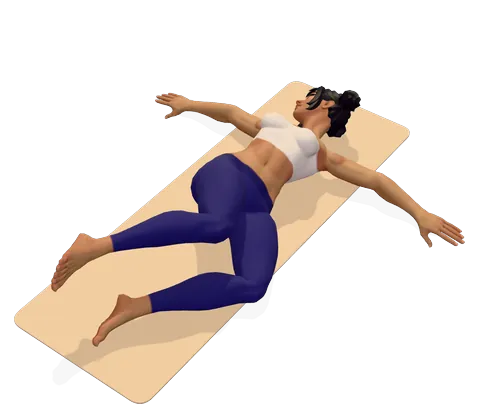
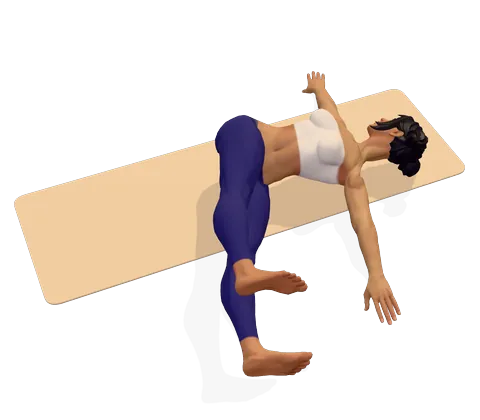
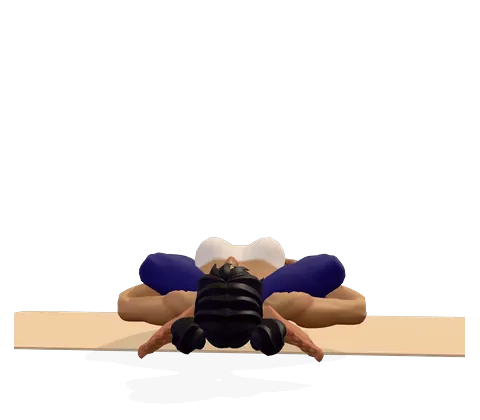
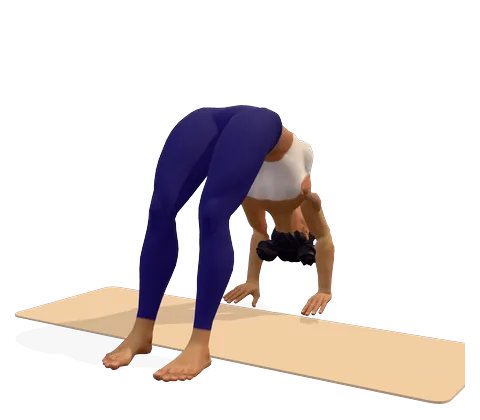
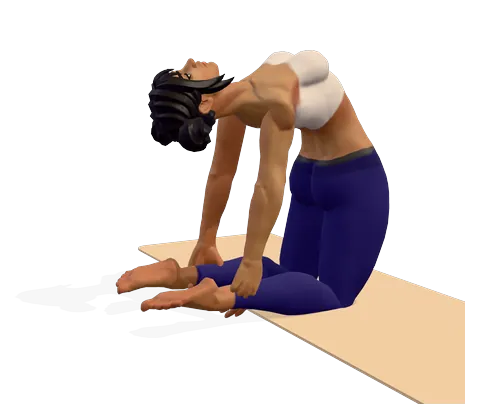
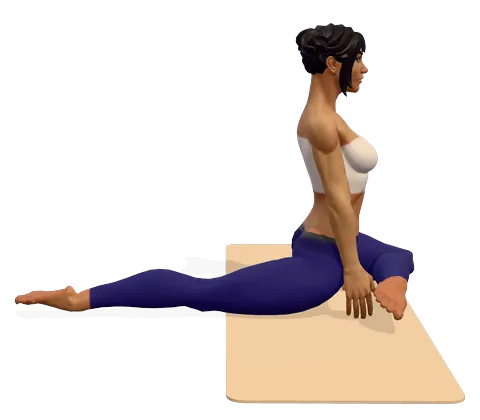
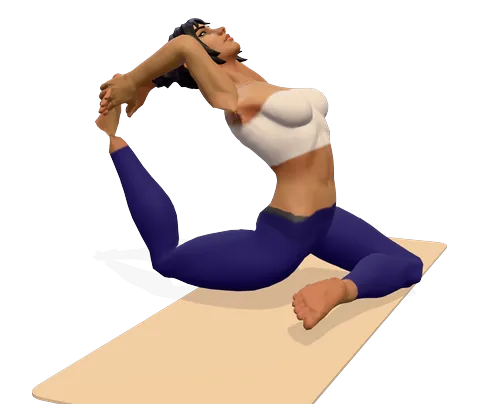
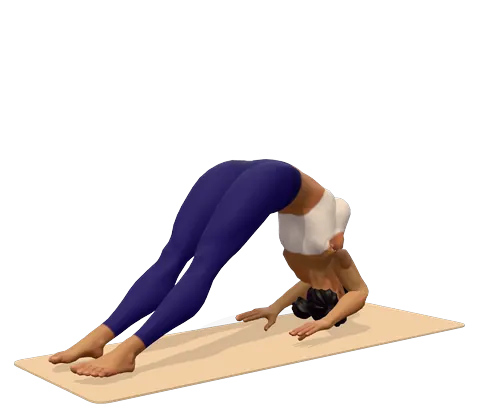
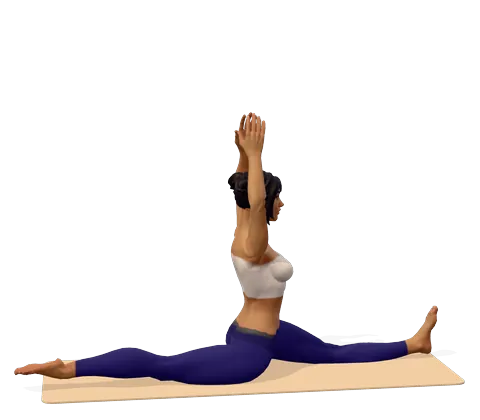
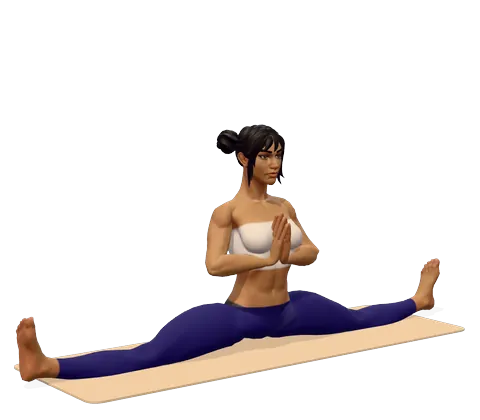
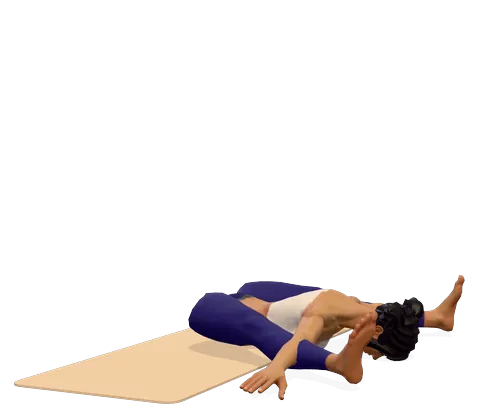
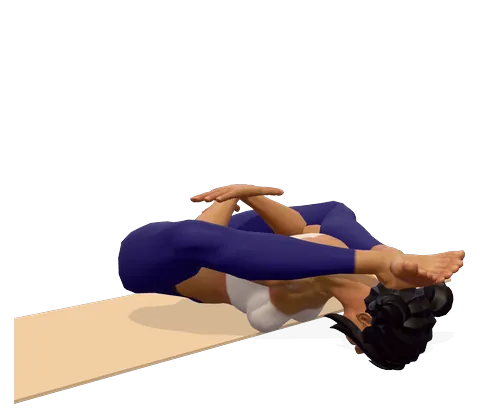
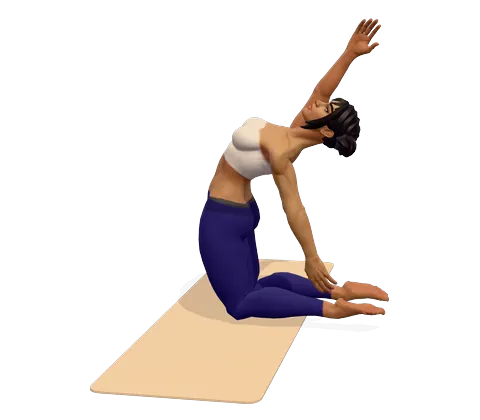
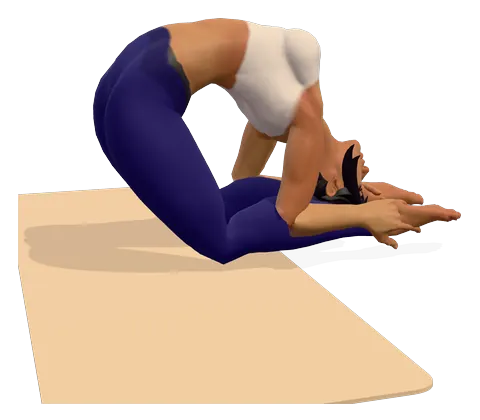
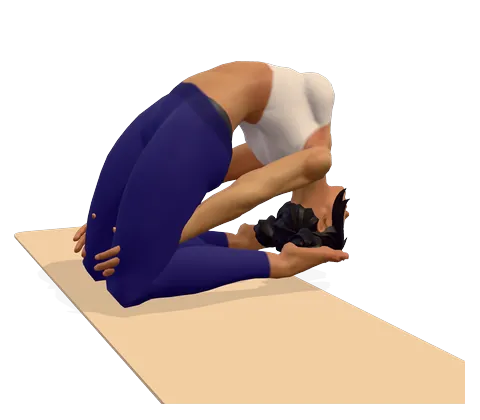
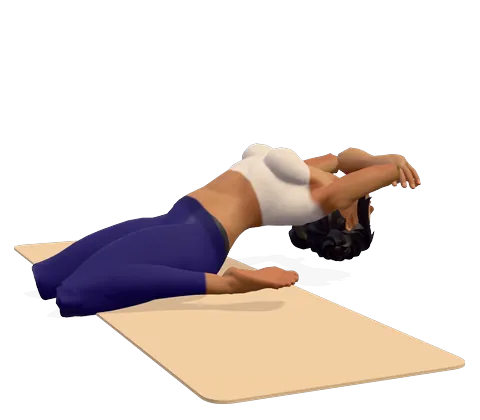
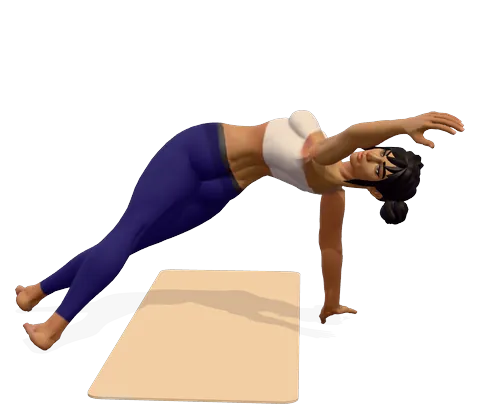
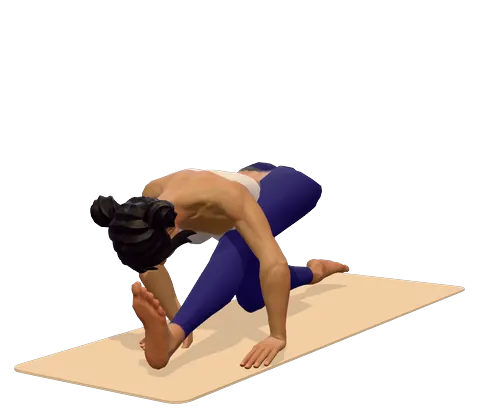
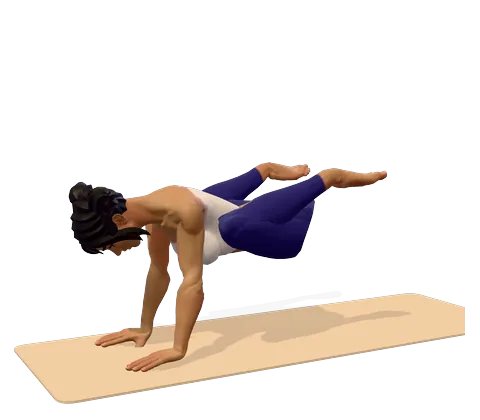
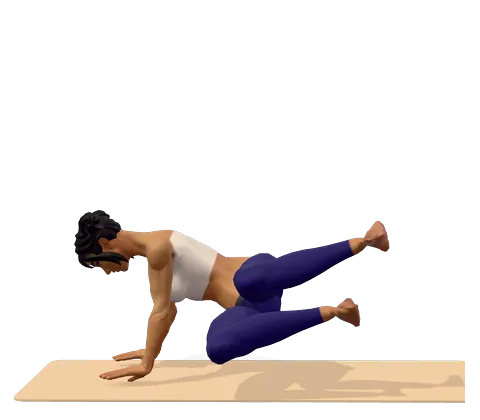
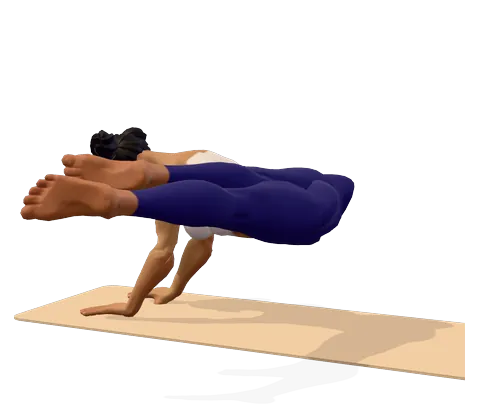
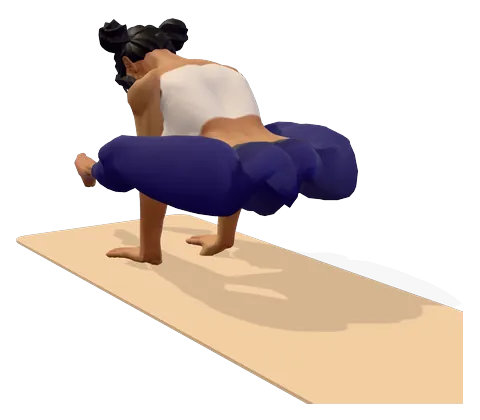
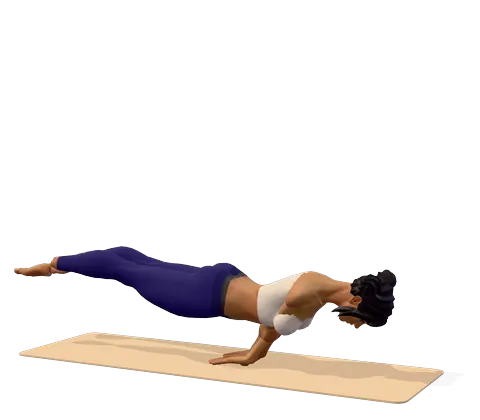
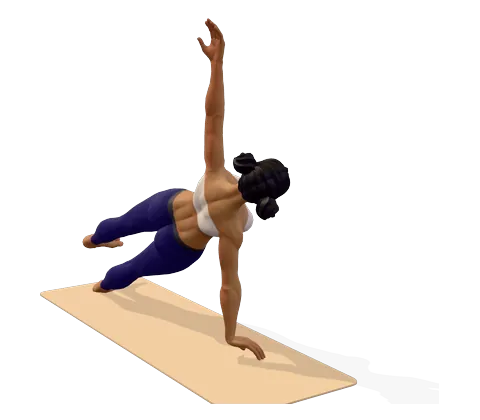
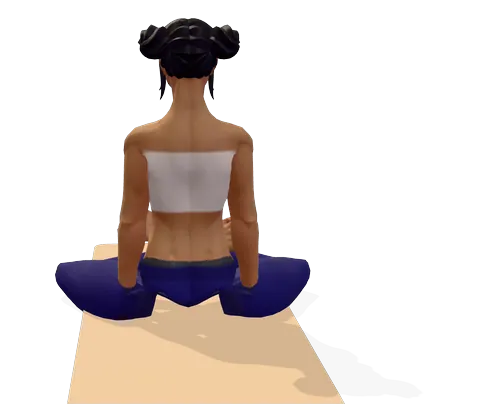
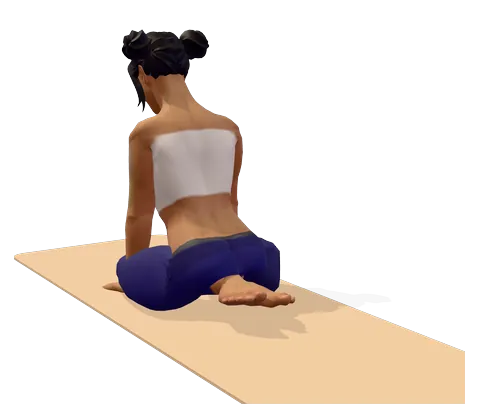
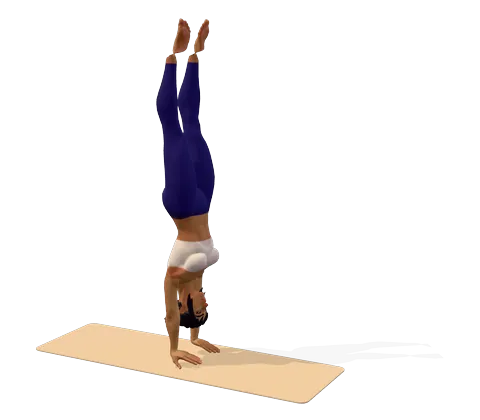
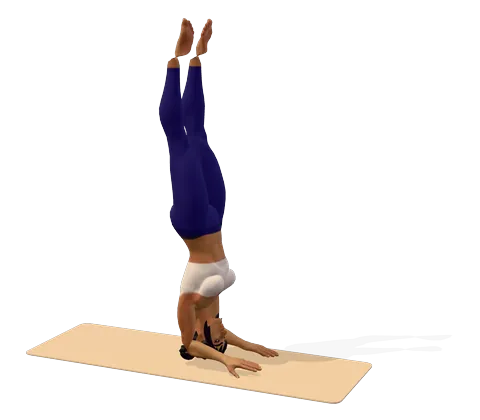
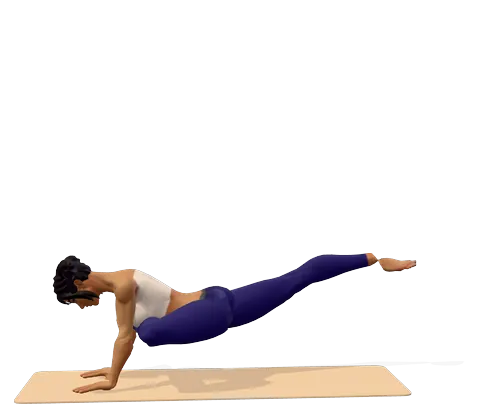
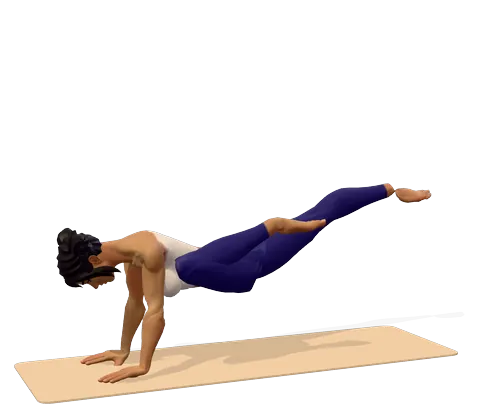
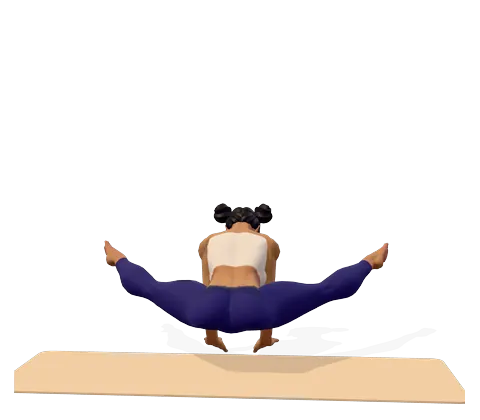
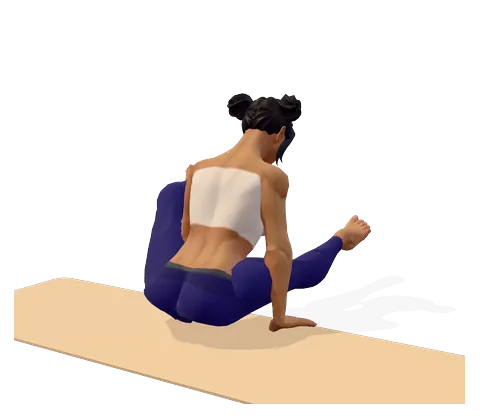
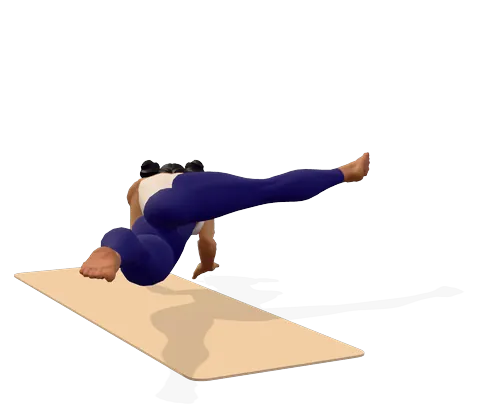
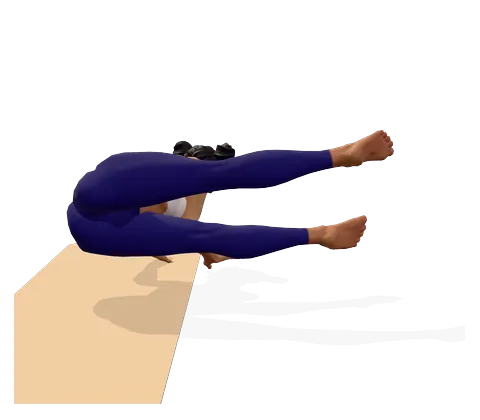
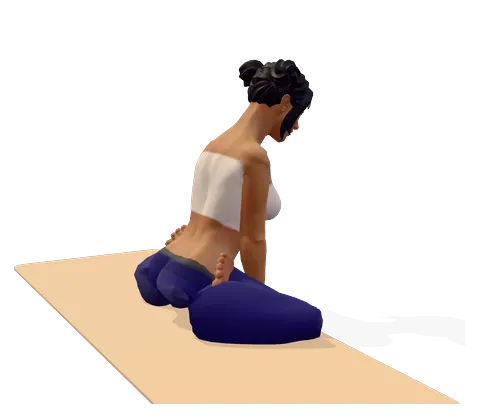
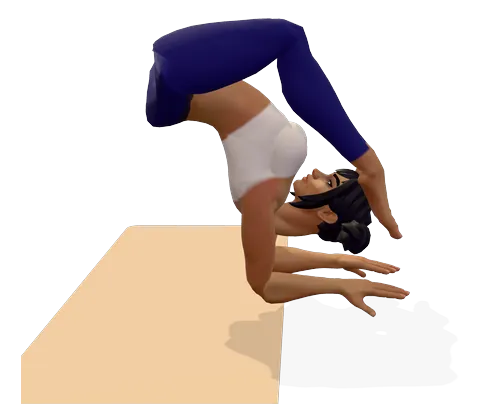
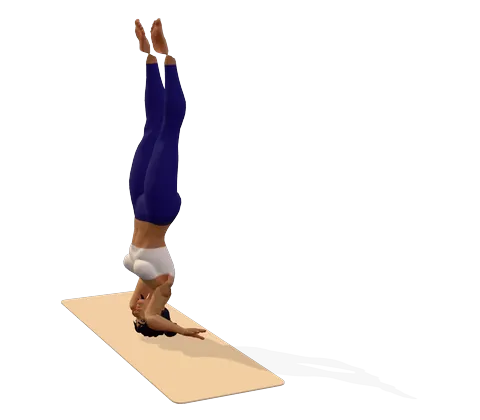
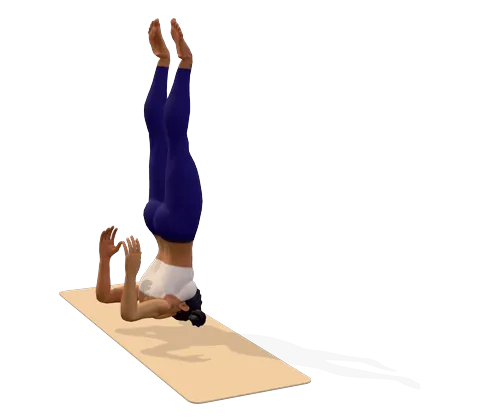
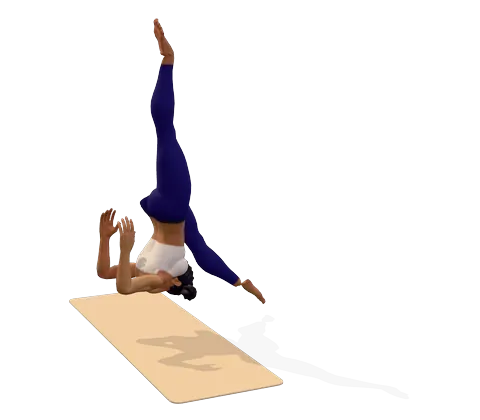
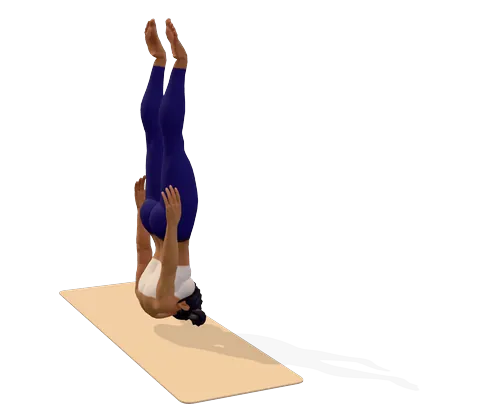
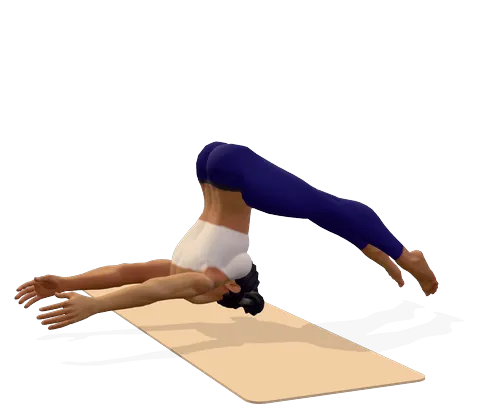
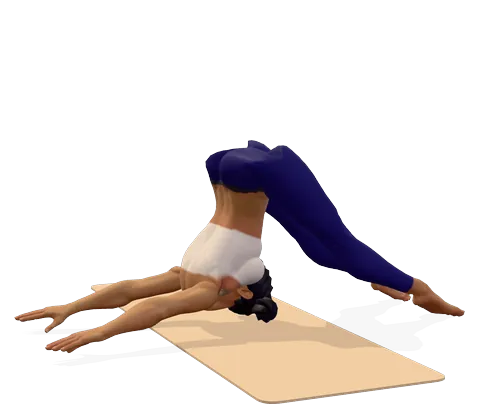
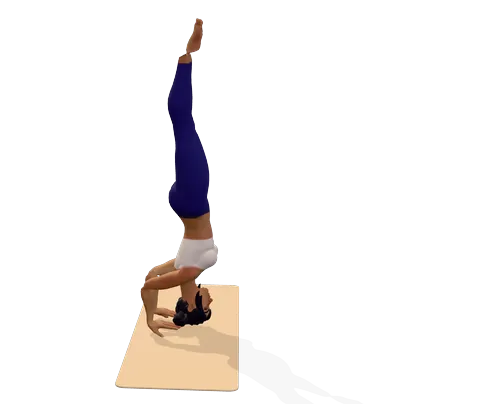
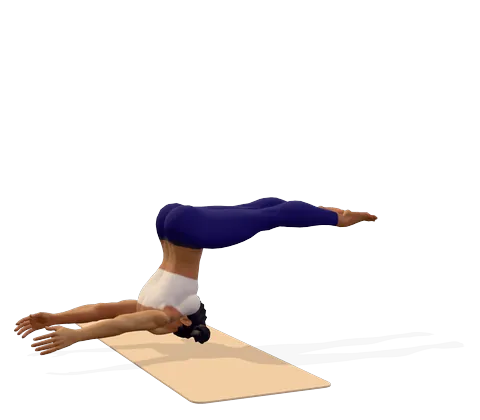
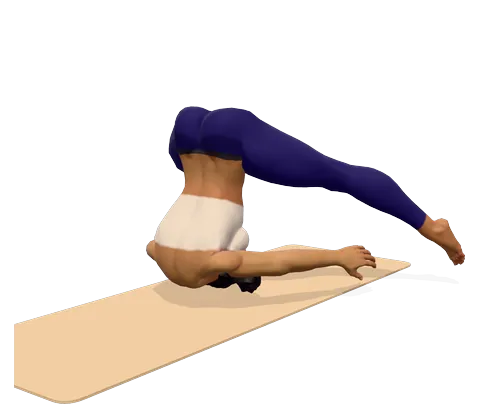
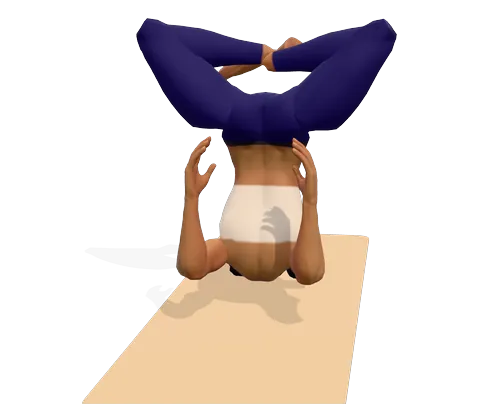
This library of yoga poses covers 180 asanas, from Mountain Pose to Handstand, each with its Sanskrit and English name, a 3D figure you can turn, steps, benefits and cautions. In Sanskrit, yoga poses are called asanas. The guide below explains how the collection is organised, which poses to learn first and how to put them together safely.
Types of yoga poses: how the library is organised
Every pose sits in one of seven categories, based on how your body meets the floor. This chart lists the types of yoga poses with names and examples; grouping different types of postures this way makes a balanced practice easy, because each type does a different job. They range from standing and sitting yoga poses to kneeling ones, poses lying on your back or stomach, balances, hip openers and inversions that turn you upside down.
| Category | What it trains | Examples |
|---|---|---|
| Standing poses (25) | Leg strength, posture and stamina | Mountain Pose, Tree, Triangle, Warrior I and II |
| Seated poses (24) | Hip and hamstring flexibility, twists, meditation seats | Easy Pose, Seated Forward Bend, Bound Angle, Child's Pose |
| Prone and kneeling poses (15) | Back strength and spinal mobility | Cobra Pose, Cat, Cow, Plank, Downward-Facing Dog |
| Supine poses (13) | Core work, gentle release and rest | Bridge Pose, Supine Spinal Twist, Legs-Up-the-Wall, Happy Baby |
| Backbends and hip openers (8) | Deep opening of the chest, front of the hips and legs | Camel, Pigeon Pose, Wheel, Splits |
| Balances and arm balances (11) | Wrist, arm and core strength, focus | Crow Pose, Side Plank, Handstand |
| Inversions (6) | Upside-down strength and control | Shoulder Stand, Plow, Headstand |
Each pose also has one of four levels. There are 48 beginner poses, 23 intermediate, 16 advanced and 15 expert; advanced yoga poses such as Crow and hard ones like Handstand need months of preparation. The search box accepts English or Sanskrit, so "Vrikshasana" and "tree" both work.
Best yoga poses for beginners
What are the basic yoga poses for beginners? The ten below appear in almost every style and teach the shapes that harder poses build on. Together they cover the main types of yoga poses for beginners, and you can learn them at home with just a mat.
- Mountain Pose (Tadasana) teaches standing alignment for every other standing pose.
- Cat and Cow warm up the spine and link movement to breath.
- Child's Pose (Balasana) is your resting position whenever you need a break.
- Downward-Facing Dog stretches the calves and hamstrings and strengthens the shoulders.
- Warrior II builds leg strength and stamina.
- Tree Pose trains balance; keep a hand on a wall at first.
- Cobra Pose strengthens the back and opens the chest.
- Bridge Pose works the glutes and gently bends the back.
- Seated Forward Bend lengthens the back of the legs; sit on a cushion if your back rounds.
- Corpse Pose (Savasana) ends every session with a few minutes of rest.
All of these are easy yoga poses, but "easy" does not mean effortless. Move slowly, stop at a comfortable stretch and use props: yoga poses using blocks, a strap or a wall are not cheating, they put you in the right shape.
Yoga poses for lower back pain, digestion, kids and seniors
The best asanas for back pain are gentle ones: Cat–Cow, Child's Pose, Sphinx and a supine twist. The full plan is on our yoga for back pain page.
The classic asanas for constipation and trapped wind are Wind-Relieving Pose, Garland Pose and gentle twists, the traditional yoga poses to relieve gas. Twists and forward bends are also the asanas most often used for diabetes, always alongside your medicine.
Children love yoga poses for kids with names like Cobra, Cat, Lion and Tree. Why are so many yoga poses named after animals? The names describe what the shape resembles. For seniors, Mountain, Chair, Tree at a wall and seated twists are safe starting points.
How to read a pose page
- Names: the Sanskrit name first, then the English one. Switch the language to Hindi and you get the yoga asanas with names in Hindi, spoken and captioned.
- Level and hold time: a suggested hold for beginners, which you can shorten.
- 3D demo: drag to see the pose from the side, back or above; it is the quickest way to learn how to do yoga poses correctly.
- Steps: how to come into the pose, hold it and leave it, in order. A voice reads short cues when you practise it in a session.
- Benefits and cautions: what the pose is good for and who should modify or avoid it. Read the cautions before you try anything new.
- Related poses and conditions: similar poses in the same category and the health plans that use it.
Taken together, the pages work as a list of all yoga asanas with names and benefits, so you can compare yoga poses and their benefits before adding them to your daily routine.
Asanas: meaning and definition
The meaning of asanas is simple: in Sanskrit, asana means "seat". In Patanjali's Yoga Sutras, asanas are steady, comfortable seated postures for meditation; later Hatha texts and modern teachers added standing, balancing and inverted ones. That is why most yoga poses have Sanskrit names, and their meaning is usually literal: vriksha is tree, bhujanga is cobra, trikona is triangle. Learning these root words is the easiest way to remember the names of yoga poses.
How long to hold yoga poses
For beginners, a good rule is three to five slow breaths, roughly 15–30 seconds, for active poses such as Warriors, Plank and Tree. Hold for longer as you get stronger, but only while your breath stays smooth.
- Standing and balancing poses: 15–60 seconds, each side.
- Seated forward bends and hip openers: 30 seconds to 2 minutes. These are the main yoga poses for flexibility, and the muscles release slowly.
- Restorative poses such as Legs-Up-the-Wall or Reclining Bound Angle: 2–5 minutes. These also make good yoga poses before bed.
- Savasana: at least 3–5 minutes at the end.
In a guided session the built-in yoga pose timer does this for you, and you can switch between shorter, normal and longer holds.
How to build a yoga sequence
The order of doing yoga asanas matters as much as the choice of poses. To create a yoga sequence for beginners, follow this arc:
- Warm up with gentle movement: Cat–Cow, neck and shoulder rolls, a few slow breaths.
- Standing poses to build heat, then one balance.
- Prone backbends such as Cobra or Locust, followed by Child's Pose.
- Seated forward bends and twists.
- Supine poses: Bridge, a reclining twist, Happy Baby.
- Rest in Savasana.
Follow a backbend with a gentle forward bend, and a twist to one side with the same twist to the other. The yoga sequence builder lets you add poses in this order, set hold times and share the result as a link. Or simply press play on a ready-made guided session.
Safety: contraindications and when to stop
Most yoga poses are safe for healthy adults when done slowly. The basic rules for yoga asanas are to warm up first, never force a stretch, breathe through the nose and respect the contraindications below; each pose page adds its own.
- High blood pressure, heart disease, glaucoma or a detached retina: avoid inversions such as Headstand, Shoulder Stand and Plow.
- Pregnancy: the yoga poses contraindicated for pregnancy include deep twists, poses lying on your stomach, strong core work and, later on, lying flat on your back. Ask your midwife first.
- Neck problems: no weight on the head or neck; this rules out Headstand and Shoulder Stand.
- Knee, wrist or back injuries: use the variations on each page and cushions or blocks, and see a physiotherapist if pain persists.
Stop if you feel sharp pain, numbness, tingling or dizziness. New to all this? Start with our yoga for beginners guide.
Frequently asked questions
How many types of yoga asanas are there?
Tradition speaks of 84 classical asanas, and modern books describe hundreds of variations. This library covers 180 yoga asanas with names, from beginner to expert, grouped into seven types.
What are some easy yoga poses to start with?
Mountain Pose, Cat and Cow, Child's Pose, Downward-Facing Dog with bent knees, Tree Pose near a wall, Cobra, Bridge and Corpse Pose. Filter the grid by "Beginner" to see all 48 easy yoga poses for beginners with names and steps.
How long should beginners hold a pose?
Three to five slow breaths, about 15–30 seconds, for active poses. Restful poses like Child's Pose or Legs-Up-the-Wall can be held for several minutes.
Why do yoga poses have Sanskrit names?
Asana practice was first written down in Sanskrit texts in India, so the traditional names are Sanskrit. Most describe the shape, often an animal or object: bhujanga means cobra and vriksha means tree.
Can I learn yoga poses at home without a teacher?
Yes, if you start with beginner poses, move slowly and read the cautions. The 3D figure lets you check the pose from every side. With an injury or health condition, get advice from a doctor or physiotherapist first.
Which poses should I avoid during pregnancy?
Avoid deep twists, lying on your belly, strong core work, breath holds and inversions you have not practised before. After the first trimester, avoid lying flat on your back for long. Ask your midwife or doctor before you start.
In what order should I do yoga poses?
Warm up, then standing poses, a balance, backbends, seated forward bends and twists, supine poses, and finish with Savasana. Balance each backbend with a forward bend and do twists on both sides.