Your high blood pressure yoga plan
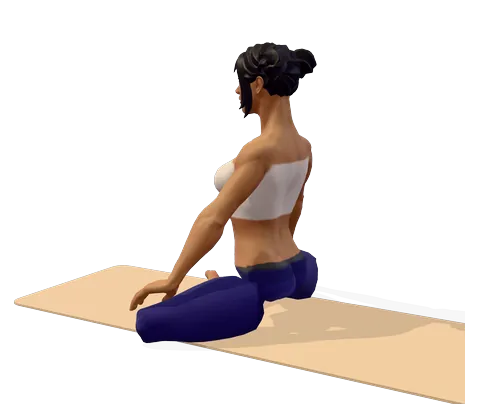 Easy PoseSukhasana
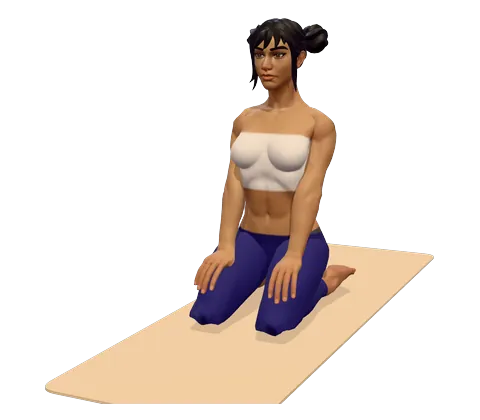 Thunderbolt PoseVajrasana
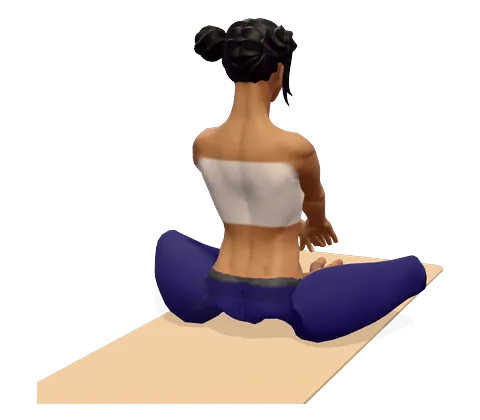 Bound Angle PoseBaddha Konasana
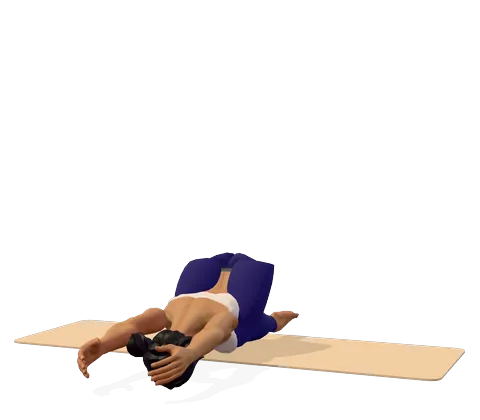 Hare PoseShashankasana
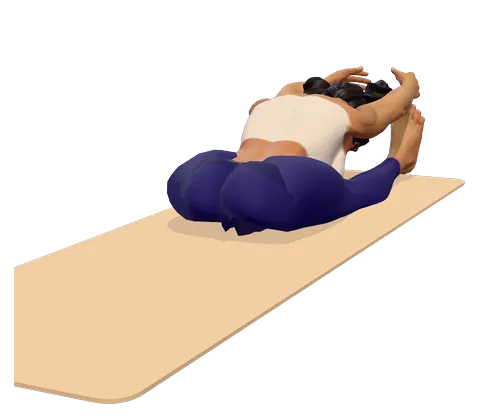 Seated Forward BendPaschimottanasana
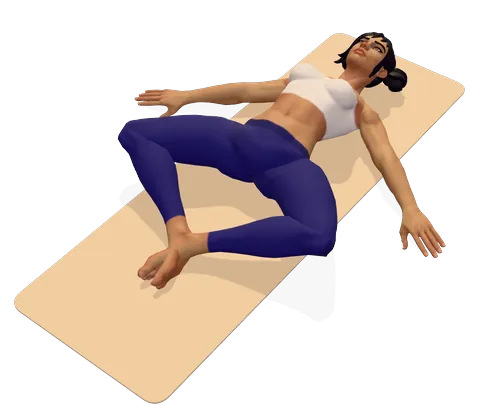 Reclining Bound Angle PoseSupta Baddha Konasana
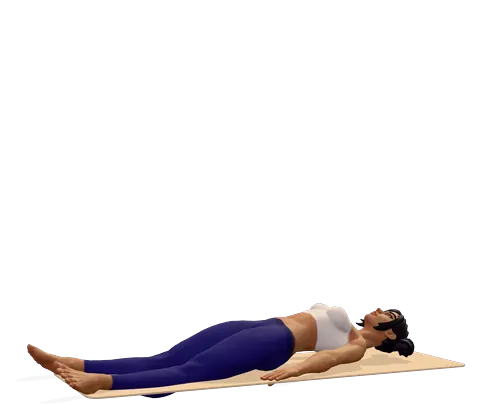 Corpse PoseSavasana
More poses that help with high blood pressure
Add these once the session above feels easy, or swap one in when a pose does not suit you.
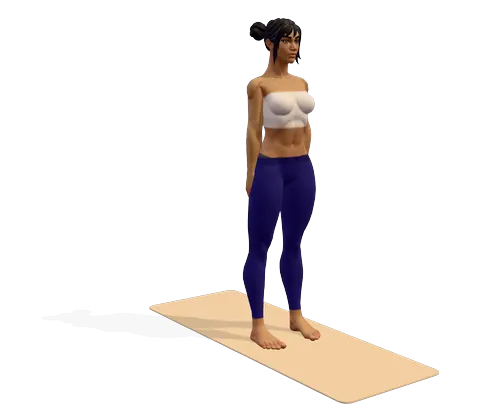 Mountain PoseTadasana
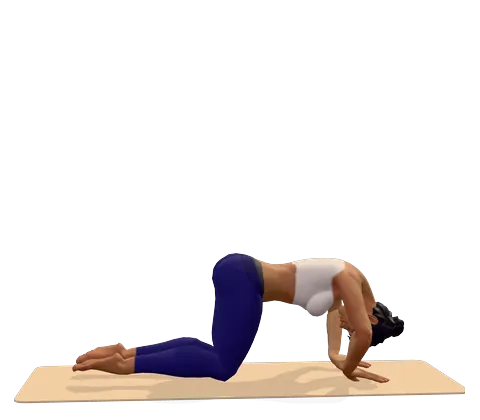 Cat PoseMarjaryasana
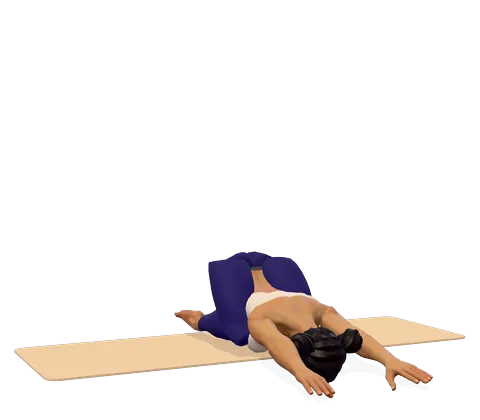 Child’s PoseBalasana
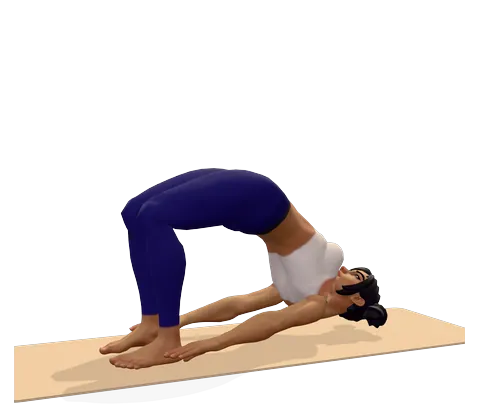 Bridge PoseSetu Bandhasana
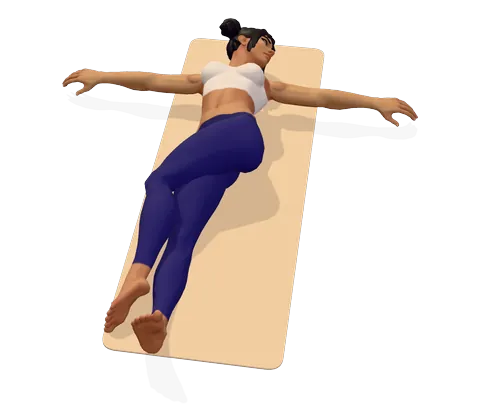 Supine Spinal TwistSupta Matsyendrasana
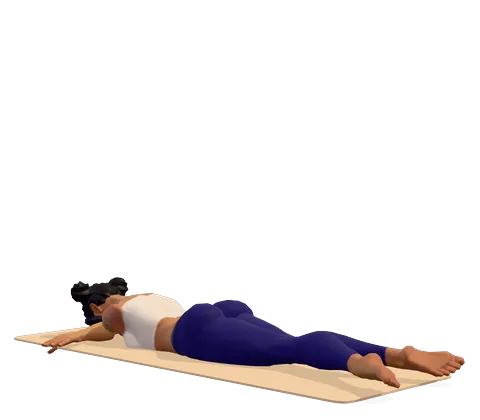 Crocodile PoseMakarasana
Mudras for high blood pressure
Hold a mudra while you sit for the breathing practice or a few minutes of quiet. Mudras are a traditional practice; research on them is limited.
Breathing practice
Avoid
Headstand, shoulder stand, breath holding (kumbhaka), Kapalbhati and Bhastrika.
Strong evidence: Meta-analyses of randomised trials show a benefit.
Guided meditation for high blood pressure
Breath Awareness Meditation (10 min, voice in 28 languages) · So Hum Mantra Meditation (10 min, voice in 28 languages)
Yoga for high blood pressure has some of the strongest evidence of any use of yoga. Meta-analyses of randomised trials show that regular practice can lower both systolic and diastolic blood pressure, and the biggest drops come from programmes that include slow breathing and relaxation, not just poses. This plan is built that way. It is gentle on purpose: for hypertension, calm beats strenuous, and some popular practices are not safe.
How does yoga help high blood pressure?
Blood pressure is the force of blood against your artery walls. It rises when your heart pumps harder or your blood vessels tighten, and long-term stress keeps both switched on. Yoga may help in plain, physical ways:
- Slow breathing calms the stress system. Breathing out slowly activates the "rest and digest" side of the nervous system, which slows the heart and lets blood vessels relax.
- Relaxation lowers stress hormones that tighten blood vessels.
- Regular gentle activity helps blood vessels stay flexible and supports a healthy weight, both linked to lower pressure.
- Better sleep and habits: people who practise often sleep better and find it easier to cut back on salt, alcohol and smoking.
This is why yoga for stress and high blood pressure overlap so much: calming the mind is part of the treatment, not an extra.
Does yoga lower blood pressure? What the research says
The evidence is strong. The therapeutic role of yoga in hypertension has been tested in many trials and in several systematic reviews:
- A 2019 meta-analysis of 49 controlled trials (3,517 people) found yoga lowered blood pressure by about 5 mm Hg systolic and 4 mm Hg diastolic on average. In people with hypertension practising three times a week, programmes that included breathing techniques and meditation or relaxation lowered pressure by about 11/6 mm Hg, compared with about 6/3 mm Hg for programmes without them.
- A 2013 review of 17 studies found a modest overall drop, and a larger one, about 8/6 mm Hg, when poses, breathing and meditation were combined.
- A 2014 meta-analysis of 7 randomised trials found larger drops compared with usual care, but rated the evidence quality as very low and found no clear advantage of yoga over other exercise.
In short, a regular yoga practice to lower blood pressure works best when it includes slow breathing and relaxation; for reducing hypertension, those matter as much as the poses. So, is yoga good for high blood pressure? Yes, as one part of treatment. The effect of yoga on hypertension adds to other lifestyle changes and to medicine; it does not replace them.
Yoga poses for high blood pressure, one by one
This simple yoga sequence uses seven asanas for high blood pressure. These yoga asanas for hypertension are all seated or lying, with the head at or above heart level for most of the session. Move slowly and breathe through your nose the whole time.
1. Easy Pose: settle and breathe
Easy Pose (Sukhasana) is where the breathing practice happens. Sit on a cushion or a chair so your spine is tall without effort. Rest your hands on your thighs and let your shoulders drop.
2. Thunderbolt Pose: steady and grounded
Vajrasana is a calm kneeling seat. Put a cushion between your heels and hips if your knees or ankles complain, or sit on a chair instead.
3. Bound Angle Pose: open the hips, quiet the mind
Baddha Konasana is a gentle seated stretch. Support your knees with cushions so there is no strain, and keep breathing smoothly.
4. Hare Pose: supported forward rest
Shashankasana folds forward from kneeling. For high blood pressure, keep it mild: rest your forehead on a block, a cushion or stacked fists so your head stays close to hip level rather than dropping low. Stay for a few breaths only and come up slowly.
5. Seated Forward Bend: calm, not strain
Paschimottanasana can be deeply calming when it is easy. Bend your knees, rest your chest on a pillow on your thighs, and never pull yourself down. Straining raises blood pressure, which is the opposite of what you want.
6. Reclining Bound Angle: full rest
Supta Baddha Konasana opens the chest and lets the whole body relax. Lie back on a bolster or stacked pillows and support your knees.
7. Corpse Pose: the key pose
Savasana is where much of the benefit may come from, since relaxation was part of the programmes with the largest drops. Stay for five minutes or longer: yoga and meditation for high blood pressure work together. Add a guided Yoga Nidra session on days when you have more time.
When you finish, roll to your side and sit up slowly. Many blood pressure medicines can make you dizzy if you stand up quickly.
Pranayama for high blood pressure: safe breathing
Yoga breathing for blood pressure should be slow and smooth, with a longer exhale and no holding.
- Chandra Bhedana (left-nostril breathing) is traditionally used to cool and calm. Some versions include breath holds; skip those and simply breathe in through the left nostril and out through the right.
- Ujjayi (ocean breath) slows the breath with a soft sound in the throat. Keep it gentle, never forced.
- Bhramari (humming bee breath) lengthens the exhale naturally and is one of the easiest breaths for beginners.
Our breathing exercise timer can pace you. Five to ten minutes of slow breathing a day is a good target.
Do not practise with high blood pressure: Kapalbhati, Bhastrika or any fast, forceful breathing; breath holding (kumbhaka); headstand, shoulder stand, plow or other inversions; and hot yoga. Also avoid holding strong poses while straining, like a long Plank with your breath held.
A sample weekly yoga routine for blood pressure control
| Day | Practice | Time |
|---|---|---|
| Monday | Guided session on this page, then Bhramari | 15 min |
| Tuesday | Brisk walk, then 5 minutes of slow breathing | 30–40 min |
| Wednesday | Guided session, then Chandra Bhedana | 15 min |
| Thursday | Walk, and Calm for Anxiety and Stress session on Guided Yoga Sessions | 40 min |
| Friday | Guided session, then Ujjayi | 15 min |
| Saturday | Longer practice: guided session plus Yoga Nidra | 30–40 min |
| Sunday | Rest or a relaxed walk; slow breathing before bed | 10 min |
In the 2019 review, people practised on average about five times a week for around three months. Check your blood pressure reading at home before yoga, at the same time each day, and share the numbers with your doctor. If your readings fall, your doctor may change your medicine; never stop it on your own.
Yoga for high blood pressure for beginners, seniors and pregnancy
Beginners at home: to start yoga for high blood pressure at home, begin with the breathing and Savasana only for the first week, then add the seated poses. Our yoga for beginners page covers the basics.
Seniors: all of this plan can be done on a chair and a bed. Rise slowly from every pose, and keep a chair nearby for balance. See yoga for seniors.
Yoga for high blood pressure during pregnancy: gentle prenatal yoga may help you relax, but pregnancy hypertension needs close medical care. Avoid lying flat on your back from mid-pregnancy (recline on pillows or lie on your left side), and skip forward folds that press on the belly. See prenatal yoga. Get urgent care for a severe headache, vision changes, sudden swelling of the face or hands, or pain under the ribs.
With diabetes or high cholesterol: this plan suits both. As a yoga treatment for diabetes and hypertension together, it may help blood sugar, cholesterol and blood pressure. See our yoga for diabetes plan, and skip Kapalbhati even though it appears in many diabetes programmes.
Heart patients: high blood pressure patients with heart disease need their cardiologist's approval before starting yoga; see yoga for heart health. Pulmonary hypertension is a different disease of the lung arteries, so ask a specialist before any yoga; this plan is not designed for it.
How to control BP: where yoga fits
Yoga is one of the natural remedies for high blood pressure, and exercise and yoga work well together. To lower high blood pressure naturally, yoga works best alongside the other proven steps: less salt, more vegetables and fruit, a healthy weight, less alcohol, no smoking, regular walking, enough sleep and your prescribed medicine. Can yoga cure high blood pressure? No. Yoga can help reduce high blood pressure and may reduce how much medicine you need, but only your doctor can decide that.
Call emergency services if a very high reading comes with chest pain, shortness of breath, a severe headache, vision changes, confusion, weakness or numbness on one side, or trouble speaking.
BP control yoga: yoga for high blood pressure in Hindi
हाई बीपी (उच्च रक्तचाप) के लिए योग — हिंदी में नियमित योग, धीमी सांस और शवासन से ब्लड प्रेशर थोड़ा कम हो सकता है। सुखासन, वज्रासन, बद्ध कोणासन और शवासन करें, और भ्रामरी, उज्जायी व चंद्र भेदन जैसी धीमी सांस लें। हाई बीपी में कपालभाति, भस्त्रिका, सांस रोकना और शीर्षासन या सर्वांगासन जैसे उल्टे आसन न करें। अपनी दवा बंद न करें और डॉक्टर से सलाह लें।
Start your guided session
Scroll up to the guided 3D session. The 3D figure shows each pose, a voice guides you in your language, and the saffron ring on the mat helps you slow your breathing.
Research behind this plan
- Wu 2019, Mayo Clin Proc — 49 trials: yoga lowered BP; largest drops with breathing and meditation/relaxation
- Hagins 2013, Evid Based Complement Alternat Med — 17 studies: modest BP drop overall, larger when poses, breathing and meditation were combined
- Cramer 2014, Am J Hypertens — 7 RCTs: yoga lowered BP vs usual care; very low quality evidence, no benefit over exercise
- NCCIH, Yoga: What You Need To Know — people with severe high blood pressure may need to modify or avoid some poses
Frequently asked questions
Is yoga good for high blood pressure?
Yes. Meta-analyses show regular yoga lowers blood pressure, especially when it includes slow breathing and relaxation. Use it alongside your medicine and other lifestyle changes.
Which yoga is good for high blood pressure?
The best yoga exercises for high blood pressure are gentle, slow styles with seated and lying poses, slow breathing and relaxation, such as restorative or gentle hatha yoga. Avoid fast flows, inversions and hot yoga.
Is hot yoga safe for high blood pressure?
It is best avoided, and hot yoga is not a good choice for high blood pressure: heat and dehydration strain the heart and blood vessels, and there is no evidence it lowers blood pressure better than regular yoga.
Which pranayama is good for high BP?
Slow practices such as Bhramari, gentle Ujjayi and left-nostril breathing without breath holds. Avoid Kapalbhati, Bhastrika and any breath retention.
How quickly does yoga lower blood pressure?
Slow breathing can lower a reading for a short time, but the lasting effect seen in trials builds over weeks to months of regular practice, usually three or more sessions a week.
Does yoga for high blood pressure have side effects?
Gentle yoga is safe for most people. One review counted more adverse events in yoga groups than with usual care, so avoid straining, rise slowly and stop if you feel dizzy, breathless or have chest discomfort.
Can I stop my BP medicine if I do yoga?
No. Keep taking it and keep monitoring. If your readings improve, your doctor can decide whether to change your dose.
Is yoga for low blood pressure different?
Yes. Low blood pressure needs a different approach, with standing poses and rising slowly. See our yoga for low blood pressure plan.
Medical note: yoga supports treatment; it does not replace it. Keep taking prescribed medicine and talk to your doctor before you start, especially with heart disease, uncontrolled blood pressure, recent surgery, pregnancy, epilepsy or severe pain. Read our medical disclaimer.