Meditation for beginners is simpler than it looks: you sit still, choose one thing to pay attention to, usually the breath, and gently come back to it each time your mind wanders. That coming back is the practice. This meditation guide for beginners shows you how to meditate step by step, how to sit, five easy types to try, a 10-minute routine, what to do when it feels hard, and what the research honestly says about the benefits.
What is meditation?
In yoga, meditation is dhyana, the seventh of Patanjali's eight limbs. It follows posture (asana), breath control (pranayama) and concentration (dharana). In everyday terms, meditation is training attention: you hold your mind on one object, notice when it drifts, and return without scolding yourself.
The basics of meditation for beginners come down to three things: a steady, comfortable posture; one anchor for your attention; and a fixed amount of time. You do not need to stop thinking. Nobody can switch thoughts off. You are learning to notice them and let them pass.
How to meditate step by step (for beginners)
If you are wondering how to start, these meditation steps for beginners work at home, at work or anywhere you can sit undisturbed for a few minutes.
- Pick a time and place. Morning before breakfast or evening before dinner works well. Sit somewhere quiet and switch your phone to silent.
- Set a timer. Start with 5 or 10 minutes on the free meditation timer, which rings a soft singing-bowl bell so you do not keep checking the clock.
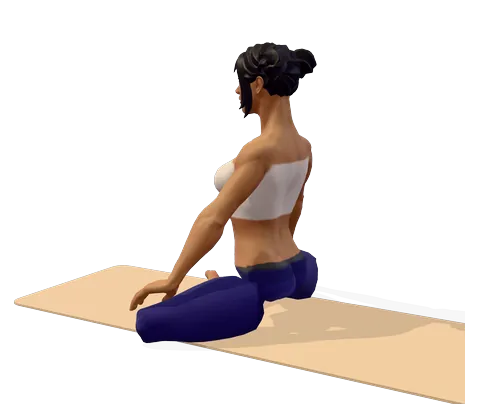
- Sit tall and relaxed. On the floor, a cushion or a chair, with your spine upright, shoulders soft and hands resting on your thighs.
- Close your eyes or lower your gaze to the floor about a metre in front of you.
- Take three slow breaths, a little longer on the out-breath, to settle.
- Let the breath be natural and rest your attention where you feel it most: the nostrils, the chest or the belly.
- When your mind wanders, notice it and come back. You might silently say "thinking" and return to the next breath. Do this as often as needed; it is not failure, it is the exercise.
- Finish slowly. When the bell rings, notice how you feel, open your eyes and sit for a few more seconds before you get up.
That is how to meditate properly as a beginner. How to meditate effectively comes later, from doing it often rather than doing it perfectly.
The best posture for meditation
Choose a position you can hold still for ten minutes without pain. Comfort beats looking traditional.
- Sukhasana (Easy Pose): simple cross-legged sitting. Sit on the edge of a folded blanket or cushion so your hips are higher than your knees; this keeps the back upright.
- Vajrasana (Thunderbolt Pose): kneeling and sitting on your heels. Good if crossed legs are uncomfortable. Put a cushion between your heels and hips if your knees or ankles complain.
- Padmasana (Lotus Pose): the classic seat, but only if your hips are already open. Never force your knees into lotus.
- On a chair: feet flat, back away from the backrest if you can. Meditation for beginners who are seniors, or anyone with knee or back pain, works perfectly well in a chair.
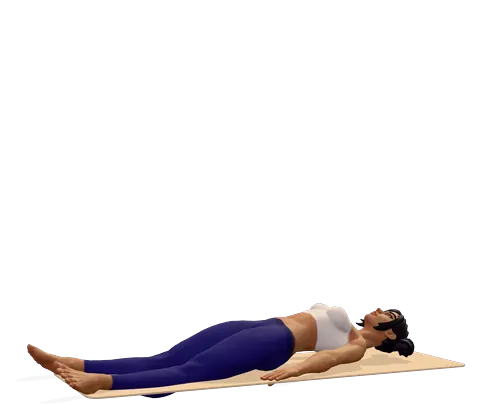
- Lying down: a good choice for beginners who want meditation for sleep, but you will probably drift off. Use it at bedtime, not when you want to stay alert.
For your hands, rest them on your thighs, palms down, or use Gyan Mudra, touching thumb and index finger. Tuck your chin slightly, relax your jaw and let your tongue rest behind your upper teeth.
Types of meditation for beginners: five easy techniques
There are many meditation methods for beginners. These five are easy, well tested and need nothing but you.
1. Breath awareness (mindfulness of breathing)
Count each out-breath from one to ten, then start again. If you lose count, go back to one. This is the core of mindfulness meditation for beginners, and the heart of Vipassana and Zen sitting too. Most teachers suggest it as the best meditation for beginners because the breath is always with you.
2. Mantra meditation
To meditate with mantras, repeat a word or sound silently in time with your breath. A traditional yoga pair is "So" on the in-breath and "Ham" on the out-breath. You can also chant Om aloud a few times first, or begin with Bhramari, the humming bee breath, which many people find calming. If you are religious and want to meditate spiritually, a short prayer or a line of scripture works the same way; that is how many people meditate on God's word.
3. Body scan
Move your attention slowly from your toes to the top of your head, noticing warmth, pressure or tension without trying to change it. This one also works lying down and is close to Yoga Nidra, our free guided relaxation of 10, 20 or 30 minutes.
4. Loving-kindness (metta)
Silently repeat kind wishes: "May I be well. May I be at ease." Then wish the same for someone you love, someone neutral, someone difficult, and finally everyone. Metta meditation for beginners is a good choice when you feel irritable or low.
5. Trataka (candle gazing)
Gaze softly at a candle flame at eye level for a minute or two, then close your eyes and watch the after-image. Trataka suits people whose minds race with eyes closed. Avoid it if you have epilepsy or eye problems.
You can also meditate with guided imagery (picturing a calm place), meditate with nature by sitting outdoors and listening, or meditate with soft music. Chakra meditation rests attention on points along the spine. You do not need crystals to meditate, nor apps or special music; they are optional extras.
A 10-minute meditation routine for beginners
Set the timer for 10 minutes with an interval bell every few minutes, then follow this outline.
| Time | What to do |
|---|---|
| 0:00–1:00 | Settle your posture. Three slow breaths with long out-breaths. |
| 1:00–3:00 | Quick body scan: relax your face, shoulders, hands and belly. |
| 3:00–8:00 | Breath counting from one to ten. Start again whenever you lose count. |
| 8:00–9:30 | Let go of counting. Simply sit and notice sounds, sensations and breath. |
| 9:30–10:00 | Silently wish yourself and one other person well. Open your eyes slowly. |
Short on time? Meditation for beginners in 5 minutes: one minute to settle, three minutes of breath counting, one minute of stillness. Five minutes done daily is better than thirty minutes done once a month.
Common problems and how to fix them
Why do people avoid meditation? Usually because they believe they are "bad at it". Almost every beginner meets the same problems:
- "My mind won't stop." That is normal. Each time you notice and return, you have done one repetition, like a push-up for attention.
- Sleepiness. Sit more upright, open your eyes slightly, meditate earlier in the day or after a short walk.
- Restlessness or fidgeting. Do a few minutes of gentle yoga or stretching first, or try walking meditation, slow steps with attention on your feet.
- Back or knee pain. Raise your seat, use a chair or lean against a wall. Pain is a signal to change position, not to endure.
- Feeling more anxious. Focusing on the breath makes some people tense. Shift your anchor to the feel of your hands or feet, or to sounds, and keep your eyes open. If strong distress comes up, stop and speak to a doctor or therapist.
- "Am I doing it right?" If you sat, paid attention and came back when you drifted, yes.
Can I meditate on a train or bus? (train me dhyan kaise kare)
Yes. Sit upright, keep your eyes half open so you stay aware of your stop, and use the rocking and sounds as your anchor instead of fighting them. Set a quiet alarm. Commuter meditation is a simple way to meditate daily when life is busy.
Benefits of meditation for beginners: what the evidence says
Research on meditation is large but mixed in quality, so it helps to be honest. The US National Center for Complementary and Integrative Health summarises it in Meditation and Mindfulness: Effectiveness and Safety. In short:
- Anxiety, stress and low mood: mindfulness programmes may help, and in some studies they worked about as well as other proven therapies. This is the best-supported area.
- Sleep: mindfulness meditation improved sleep quality more than education alone, though not more than proven treatments such as cognitive behavioural therapy.
- Pain and blood pressure: some promising results, but the evidence is weaker and less consistent.
- Safety: meditation is safe for most people, but a minority report unpleasant effects such as increased anxiety. Meditation should never replace medical care or delay a visit to a doctor.
If you want to meditate to relieve stress, or you are one of many beginners turning to meditation for anxiety or insomnia, see our plans for yoga for anxiety and yoga for sleep, which combine meditation with breathing and gentle poses, and keep taking any treatment you have been prescribed.
How long until you notice benefits?
Many people feel calmer straight after a single session. Changes that last, such as reacting less sharply to stress or falling asleep more easily, usually take several weeks of regular practice; many mindfulness courses studied by researchers run for about eight weeks. The benefits of 10 minutes of meditation a day are real but gradual. Meditation for 1 hour brings no magic extra benefits for a beginner; build up slowly.
A daily meditation schedule for beginners
- Week 1: 5 minutes a day of breath awareness, same time each day.
- Week 2: 10 minutes a day using the routine above.
- Week 3: 10–15 minutes; try mantra or metta on two days.
- Week 4 and after: 15–20 minutes, or two shorter sessions, morning and evening.
One of the best meditation tips for beginners: tie practice to something you already do, such as brushing your teeth. Your meditation timer sessions are saved in My practice, so you can see your streak grow.
Yoga, pranayama and meditation together
Yoga was designed as preparation for sitting still: poses release stiffness so you can sit comfortably, and pranayama slows the breath so the mind settles. Pranayama breathing exercises are a natural partner of meditation for beginners. A simple yoga meditation for beginners is 10 minutes of gentle poses, 5 minutes of alternate nostril breathing, then 10 minutes of sitting. At bedtime, finish with Yoga Nidra lying down instead.
Dhyan kaise kare: meditation for beginners at home, in Hindi
ध्यान कैसे करें (Dhyan kaise kare) — हिंदी में: शांत जगह पर सुखासन या कुर्सी पर सीधे बैठें, आँखें बंद करें और 5–10 मिनट का टाइमर लगाएँ। साँस को सामान्य रहने दें और उसके आने-जाने पर ध्यान रखें। मन भटके तो बिना परेशान हुए फिर से साँस पर लौट आएँ — यही ध्यान है। रोज़ एक ही समय पर करने से मन शांत होता है और तनाव कम करने में मदद मिल सकती है।
Readers searching "man shant kaise kare" or "dimag shant kaise kare" (how to calm the mind) and "stress kaise dur kare" (how to reduce stress) can start with exactly this: five minutes of sitting with the breath, every day.
Frequently asked questions
How do I start meditation as a beginner?
Sit comfortably with your back upright, set a timer for 5 minutes, close your eyes and rest your attention on your breath. When your mind wanders, notice it and gently come back. Do it at the same time every day and slowly build up to 10–20 minutes.
What is the best meditation for beginners?
Breath awareness, such as counting out-breaths from one to ten, is the easiest start because it needs nothing but you. If the breath makes you tense, try a body scan, a mantra or loving-kindness instead.
How long should a beginner meditate?
Start with 5–10 minutes a day. Regular short sessions matter more than long ones. After a few weeks, 15–20 minutes is a good daily goal.
Is it OK to meditate lying down?
Yes, especially for relaxation and sleep, but you are more likely to fall asleep. Sit upright when you want to stay alert, and use lying-down practices like a body scan or Yoga Nidra at bedtime.
What if I cannot stop thinking when I meditate?
Nobody can stop thinking on command. Meditation is noticing that you are thinking and returning to your anchor. Each return strengthens attention, so a busy session is still a useful one.
How long does it take for meditation to work?
Many people feel calmer after one session. Lasting changes in stress, mood or sleep usually take several weeks of regular practice; many studied mindfulness courses last about eight weeks.
Can meditation replace medicine for anxiety or depression?
No. Meditation may help alongside treatment, but it should not replace medicine or therapy your doctor recommends, and it should not delay getting help. A few people feel more anxious when they meditate; if that happens, stop and talk to a professional.
Can I meditate with music?
Yes, soft instrumental music without words can help you settle, but silence or a simple bell is easier for training attention. The free meditation timer uses a singing-bowl bell at the start, at intervals and at the end.