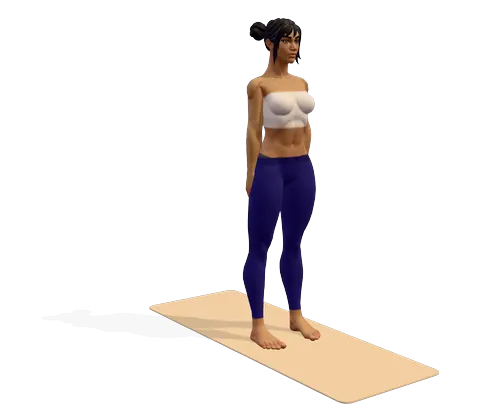
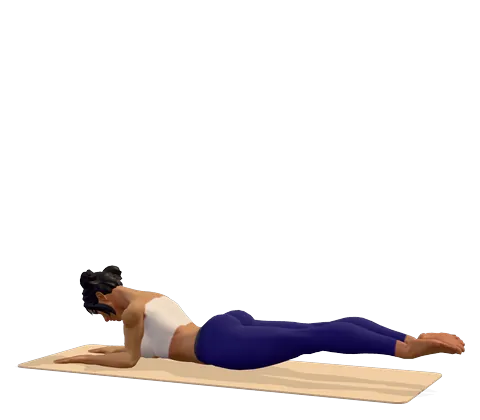
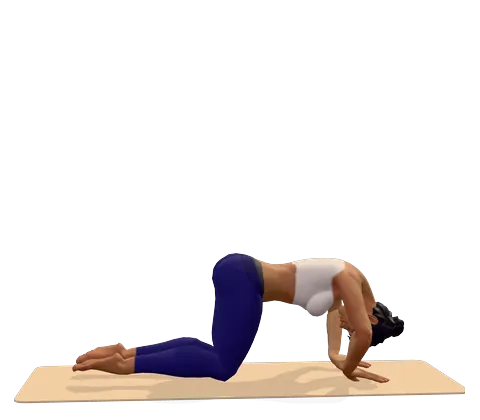
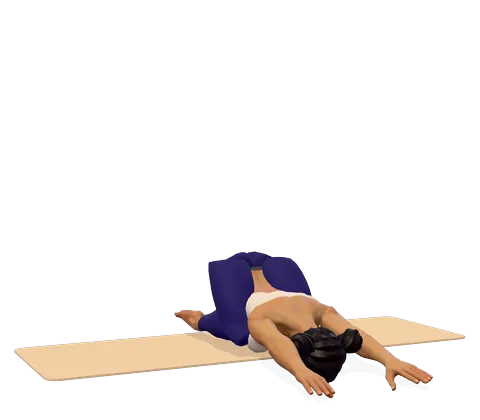
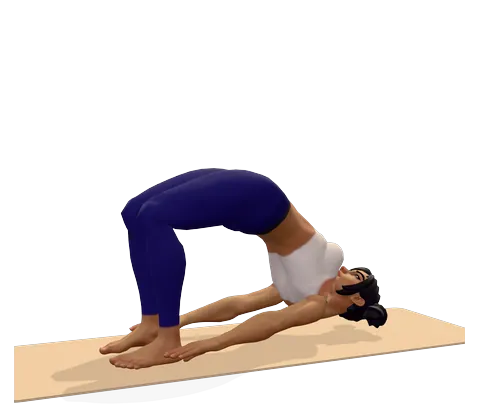
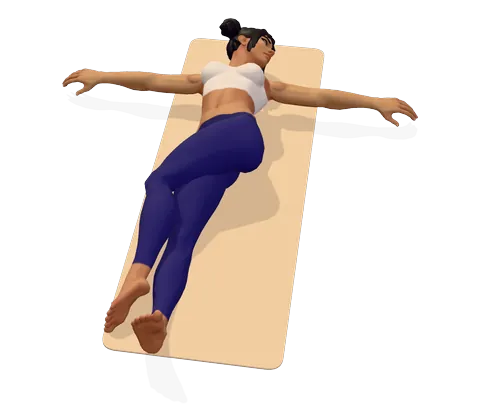
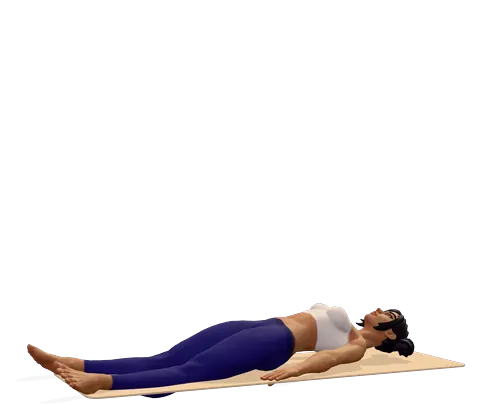
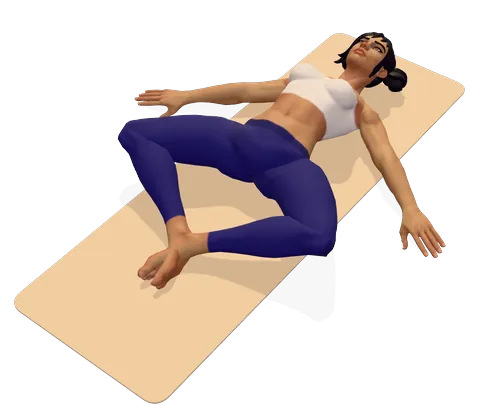
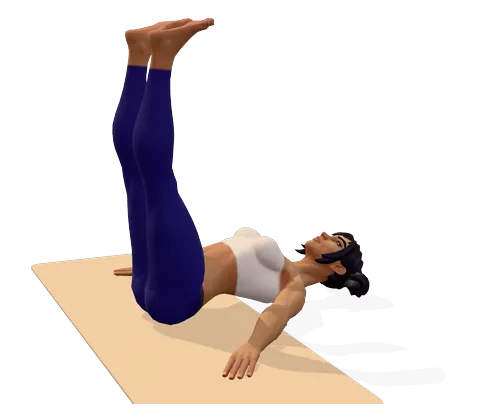
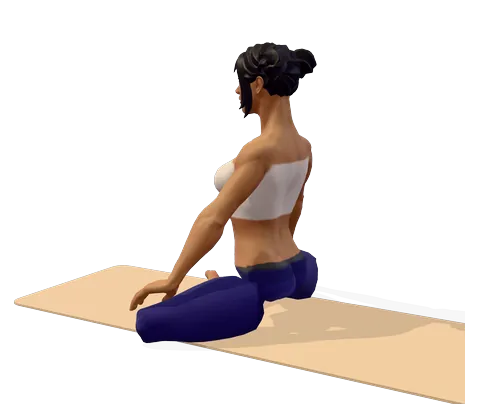
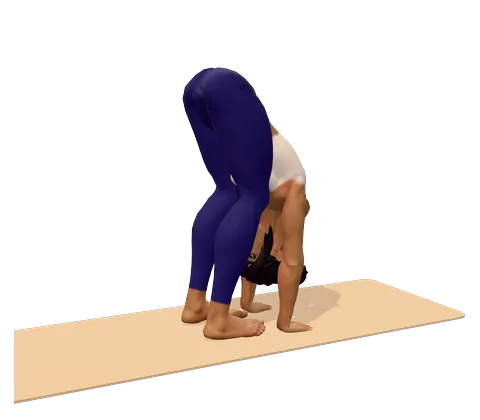
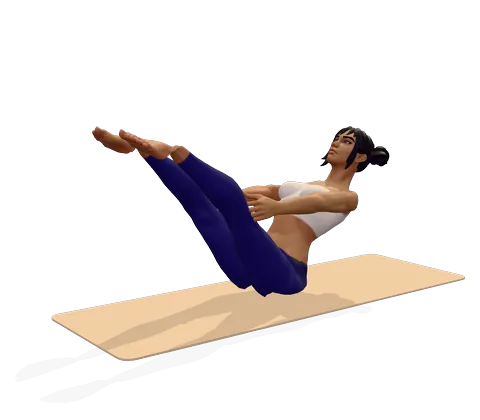
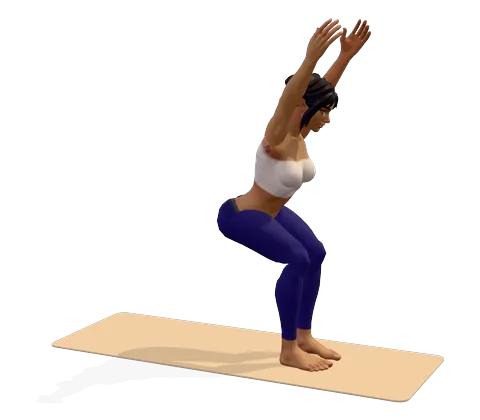
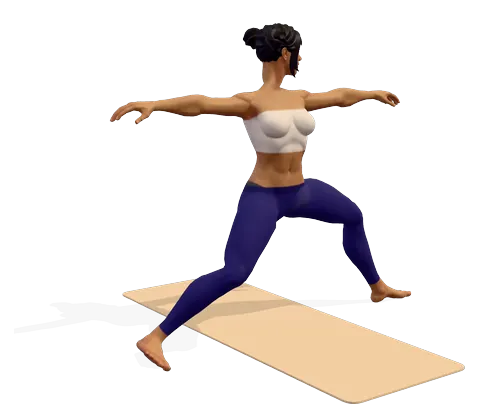
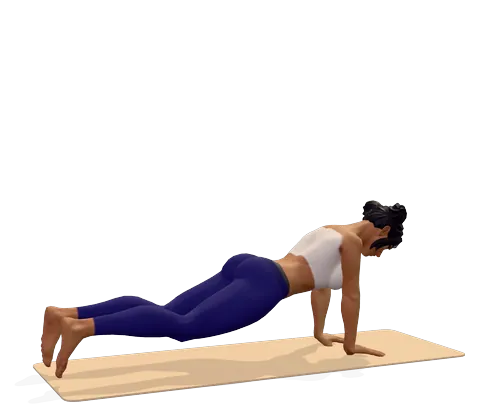
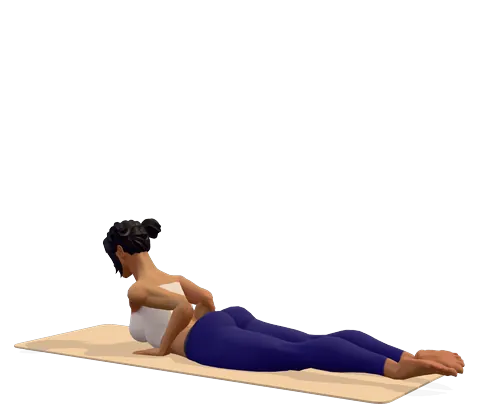
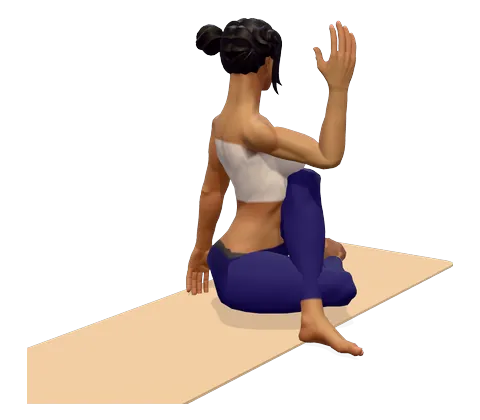
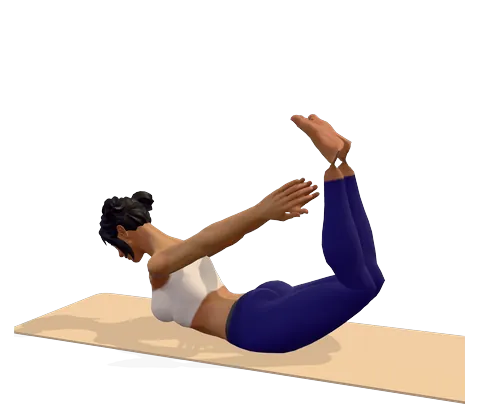
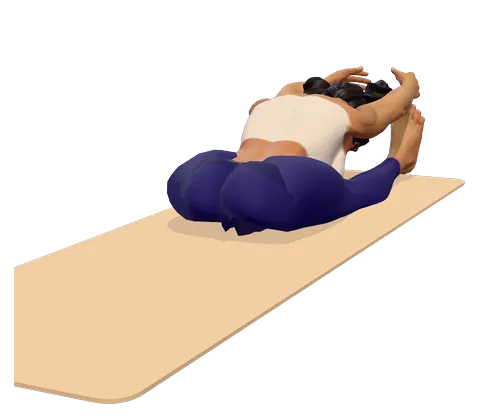
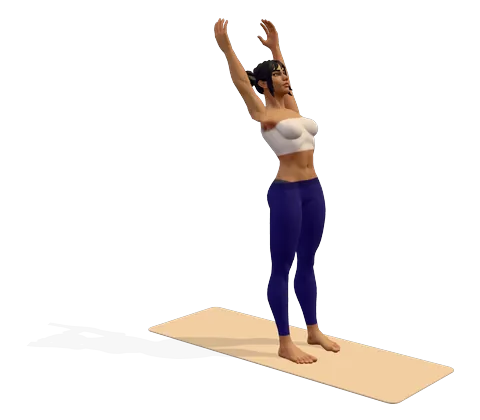
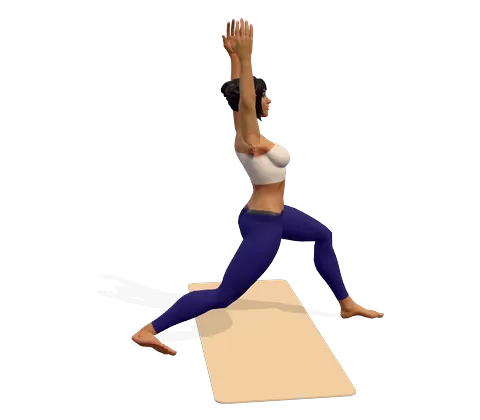
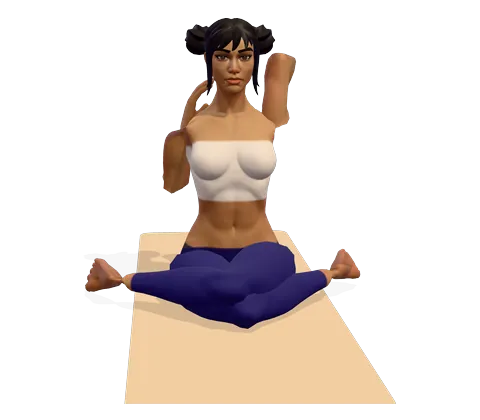
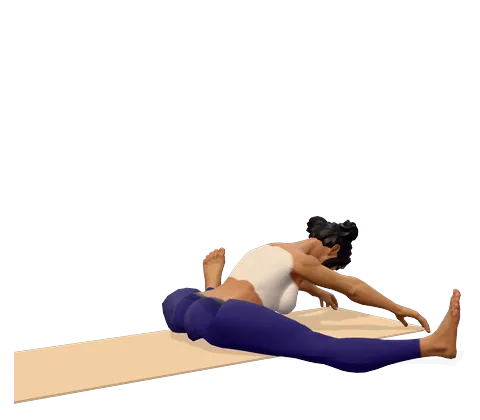
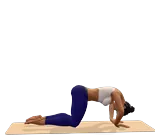
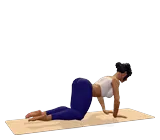
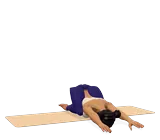
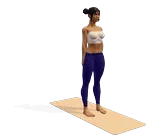
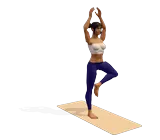
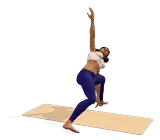
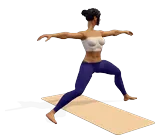
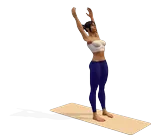
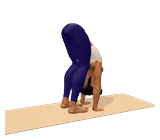
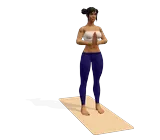
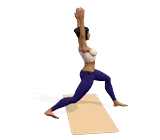
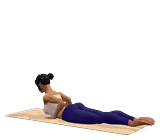
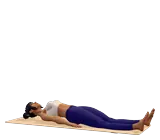
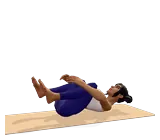
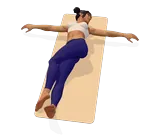
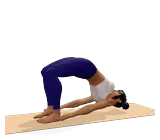
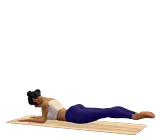
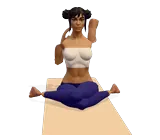
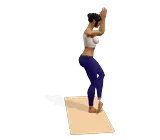
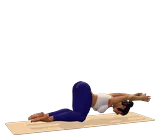
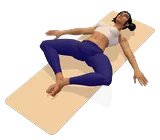
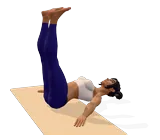
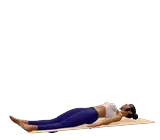
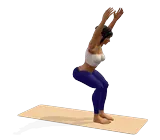
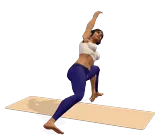
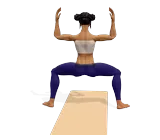
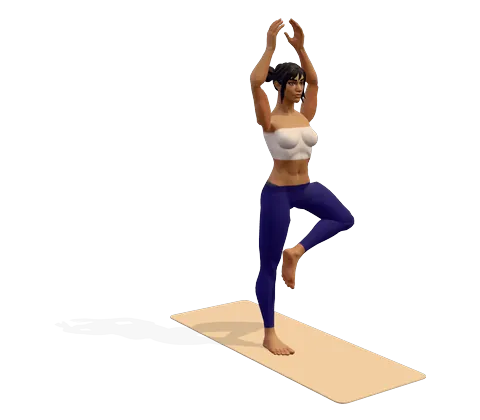
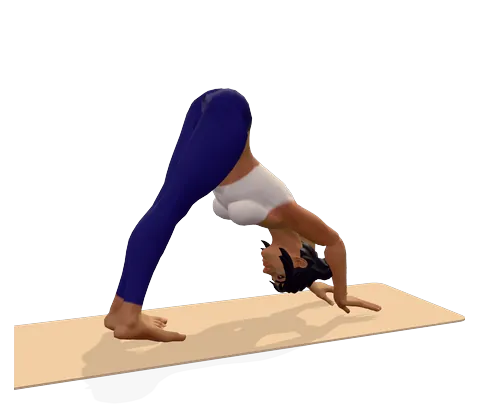
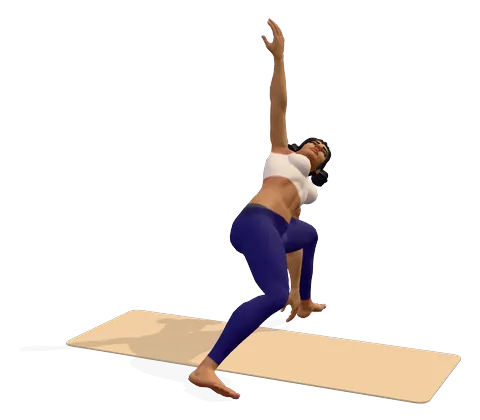
Yoga at home is easiest when someone shows you each pose and tells you what comes next. YogaMitra does both: a 3D figure on a mat moves through the pose while a calm voice gives the cues and counts your breaths, in your own language. It is free, needs no sign-up and runs in any browser, so you can start a session on your phone in the time it takes to unroll a mat.
What YogaMitra is, and what it is not
YogaMitra is a free yoga website built around a guide you can see from every side. It covers 180 poses (asanas), 22 breathing exercises, 50 hand mudras, 25 styles and 120 plans for health conditions, each with clear steps, benefits and warnings.
It is not a set of yoga videos, live classes or an app you have to download. There are no accounts, fees or certificates, and your progress is saved only in your own browser. It is also not a replacement for a qualified yoga instructor if you have an injury or a medical condition.
What is yoga? Meaning and origin
The word yoga comes from the Sanskrit root yuj, "to join" or "to yoke", so its meaning in English is usually given as "union", and the practice has its origin in ancient India. Patanjali's Yoga Sutras describe eight limbs, from ethics to meditation.
How to start yoga at home, step by step
You need less than you think: a little floor space, 15 minutes and something non-slip under your feet. This is how to learn yoga at home for free, even if you are one of the many beginners who has never tried a pose.
- Clear a space about two metres long. Room to lie down with your arms overhead is enough. A yoga mat helps, but a rug works for the first sessions.
- Pick a time you can keep. Early morning before breakfast or early evening suits most people.
- Choose your language. The voice, the captions and the pose names switch together, so you can follow the cues in Hindi, Spanish, Arabic or any of the 28 languages.
- Press play on a short session. Start with the first session on the guided sessions page. It is gentle, and every pose in it suits a new starter.
- Follow the ring, not the clock. Breathe in as the saffron ring on the mat grows and breathe out as it shrinks. If your breath gets short or strained, ease off.
- Stop at a mild stretch. You should feel muscles working or lengthening, never sharp, pinching or joint pain.
- End with rest. Lie in Corpse Pose (Savasana) for two to five minutes.
How the 3D guide and the voice work
When a pose begins, the voice names it ("Next pose: Tree Pose") and gives a few short cues while the figure moves into shape. Then it counts your breaths and flows into the next pose, so you never stop to look anything up.
- Turn the figure. Drag to walk around it and see exactly where the hips, knees and shoulders go; double-tap to reset. Flat pictures and yoga videos at home cannot show you the side you need.
- Set your pace. Choose shorter, normal or longer holds and go full screen. The screen stays awake while you practise.
- Read or listen. Captions appear with the voice. Where a device has no voice for a language, such as Sindhi, the captions carry the session.
- Build your own. The yoga sequence builder lets you line up any poses, set hold times and share the sequence as a link.
It is a web application, not a store download, so it behaves like a free yoga app for beginners on Android phones, iPhones, tablets and laptops.
What your first week of yoga at home looks like
A simple plan beats an ambitious one. Here is a gentle first week of 15–20 minutes a day, with two easy days.
| Day | What to do | Why |
|---|---|---|
| Day 1 | First session (guided) | Learn basic standing, seated and lying poses at an easy pace |
| Day 2 | Morning Wake-Up | Loosen the spine and hips after sleep |
| Day 3 | Rest, or five minutes of box breathing | Let muscles recover while you practise slow breathing |
| Day 4 | First session again | Repetition builds memory; it will already feel easier |
| Day 5 | Neck and Shoulder Release or Back Pain Relief | Undo the effects of desks and phones |
| Day 6 | Bedtime session for sleep, in the evening | Slow poses and long exhales before bed |
| Day 7 | Rest, or a 10-minute Yoga Nidra | Deep relaxation lying down |
From week two, add a round or two of Sun Salutation or try the Balance and Focus session. Many people start around International Yoga Day on 21 June, but any Monday works just as well.
Yoga for beginners: tips that make practice easier
Most people who give up do so because they push too hard in week one, not because the poses are difficult. These habits keep practice safe and pleasant; our full yoga for beginners guide goes deeper.
- Start with easy yoga poses. Mountain, Cat and Cow, Child's Pose, Bridge and Tree form the backbone of most first sessions. Filter the pose library by "Beginner" to see all yoga poses for beginners with names and steps.
- Bend your knees. In forward bends and Downward-Facing Dog, soft knees protect the lower back. Every pose page also shows easier yoga variations for beginners.
- Use props. A yoga block (or a thick book), a strap (or a belt), a firm cushion and a wall make almost every pose more accessible. You need no other equipment.
- Breathe through your nose. Slow nasal breathing keeps you calm. If you catch yourself holding your breath, the pose is too hard for today.
- Keep it short and regular. Fifteen minutes on most days does more than an hour once a week, and a short daily yoga routine soon becomes automatic.
Yoga at home for seniors, kids, women and men
The same library adapts to different people. The Gentle Yoga for Seniors session uses a chair for support, and the Yoga for Kids session uses playful animal poses. Women will find plans for period pain, PCOS and menopause, while many men start with the hip and hamstring openers.
Yoga kaise karen (in Hindi): रोज़ 15–20 मिनट का समय तय करें और खाली पेट अभ्यास करें। चटाई बिछाएँ, भाषा में हिंदी चुनें और सत्र शुरू करें — 3D आकृति हर आसन दिखाएगी और आवाज़ हिंदी में निर्देश देगी। साँस धीमी रखें और दर्द हो तो रुक जाएँ। योग के फायदे: शरीर लचीला और मज़बूत होता है, तनाव कम होता है और नींद बेहतर होती है।
Benefits of yoga (yoga ke fayde)
Why is yoga good for you? The research summarised on our benefits of yoga page points to a few consistent effects when people practise for several weeks:
- Flexibility: regular yoga poses for flexibility, such as forward bends and hip openers, gradually lengthen the hamstrings, hips and upper back.
- Strength and balance: standing poses, planks and one-legged balances build both, which matters more with age.
- Back and neck comfort: programmes for chronic low back pain are among the best-studied uses.
- Stress, mood and sleep: slow breathing and relaxation calm the nervous system, and many people report better sleep.
- Heart and metabolic health: regular practice may help lower blood pressure and blood sugar alongside medical care.
Can yoga build muscle or help with weight loss? It builds useful bodyweight strength, and faster flows raise your heart rate, but results depend on how often you practise and on food and sleep. The benefits of yoga for women and for men are largely the same; what differs is which plan a person needs.
Yoga for health: back pain, blood pressure, diabetes and more
If you have a specific problem, a condition plan is a better start than a random session. Each plan lists the poses that suit it, the breathing to add, what to avoid and how strong the research is, and comes with its own guided session.
- Yoga for back pain: gentle yoga poses for lower back pain such as Cat–Cow, Bridge and supine twists. This is one of the best-researched areas.
- Yoga for high blood pressure: slow breathing and relaxation, with no inversions or breath holds.
- Yoga for diabetes: twists, forward bends and regular movement to support blood sugar control alongside your medicine.
- Yoga for anxiety and stress: longer exhales, Child's Pose and Legs-Up-the-Wall.
- Yoga for weight loss: faster flows such as Sun Salutation turn yoga at home into a real workout when combined with diet and walking.
- Digestion and constipation: yoga poses such as Wind-Relieving Pose and gentle twists can help release gas and ease bloating.
You can see every plan, grouped by body system, on the yoga for health conditions page. Practice supports treatment; it does not replace it. Keep taking prescribed medicine and ask your doctor before you start, especially with heart disease, recent surgery or pregnancy.
Breathing, meditation and Yoga Nidra
Poses are only one of the eight limbs of yoga shown above, alongside ethics (the yamas and niyamas), breathing and meditation. Neither needs any flexibility.
The breathing widget on this page follows the same ring as the 3D guide. Box breathing, with equal counts in, hold, out and hold, is a good first pattern, and the full breathing timer offers 12 patterns. A separate meditation timer rings a singing bowl at the start and the end.
What is Yoga Nidra? It is a guided body scan done lying in Savasana, where you stay aware while your body rests deeply. Our guided Yoga Nidra comes in 10, 20 and 30-minute versions, and many people use it at bedtime.
Is yoga safe? Side effects and precautions
For most healthy people the risk is low, but it is not zero. The usual yoga side effects are sore muscles in the first week and strains from forcing a stretch. Serious injuries are rare and mostly come from advanced poses attempted too soon.
- High blood pressure, heart disease or glaucoma: the key yoga contraindications here are inversions such as Headstand and Shoulder Stand, fast breathing like Kapalbhati or Bhastrika, and breath holds.
- Pregnancy: yoga contraindications in pregnancy include deep twists, lying on your belly, strong core work and breath holds. Use the Gentle Prenatal Flow and ask your midwife or doctor first.
- Knee, back or neck injuries: use the easier variation on each pose page, add cushions and skip anything that hurts the joint.
- Epilepsy: avoid fast breathing techniques and breath holds, and practise with someone nearby.
- After surgery or during an acute illness: wait for your doctor's go-ahead before you start again.
Stop straight away if you feel chest pain, dizziness, numbness or sharp joint pain, and get medical advice.
Frequently asked questions
Is YogaMitra free to use?
Yes. Every pose, session, breathing timer and health plan is free. There is no sign-up, no subscription and nothing to download; it runs in the browser on a phone, tablet or computer.
Can I learn yoga at home as a complete beginner?
Yes. Start with the first session on the guided sessions page, which uses only easy poses, and practise three or four times a week. The 3D figure shows each pose from every side and the voice tells you when to move and breathe.
How often should I do yoga?
Three to five short sessions a week is a good target for beginners. Fifteen to twenty minutes is enough at first; as it feels easier, you can make yoga a daily practice or add longer sessions.
Can yoga help you lose weight?
It can help as part of a wider plan. Brisk flows such as Sun Salutation raise your heart rate, and regular practice may improve sleep and reduce stress eating. For weight loss you still need a healthy diet and other activity such as walking.
What is the best time to do yoga?
Early morning on an empty stomach is traditional and leaves you energised; early evening suits stretching and relaxation. Wait two to three hours after a large meal. The best time is simply the one you can keep.
Do I need a yoga mat or other equipment?
A non-slip mat helps, but a rug or carpet is fine for your first sessions. A block or thick book, a strap or belt, a firm cushion and a wall cover almost every modification.
Can yoga build muscle?
Yes, mainly endurance and bodyweight strength. Plank, Chair, Warrior and Boat pose work the legs, core, back and arms. For large muscle gains, combine these yoga exercises with resistance training.
Which languages does the voice speak?
The voice and captions work in 28 languages: English, Hindi, Bengali, Tamil, Telugu, Kannada, Malayalam, Marathi, Gujarati, Punjabi, Sindhi, Urdu, Spanish, Portuguese, French, German, Italian, Russian, Turkish, Arabic, Chinese, Japanese, Korean, Thai, Malay, Indonesian, Swahili and Afrikaans. Where a device has no voice for a language, captions guide you instead.