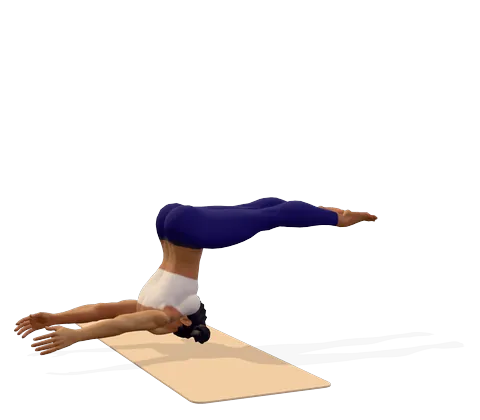
How to do Half Plow Pose step by step
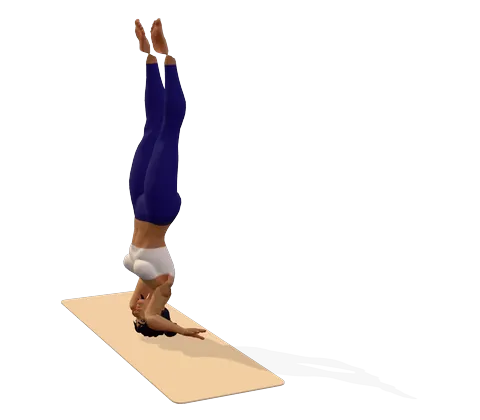
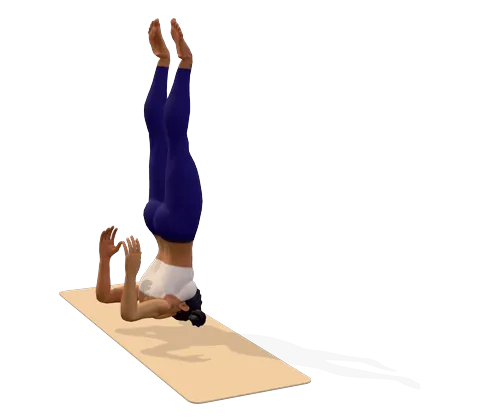
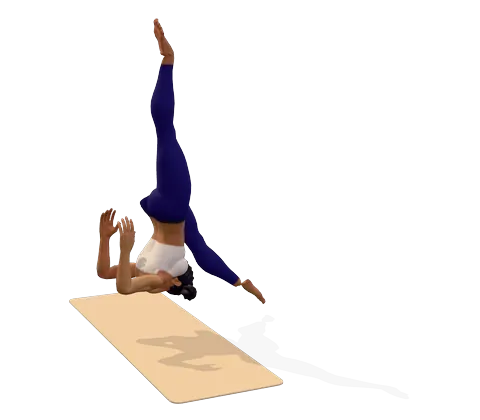
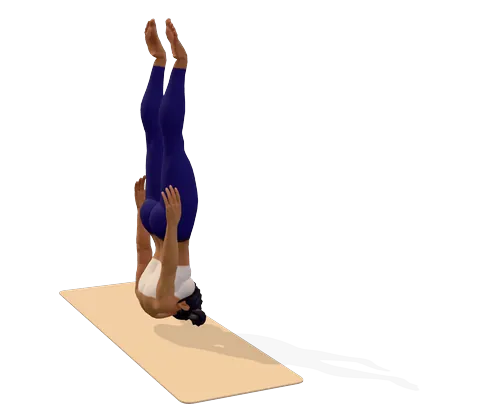
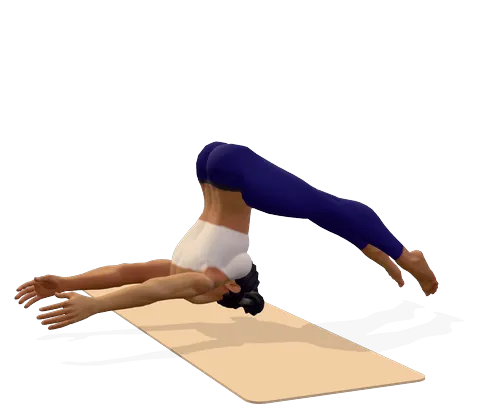
- Lie on your back on a folded blanket so your shoulders are on the blanket and your head is on the mat. Arms by your sides, palms down.
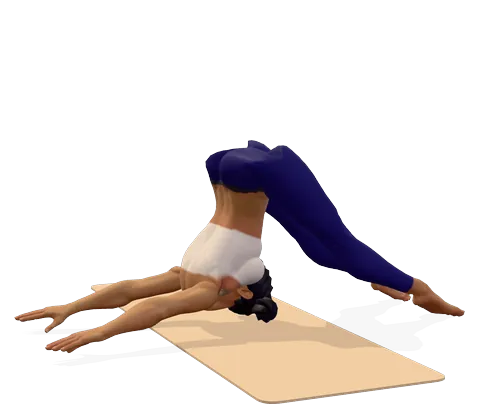
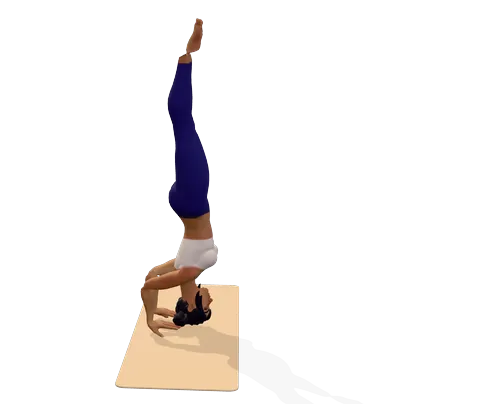
- Bend your knees, then press your palms down and swing your hips up, rolling your back off the mat until your hips are over your shoulders. Support your back with your hands if you need to.
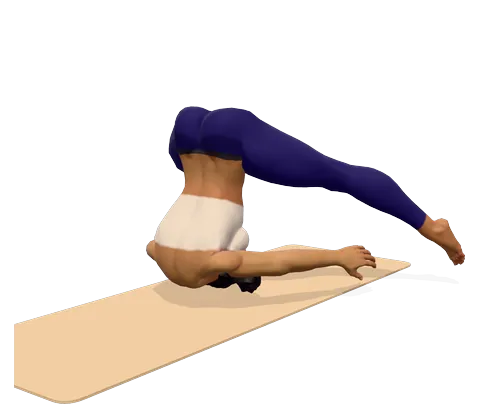
- Straighten your legs and lower them over your head until they are level with the floor, hips at a right angle.
- Stretch your arms long on the mat behind your back, or keep your hands on your back for support.
- Keep your neck still and soft, with space between your chin and chest. Breathe slowly into your belly.
- Hold for 5–6 breaths (about 30 seconds).
- To come out, bend your knees, place your hands on the mat and roll down one vertebra at a time. Rest on your back with your knees bent.
Where you feel Half Plow Pose: what it stretches and strengthens
Hold your legs level with the floor and keep your neck soft. In the 3D guide, turn on Body guide: areas that stretch glow green and areas that work glow saffron.
Stretches
- Hamstrings
- Upper back
- Neck
Strengthens
- Abs
Benefits and precautions
Benefits
- Stretches the hamstrings, the back of the spine and the upper back
- Strengthens the abdominal muscles that hold the legs level
- A gentler way to learn plow pose and shoulder stand
- Can feel calming at the end of a practice
- Mobilises the spine after long hours of sitting, for people without back or neck problems
Avoid or modify if
- Neck injury, cervical spondylosis, disc problems or osteoporosis — skip it or ask a physiotherapist first
- High blood pressure, heart disease, glaucoma or a detached retina
- Pregnancy, a migraine attack, or a cold or sinus infection
- Acute back pain, a slipped disc or sciatica that worsens when you bend forward
- On a full stomach; many people choose to skip inversions during their period
Half plow pose (Ardha Halasana) is a supported inversion where your hips rise over your shoulders and your legs stretch out level with the floor, halfway between shoulder stand and full plow. Because your feet do not have to reach the floor behind your head, it is kinder to tight hamstrings and a stiff upper back. It is a good step towards plow pose, but it still loads the neck, so read the precautions before you try it.
What is Ardha Halasana? Meaning of the name
The Sanskrit name has three parts: ardha means "half", hala means "plough" and asana means "pose". The plough is the traditional Indian farm tool, and in full plow your body takes its shape. Like half lotus, half bow, half frog or half moon pose (Ardha Chandrasana) in yoga, the word ardha marks a partial or easier version. In Hindi it is अर्ध हलासन.
So what is plow pose? It is a shoulder-supported inversion in which the legs pass over the head until the toes touch the floor. Ardha Halasana, the half plough pose, stops with the legs horizontal.
Two meanings. In many Indian school and Common Yoga Protocol sessions, "Ardha Halasana" means something different: you lie flat on your back and raise both straight legs to 30, 60 and then 90 degrees, without lifting the hips. That leg-raise version is close to upward extended feet pose and is a good first step if the inverted half plow is too much for you.
Ardha Halasana procedure: how to do it well
The steps above give the full Ardha Halasana procedure. These are the teacher’s points (and how to cue plow pose to a friend):
- Blanket under the shoulders. A firm folded blanket under the shoulders, with the head on the mat, keeps the natural curve of the neck.
- Never turn your head. Once your hips are up, keep looking straight up at your knees. Turning the head with weight on the neck can injure it.
- Hips over shoulders. If your hips sag towards your face, your neck takes more load. Support the back with your hands and walk them closer to your shoulder blades.
- Legs level, not low. Hold the legs parallel to the floor with the thighs firm. If they drop, you have moved into full plow.
- Soft face, slow breath. The belly is folded, so the breath is shallow. Keep it slow and even.
How long to hold and how often
Hold for 20–30 seconds at first, then build to a minute over a few weeks. Do it near the end of your practice, after a warm-up and before relaxation, two to four times a week. Morning or evening both work; just keep two to three hours after a meal.
Half plow pose benefits
The main half plow pose benefits are a stretch for the hamstrings and the whole back of the spine, and work for the abdominal muscles that keep the legs level. Plow pose benefits described in yoga books also include a calming effect and a gentle squeeze on the belly; these are traditional claims with little research behind them. Is it a yoga pose for back pain? Not for acute pain. People with a stiff but healthy back may enjoy the stretch, but yoga poses for low back pain should start lying down with the spine supported. Gentler yoga postures for lower back pain include knees-to-chest, pigeon pose for lower back pain linked to tight hips, and Ardha Matsyendrasana for beginners with the lower leg straight.
Muscles stretched and strengthened
| Stretches | Strengthens |
|---|---|
| Hamstrings and calves | Abdominal muscles |
| Upper back and the muscles along the spine | Hip flexors (holding the legs level) |
| Back of the neck | Back of the shoulders and arms (pressing into the mat) |
Press the Body guide button on the 3D figure to see the hamstrings, upper back and neck glow green and the abdominals glow saffron.
Half plow vs plow pose
In Halasana the toes rest on the floor behind your head, so the hamstrings and neck stretch much more. In Ardha Halasana the legs stay level, so the stretch is gentler and the abdominals work harder. If you are learning how to do Halasana step by step, practise half plow first, then lower your feet onto a chair, and only then to the floor. If you wonder how to do plow pose safely, this is the route most teachers use. The benefits of Halasana yoga practice are similar to half plow but deeper, and so are the risks for the neck.
Half plow pose for beginners and variations
In a yoga class, half plow pose is often taught before full plow, and it has easy options:
- Half plow with a chair: place a chair behind your head and rest your thighs or shins on the seat. The legs are supported and you can relax into the stretch.
- Bent-knee half plow: bend the knees towards your forehead to ease tight hamstrings.
- Legs up the wall: if any inversion feels like too much, legs-up-the-wall pose gives a restful alternative.
Ardha Halasana precautions: is plow pose dangerous?
Is plow pose dangerous? It can be if you have a neck problem, force the legs down, or turn your head. Half plow reduces the risk but does not remove it, because the weight is still on the shoulders and upper neck. Follow the caution box above, stop if you feel pressure in the head, eyes or neck, and see a physiotherapist before practising after a neck or back injury. For gentler yoga poses for back pain relief, try the yoga for back pain plan; for the neck, see yoga for neck pain.
Good follow-up poses are fish pose for the front of the neck and chest, and a few breaths lying flat. You can add half plow to your own sequence on the practice page.
अर्ध हलासन (Ardha Halasana) — हिंदी में: पीठ के बल लेटें, हथेलियाँ ज़मीन पर रखें। कूल्हों को कंधों के ऊपर उठाएँ और सीधे पैरों को सिर के ऊपर ले जाकर ज़मीन के समानांतर रोकें। 20–30 सेकंड रुकें, फिर धीरे-धीरे रीढ़ को नीचे लाएँ। अर्ध हलासन के फायदे: जांघों के पीछे और पीठ में खिंचाव आता है और पेट की मांसपेशियाँ मज़बूत होती हैं। गर्दन की समस्या, हाई ब्लड प्रेशर या गर्भावस्था में यह आसन न करें।
Frequently asked questions
What are the benefits of Ardha Halasana?
It stretches the hamstrings and the back of the spine, strengthens the abdominal muscles and is a gentler way to prepare for plow pose and shoulder stand. Many people find it calming at the end of a practice.
What is the difference between half plow and plow pose?
In half plow your legs stay level with the floor; in plow pose your toes touch the floor behind your head, which gives a much deeper stretch to the hamstrings and neck.
How long should I hold half plow pose?
Start with 20–30 seconds and build slowly to about a minute. Always come down slowly, one vertebra at a time.
Is half plow pose safe for beginners?
For healthy beginners, yes, with a folded blanket under the shoulders and without turning the head. Skip it with a neck problem, high blood pressure, glaucoma or during pregnancy.
Is Ardha Halasana the same as raising the legs to 90 degrees?
Some Indian programmes use the name Ardha Halasana for a lying leg raise to 90 degrees with the hips on the floor. The version shown here lifts the hips over the shoulders with the legs level, halfway to full plow.
What are Halasana benefits in Hindi?
हलासन के फायदे: रीढ़ और जांघों के पीछे खिंचाव, पेट की मांसपेशियाँ मज़बूत, और मन शांत होता है। Ardha Halasana ke fayde are similar but gentler.
This page is for general education. Check with your doctor before starting yoga if you are pregnant, have a medical condition or an injury. Stop if you feel pain, dizziness or shortness of breath.