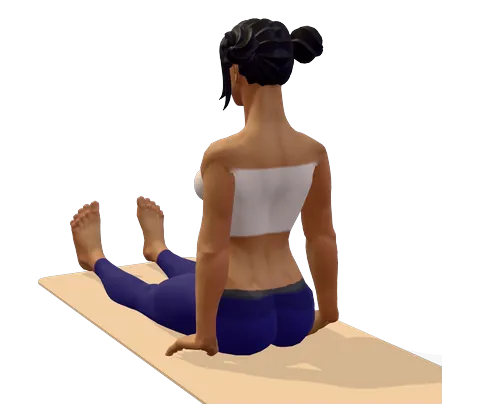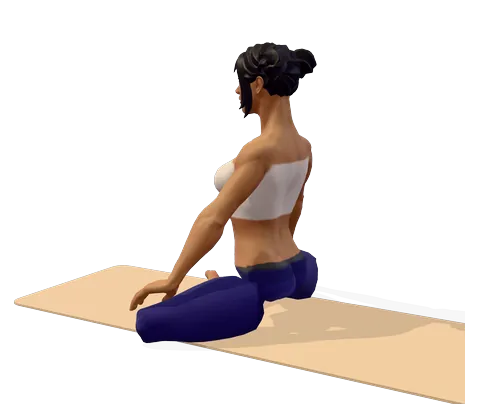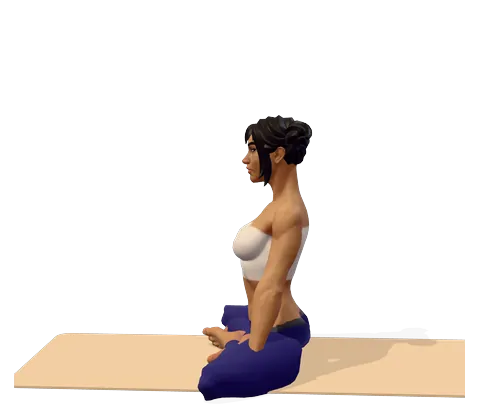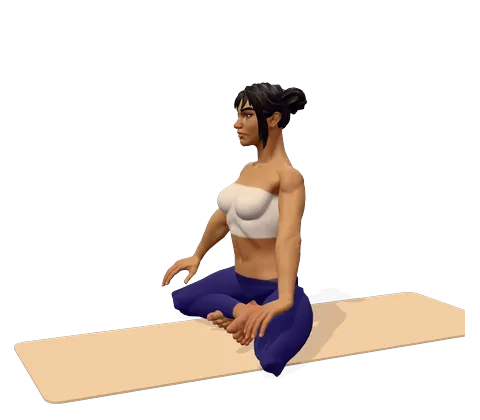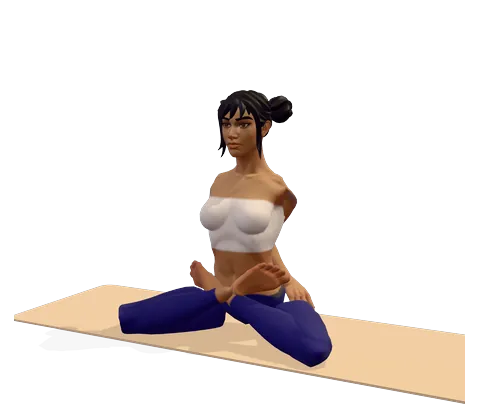
How to do Bound Lotus Pose step by step
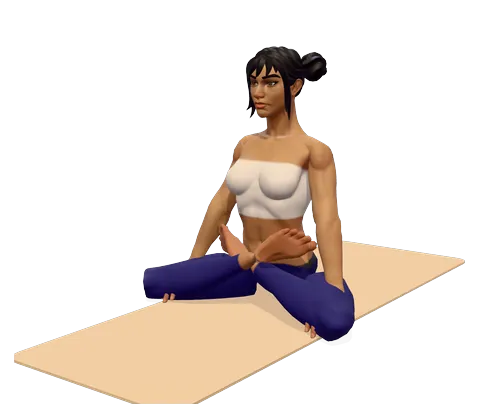
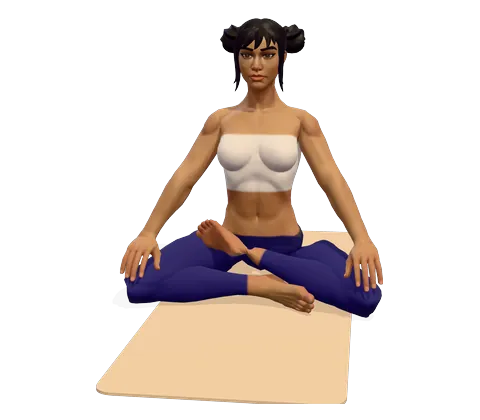
- Warm up your hips first. Sit on the front edge of a folded blanket and come into full lotus: right foot high on the left thigh, then left foot high on the right thigh, heels close to the belly.
- Sit tall. Check that your knees feel only stretch, never pain. If they hurt, stop here and use an easier version.
- Breathe out and swing your left arm behind your back. Reach the left hand around toward the right hip and take hold of the left big toe or foot.
- Breathe out again and swing your right arm behind your back, over the left forearm, and take hold of the right big toe or foot.
- Lift your chest, draw your shoulder blades toward each other and keep your neck long. Look straight ahead.
- Hold for 15–30 seconds (3–6 breaths), breathing smoothly.
- Release the right hand, then the left, and carefully unfold the legs one at a time. Shake them out, then repeat with the legs and arms crossed the other way.
Where you feel Bound Lotus Pose: what it stretches and strengthens
Reach behind to hold your feet and lift your chest. In the 3D guide, turn on Body guide: areas that stretch glow green and areas that work glow saffron.
Stretches
- Shoulders
- Chest
- Knees
Strengthens
- Spine
Benefits and precautions
Benefits
- Opens the chest and the fronts of the shoulders strongly
- Encourages an upright spine and works the back muscles that hold it
- Deepens the hip opening and knee flexion of full lotus
- Stretches the ankles and the tops of the feet
- A steady, closed shape traditionally used to calm the mind before meditation
Avoid or modify if
- Beginners and anyone who cannot hold full lotus comfortably for a minute — practise the half bound or strap versions instead
- Knee pain, meniscus or ligament injury, or knee replacement — do not attempt lotus-based poses
- Hip or ankle injury — the lotus legs rotate both joints strongly
- Shoulder injury or frozen shoulder — the arm bind can strain the shoulder joint
- Pregnancy — joints are looser, so avoid deep lotus binds; choose a supported seated pose
Bound lotus pose (Baddha Padmasana) is full lotus with both arms wrapped behind the back, each hand holding the foot of the same side. It opens the chest and shoulders, keeps the spine upright and deepens the hip and knee flexibility of lotus. It is an advanced pose (level 4): the knees are the weak point, so this guide starts with prerequisites, then the steps, benefits, easier half bound versions and clear contraindications.
What is bound lotus pose? Meaning and significance
What is lotus pose? In Padmasana, each foot rests on the opposite thigh, soles facing up. The lotus pose in Sanskrit is padma ("lotus") + asana ("pose"): the crossed legs are said to look like a lotus flower, and the lotus flower yoga pose symbolises staying calm and clean while growing out of mud. That is part of Padmasana and its significance in Indian tradition.
Baddha means "bound" or "locked", so Baddha Padmasana is the "bound lotus" or "locked lotus". The arms bind the body into a closed circuit. Bound lotus pose in yoga is an old shape: it appears in classical Hatha texts and in the Ashtanga finishing sequence, where it is followed by a forward fold called Yoga Mudra (see Yoga Mudrasana).
Prerequisites: are you ready?
Only attempt bound lotus if you can sit in full lotus, on both sides, for at least a minute without any knee pain. If the lotus position in yoga is still hard for you, the bind will only add pressure to the knees.
- Hips first: the rotation for lotus must come from the hips, not the knees. Practise bound angle pose, fire log pose and half lotus pose for weeks or months first.
- Shoulders: you should be able to clasp your elbows behind your back, or do the arms of cow face pose comfortably.
- Warm body: never try it cold. Do it at the end of a practice.
How to do Baddha Padmasana (Baddha Padmasana kaise kare)
First, how to sit in Padmasana safely
How to do Padmasana: sit on a folded blanket so your hips are higher than your knees. Sitting on firm pads, such as one or two folded blankets, stops the lower back from rounding, which gives some relief if long sitting brings on back pain. Bend the right knee and, holding the shin (not the foot), lift the whole leg from the hip so the foot lands high in the left hip crease. Keep the foot flexed so the ankle does not collapse. Repeat with the left leg. The heels should be close to the belly — this is what lets the toes peek out beside the hips, where your hands can reach them.
Adding the bind
- Top foot first. Bind the foot that is on top first — it sticks out further and is easier to reach.
- Exhale to reach. Emptying the lungs makes the chest smaller and the reach longer.
- Chest up. Once you have both toes, lift the breastbone. Slumping forward makes the bind harder on the shoulders.
- Use a strap. If one hand cannot reach, loop a strap around the foot and hold the strap.
Bound lotus pose benefits
The benefits of lotus pose — a steady, upright seat for meditation and pranayama — are all here, with extra work for the upper body. In other words, you get the usual lotus pose yoga benefits plus a shoulder opener. The main Baddha Padmasana benefits are a strong opening of the chest and shoulders, better posture from the upright spine, and deeper hip and ankle flexibility. Full lotus pose benefits are mostly traditional: a stable base that keeps the spine tall and the mind alert. The benefits of sitting in lotus position come from the upright spine and stillness, not from any special effect on organs.
What about back pain? For some people with a stiff upper back the chest opening feels good, but there is no evidence linking lotus, the spine and pain relief. Better poses for yoga for back pain are gentle and simple — see yoga for back pain and yoga for posture.
Muscles stretched and worked
| Stretches | Works |
|---|---|
| Chest (pectorals) and fronts of the shoulders | Muscles along the spine (erector spinae) |
| Knees and ankles (deep flexion, rotation from the hips) | Muscles between the shoulder blades |
| Outer hips and deep hip rotators |
Half bound lotus and easier variations
Good modifications for yoga poses like this let you get the chest opening without the knee risk:
- Seated half bound lotus pose (Ardha Baddha Padmasana): one foot in half lotus, the other leg crossed under; bind only the hand on the lotus side and rest the other hand on the knee.
- Strap bind: full or half lotus with a strap around the feet.
- Arms only: sit cross-legged in easy pose and hold the elbows behind your back.
- Standing half bound lotus pose: one foot in half lotus against the standing thigh, as in the half bound lotus tree pose and half bound lotus forward bend. A standing half lotus pose adds balance.
- Sage twists: the sage half bound lotus pose, Marichyasana B and D, combines half lotus with a bind.
- Other half lotus shapes: Ardha Baddha Padma Paschimottanasana (a seated fold), the half bound lotus boat pose and a reclined bound lotus pose are advanced relatives — learn the seated version first.
A half lotus pose in yoga practice is the best bridge to the full pose for beginners.
Is lotus pose bad for you? Contraindications
Lotus is not bad for everyone, but it is one of the poses most often linked to knee injuries in yoga, usually when people force the feet up without enough hip rotation. The knee is a hinge: if the hips cannot turn out, the knee twists instead. Avoid Baddha Padmasana with any knee, hip, ankle or shoulder injury, after a knee replacement, and in pregnancy. Stop at once if you feel sharp pain, a pinch on the inside of the knee or tingling in the feet. Come out slowly; releasing lotus quickly can also strain the knee.
Related poses and their benefits
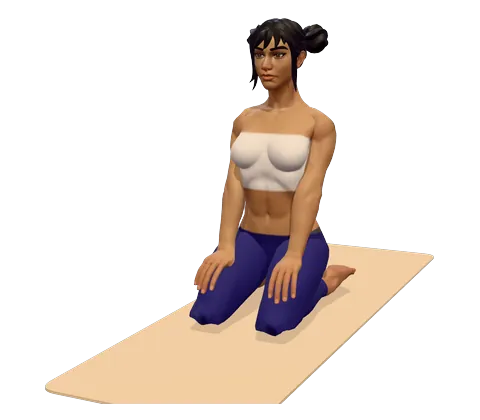
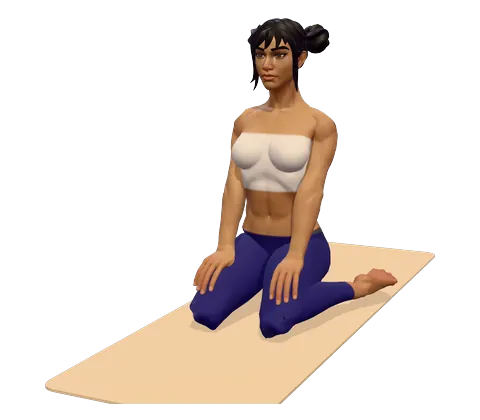
Afterward, rest the legs in legs up the wall pose — its benefits include calm and relief for tired legs — or lie in reclining bound angle; Supta Baddha Konasana benefits include a gentle, passive hip opening. The benefits of thunderbolt pose (Vajrasana) make it a knee-friendlier seat for meditation. Compare yoga poses and benefits across the full list on our poses page, from Vrikshasana (tree pose) benefits for balance and bow pose benefits for the back, to the benefits of Padangusthasana for the hamstrings.
बद्ध पद्मासन (Baddha Padmasana in Hindi) — हिंदी में: पहले पद्मासन में बैठें: दायाँ पैर बाईं जाँघ पर और बायाँ पैर दाईं जाँघ पर। साँस छोड़ते हुए बायाँ हाथ पीठ के पीछे से ले जाकर बाएँ पैर का अंगूठा पकड़ें, फिर दाएँ हाथ से दाएँ पैर का अंगूठा पकड़ें। छाती ऊपर उठाएँ और 15–30 सेकंड रुकें। पद्मासन के फायदे (padmasana benefits in Hindi): रीढ़ सीधी रहती है, छाती और कंधे खुलते हैं और मन शांत होता है। घुटने, कूल्हे या कंधे में चोट हो तो यह आसन न करें।
Frequently asked questions
What are the benefits of Baddha Padmasana?
It strongly opens the chest and shoulders, keeps the spine upright, deepens hip and ankle flexibility and gives a steady, closed seat that is traditionally used to calm the mind.
Is bound lotus pose safe for beginners?
No. It is an advanced pose. Beginners should first learn half lotus and full lotus without knee pain, and practise the half bound or strap versions.
I cannot reach my foot. What should I do?
Loop a strap around the foot and hold the strap, bind only one side (half bound lotus), or practise the arms while sitting cross-legged. Never twist the knee to bring the foot closer.
Is lotus pose bad for your knees?
It can be if you force it. The rotation must come from the hips. If you feel pain inside or outside the knee, stop and choose an easier seat such as easy pose or Vajrasana.
How long should I hold bound lotus?
Start with 15–30 seconds (3–6 breaths) on each side and build up slowly. Always change the crossing of the legs and arms to keep both sides even.
What is the difference between Padmasana and Baddha Padmasana?
Padmasana is the lotus seat with the hands resting on the knees. In Baddha Padmasana the arms cross behind the back and each hand holds the foot of the same side, which adds a strong chest and shoulder opening.
This page is for general education. Check with your doctor before starting yoga if you are pregnant, have a medical condition or an injury. Stop if you feel pain, dizziness or shortness of breath.