Your diabetes yoga plan
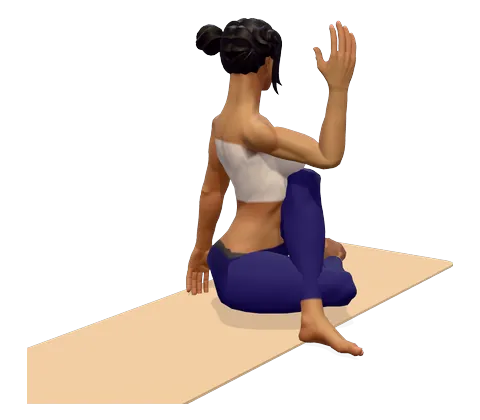 Half Lord of the Fishes PoseArdha Matsyendrasana
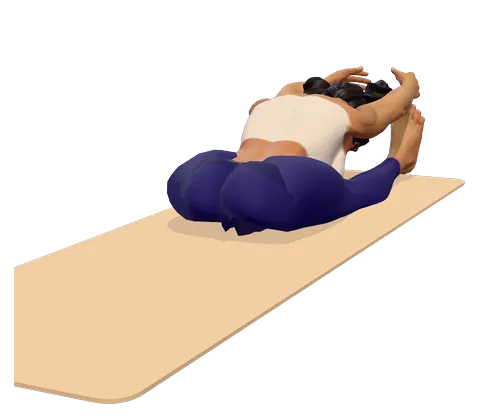 Seated Forward BendPaschimottanasana
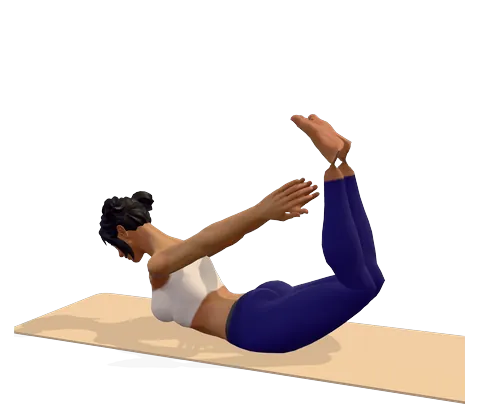 Bow PoseDhanurasana
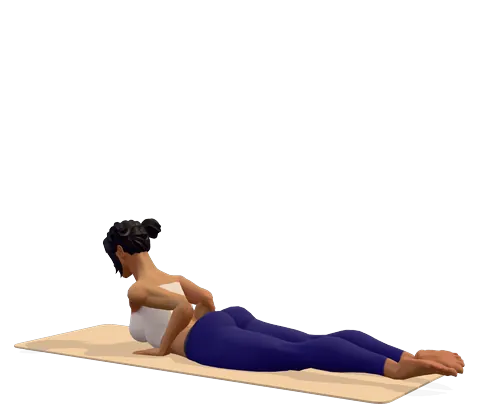 Cobra PoseBhujangasana
 Thunderbolt PoseVajrasana
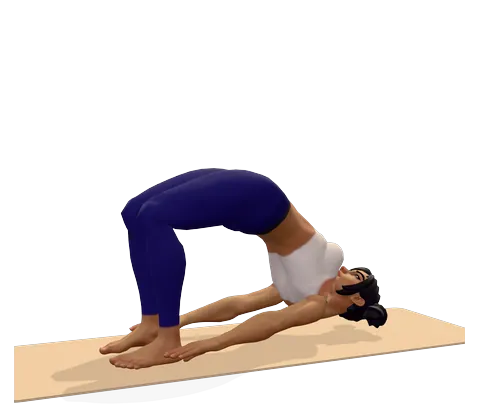 Bridge PoseSetu Bandhasana
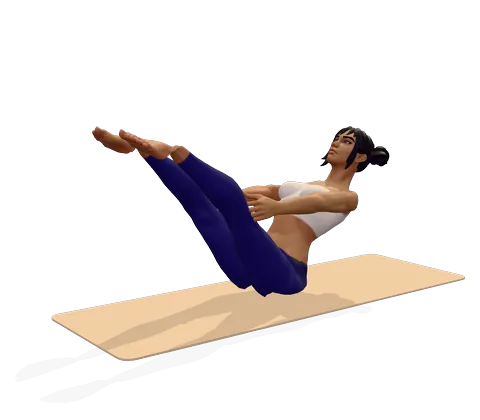 Boat PoseNaukasana
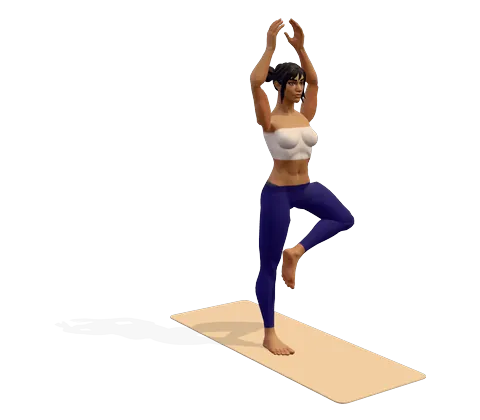 Tree PoseVrikshasana
More poses that help with diabetes
Add these once the session above feels easy, or swap one in when a pose does not suit you.
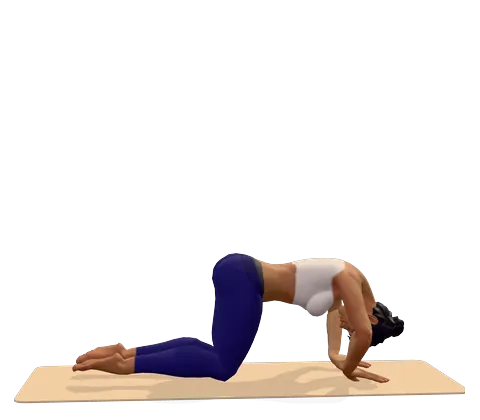 Cat PoseMarjaryasana
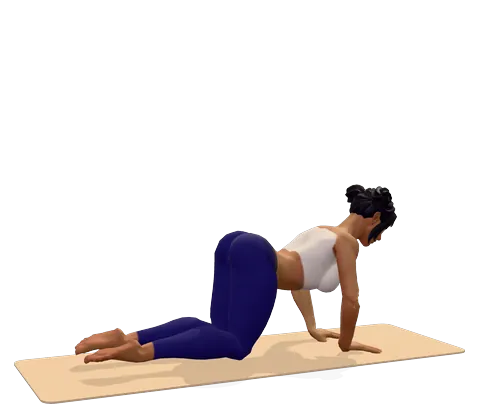 Cow PoseBitilasana
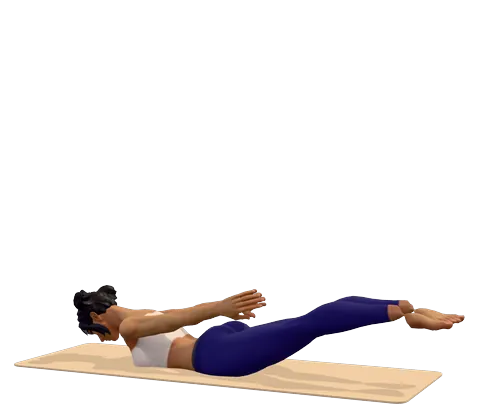 Locust PoseSalabhasana
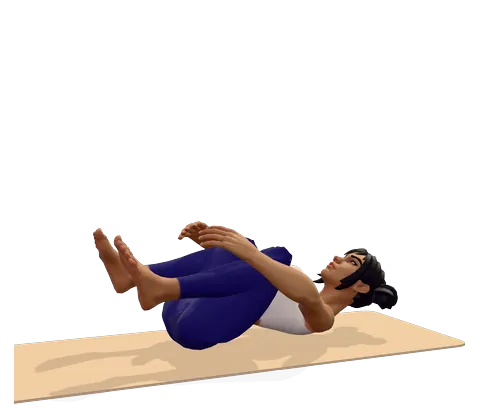 Wind-Relieving PosePavanamuktasana
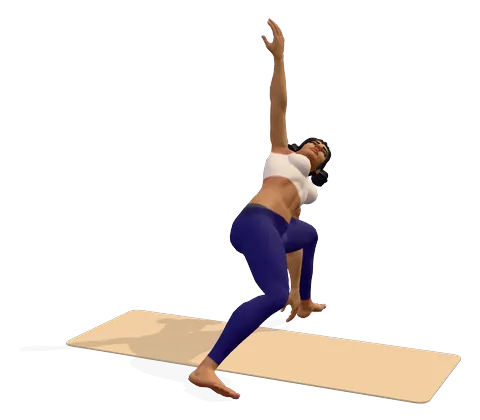 Triangle PoseTrikonasana
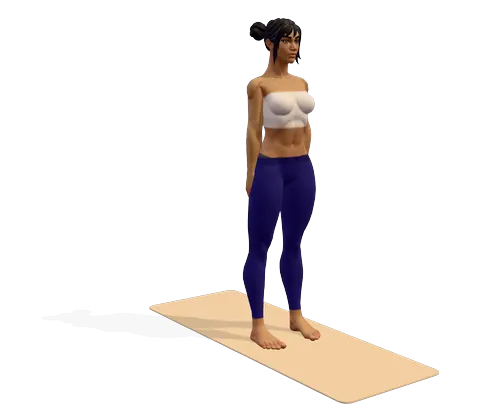 Mountain PoseTadasana
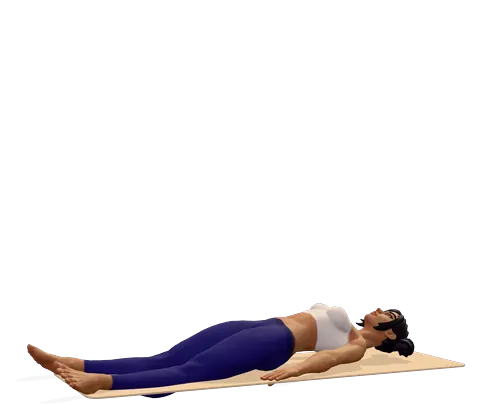 Corpse PoseSavasana
Mudras for diabetes
Hold a mudra while you sit for the breathing practice or a few minutes of quiet. Mudras are a traditional practice; research on them is limited.
Breathing practice
Avoid
Practising on an empty stomach if you take insulin or sulfonylureas; keep a sugar source nearby.
Strong evidence: Meta-analyses of randomised trials show a benefit.
Yoga for diabetes is one of the best-studied uses of yoga therapy. Several meta-analyses show that regular practice can lower fasting blood sugar and HbA1c in adults with type 2 diabetes, on top of usual treatment. As a yoga treatment for diabetes mellitus it is not a cure and it does not replace your medicine, but it is a practical, low-cost way to move more, manage stress and support diabetes control at home.
How does yoga help with diabetes?
In type 2 diabetes the body does not respond well to insulin, so glucose stays in the blood. Yoga may help in several plain, physical ways:
- Working muscles use glucose. Standing poses, Bridge and Boat make large muscles contract, and active muscle takes sugar out of the blood. Regular activity also makes your cells more sensitive to insulin.
- Less stress, fewer sugar spikes. Stress hormones such as cortisol raise blood sugar. Slow breathing and relaxation calm the stress response.
- Weight and waist. Regular practice supports weight control, and belly fat is closely linked to insulin resistance.
- Better sleep and habits. Many people sleep better and find it easier to stick to healthy eating when they practise regularly.
You may read that twists and forward bends "massage the pancreas". That is a traditional idea, not a proven mechanism. The benefits seen in trials are best explained by muscle activity, stress reduction and lifestyle change. That is also why yoga can help reduce blood sugar levels only while you keep practising.
Is yoga good for type 2 diabetes? What the research says
The evidence is strong for type 2 diabetes, although the individual trials vary in quality:
- A 2017 meta-analysis of 12 randomised trials (864 patients) found yoga lowered fasting blood glucose by about 24 mg/dL and HbA1c by about 0.5 percentage points compared with controls.
- A larger 2017 review of 23 studies (2,473 people) found improvements in HbA1c, fasting and after-meal glucose, and also in cholesterol, blood pressure and body mass index.
- A 2018 review comparing yoga with other physical exercise found yoga did at least as well for glucose control.
- In prediabetes, a 2019 review of 14 studies suggested yoga may help prevent progression to type 2 diabetes.
The American Diabetes Association says yoga may improve glycaemic control, lipids and body composition in type 2 diabetes, and that it can be included for flexibility, strength and balance. So, does yoga help with blood sugar? Yes: the benefits of yoga for diabetes are real but modest, and they come when you practise several times a week for months, not days.
Yoga poses for diabetes type 2, one by one
These eight yoga asanas for diabetes are in the guided session. Together they make simple yoga for diabetes patients at home: diabetic patients who are new to exercise can start with the seated and lying poses and add the others later. Each posture has a reason and an easier version.
1. Half Lord of the Fishes: gentle twist
Ardha Matsyendrasana twists the spine and works the waist muscles. Sit on a cushion, keep the lower leg straight if bending both knees is hard, and twist from the belly, not the neck. Seated in a chair, turn gently while holding the backrest.
2. Seated Forward Bend: calm the nervous system
Paschimottanasana is quietening, which helps with stress-related sugar rises. Bend your knees and loop a strap around your feet. Keep your back long rather than pulling your head to your knees.
3. Bow Pose: strong back and legs
Dhanurasana is the most demanding pose here. It works the back, glutes and thighs. Beginners can lift one leg at a time, or replace it with Locust. Skip it if you have back problems, a hernia or high blood pressure that is not controlled.
4. Cobra Pose: gentle backbend
Bhujangasana strengthens the back and opens the chest. Keep your elbows bent and lift only as high as feels easy.
5. Thunderbolt Pose: after meals
Vajrasana is the one pose traditionally done straight after a meal. Sit on a folded blanket, or put a cushion between your heels and hips if your knees complain. If you have numb feet from neuropathy, check your feet afterwards for red marks.
6. Bridge Pose: large muscles at work
Setu Bandhasana uses the glutes and thighs, some of the biggest glucose users in the body. Lift and lower slowly several times.
7. Boat Pose: core strength
Naukasana builds the abdominal muscles. Keep your knees bent and hold the backs of your thighs. Breathe normally; never hold your breath to stay up.
8. Tree Pose: balance
Vrikshasana trains balance, which matters because diabetic neuropathy raises the risk of falls. Stand beside a wall and rest your foot on your ankle or calf, never on the knee.
Pranayama for diabetes
Anulom Vilom and Bhramari (humming bee breath) are calming and suit almost everyone. Kapalbhati is traditionally used in diabetes programmes, but it is a forceful practice. Skip it if you have high blood pressure, heart disease, diabetic eye disease (retinopathy), a hernia, recent surgery, epilepsy, or if you are pregnant. If you have both diabetes and hypertension, stick to the slow breaths.
Safety first: avoid low blood sugar
If you take insulin or a sulfonylurea (such as gliclazide, glimepiride or glibenclamide), yoga can drop your blood sugar too low. Check your sugar before you practise if you can, do not practise on an empty stomach, and keep glucose tablets, juice or sweets beside your mat. Stop at once if you feel shaky, sweaty, hungry, confused or unusually tired, and treat the low as your diabetes team has taught you. Your sugar can also fall later in the day, so check again if you practised longer than usual.
Also talk to your doctor first if you have diabetic eye disease: the American Diabetes Association advises people with advanced retinopathy to avoid head-down positions, straining and breath holding. With neuropathy, practise on a non-slip mat and look at your feet each day. With heart disease, get your cardiologist's advice before starting.
A sample weekly yoga routine for diabetes
| Day | Practice | Time |
|---|---|---|
| Monday | Guided diabetes session, then Anulom Vilom | 15 min |
| Tuesday | Brisk walk after dinner, 5 minutes of Vajrasana | 30 min |
| Wednesday | Guided session plus Surya Namaskar (3 to 6 slow rounds) | 20 min |
| Thursday | Walk after meals, Bhramari before bed | 30 min |
| Friday | Guided session, then Anulom Vilom | 15 min |
| Saturday | Longer practice: guided session plus the After-Meal Digestion session on Guided Yoga Sessions | 25 min |
| Sunday | Rest or a relaxed walk | — |
The benefits in trials came after at least eight weeks of regular practice, so build up slowly and keep going. A short walk after meals adds to the effect and is one of the simplest ways of managing sugar levels with exercise.
Yoga for type 1 diabetes, seniors, pregnancy and other conditions
Type 1 diabetes: yoga is safe and useful for fitness and stress, but the research on sugar control is mostly in type 2. Low sugar during exercise is more common in type 1, so always check your glucose before you start.
Old age: yoga for diabetes in old age should put safety first. A seated yoga practice suits many older adults with type 2 diabetes: do the twist, forward bend and Tree Pose in or beside a chair. Our yoga for seniors guide and chair yoga page show how.
Diabetes in pregnancy: gentle prenatal yoga can be part of managing gestational diabetes, but skip Bow, Cobra, Boat, deep twists and Kapalbhati. See prenatal yoga and ask your obstetric team.
Blood pressure, cholesterol and weight: diabetes rarely comes alone. Trials show yoga for diabetes may also improve cholesterol and blood pressure, and yoga treatment for diabetes and hypertension often uses the same calm breathing. Yoga for diabetes and weight loss works best with diet changes, which also help with obesity. With heart disease, ask your cardiologist before any yoga treatment for diabetes. If thyroid problems or back pain add to diabetes, the gentle poses in this plan still suit most people; see our yoga for thyroid page. If you have high blood pressure, follow our yoga for high blood pressure plan; for obesity, see yoga for weight loss.
How to control sugar naturally: where yoga fits
If you want to know how to control sugar levels naturally, yoga is one piece of the answer. The best way to control sugar levels combines it with other natural ways: control your sugar intake by cutting refined carbs and sugary drinks, eat more fibre and vegetables, walk daily, sleep enough and take your prescribed medicine. You can control sugar naturally with exercise, but not with supplements alone. Be careful with any home remedy or Ayurvedic medicine for sugar control; some can interact with diabetes drugs, so ask your doctor first.
Can type 2 diabetes be reversed with yoga? Be wary of yoga for diabetes reversal claims: no trial shows that yoga alone reverses it. Remission, where it happens, is mainly linked to substantial weight loss under medical care. And there is no way to control sugar immediately with yoga: if your sugar is very high and you feel unwell, very thirsty, confused or are vomiting, get medical help.
Sugar ke liye yoga: yoga asanas for diabetes control in Hindi
डायबिटीज़ (शुगर) के लिए योग — हिंदी में नियमित योग से टाइप 2 डायबिटीज़ में फास्टिंग शुगर और HbA1c थोड़ा कम हो सकता है। अर्ध मत्स्येन्द्रासन, भुजंगासन, सेतु बंधासन, वज्रासन और वृक्षासन से शुरू करें, और अनुलोम विलोम व भ्रामरी करें। अगर आप इंसुलिन या शुगर की गोलियाँ लेते हैं, तो खाली पेट योग न करें और पास में कुछ मीठा रखें। अपनी दवा बंद न करें।
Start your guided session
Scroll up to the guided 3D session. The figure shows each pose, a voice guides you in your language, and you can choose shorter holds on tired days. Practise at the same time each day so your sugar readings are easier to compare.
Research behind this plan
- Cui 2017, J Diabetes Investig — meta-analysis of 12 RCTs (864 patients): yoga lowered fasting glucose and HbA1c in type 2 diabetes
- Thind 2017, Prev Med — 23 studies (2,473 people): yoga improved HbA1c, fasting and after-meal glucose, lipids and blood pressure
- Jayawardena 2018, Diabetes Metab Syndr — yoga compared favourably with other physical exercise for glycaemic control
- Ramamoorthi 2019, PLOS ONE — yoga in prediabetes: improvements in glucose and lipids in 14 studies
- Colberg 2016, Diabetes Care — ADA position statement: yoga may improve glycaemic control; hypoglycaemia and retinopathy precautions
Frequently asked questions
Is yoga good for diabetes?
Yes. Meta-analyses show that regular yoga can lower fasting blood sugar and HbA1c in type 2 diabetes when added to usual care. It works best alongside diet, walking and your medicine.
Which yoga is best for diabetes?
A gentle hatha practice with standing poses, twists, backbends, balance and slow breathing, like the plan on this page. The best yoga for diabetes is the one you can do several times a week.
Can yoga lower blood sugar?
Yes, over time. Trials found lower fasting and after-meal glucose after weeks to months of regular practice. A single session may also lower sugar for a while, which is why people on insulin or sulfonylureas need to watch for lows.
Can hot yoga raise your blood sugar?
Heat and dehydration can make blood sugar harder to predict, and heat can speed up insulin absorption, raising the risk of a low. If you try hot yoga, drink water and check your sugar more often.
Can I do yoga for diabetes type 2 at home?
Yes. The guided session on this page shows the steps of each pose and needs only a mat and a chair. Keep a sugar source and your meter nearby.
What time of day should I do yoga for diabetes?
Any time you can keep up. Many people like the morning, after a light snack if they take insulin. Vajrasana and a short walk after meals help with after-meal sugar.
Does yoga for diabetes have side effects?
Diabetes yoga exercises are safe for most people. The main risks are low blood sugar if you take insulin or sulfonylureas, strain from forcing hard poses, and eye or foot problems if you have complications. Yoga does not treat the symptoms of high sugar such as thirst or tiredness; see your doctor about those.
Should I stop my diabetes medicine if I do yoga?
No. Never stop or change your medicine on your own. If your readings improve, your doctor may adjust your dose.
Medical note: yoga supports treatment; it does not replace it. Keep taking prescribed medicine and talk to your doctor before you start, especially with heart disease, uncontrolled blood pressure, recent surgery, pregnancy, epilepsy or severe pain. Read our medical disclaimer.