Your pcos and pcod yoga plan
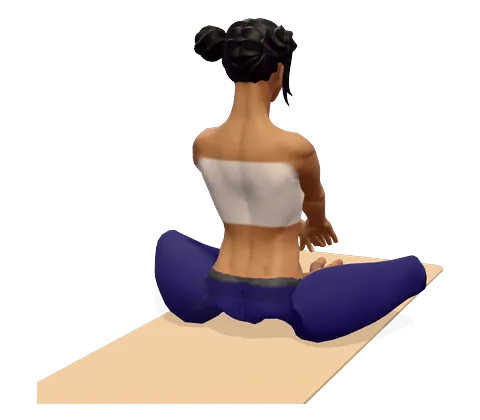 Bound Angle PoseBaddha Konasana
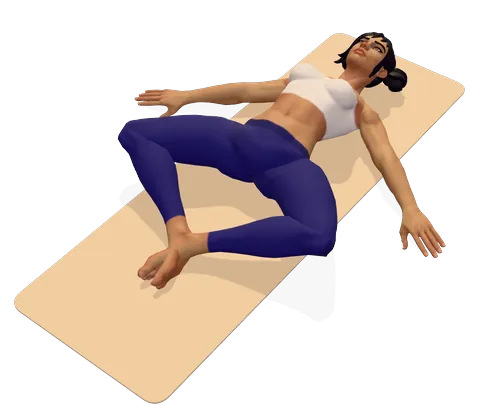 Reclining Bound Angle PoseSupta Baddha Konasana
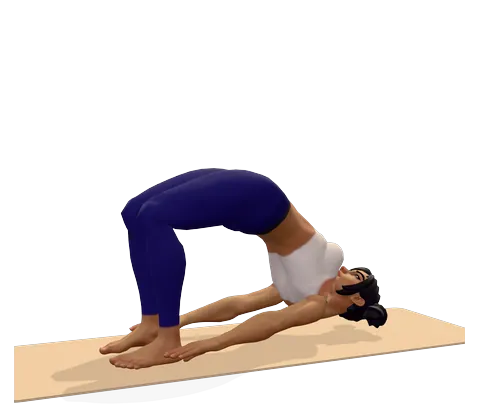 Bridge PoseSetu Bandhasana
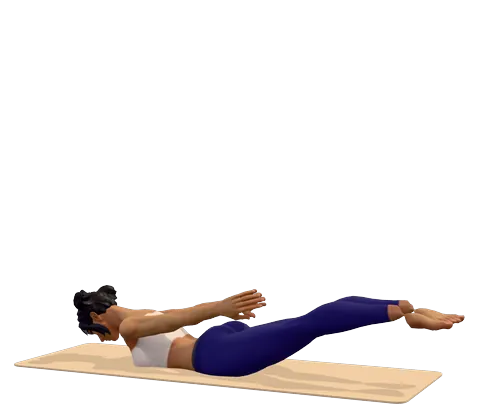 Locust PoseSalabhasana
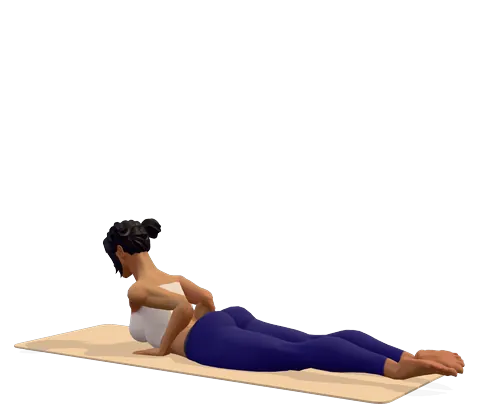 Cobra PoseBhujangasana
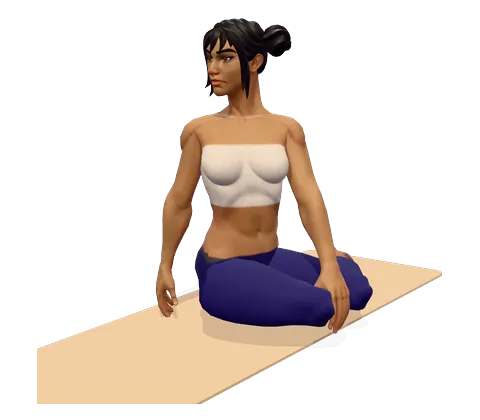 Bharadvaja’s TwistBharadvajasana
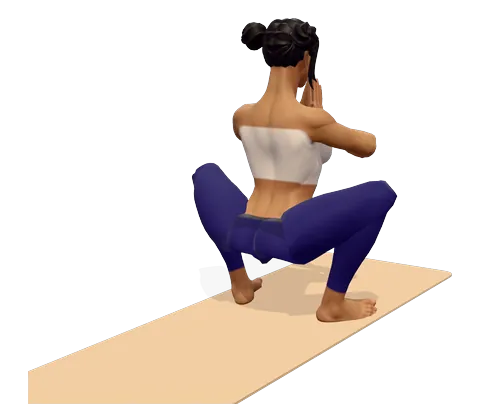 Garland PoseMalasana
More poses that help with pcos and pcod
Add these once the session above feels easy, or swap one in when a pose does not suit you.
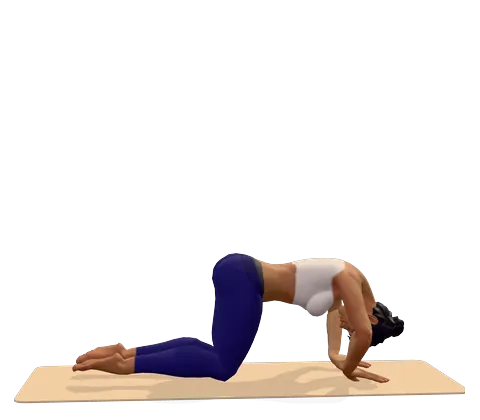 Cat PoseMarjaryasana
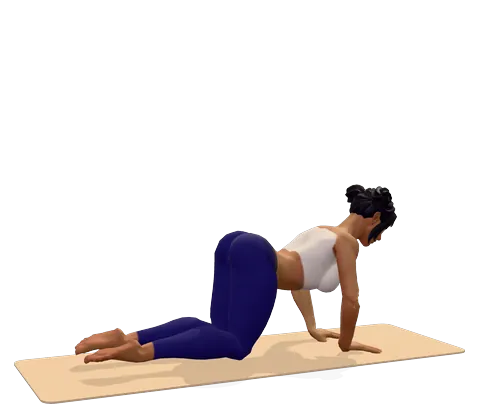 Cow PoseBitilasana
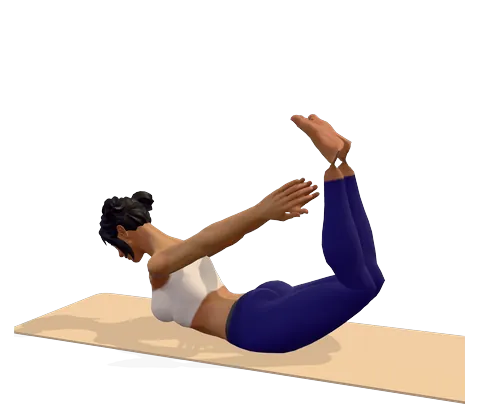 Bow PoseDhanurasana
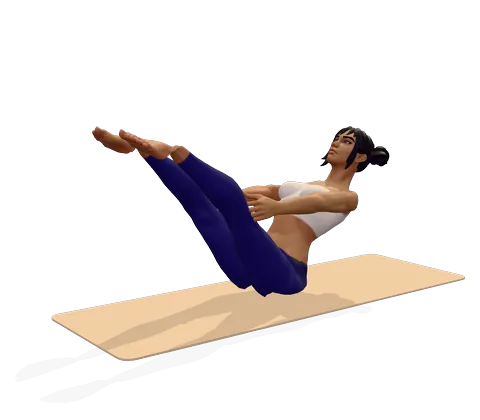 Boat PoseNaukasana
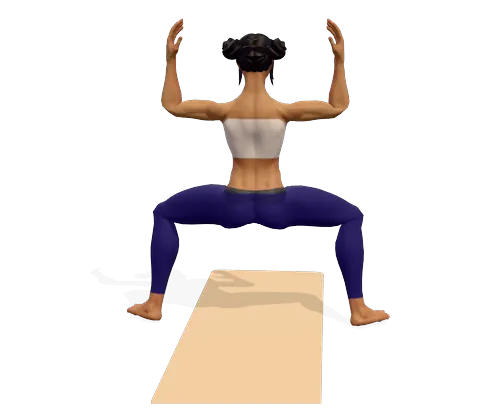 Goddess PoseUtkata Konasana
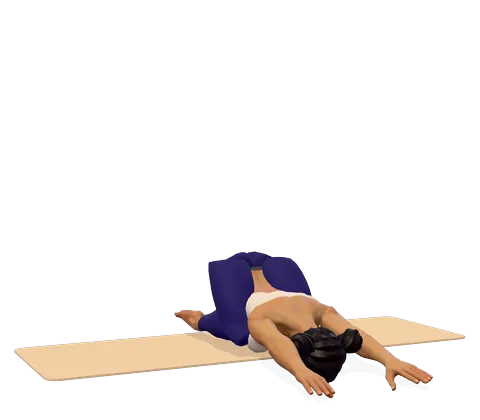 Child’s PoseBalasana
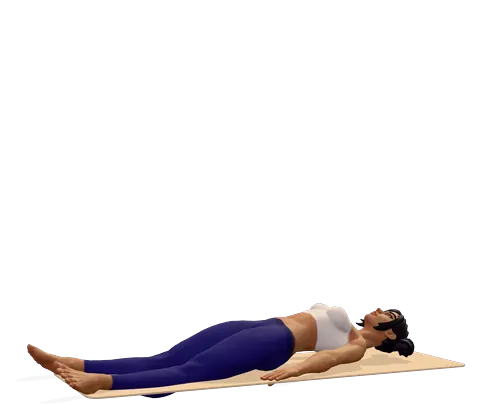 Corpse PoseSavasana
Mudras for pcos and pcod
Hold a mudra while you sit for the breathing practice or a few minutes of quiet. Mudras are a traditional practice; research on them is limited.
Breathing practice
Avoid
Over-training; long intense sessions can raise stress hormones.
Moderate evidence: Randomised trials show a benefit; more research is under way.
Yoga for PCOS is one of the better-studied uses of yoga in women's health. Polycystic ovary syndrome affects hormones, metabolism, periods, skin and mood, and it is managed rather than cured. Several randomised trials suggest that a regular practice may improve menstrual regularity, insulin resistance, androgen (male-type hormone) levels and anxiety, especially when it is part of a wider plan with diet, activity and medical care. This page explains the plan above pose by pose and how to build it into your week.
PCOS and PCOD: are they different?
PCOS stands for polycystic ovary syndrome. PCOD (polycystic ovarian disease) is a term used mainly in India, sometimes for the same condition and sometimes for milder cases where the ovaries show many small follicles. International guidelines use PCOS, and the lifestyle advice, including yoga for PCOD and PCOS, is the same. Doctors treat PCOS by symptom: the pill or other hormones for cycles and skin, metformin for insulin resistance, and fertility medicines when you want to conceive.
PCOD symptoms, causes and yoga's role
Common symptoms are irregular or missed periods, acne, extra facial or body hair, thinning scalp hair, weight gain around the middle and difficulty getting pregnant. The causes are not fully known, but genes, insulin resistance and higher androgen levels all play a part. How do you test for PCOD or PCOS? A doctor's work-up for PCOS looks at your cycle history and symptoms, orders blood tests for hormones and blood sugar, and may do an ultrasound. Yoga has no role in diagnosis, but it can support how you manage the condition afterwards.
How yoga may help PCOS and hormonal imbalance
- Insulin sensitivity. Working muscles take up glucose, which may lower the insulin levels that drive androgen production in PCOS.
- Stress hormones. PCOS often comes with anxiety and poor sleep. Slow breathing and relaxation calm the stress response, and trials have found less anxiety after yoga.
- Weight and belly fat. Yoga adds activity and builds habits; even a modest weight loss can improve cycles in PCOS.
- Pelvic comfort. Hip openers and gentle backbends may offer some pain relief for PCOS-related pelvic heaviness and period cramps.
Yoga for PCOS acne and hair growth works only indirectly, through these hormonal changes, and usually alongside treatment from a doctor or dermatologist.
Is yoga good for PCOS? What the research says
The evidence level here is moderate. In a 12-week trial in 90 adolescent girls with PCOS, a holistic yoga programme did better than conventional exercise for insulin resistance, blood glucose and lipids. The same research group reported greater falls in testosterone, LH and AMH, less excess hair growth and more regular periods, plus a larger drop in anxiety. A 2024 randomised trial in 120 adults with obesity and PCOS found that a short programme of yoga combined with naturopathy lowered testosterone, BMI, anxiety and depression compared with a waiting list. A 2021 systematic review concluded that yoga may benefit health outcomes in PCOS, while noting that the number of good-quality trials is still small.
So when you read yoga PCOS success stories online, the research supports the general idea, but results vary and no yoga research paper shows yoga replacing medical treatment.
The best yoga poses for PCOS, explained
These simple yoga poses and asanas for PCOS and PCOD support treatment rather than cure it, and they suit beginners. The steps are easy: move slowly, breathe through the nose and treat these PCOS yoga exercises as gentle stretches, stopping if anything pinches.
Bound angle pose (Baddha Konasana)
Bound angle pose opens the inner thighs and hips while you sit tall. It is a calm, grounding seat for breathing. Sit on a folded blanket and put cushions under your knees if they sit high.
Reclining bound angle (Supta Baddha Konasana)
Reclining bound angle is the restorative version. Lie back with a bolster along your spine and blocks under your knees and stay three to five minutes. It is the main "switch-off" pose for stress.
Bridge pose (Setu Bandhasana)
Bridge pose strengthens the buttocks and thighs, the large muscles that help use blood sugar. Lift and lower slowly five times, then hold once.
Locust pose (Salabhasana)
Locust pose works the whole back of the body. Beginners lift only the chest or only the legs, not both at once.
Cobra pose (Bhujangasana)
Cobra pose opens the chest and belly and strengthens the back. Keep the elbows bent and the lift low; skip it if you might be pregnant.
Bharadvaja's twist (Bharadvajasana)
Bharadvaja's twist is a gentle seated twist for the spine and waist. Twist from the ribs, not the neck, and keep it mild during your period.
Garland pose (Malasana)
Garland pose is a deep squat that strengthens the legs and opens the hips and pelvic floor. Sit on a block, or keep your heels on a rolled blanket, if your heels do not reach the floor.
Breathing practice for PCOS
Bhramari (humming bee breath) slows the out-breath with a gentle hum and is one of the quickest ways to settle an anxious mind. Nadi Shodhana (alternate nostril breathing) gives the mind a simple rhythm to follow. Do five minutes of either after your poses or before bed. Fast breathing such as Kapalbhati is optional, not essential, and not for pregnancy or high blood pressure.
Yoga vs strength training for PCOS
Does exercise help PCOS? Yes. Exercise affects PCOS by improving insulin sensitivity, fitness and mood even when weight barely changes. You do not have to choose between yoga or strength training for PCOS: they do different jobs. Strength training builds muscle, which uses more glucose; brisk walking or cycling builds fitness; yoga adds flexibility, stress relief and body awareness. General health guidelines suggest at least 150 minutes of moderate activity a week plus muscle-strengthening work on two days. The best exercises and workouts for women with PCOS are the ones you will keep doing, and the weekly workout plan below mixes all three. If you are new to working out with PCOS, start with two short sessions a week and build up.
Yoga for PCOS weight loss and belly fat
Gentle yoga poses alone burn fewer calories than brisk walking, so for PCOS weight loss add faster flows such as Surya Namaskar and daily walks. The best workout for PCOS weight loss combines strength exercises, walking and flows you can do as PCOS exercise at home to lose weight. No pose melts belly fat from one area; see yoga for weight loss for a stronger routine.
Yoga for PCOS, irregular periods and fertility
Many women ask about yoga for PCOS to get a period. No single pose can start a period, but in trials regular yoga over several months was linked with more regular cycles. If you have had no period for three months or more and you are not pregnant, see your doctor.
For yoga for PCOS and fertility, the honest answer is that yoga may help by lowering stress and improving insulin resistance, but it cannot promise a pregnancy. If you are trying to conceive, see our yoga for fertility plan and talk to a doctor early: PCOS is one of the most treatable causes of infertility.
Endometriosis and fibroids are different conditions from PCOS, although some women have more than one. Yoga may ease pain and stress with PCOS, endometriosis or fibroids, but heavy bleeding or severe pelvic pain needs medical tests.
A weekly yoga sequence for PCOS
This PCOS exercise-at-home plan needs only a mat and a cushion. The best time for yoga for PCOS is the time you can keep: early morning suits many people, or before dinner. Leave two hours after a large meal.
| Day | Practice | Time |
|---|---|---|
| Monday | Guided PCOS session + Bhramari | 20 min |
| Tuesday | Strength training (squats, lunges, push-ups) + walk | 30–40 min |
| Wednesday | 3–6 rounds Surya Namaskar + guided session | 30 min |
| Thursday | Brisk walk + Nadi Shodhana | 35 min |
| Friday | Strength training + short stretch | 30–40 min |
| Saturday | Guided session, longer holds | 25 min |
| Sunday | Rest, or Yoga Nidra | 20 min |
On period days, swap strength work and Surya Namaskar for the reclining poses and breathing, and see yoga during periods.
What to avoid, and when to see a doctor
Yoga for PCOS has few side effects. The main risk is over-training: very long, intense sessions on top of crash dieting can raise stress, disturb sleep and make cycles worse. Other points:
- Do not stop metformin, the pill or other treatment because you have started yoga.
- Be wary of "cures". No home remedy or PCOS treatment in Ayurveda replaces medical care, and some herbs interact with medicine. The holistic ways to treat PCOS at home are the basics: diet, activity, sleep and stress care.
- If you might be pregnant, skip belly-down poses and deep twists.
See a doctor if you have no period for three months, very heavy or prolonged bleeding, rapidly increasing hair growth or a deepening voice, signs of diabetes (great thirst, passing lots of urine), low mood that does not lift, or if you are trying to conceive (with PCOS it is worth asking early rather than waiting a full year).
Practise with the 3D guide
The guided session at the top of this page plays all seven poses with a voice in 28 languages and a 3D figure you can rotate to check the shape; instead of static pictures, you see each yoga pose for PCOS from every angle. Choose shorter holds as a beginner, then build up. Below is a short summary of yoga for PCOS in Hindi (PCOD ke liye yoga).
पीसीओएस और पीसीओडी के लिए योग — हिंदी में: बद्ध कोणासन, सुप्त बद्ध कोणासन, सेतु बंधासन, शलभासन, भुजंगासन और मालासन जैसे आसन कूल्हों को खोलते हैं, पैरों को मज़बूत बनाते हैं और तनाव कम करते हैं। रोज़ 5 मिनट भ्रामरी या नाड़ी शोधन प्राणायाम करें। योग के साथ तेज़ चलना और हल्की स्ट्रेंथ ट्रेनिंग भी करें। शोध के अनुसार नियमित योग से पीरियड्स नियमित होने और इंसुलिन में सुधार हो सकता है, लेकिन अपनी दवा और डॉक्टर की सलाह जारी रखें।
Research behind this plan
- Verma 2021, Am J Lifestyle Med — systematic review and meta-analysis: yoga therapy may improve menstrual irregularity, hyperandrogenism and insulin resistance in PCOS
- Nidhi 2012, Int J Gynaecol Obstet — RCT, 90 adolescents with PCOS: yoga improved glucose, lipids and insulin resistance more than conventional exercise
- Nidhi 2013, J Altern Complement Med — RCT: 12 weeks of yoga reduced AMH, LH, testosterone and hirsutism and improved menstrual frequency vs exercise
- Nidhi 2012, Int J Yoga — RCT: holistic yoga reduced anxiety symptoms in adolescents with PCOS more than physical exercise
- Shetty 2024, Int J Yoga — RCT, 120 adults with obesity and PCOS: short yoga and naturopathy programme lowered testosterone, BMI, anxiety and depression
Frequently asked questions
Is yoga good for PCOS?
Yes, as part of your care. Randomised trials suggest regular yoga may improve cycle regularity, insulin resistance, testosterone levels and anxiety in PCOS. It works best combined with other exercise, a balanced diet and medical follow-up.
Which yoga poses are best for PCOS and PCOD problems?
Bound angle, reclining bound angle, bridge, locust, cobra, Bharadvaja's twist and garland pose, plus Bhramari or alternate nostril breathing. Hold the reclining poses longer for stress relief.
How long does yoga take to help PCOS?
The trials ran for about 12 weeks of regular practice. Many women feel calmer within a few weeks, but changes in cycles and blood tests take months.
Can yoga help me get pregnant with PCOS?
Yoga may support fertility by lowering stress and improving insulin resistance, but it cannot guarantee pregnancy. PCOS-related infertility is often very treatable, so see a doctor early.
Is yoga or strength training better for PCOS?
Both help in different ways. Strength training builds muscle that uses glucose; yoga lowers stress and improves flexibility. A weekly mix of strength, cardio and yoga is ideal.
How can I control PCOD problem naturally?
Natural ways to manage and combat PCOS or PCOD include regular exercise, a balanced diet with fewer refined carbohydrates, good sleep and stress management such as yoga. These can improve and reduce PCOS symptoms; keep your doctor involved, especially for irregular periods or fertility.
Can I do yoga for PCOS during my period?
Yes. Choose gentle, reclining poses and breathing on heavy days, and skip strong core work or inversions if they feel uncomfortable.
Medical note: yoga supports treatment; it does not replace it. Keep taking prescribed medicine and talk to your doctor before you start, especially with heart disease, uncontrolled blood pressure, recent surgery, pregnancy, epilepsy or severe pain. Read our medical disclaimer.