Your thyroid yoga plan
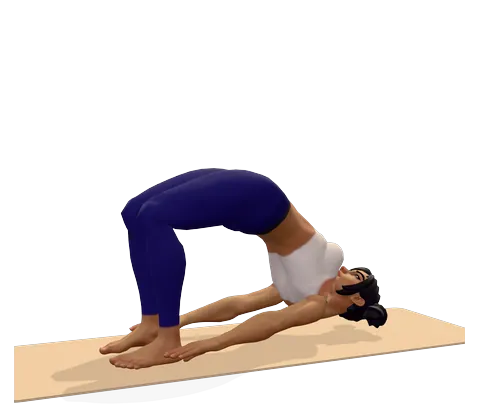 Bridge PoseSetu Bandhasana
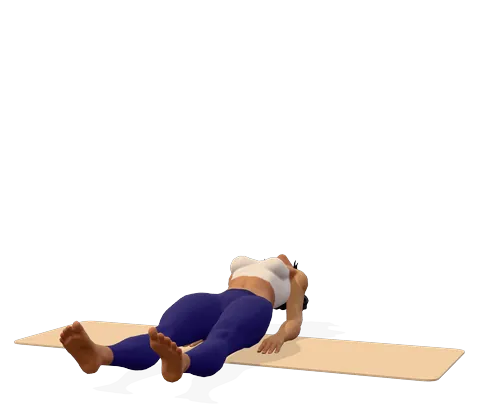 Fish PoseMatsyasana
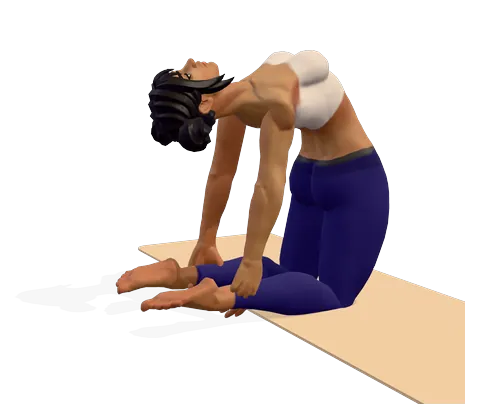 Camel PoseUstrasana
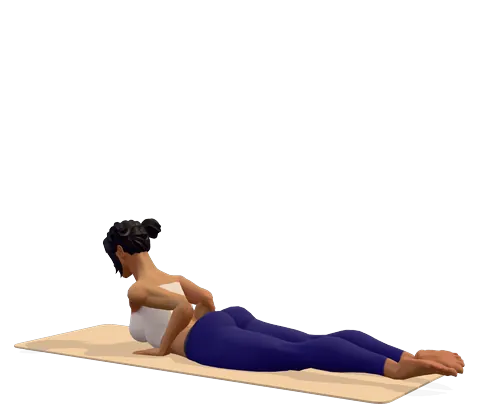 Cobra PoseBhujangasana
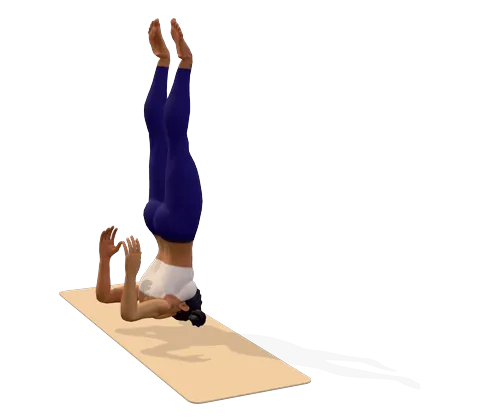 Shoulder StandSalamba Sarvangasana
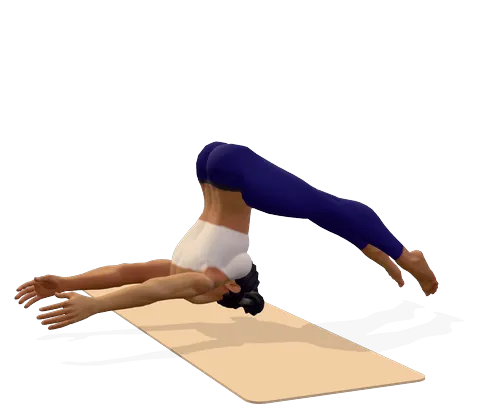 Plow PoseHalasana
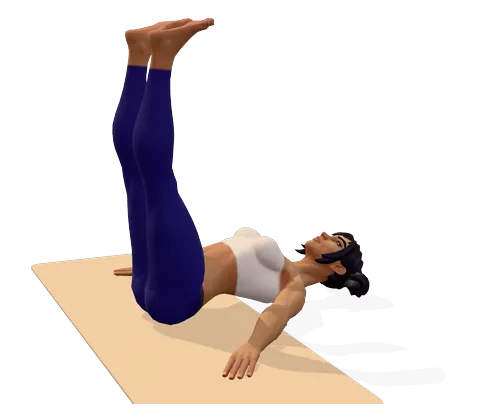 Legs-Up-the-Wall PoseViparita Karani
More poses that help with thyroid
Add these once the session above feels easy, or swap one in when a pose does not suit you.
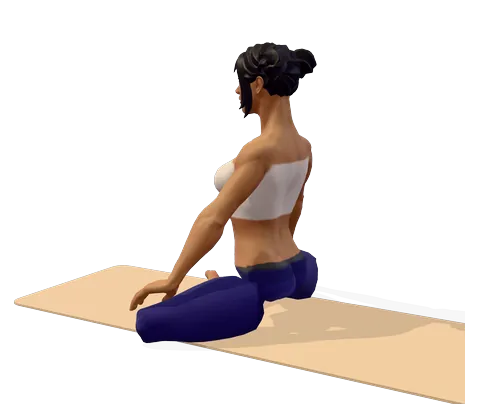 Easy PoseSukhasana
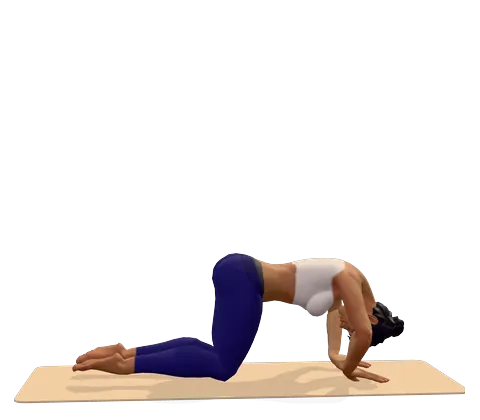 Cat PoseMarjaryasana
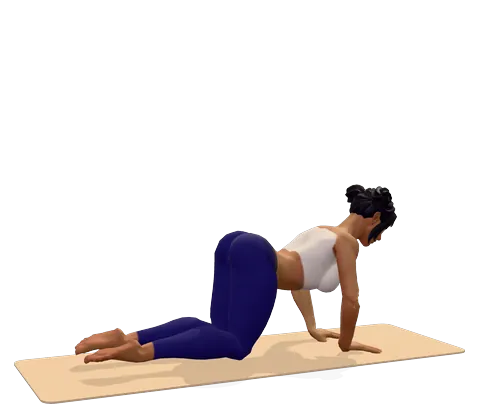 Cow PoseBitilasana
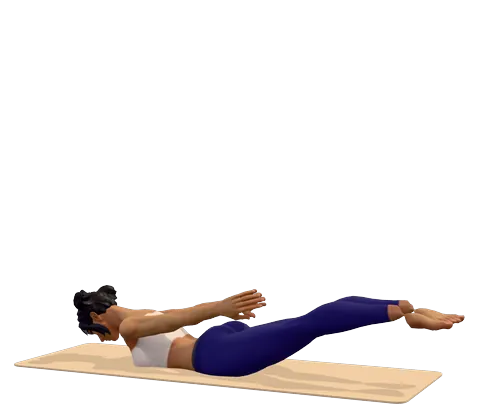 Locust PoseSalabhasana
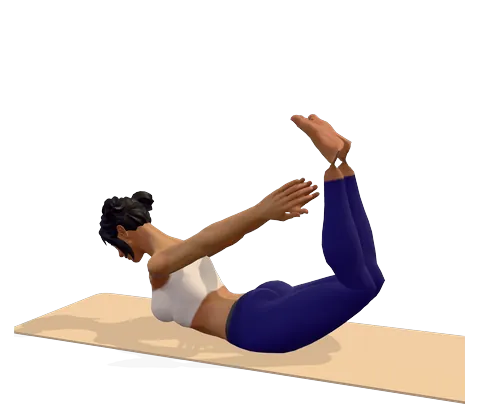 Bow PoseDhanurasana
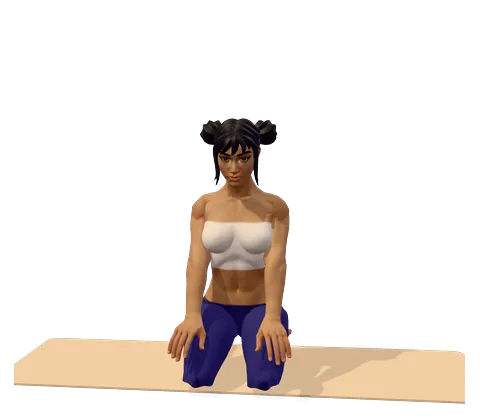 Lion PoseSimhasana
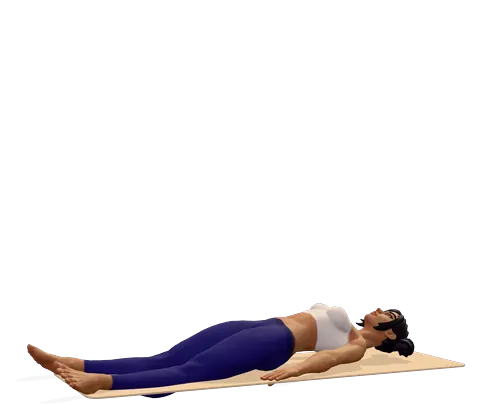 Corpse PoseSavasana
Mudras for thyroid
Hold a mudra while you sit for the breathing practice or a few minutes of quiet. Mudras are a traditional practice; research on them is limited.
Breathing practice
Avoid
Stopping thyroid medicine. Shoulder stand and plow only with a teacher and a healthy neck.
Traditional practice: Used in classical yoga therapy; few clinical trials so far.
Yoga for thyroid problems is one of the most searched topics in yoga therapy, especially in India. The traditional idea is that poses which stretch or gently compress the front of the neck "massage" the thyroid gland. There is no good evidence for that, but small studies suggest a regular practice may ease the fatigue, low mood, stress and stiffness that thyroid conditions bring, and may support weight and cholesterol goals. Below: the plan pose by pose, how it changes for hypothyroidism and hyperthyroidism, and what to avoid.
Never stop or change your thyroid medicine because you have started yoga. Any change in dose must come from your doctor, based on blood tests.
Hypothyroidism and hyperthyroidism in plain words
The thyroid is a butterfly-shaped gland at the front of your neck, part of the endocrine (hormone) system. Its hormones set the speed of your metabolism.
- Hypothyroidism (underactive thyroid) slows you down: tiredness, weight gain, feeling cold, dry skin, constipation, low mood and sometimes heavy or irregular periods. It is usually treated with daily levothyroxine. In subclinical hypothyroidism TSH is raised but thyroid hormone is normal; yoga can be part of your routine while your doctor decides whether to treat it.
- Hyperthyroidism (overactive thyroid) speeds you up: a fast or pounding heartbeat, anxiety, shaky hands, weight loss, poor sleep and feeling hot. It is treated with medicine, radioactive iodine or surgery.
How yoga may help thyroid health
Is yoga good for thyroid problems? It can be a useful partner to treatment, for reasons that have little to do with the gland itself:
- Energy and fatigue. Gentle, regular movement often helps the heavy tiredness of hypothyroidism more than rest alone.
- Stress and mood. Slow breathing and relaxation calm the nervous system, which helps the anxiety and poor sleep of hyperthyroidism and the low mood of hypothyroidism.
- Weight, cholesterol and stiffness. An underactive thyroid tends to raise cholesterol and make joints feel stiff; yoga adds activity and mobility.
Yoga will not restore thyroid balance or improve thyroid function directly; it helps with the issues around it. "Hormone yoga" and yoga for the endocrine system are popular ideas, but no style has been shown to change thyroid hormone levels by itself, and yoga for "thyroid activation" has no evidence behind it. Yoga poses cannot stimulate or strengthen the thyroid.
So, can yoga reduce thyroid levels or fix the gland? No. Yoga se thyroid thik hota hai? Not on its own: it may support thyroid health and how you feel, while your medicine does the main work.
Yoga and thyroid research
This page is marked "traditional practice" because trials are few and small. In a pilot study, 22 women with hypothyroidism practised yoga for six months; their cholesterol improved and, under medical supervision, their thyroxine dose needs fell, although the change in TSH was not statistically significant. A 2025 randomised trial of 134 people with hypothyroidism who kept taking levothyroxine found that six months of online yoga improved quality of life, fatigue and stress and lowered TSH compared with a waiting list. These results are encouraging but need confirming. There is almost no research on yoga for hyperthyroidism, so there the aim is simply calm and comfort.
Yoga poses for thyroid problems, explained
Which asana is best for thyroid health? No single one. These yoga asanas for thyroid problems do not control the thyroid gland directly; they are yoga poses good for thyroid patients because they open the throat and chest and ease stiffness. Two classic inversions need extra care. Warm up first with cat-cow or a slow walk.
Bridge pose (Setu Bandhasana)
Bridge pose lifts the chest toward the chin while the back of the neck rests on the mat. It is the safest throat-opening pose here. Keep the head still; never turn it while your hips are up.
Fish pose (Matsyasana)
Fish pose arches the upper back and stretches the front of the neck. Rest on your forearms and let the head tilt back only a little, or support your upper back on a folded blanket so the head can stay on the floor.
Camel pose (Ustrasana)
Camel pose is a deeper kneeling backbend. Beginners keep their hands on their lower back and chin slightly tucked. Skip it if you have a neck or lower-back problem.
Cobra pose (Bhujangasana)
Cobra pose strengthens the back and opens the chest, which is useful if tiredness has left you slumped. Keep the elbows bent and the neck long.
Shoulder stand and Plow (Sarvangasana and Halasana)
Shoulder stand and Plow pose are the poses most often named in shoulder stand yoga for thyroid advice, because the chin presses toward the chest. They also put your body weight on the neck. Learn them only from a qualified teacher, on folded blankets, with a healthy neck. Skip them with neck pain, high blood pressure, glaucoma, a thyroid swelling, during your period if uncomfortable, and in pregnancy.
Legs-up-the-wall (Viparita Karani)
Legs-up-the-wall is the safe alternative to both inversions. You get the restful, legs-raised position with no load on the neck. Stay three to five minutes.
Yoga and pranayama for thyroid
Ujjayi is a slow breath with a soft sound in the throat. Traditional teachers link it to the throat area; practically, it lengthens the breath and settles the mind. Bhramari (humming bee breath) is a gentle hum on the out-breath that many people find calming; it suits the anxiety and racing thoughts of an overactive thyroid. Practise each for three to five minutes, sitting tall. In yoga, if you have throat problems such as soreness or a hoarse voice, keep the sound very soft. Yoga Nidra is another good option; its benefits for thyroid patients are about deeper rest and better sleep.
Yoga for hypothyroidism vs hyperthyroidism
For hypothyroidism patients, good yoga asanas are active ones: add standing poses and a few slow rounds of Surya Namaskar to build warmth and stamina. These yoga poses and exercises for hypothyroidism also help with thyroid and weight loss goals, together with diet and walking. Think of yoga as helping your hypothyroidism treatment, not as one of the alternative treatments that replace it.
For hyperthyroidism patients, keep yoga cool and calm: slower flows, longer rests, Bhramari, and the cooling breath Sheetali. Avoid hot rooms and fast breathing like Kapalbhati and Bhastrika. If your heart is racing or you are waiting for treatment to take effect, ask your doctor before any strenuous exercise.
Thyroid and women, pregnancy, surgery and other conditions
- Yoga for thyroid for women: thyroid problems are much more common in women, and the thyroid helps control periods, fertility and energy in women. Yoga may help cramps and stress (see yoga for period pain), but irregular periods need a thyroid blood test.
- Natural thyroid support for women and men means sleep, activity and a balanced diet. Doctors treat low thyroid in women with the same thyroid medicine as in men, and no home remedy can cure thyroid problems in women or fix thyroid issues on its own.
- Yoga for thyroid in pregnancy: keep taking your medicine, since your dose often changes. Choose prenatal yoga and skip shoulder stand, plow, deep backbends and lying on your belly.
- Yoga after thyroid surgery: wait until your surgeon clears you. Then begin with breathing and gentle neck mobility; leave fish, camel and inversions until the scar has healed.
- Yoga for thyroid gland swelling: a lump or swelling in the neck needs a doctor's check first. Avoid inversions and neck compression until you know the cause.
- Yoga for thyroid and diabetes, cholesterol or blood pressure: these often occur together, and yoga is part of treatment for diabetes and thyroid only alongside medicine. The yoga for diabetes and high blood pressure plans explain the extra precautions.
A simple weekly yoga sequence for thyroid
This yoga plan for thyroid exercise at home suits beginners; on tired days, a few simple yoga stretches for thyroid-related stiffness are enough.
| Day | Hypothyroidism | Hyperthyroidism |
|---|---|---|
| Mon | Guided session (inversions swapped) + Ujjayi, 20 min | Guided session, slow, + Bhramari, 20 min |
| Tue | Brisk walk, 30 min | Easy walk, 20 min |
| Wed | 3–5 rounds Surya Namaskar + bridge and cobra | Gentle stretches + Sheetali |
| Thu | Rest or Yoga Nidra | Yoga Nidra, 20 min |
| Fri | Guided session + Bhramari | Guided session, longer rests |
| Sat | Walk or light strength work | Walk or swim |
| Sun | Rest | Rest |
What to avoid, and when to see a doctor
Yoga for thyroid side effects are rare when you stay gentle; most problems come from forcing the neck in inversions. Avoid:
- Stopping, skipping or cutting your medicine, or swapping it for "alternative thyroid medicine" or yoga alone.
- Shoulder stand and plow without a teacher, or with neck pain, high blood pressure, glaucoma or a neck swelling.
- Iodine, kelp or "thyroid support" supplements without medical advice; they can make some thyroid conditions worse.
Thyroid ke liye diet, and home remedies for thyroid health in general: eat a balanced diet, take levothyroxine on an empty stomach and keep it apart from calcium or iron tablets, as your pharmacist advises. Thyroid treatment in Ayurveda and herbal home remedies for a thyroid problem have not been shown to replace medicine, and some interact with it, so tell your doctor what you take.
See a doctor promptly for a new lump in the neck, trouble swallowing or breathing, a hoarse voice that lasts, a racing or irregular heartbeat, chest pain, or extreme tiredness. Get emergency help for a very fast heartbeat with fever, vomiting or confusion.
Practise the thyroid session with the 3D guide
The guided session at the top of this page plays all seven poses with a voice in 28 languages and a 3D figure you can rotate. When it reaches shoulder stand and plow, stay in legs-up-the-wall or bridge instead unless a teacher has taught you those poses. You can also save a version without them in the sequence builder. You can hear the yoga for thyroid session in Hindi, Marathi, Telugu, Malayalam and 24 other languages. Below is a short summary of this yoga plan for thyroid patients in Hindi.
थायराइड के लिए योग — हिंदी में: सेतु बंधासन, मत्स्यासन, भुजंगासन और विपरीत करणी जैसे आसन गर्दन और छाती को खोलते हैं और थकान व तनाव कम करने में मदद कर सकते हैं। उज्जायी और भ्रामरी प्राणायाम रोज़ 3–5 मिनट करें। सर्वांगासन और हलासन केवल योग शिक्षक की देखरेख में करें। थायराइड की दवा कभी अपने आप बंद न करें; योग दवा के साथ सहायक है, इलाज नहीं।
Research behind this plan
- Nilkantham 2025, J Med Internet Res — RCT, 134 adults with hypothyroidism on levothyroxine: 6 months of tele-yoga improved quality of life, fatigue and stress and lowered TSH vs waitlist
- Nilakanthan 2016, J Complement Integr Med — pilot study, 22 women with hypothyroidism: 6 months of yoga improved cholesterol and reduced thyroxine requirement
- NCCIH — Yoga: What You Need To Know (safety and working with your health care provider)
Frequently asked questions
Is yoga good for thyroid problems?
Yoga may help with fatigue, stress, mood, weight and stiffness in thyroid conditions, and small studies in hypothyroidism are encouraging. It supports treatment; it does not replace thyroid medicine.
Which asana is best for thyroid?
There is no single best pose. Bridge, fish, cobra and legs-up-the-wall are safe for most people. Shoulder stand and plow are traditional choices but should only be learned with a teacher and a healthy neck.
Can yoga reduce thyroid medicine?
In a few studies, people who practised yoga for months needed slightly less thyroxine, but only their doctor changed the dose based on blood tests. Never reduce or stop your medicine yourself.
Is yoga safe for hyperthyroidism?
Gentle, cooling yoga is usually safe once your doctor agrees you can exercise. Avoid hot rooms, fast breathing and strenuous flows while your heart rate is high.
What is the best exercise for thyroid patients?
The exercises that help most with thyroid problems are a mix: brisk walking or other cardio, some strength work, and yoga for flexibility and stress. With hypothyroidism build up slowly; with hyperthyroidism check your heart rate is controlled first.
Can I do yoga for thyroid during pregnancy?
Yes, with prenatal yoga and your doctor's approval. Keep taking your thyroid medicine, and avoid shoulder stand, plow, deep backbends and lying on your belly.
How long before yoga helps with thyroid symptoms?
The studies ran for about six months of regular practice. Many people notice better energy and sleep within a few weeks, but blood tests are the only way to judge thyroid levels.
Medical note: yoga supports treatment; it does not replace it. Keep taking prescribed medicine and talk to your doctor before you start, especially with heart disease, uncontrolled blood pressure, recent surgery, pregnancy, epilepsy or severe pain. Read our medical disclaimer.