












































Yoga for diseases works best as a partner to medical care, not a replacement for it. Each plan on this page takes one condition, from back pain and diabetes to anxiety and asthma, and gives you the poses that suit it, the breathing to add, what to avoid, an honest evidence level and a guided 3D session you can follow at home. This guide explains what yoga therapy is, how to read our evidence levels and how to use a plan safely with your doctor.
What is yoga therapy?
Yoga therapy is the use of poses, breathing, relaxation and meditation to support a specific health problem, rather than for general fitness. A simple yoga therapy definition: the practice is chosen and adapted for the person and the condition. A class for back pain looks very different from one for high blood pressure or anxiety. There is no single routine that works as yoga for all diseases: yoga for different diseases uses different poses, breathing and limits.
In India, yoga for common diseases is often called "yogic management of common diseases", and it is taught alongside other care in many hospitals and wellness centres. Our plans follow the same idea in a simpler form: a short list of suitable poses, one or two breathing techniques and clear limits. They are a starting point to discuss with your doctor or physiotherapist, not a personal prescription.
How does yoga improve health, and why is yoga good for you?
What does yoga do for the body, and why is it beneficial for so many conditions? It has the potential to help in several ways at once, which is why the known, scientific benefits of yoga show up in research on such a wide range of problems:
- Movement and strength: gentle, regular exercise improves mobility, muscle strength and balance, the main physical health benefits of yoga for joints and the spine.
- Slow breathing: long exhales shift the nervous system towards rest, which may help blood pressure, heart rate and anxiety.
- Stress and sleep: relaxation and meditation lower perceived stress, and better sleep supports almost every other part of health.
- Metabolism: as regular physical activity, it supports blood sugar control, weight and cholesterol.
- Inflammation: some studies suggest regular practice may lower markers of inflammation, though the research is still limited.
That is why yoga for lifestyle diseases such as type 2 diabetes, high blood pressure and obesity gets so much attention. The yoga asanas for lifestyle diseases and other chronic diseases are mostly simple: standing poses, twists, gentle backbends and relaxation. The role of yoga in preventing lifestyle diseases, and the benefits of daily yoga for a healthy life, come from the same habits: moving every day, managing stress and sleeping well.
Can yoga cure illness? No. No reliable study shows yoga curing any disease, and any list of "diseases cured by yoga" is misleading. What the research does show is that it can ease symptoms, improve fitness and quality of life, and support the treatment your doctor gives you.
How our evidence levels work
Every plan carries one of four labels, so you know how much weight to give it. The labels reflect published reviews and trials.
| Level | What it means | Examples |
|---|---|---|
| Strong | Meta-analyses of randomised trials show a benefit | Back pain, knee osteoarthritis, diabetes, high blood pressure, depression |
| Moderate | Randomised trials show a benefit; more research is under way | Anxiety, sleep, migraine, asthma, COPD, PCOS, menopause, heart health |
| Emerging | Small or early trials look promising | Neck pain, Parkinson's disease, IBS, immunity, memory and focus |
| Traditional | Used in classical yoga therapy; few clinical trials so far | Thyroid, sciatica, digestion, constipation, acidity, sinusitis |
A "traditional" label does not mean a plan is useless. It means the poses are safe for most people and widely used, but you should not expect proven effects on the condition itself. Condition pages cite the main studies behind strong and moderate ratings.
How to use a plan safely with your doctor
- Talk to your doctor or physiotherapist first. Show them the plan, especially the poses and the breathing. This matters most with heart disease, recent surgery, pregnancy, osteoporosis, cancer treatment or an autoimmune disease.
- Keep your medicine and treatment. Never reduce or stop a prescribed medicine because you have started practising. With diabetes or blood pressure medicine, check your readings, as they may change.
- Start short. Use the shorter hold setting and practise 10–15 minutes, three times a week, for the first two weeks.
- Read the "Avoid" box. Each plan lists what not to do for that condition. It overrides anything you see in a general class.
- Track how you feel. Note pain, sleep, mood or readings before and after. Most people need 8–12 weeks of regular practice to judge whether it helps.
- Stop and ask if any symptom gets worse, or if you feel chest pain, dizziness, numbness or pain spreading down a limb.
Most-used plans
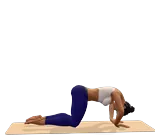
- Yoga poses for back pain relief: Cat–Cow, Child's Pose, Bridge and gentle twists. Yoga for lower back pain relief is one of the best-researched uses, and it suits many spine problems, including degenerative disc disease with your physiotherapist's approval.
- Yoga for knee pain relief: strengthening and gentle range of motion for osteoarthritis, with no deep kneeling or squats while the joint is sore.
- Yoga for diabetic patients: twists, forward bends and regular movement alongside medicine and diet. Yoga treatment for diabetes and heart disease follows the same gentle pattern, and yoga for heart health fits well with cardiovascular rehabilitation when your cardiologist agrees.
- High blood pressure: slow breathing and relaxation, with no inversions, breath holds or fast breathing.
- Yoga for anxiety, depression and sleep problems such as insomnia and other sleep disorders: gentle, slow practice with long exhales, with a solid body of research behind them. For yoga therapy for mental health, including men's mental health, calm styles usually suit better than hot or very fast ones.
- Yoga for thyroid problems: gentle, supportive poses and breathing; they do not replace thyroid medicine.
- Yoga for Parkinson's disease: balance, posture and mobility exercises for neurological health, often done as chair yoga for safety.
Yoga for women's health covers PCOS, menopause, period pain and fertility. Separate plans cover sciatica (yoga for sciatica pain relief when nerve pain runs down the leg), stomach problems such as acidity and IBS, sinus problems, and immune support through better sleep and lower stress.
General contraindications and risks
Yoga is low-risk for most people, but the dangers are real when poses are forced or chosen badly. These healthcare considerations of yoga apply to every plan:
- High blood pressure, heart disease, glaucoma or a detached retina: no inversions (Headstand, Shoulder Stand, Plow), no breath holds and no fast breathing such as Kapalbhati or Bhastrika.
- Osteoporosis: the main yoga contraindications are deep forward bends with a rounded back, loaded twists and weight on the neck. Choose standing and balance work instead.
- Autoimmune disease: yoga for autoimmune diseases such as rheumatoid arthritis or lupus should stay gentle during flares, with more rest on bad days.
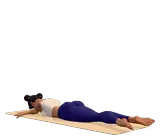
- Pregnancy: no deep twists, lying on the belly, strong core work, breath holds or new inversions.
- Epilepsy: avoid fast breathing and breath holds, and practise with someone nearby.
- Joint or spine injuries: use variations, avoid end-range stretching and follow your physiotherapist's advice.
- Yoga when you're sick: rest during a fever or acute infection. For illness recovery, return to yoga with gentle breathing and easy stretches once you feel better.
People with disabilities or limited mobility can do most yoga plans seated or with a wall for support. Yoga for cancer patients may ease fatigue and stress, but ask your care team which poses are safe during treatment.
Frequently asked questions
Can yoga cure diseases?
No. Yoga does not cure diseases. Studies show it can ease symptoms such as pain, stress and poor sleep, improve fitness and support medical treatment for conditions like back pain, diabetes and high blood pressure. Keep taking your prescribed medicine.
What is yoga therapy?
Yoga therapy uses poses, breathing, relaxation and meditation adapted to a specific health problem. It is used alongside medical care, usually after a doctor or physiotherapist has approved it.
What can yoga help with?
The strongest evidence is for chronic low back pain, knee osteoarthritis, type 2 diabetes, high blood pressure and depression. Trials also suggest benefits for anxiety, sleep, migraine, asthma, COPD, PCOS and menopause symptoms.
How long does it take to see results?
Most studies run for 8–12 weeks with two or three sessions a week. Many people notice better sleep, mood or stiffness within a few weeks, but changes in blood pressure or blood sugar take longer and should be checked by your doctor.
Does yoga reduce inflammation?
Some studies suggest regular practice may lower markers of inflammation, probably through reduced stress, better sleep and physical activity. The evidence is still limited, so treat it as a possible bonus rather than a treatment.
What is the best type of yoga for mental health?
Gentle, slow styles with long exhales and relaxation, such as Hatha, restorative practice or Yoga Nidra, suit most people with anxiety or depression. Fast or hot classes can feel overwhelming at first.
Is it safe to do yoga with a chronic disease?
Usually yes, with the right poses and your doctor's approval. Follow the "Avoid" box on each plan, start with short sessions and stop if symptoms get worse.