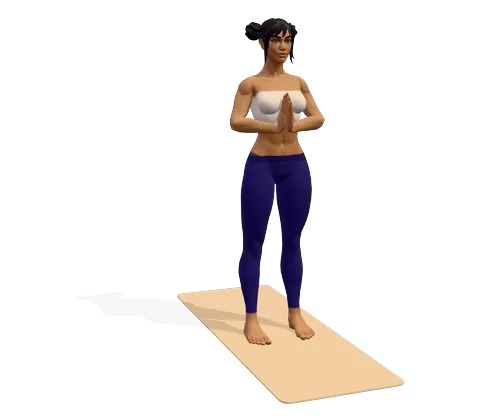
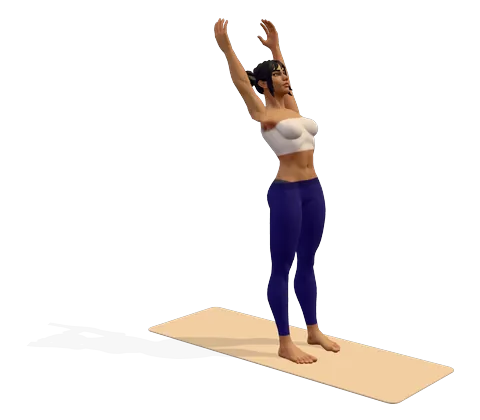
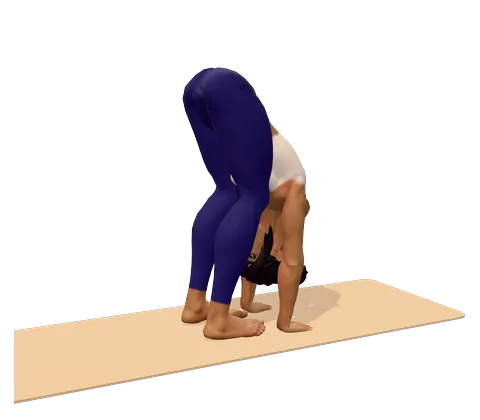
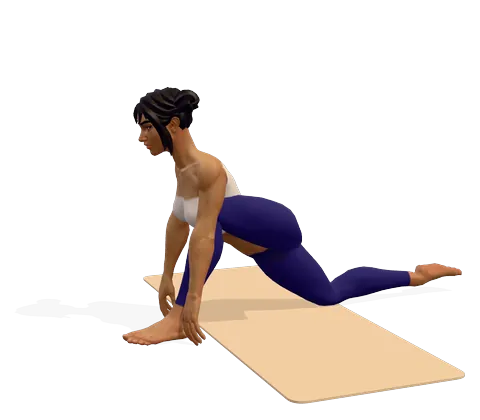
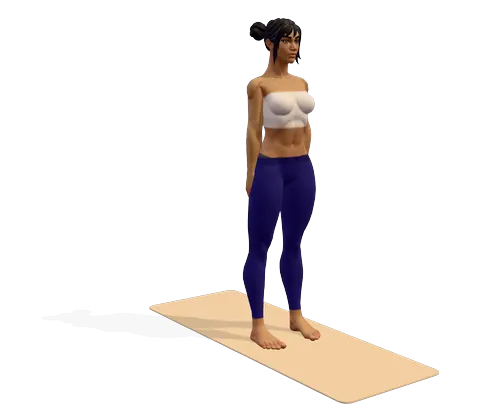
Surya Namaskar, the Sun Salutation, is a flowing sequence of 12 poses linked to the breath: you bow, reach up, fold forward, lunge, lower to the floor, lift the chest, press back and return to standing. One round warms the whole body in about a minute, which is why it opens most Hatha classes and many morning routines. Below you will find all 12 steps with names, the breathing pattern, the traditional mantras, how many rounds to do, what it can and cannot do for weight loss, and how to adapt it for beginners, women and pregnancy.
What is Surya Namaskar?
Surya means "sun" and namaskar means "bowing" or "greeting", so the Surya Namaskar meaning in English is "salutation to the sun" (sun salutation in Sanskrit: सूर्य नमस्कार). Pronunciation: SOOR-yah nah-mah-SKAR.
Greeting the rising sun is an old Indian custom, but the sequence most people learn today spread widely in the early twentieth century as a daily health routine and was then absorbed into Hatha yoga schools. That history explains why there are several types: the classical Hatha version on this page, Ashtanga Surya Namaskar A and B, and many Vinyasa flows. All share one idea: one breath per movement.
Is Surya Namaskar a complete exercise?
It comes close. The sequence bends the spine forward and back, stretches the hamstrings, hip flexors and chest, and asks your arms and core to hold your weight in plank, so it is a genuine full body stretch and a light workout. It has little twisting, side bending or leg strengthening, though. Add standing poses, twists and walking for a well-rounded routine.
The 12 steps with names and explanation
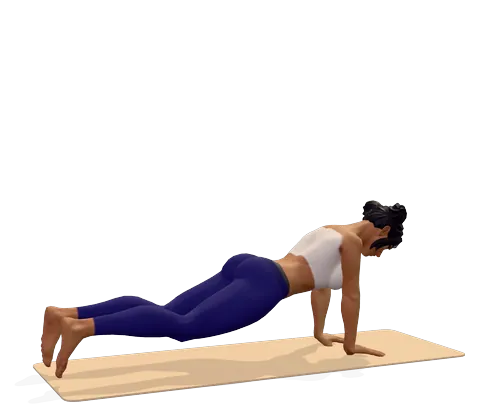
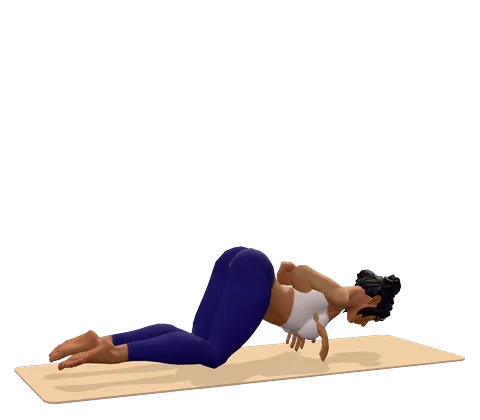
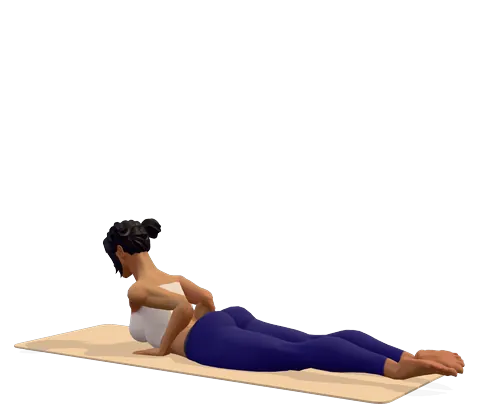
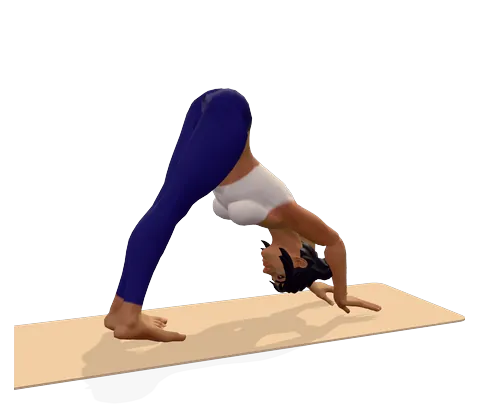
The cards above show each pose on the 3D figure with its breath, so they work like Surya Namaskar steps with pictures that you can rotate. Here is what to do in each step. Steps 1–6 take you down to the floor; steps 7–12 bring you back up in reverse.
- Pranamasana (prayer pose). Stand tall, palms together at the chest. Breathe out.
- Hasta Uttanasana (raised arms). Breathing in, sweep the arms up beside the ears and lift the chest into a gentle backbend, legs firm.
- Padahastasana (standing forward bend). Breathing out, hinge from the hips and place the hands beside the feet. Bend the knees as much as you need.
- Ashwa Sanchalanasana (equestrian lunge). Breathing in, step the right leg far back and lower the knee. Front knee over the ankle, chest lifted.
- Dandasana (plank). Step the left leg back. Your body forms one line from head to heels, shoulders over wrists. Pause briefly with the breath out.
- Ashtanga Namaskara (eight-point salute). Breathing out, lower the knees, then chest and chin, hips slightly raised. Toes, knees, hands, chest and chin touch the mat.
- Bhujangasana (cobra). Breathing in, slide the chest forward and up, elbows bent and close to the ribs.
- Parvatasana (downward dog). Breathing out, tuck the toes and lift the hips into an upside-down V, heels reaching down.
- Ashwa Sanchalanasana. Breathing in, step the right foot forward between the hands and lower the left knee.
- Padahastasana. Breathing out, bring the back foot forward and fold.
- Hasta Uttanasana. Breathing in, rise with a long spine, arms overhead.
- Tadasana (mountain pose). Breathing out, lower the arms and stand tall, or return the palms to prayer.
That is half a round. Repeat the 12 steps leading with the left leg in steps 4 and 9 to complete one full round. Schools differ on small details (some bring the other leg forward in step 9, some finish in prayer); either way is fine if both sides get equal work.
Surya Namaskar breathing pattern
Breathe in whenever you lift or open the front of the body (steps 2, 4, 7, 9 and 11), and breathe out whenever you fold, bow or press back (steps 1, 3, 6, 8, 10 and 12). Step 5 is a short pause with the lungs empty before you lower down.
Breathe through the nose if you can and let the breath set the speed. If you start gasping, slow down or rest in child's pose. With high blood pressure or heart disease, skip the pause in step 5 and breathe normally throughout.
The 12 mantras with meaning
In the classical tradition each step is paired with one of the twelve names of Surya, the sun, said aloud or silently as you enter the pose. Chanting is optional; the physical practice works the same without it. Here is each Surya Namaskar mantra in Hindi script and English, with its traditional meaning:
| Step | Mantra | Traditional meaning |
|---|---|---|
| 1 | ॐ मित्राय नमः (Om Mitraya Namah) | To the friend of all |
| 2 | ॐ रवये नमः (Om Ravaye Namah) | To the shining one |
| 3 | ॐ सूर्याय नमः (Om Suryaya Namah) | To the one who brings activity |
| 4 | ॐ भानवे नमः (Om Bhanave Namah) | To the one who gives light |
| 5 | ॐ खगाय नमः (Om Khagaya Namah) | To the one who moves through the sky |
| 6 | ॐ पूष्णे नमः (Om Pushne Namah) | To the giver of strength |
| 7 | ॐ हिरण्यगर्भाय नमः (Om Hiranyagarbhaya Namah) | To the golden cosmic source |
| 8 | ॐ मरीचये नमः (Om Marichaye Namah) | To the rays of light |
| 9 | ॐ आदित्याय नमः (Om Adityaya Namah) | To the son of Aditi |
| 10 | ॐ सवित्रे नमः (Om Savitre Namah) | To the life-giving power |
| 11 | ॐ अर्काय नमः (Om Arkaya Namah) | To the one worthy of praise |
| 12 | ॐ भास्कराय नमः (Om Bhaskaraya Namah) | To the giver of light and wisdom |
Surya Namaskar beej mantra and shlok
Some schools use short seed sounds instead: Om Hram, Om Hrim, Om Hrum, Om Hraim, Om Hraum, Om Hrah, repeated in that order across the steps. A traditional Surya Namaskar shlok says that those who salute the sun daily gain long life, wisdom, strength and radiance: आदित्यस्य नमस्कारान् ये कुर्वन्ति दिने दिने। आयुः प्रज्ञा बलं वीर्यं तेजस्तेषां च जायते॥ Treat these as devotional tradition, not medical claims.
How many rounds per day?
One full round means both sides, right leg leading and then left. Some teachers count each half as a round, so check how a class is counting.
- Complete beginners: 2–3 slow rounds, resting between them if needed.
- After 2–4 weeks: 4–6 rounds, adding one a week while the breath stays smooth.
- Regular practitioners: 12 rounds is a common daily count and takes about 12–20 minutes.
- 108 rounds: a traditional count for special days such as the change of season or International Yoga Day. It takes one to two hours and loads the wrists, shoulders and knees heavily, so it is only for experienced, healthy practitioners.
So how many times should a beginner do Surya Namaskar? Fewer than you think. Three clean rounds every day beat twenty rushed ones once a week. Stop when your form slips or the breath gets ragged.
Best time, and can you do it in the evening?
The best time to do Surya Namaskar is early morning on an empty stomach, ideally facing the rising sun. It fits neatly into a morning yoga routine. Evenings are fine too: wait 2–3 hours after a main meal and keep the rounds slow if you plan to sleep soon.
Speed: slow or brisk rounds?
- Slow (1–2 minutes per round): one full breath per step, or 3–5 breaths in plank, cobra and downward dog. Best for learning alignment and building flexibility.
- Brisk (30–45 seconds per round): one breath per movement, no pauses. This raises the heart rate like cardio. Use it only once the shapes feel familiar.
A good pattern: two slow rounds to warm up, a few brisker ones, then one slow round to settle the breath.
Surya Namaskar benefits: what it does and does not do
The benefits come from moderate whole-body exercise done with steady breathing. Small studies of regular practice suggest better flexibility, muscle endurance and general fitness, and yoga overall is linked with better mood and sleep. The evidence is still limited, so read these as "may help":
- Flexibility: every round stretches the hamstrings, calves, hip flexors, chest and shoulders.
- Strength: plank, the lowering in step 6 and downward dog work the arms, shoulders and core. It is light strength training; for bigger gains add longer holds or other exercise.
- Heart and lungs: brisk rounds raise the heart rate like a moderate workout.
- Back and posture: alternating forward bends and backbends keep a desk-bound spine moving.
- Focus and mood: following the breath gives the mind one simple job.
Most of the benefits of doing it daily come from the habit itself: a short routine you repeat beats a long one you skip. For skin, there is no direct evidence; any glow is likely from circulation, sweat and sleep. It will not increase height in adults, though better posture can make you stand taller.
Surya Namaskar for weight loss and belly fat
It can help as part of a plan, but the calories are modest. As a rough estimate, one steady round costs a 70 kg adult about 3–5 kcal, so 12 rounds may burn around 40–70 kcal and a brisk 20-minute session perhaps 100–150 kcal. Heavier bodies and faster rounds burn more. Figures online vary widely, so treat any number as a guide and try the yoga calories calculator with your own weight.
Does it reduce belly fat? No exercise burns fat from one spot. Brisk rounds, more daily movement, enough sleep and a small calorie deficit reduce belly fat over time. For a full plan see yoga for weight loss.
Surya Namaskar for beginners
Sun salutations for beginners work best when you remove the hardest parts first:
- Bend your knees in the forward folds so your hands reach the floor.
- Keep the back knee down in the lunge; put your hands on blocks or thick books.
- Skip the plank: step back to hands and knees, then lower the chest.
- Keep cobra low, elbows bent.
- Bend the knees in downward dog and forget about the heels.
Learn the steps slowly for a week, then join them into a flow. The guided Surya Namaskar session plays six rounds with a voice that tells you when to breathe in and out, and the 3D figure shows each shape. New to yoga altogether? Start with yoga for beginners.
Chair Surya Namaskar for beginners and seniors
On a sturdy chair you can reach up, fold over the thighs, hug one knee in place of the lunge, open the chest and sit tall, with the same breathing pattern. It suits older adults, sore knees and anyone who cannot get down to the floor. See chair yoga.
Sun salutation for kids
Children enjoy it as a story: reach for the sun, touch the earth, become a horse, a snake and a mountain. Keep it to 2–4 playful rounds with no breath holding. More ideas on yoga for kids.
For women: periods, PCOS and pregnancy
The benefits for women are largely the same as for men: flexibility, strength and energy. A few situations need care.
Periods: there is no rule that you must stop. Many women do slow rounds on lighter days and rest on heavy or painful days. If folds and plank make cramps worse, switch to gentler yoga for period pain.
PCOS: regular exercise is part of managing PCOS, and small studies of yoga programmes that include sun salutations report improvements in some symptoms. Use it alongside the diet and medical care your doctor advises; see yoga for PCOS.
Surya Namaskar during pregnancy
Ask your doctor or midwife first, and do not begin this sequence for the first time while pregnant. After the first trimester, skip the belly-down steps 6 and 7, avoid deep backbends and breath holds, and widen your feet. Most pregnant women are better served by prenatal yoga. After childbirth, wait for your doctor's all-clear.
Who should avoid or modify it
- High blood pressure or heart disease: move slowly, keep the head above the heart where you can, never hold the breath, and get medical advice first (yoga for high blood pressure).
- Slipped disc, sciatica or acute back pain: repeated forward folds can aggravate symptoms; ask a physiotherapist and use bent knees and a half fold.
- Wrist, shoulder or knee injuries: skip plank, pad the knees, or use the chair version.
- Hernia, recent abdominal surgery or vertigo: wait until your doctor clears you.
The US National Center for Complementary and Integrative Health notes that yoga is generally safe for healthy people when done properly, but people with some conditions need to modify poses (NCCIH: Yoga, what you need to know).
Common mistakes and how to fix them
- Rushing: one breath, one movement.
- Crunching the lower back in step 2: lift the chest and firm the legs instead of pushing the hips forward.
- Front knee past the ankle in the lunge: step the back leg further away.
- Sagging hips in plank: draw the belly in or lower the knees.
- Pushing into the lower back in cobra: bend the elbows and lift from the upper back.
- Forgetting the second side: count full rounds, right and left.
Types of Surya Namaskar: Hatha, A, B and C
The version on this page is the classical hatha sun salutation. Other common sequences:
- Surya Namaskar A: the Ashtanga yoga flow of reach up, fold, half lift, Chaturanga, upward dog and five breaths in downward dog. Most Vinyasa classes call it sun salutation A.
- Surya Namaskar B: adds chair pose at the start and end and Warrior I on each side, so the sun salutation B flow builds more leg strength and heat.
- Surya Namaskar C: a name some modern schools use for a lunge-based flow; the poses vary by teacher, with no single standard.
Try A and B once the Hatha version feels easy, or build your own flow in the sequence builder.
Surya Namaskar ke 12 aasan aur fayde (in Hindi)
सूर्य नमस्कार — हिंदी में: सूर्य नमस्कार के 12 आसन हैं: प्रणामासन, हस्त उत्तानासन, पादहस्तासन, अश्व संचालनासन, दंडासन, अष्टांग नमस्कार, भुजंगासन, पर्वतासन, अश्व संचालनासन, पादहस्तासन, हस्त उत्तानासन और ताड़ासन। ऊपर उठते समय साँस लें, आगे झुकते समय साँस छोड़ें। शुरुआत में 2–3 चक्र धीरे करें। फायदे: पूरा शरीर खिंचता है, हाथ और पेट मज़बूत होते हैं, मन शांत होता है। गर्भावस्था, हाई ब्लड प्रेशर या कमर की चोट में पहले डॉक्टर से पूछें।
Frequently asked questions
What are the 12 steps of Surya Namaskar?
Prayer pose, raised arms, forward fold, lunge, plank, eight-point salute, cobra and downward dog, then lunge, forward fold, raised arms and standing pose in reverse order.
How many rounds should I do in a day?
Beginners can start with 2–3 slow rounds (both sides) and add one a week. Twelve rounds a day is a common goal and takes about 12–20 minutes.
Can Surya Namaskar reduce belly fat?
Not on its own and not from one spot. Brisk daily rounds burn some calories and build core strength, but losing belly fat depends on overall activity, diet and sleep.
How many calories does one round burn?
Roughly 3–5 kcal for a 70 kg adult at a steady pace, more if you are heavier or move faster. Treat it as an estimate.
Can I do sun salutations during periods?
Yes, if you feel well. Many women do slow rounds on lighter days and rest on heavy or painful days. Stop if it makes cramps worse.
Is it safe during pregnancy?
Ask your doctor first and do not start it for the first time while pregnant. After the first trimester skip the belly-down steps, avoid breath holds and move slowly, or choose a prenatal routine.
What is the difference between Surya Namaskar A and B?
Both come from Ashtanga yoga. A is the shorter flow through Chaturanga, upward dog and downward dog. B adds chair pose and Warrior I on both sides, so it is longer and works the legs harder.
Surya namaskar kaise karen, and do I have to chant the mantras?
Follow the 12 steps above, one breath per movement, on both sides. Chanting the 12 names of the sun is traditional but optional.