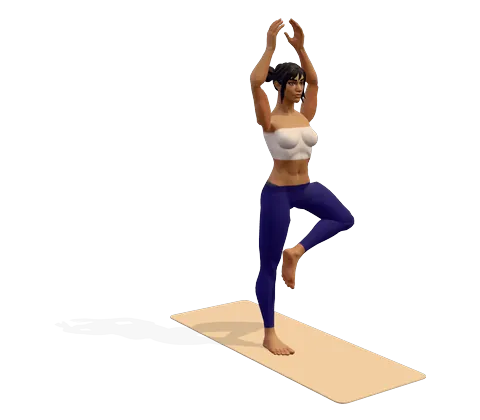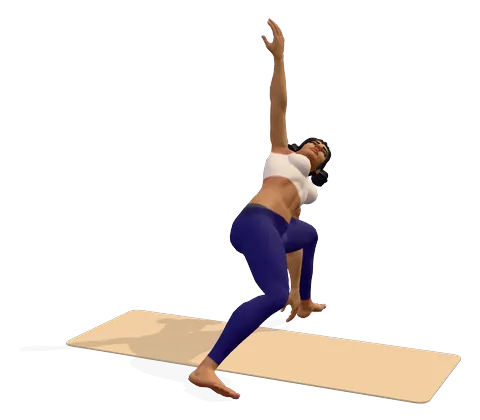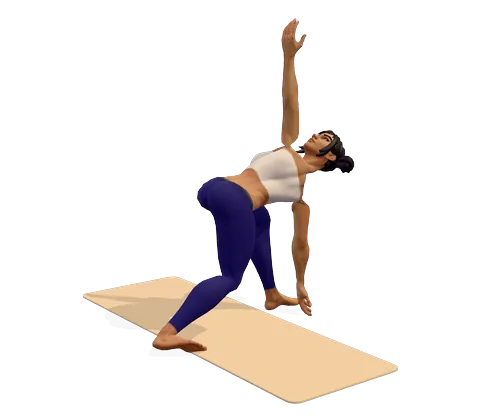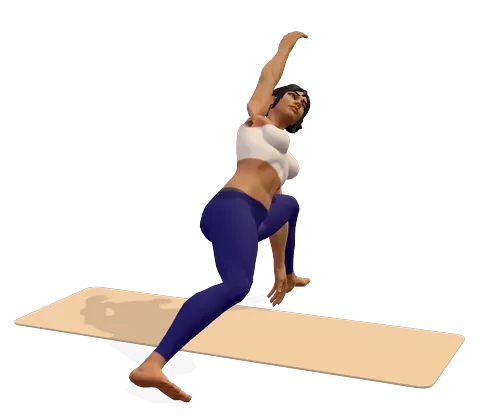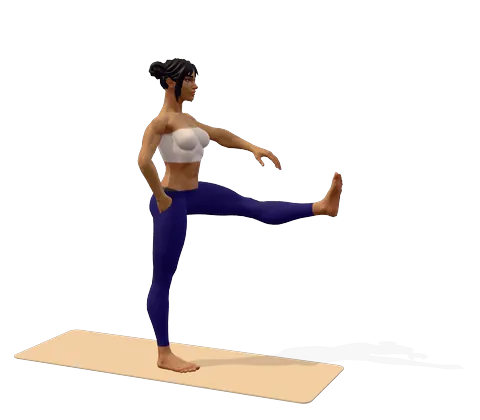
How to do Extended Hand-to-Big-Toe Pose step by step
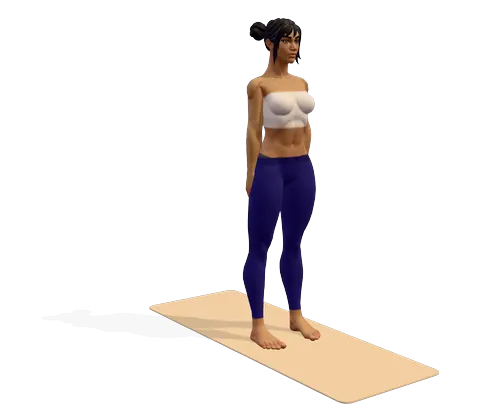
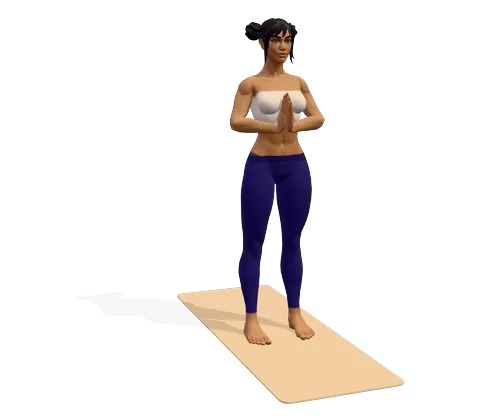
- Stand in Mountain pose. Spread the toes of your right foot, press the base of the big toe down and put your right hand on your right hip.
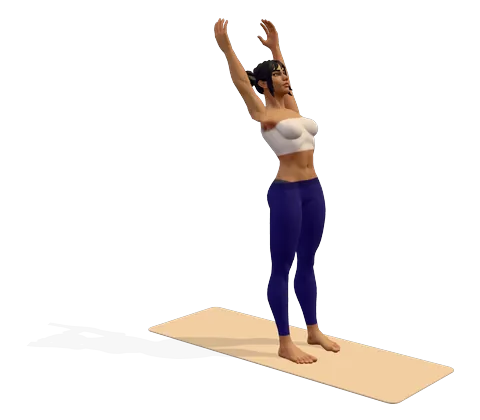
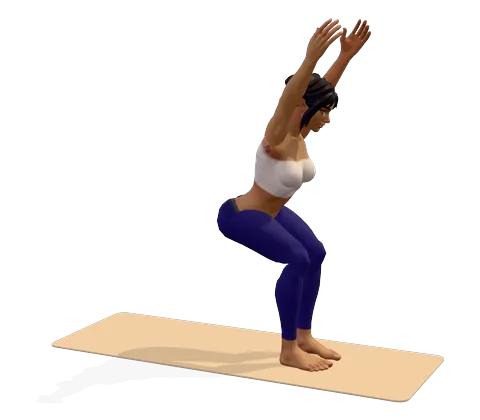
- Fix your gaze on one still point. Bend your left knee, draw it up toward your chest and hook your left big toe with the first two fingers of your left hand (or loop a strap around the ball of the foot).
- Stand tall with both hips level and your standing knee firm but not locked.
- Breathing out, slowly straighten your left leg forward, only as far as you can keep your spine upright. Hip height is the goal; a bent knee is fine.
- Hold for 3–5 steady breaths (about 20 seconds). Keep the chest lifted and the shoulders relaxed.
- To come out, bend the left knee, release the toe and lower the foot to the floor with control. Repeat on the other side.
Where you feel Extended Hand-to-Big-Toe Pose: what it stretches and strengthens
Stand tall on one leg while the lifted leg stretches forward. In the 3D guide, turn on Body guide: areas that stretch glow green and areas that work glow saffron.
Stretches
- Hamstrings
- Calves
Strengthens
- Glutes
- Front thighs
- Abs
Benefits and precautions
Benefits
- Trains balance, focus and steadiness on one leg
- Stretches the hamstrings and calf of the lifted leg
- Strengthens the standing leg, ankle, foot and hip muscles
- Builds core strength to keep the spine upright
- Improves hip control and awareness of alignment
- Prepares you for more advanced standing balances
Avoid or modify if
- Hamstring strain or tear, or sciatica — keep the knee bent or use a strap, or skip it
- Hip, knee or ankle injury on either leg — practise at a wall or with the foot on a chair
- Low blood pressure, vertigo or poor balance — keep one hand on a wall
- Lower back pain — keep the lifted leg low so the spine stays upright
- Pregnancy — balance changes, so use a wall and a strap, and ask your doctor or midwife
- Limited range of motion or pain in the big toe joint — hold a strap instead of the toe
Extended hand-to-big-toe pose (Utthita Hasta Padangusthasana) is a one-legged standing yoga balance: you hold the big toe of one foot and stretch that leg straight out in front at hip height. It combines a strong hamstring stretch with a real test of balance, so it rewards patience. Below you will find how to do it, the benefits, the A, B, C and D stages taught in Ashtanga, easier modifications and who should be careful.
What is Utthita Hasta Padangusthasana?
It is a standing balance from the same family as big toe pose. The Utthita Hasta Padangusthasana translation is word by word: utthita means "extended", hasta means "hand", pada means "foot", angustha means "big toe" and asana means "pose". So its Sanskrit meaning is "extended hand-to-big-toe pose"; in English it is also called the standing big toe hold. In Hindi, Utthita Hasta Padangusthasana is written उत्थित हस्त पादांगुष्ठासन, and its meaning in Hindi is the same: "hand holding the big toe of the extended leg".
How to say Utthita Hasta Padangusthasana: oo-TEE-tah HAH-stah pah-dahn-goosh-TAHS-uh-nuh.
What is a toe hold in yoga? It is the grip used here: the index and middle fingers wrap around the big toe, with the thumb on top. It lets you pull the leg gently without gripping the whole foot.
How to do extended hand to big toe pose
The steps above show how to do Utthita Hasta Padangusthasana safely. These points help you stay up:
- Root the standing foot. Spread all 10 toes while standing and press the base of the big toe down. The big toe and balance are closely linked — try to stand without your big toe pressing down and you will feel how much it steadies you.
- Posture before height. Keep your spine upright and your hips level. A leg lifted to waist height with a tall spine is better than a high leg with a rounded back.
- Bend first, straighten second. Hold the toe with the knee bent, find your balance, then extend the leg slowly.
- Level hips. The hip of the lifted leg tends to hike up. Draw it gently down.
- Soft face, steady gaze. Tension in the jaw and shoulders makes balance harder.
Utthita Hasta Padangusthasana benefits
The main benefits of extended hand to big toe pose are balance and flexibility at the same time:
- Balance and focus. Standing on one leg with the other leg held out demands full attention. It is one of the poses in our Balance and Focus session in the guided sessions, together with tree pose and Warrior III.
- Hamstring flexibility. The lifted leg gets a long stretch through the back of the thigh and calf, like the other big toe pose benefits, but in a standing position.
- Strong feet and ankles. The standing leg works hard, from the big toe on the foot up to the outer hip.
- Core control. Keeping the spine upright while one leg is lifted builds deep abdominal and back strength.
Utthita Hasta Padangusthasana muscles worked
It stretches the hamstrings and calf of the lifted leg. It strengthens the standing-leg quadriceps and gluteal muscles (especially the side hip muscle, gluteus medius), the small muscles of the foot and ankle, the hip flexors of the lifted leg and the core.
Extended hand to big toe pose for beginners: modifications
- Use a strap: loop it around the ball of the foot. This is the most common Utthita Hasta Padangusthasana modification for beginners and lets you keep the leg straight with a tall spine.
- Keep the knee bent: hold the knee or shin instead of the toe.
- Foot on a support: rest the heel on a chair, table or window ledge. In Iyengar yoga, Utthita Hasta Padangusthasana is often taught this way, which builds the shape without the balance.
- Back to a wall: stand with your back against a wall for steadiness.
- Lying down: Utthita Hasta Padangusthasana done lying on your back becomes reclining hand-to-big-toe pose — the easiest way to stretch the hamstrings with no balance needed.
Utthita Hasta Padangusthasana variations: A, B, C and D
In Ashtanga yoga the pose is taught in stages. Labels vary slightly between teachers, but the usual Utthita Hasta Padangusthasana A, B, C and D are:
- A: leg held straight in front; advanced students fold forward and bring the chin toward the shin.
- B: the leg opens out to the side, gaze over the opposite shoulder, which stretches the inner thigh.
- C and D: the leg returns to the front, you may fold once more, then release the hand and hold the leg up on its own with hands on the hips — a strong test of hip-flexor strength.
Other teachers call these stages Utthita Hasta Padangusthasana 1, 2 and 3. A separate twist, revolved extended hand-to-big-toe pose (Parivrtta Utthita Hasta Padangusthasana), holds the foot with the opposite hand and turns the chest toward the lifted leg — an advanced variation.
How to improve Utthita Hasta Padangusthasana: prep poses and sequence
Most people struggle for two reasons: tight hamstrings and wobbly standing feet. Prepare both:
- Foot and balance drills: toe raises while standing (stand on your toes for a few seconds, then lower slowly), and stand heel to toe in a straight line for 30 seconds.
- Hamstring prep poses: a standing forward bend, big toe pose and the reclining version with a strap.
- Balance prep: Mountain pose and tree pose.
A simple Utthita Hasta Padangusthasana sequence: Mountain pose, forward bend, tree, then this pose on each side, and finish with a forward bend to release the hamstrings.
Utthita Hasta Padangusthasana contraindications and precautions
Keep the caution box above in mind. Straight-leg lifting stretches the sciatic nerve as well as the hamstrings, so if you feel tingling, burning or pain travelling down the leg, bend the knee or come out. Don't lock the standing knee. If balance is uncertain, always practise near a wall.
उत्थित हस्त पादांगुष्ठासन — हिंदी में: सीधे खड़े हों और दायाँ हाथ कमर पर रखें। बायाँ घुटना मोड़कर ऊपर लाएँ और बाएँ हाथ की दो उंगलियों से बाएँ पैर का अंगूठा पकड़ें। संतुलन बनने पर धीरे-धीरे पैर आगे सीधा करें। 3–5 साँस रुकें, फिर दूसरी ओर करें। फायदे: संतुलन और एकाग्रता बढ़ती है, जाँघ के पीछे की मांसपेशियाँ खिंचती हैं और खड़ा पैर मज़बूत होता है। ज़रूरत हो तो पट्टा (स्ट्रैप) या दीवार का सहारा लें।
Frequently asked questions
What is Utthita Hasta Padangusthasana?
It is extended hand-to-big-toe pose, a one-legged standing balance in which you hold the big toe of the lifted leg and stretch that leg forward at hip height.
What are the benefits of Utthita Hasta Padangusthasana?
It trains balance and focus, stretches the hamstrings and calf, and strengthens the standing leg, foot, hips and core.
Is extended hand-to-big-toe pose good for beginners?
The full pose is intermediate. Beginners can use a strap, keep the knee bent or rest the foot on a chair, and practise near a wall.
What is Utthita Hasta Padangusthasana B?
In Ashtanga, extended hand-to-big-toe pose B takes the lifted leg out to the side while you look over the opposite shoulder. It stretches the inner thigh and challenges balance even more.
Why can’t I straighten my leg in this pose?
Usually tight hamstrings. Use a strap around the ball of the foot, keep your spine tall and accept a bent knee while flexibility improves.
How long should I hold it?
Hold 3–5 breaths (about 20 seconds) on each side. Repeat a shorter hold rather than straining through a long one.
Who should avoid Utthita Hasta Padangusthasana?
Skip it or use a wall and strap if you have a hamstring tear, sciatica, a hip, knee or ankle injury, low blood pressure or vertigo. In pregnancy, ask your doctor or midwife first.
This page is for general education. Check with your doctor before starting yoga if you are pregnant, have a medical condition or an injury. Stop if you feel pain, dizziness or shortness of breath.