Your back pain yoga plan
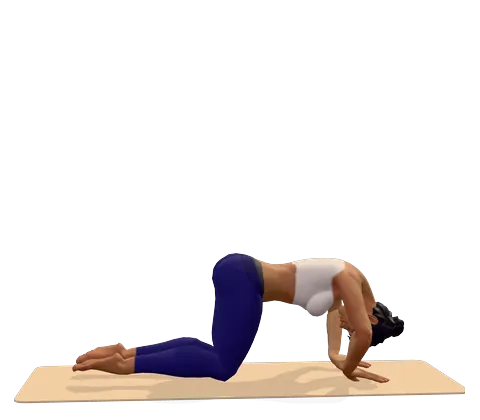 Cat PoseMarjaryasana
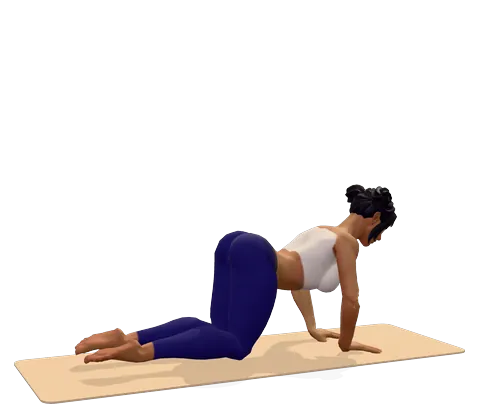 Cow PoseBitilasana
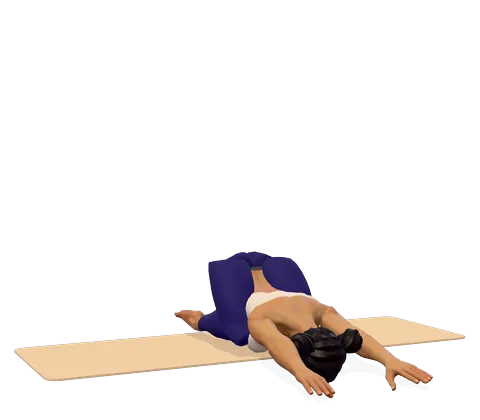 Child’s PoseBalasana
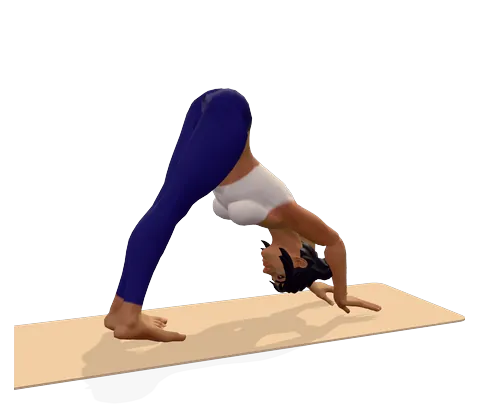 Downward-Facing Dog PoseAdho Mukha Svanasana
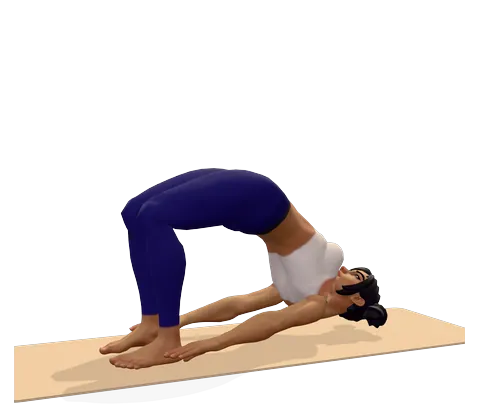 Bridge PoseSetu Bandhasana
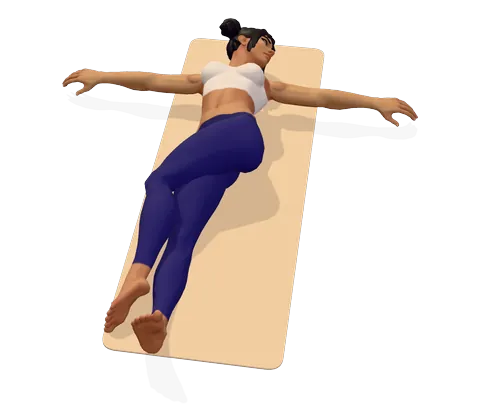 Supine Spinal TwistSupta Matsyendrasana
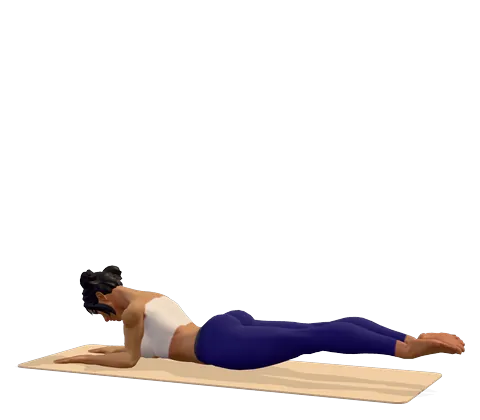 Sphinx PoseSalamba Bhujangasana
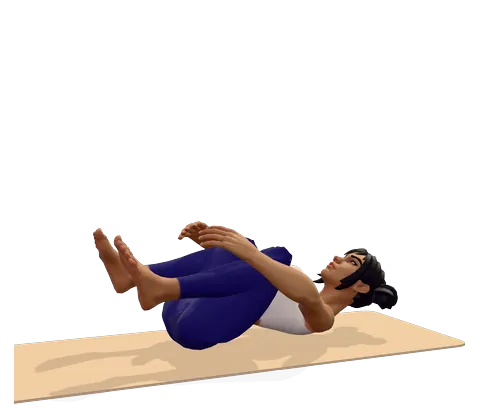 Wind-Relieving PosePavanamuktasana
More poses that help with back pain
Add these once the session above feels easy, or swap one in when a pose does not suit you.
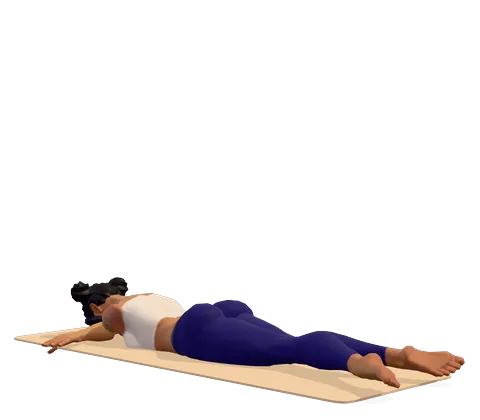 Crocodile PoseMakarasana
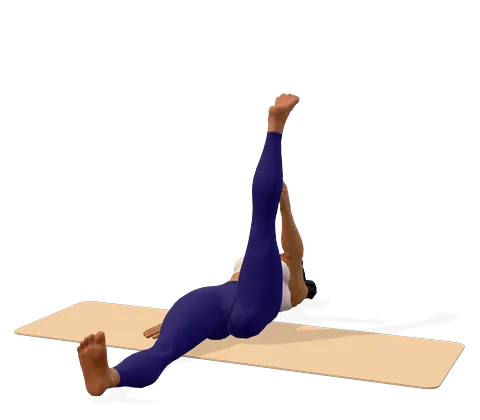 Reclining Hand-to-Big-Toe PoseSupta Padangusthasana
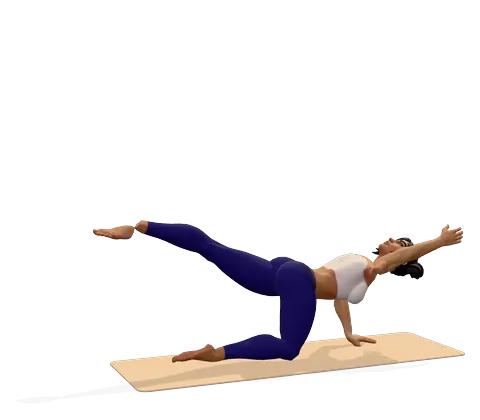 Tiger PoseVyaghrasana
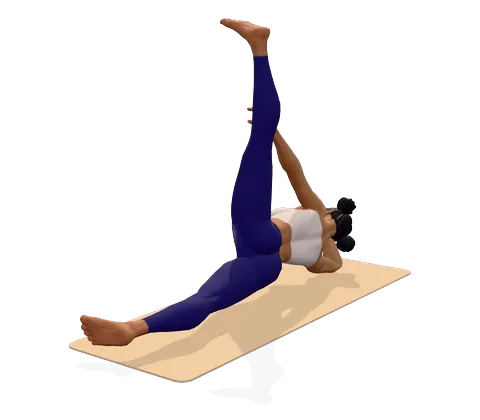 Side-Reclining Leg LiftAnantasana
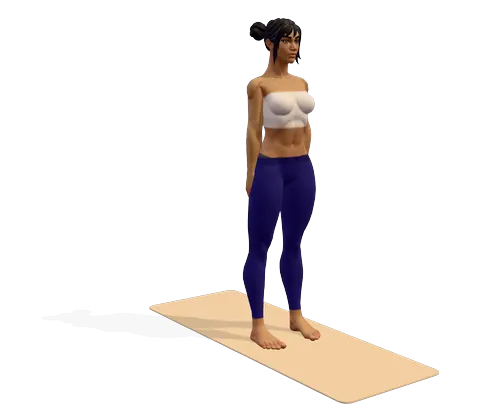 Mountain PoseTadasana
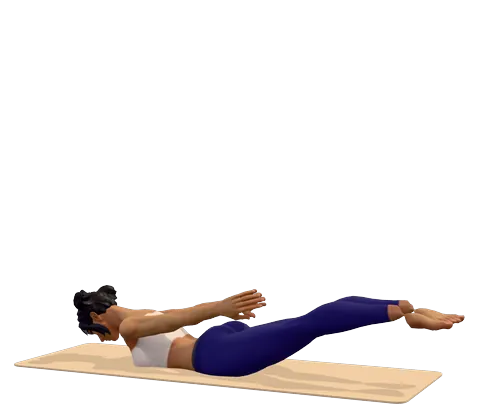 Locust PoseSalabhasana
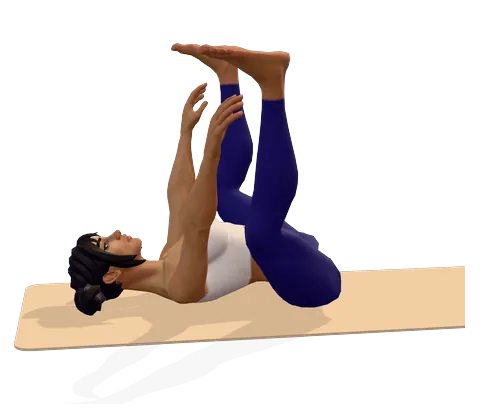 Happy Baby PoseAnanda Balasana
Mudras for back pain
Hold a mudra while you sit for the breathing practice or a few minutes of quiet. Mudras are a traditional practice; research on them is limited.
Breathing practice
Avoid
Deep forward folds with a rounded back during a flare, and any pose that sends pain down the leg.
Strong evidence: Meta-analyses of randomised trials show a benefit.
Yoga for back pain is one of the best-studied uses of yoga. A slow routine of gentle movement, light strengthening and relaxed breathing can ease stiffness, calm a sensitive back and help you move with less fear. This page explains why yoga helps, what the research really shows, how to do each pose in the plan above safely, and which symptoms mean you should see a doctor first.
Why is yoga good for your lower back pain?
Most lower back pain is "non-specific": no single damaged structure explains it. Muscles guard and tighten, the back gets stiffer, and the nervous system becomes more alert to pain. The yoga benefits for lower back pain come from working on several of these links at once.
- Movement without load. Poses like Cat and Cow move each part of the spine through a small, comfortable range. Gentle motion keeps joints and discs nourished and reduces the stiff, "rusty" feeling.
- Strength where you need it. Bridge and Sphinx train the buttock and back muscles that support you when you stand, lift and sit.
- Flexibility around the hips. Tight hamstrings and hip muscles pull on the pelvis. Yoga for lower back pain and hips stretches them slowly, so the lower back does less work.
- A calmer nervous system. Slow breathing and relaxation lower muscle tension and can turn down the "volume" of pain. This is a big reason yoga often feels better than a set of bare stretches.
- Confidence. Moving gently while nothing bad happens teaches your brain that bending and twisting are safe again.
Is yoga good for back pain? What the research says
Yes, for most people with long-lasting (chronic) non-specific low back pain, the benefits of yoga exercises for back pain are well documented, and the evidence is strong enough that this plan is rated "strong". A 2020 meta-analysis of 18 randomised trials found that yoga reduced pain and disability compared with no exercise, and worked about as well as physical therapy exercise. A 2023 overview of 13 systematic reviews reached a similar conclusion: yoga appears effective and safe for chronic low back pain, with the clearest gains in the short term.
The research is also honest about limits. The 2022 Cochrane review (21 trials, 2,223 people) found the average improvement over doing no exercise was small, and that yoga and other back exercise gave similar results for function. Benefits tend to fade if you stop. In plain words: yoga helps, but it is not magic, and regular practice matters more than any single pose.
Is yoga or Pilates good for back pain? Both are reasonable choices. Studies do not show a clear winner between yoga and other exercise for the back, so pick the one you enjoy and will keep doing two or three times a week.
Yoga poses for back pain: why each one is in the plan
Here is how to do yoga for back pain with the poses shown in the plan cards. These are the best yoga poses for lower back pain relief when you are starting out: move slowly, breathe through your nose and stay in a range that feels like a stretch, never a sharp pain.
Cat and Cow: gentle spine mobility
Cat pose rounds your back and Cow pose lets it dip. Together they warm up the whole spine, which makes them useful yoga for mid back pain, upper back pain and lower back stiffness alike. Modify: make the movement small; put a folded blanket under your knees; if your wrists hurt, rest on your forearms or do the same movement seated on a chair.
Child's pose: rest and release
Child's pose gently lengthens the back muscles and is a place to breathe and relax. Modify: spread your knees wide, place a cushion between thighs and calves, or rest your chest on a pillow. If folding forward increases leg pain, skip it.
Downward-facing dog: long spine, loose hamstrings
Downward dog stretches the hamstrings and calves while the spine stays long. Modify: bend your knees generously so your back stays flat rather than rounded, or do "puppy at the wall" with your hands on a wall.
Bridge: strength for the hips and back
Bridge pose strengthens the gluteal muscles, which share the load with your lower back. Modify: lift only a few centimetres, or lift and lower slowly with your breath instead of holding.
Supine spinal twist: relieve tension
Supine twist releases the muscles beside the spine. Modify: keep both knees bent and let them drop only part of the way, with a pillow under them.
Sphinx: a supported backbend
Sphinx pose is a mild extension on your forearms. Many people with disc-related pain find it soothing. Modify: stack your fists under your forehead and just rest. If arching pinches, lower down; people with spinal stenosis often prefer to skip it.
Wind-relieving pose: easy flexion
Wind-relieving pose hugs the knees towards the chest to stretch the lower back and buttocks. Modify: hug one knee at a time and keep your head on the floor.
Breathing practice: Nadi Shodhana
Finish with three to five minutes of Nadi Shodhana (alternate nostril breathing), sitting on a chair if the floor is uncomfortable. The slow, even rhythm relaxes the muscles that guard a painful back. Keep the breath smooth, with no holding if you feel strained.
A weekly routine for back pain relief at home
How often should you do yoga for back pain? Most trials used two or three sessions a week for about 12 weeks. Short daily practice is fine too, as long as your pain does not increase the next day.
| Day | What to do | Time |
|---|---|---|
| Monday | Guided session on this page, gentle version | 10–15 min |
| Tuesday | Walk, then Cat–Cow and Bridge only | 20 min |
| Wednesday | Guided session plus Nadi Shodhana | 15–20 min |
| Thursday | Rest, or a 5-minute stretch break at your desk | 5 min |
| Friday | Guided session, longer holds if comfortable | 15 min |
| Saturday | Walk or swim; Wind-relieving pose before bed | 20–30 min |
| Sunday | Rest or a relaxation practice | 10 min |
On a busy day, a quick 10-minute round of Cat–Cow, Bridge and Wind-relieving pose still counts. After four to six weeks you can hold poses longer or add standing poses. To design your own yoga sequence for lower back pain to do at home, use our free sequence builder.
Yoga for back pain for beginners, seniors, women and office workers
Beginners
All the yoga poses in this plan suit beginners with back pain, including those who want yoga for upper back pain. Yoga stretches for back pain beginners should feel easy: start with the shortest hold setting, do each pose once, and add a second round only when the first feels comfortable.
Seniors
For older adults, chair yoga for back pain for seniors is a safe start: seated cat–cow, seated twists and gentle forward bends with hands on the thighs. Get up from the floor slowly, and ask your doctor first if you have osteoporosis, because deep forward folds and strong twists may need to be avoided.
Women: periods, pregnancy and after a C-section
Yoga for back pain during periods can include Child's pose, Wind-relieving pose and Supine twist with a pillow. If back pain comes with pregnancy, practise yoga without lying on your front or deep twists, and follow a prenatal class or your midwife's advice. If you want yoga for back pain after a C-section, wait until your doctor clears you for exercise, usually after the six-week check, and begin with breathing and gentle pelvic tilts.
Office workers and men: yoga for back pain from sitting
Long sitting stiffens the hips and upper back, and yoga for back pain in men who sit or lift all day follows the same plan. Stand up every 30–45 minutes, do seated cat–cow, and roll your shoulders. This also helps when you need yoga for back pain and neck pain together, or for back and shoulder pain from a laptop.
What to avoid, and can yoga cause lower back pain?
Yoga is generally safe, but it can cause lower back pain if you push too far. The Cochrane review found yoga had more side effects than no exercise, mostly a temporary increase in back pain, and about the same as other exercise. To stay safe:
- Avoid deep forward folds with a rounded back during a flare, and any pose that sends pain down the leg.
- Avoid fast flows, hot yoga and advanced backbends until your back is calm.
- Mild muscle soreness the next day is normal. Lower back pain after yoga that lasts more than a day means you did too much: shorten holds and reduce the range.
- Keep taking any medicine your doctor prescribed and follow your physiotherapist's exercises.
See a doctor first, or urgently, if back pain follows a fall or accident; comes with fever, unexplained weight loss or a history of cancer; is severe at night; or comes with numbness around the genitals or bottom, new problems controlling your bladder or bowels, or weakness in the legs. Back pain and leg pain together, spreading below the knee with numbness, need a check too; for yoga for back pain and sciatica, read our page on yoga for sciatica.
Kamar dard ke liye yoga: yoga asanas for back pain in Hindi
कमर दर्द के लिए योग — हिंदी में रोज़ 10–15 मिनट धीरे-धीरे मार्जरी-बितिलासन (कैट-काउ), बालासन, सेतुबंधासन और सुप्त मत्स्येन्द्रासन करें। हर आसन में आराम से साँस लें और जहाँ दर्द तेज़ हो वहाँ रुक जाएँ। कमर में दर्द हो तो झटके से आगे न झुकें और भारी वज़न न उठाएँ। अगर दर्द पैर में जाए, पैर सुन्न हो या पेशाब पर नियंत्रण न रहे तो तुरंत डॉक्टर को दिखाएँ। योग इलाज में मदद करता है, पर डॉक्टर की दवा बंद न करें।
Whether you search for kamar dard ke liye exercise or ask "kamar me dard ho to kya kare", the answer is the same in any language: keep moving gently, avoid bed rest, and get checked if red-flag symptoms appear.
Start the guided session
Ready to try? Start the guided back pain session at the top of this page. The 3D figure shows each pose, the voice guides you in 28 languages, and you can pick shorter holds on a bad day. Practise with your back pain, not against it.
Research behind this plan
- Zhu 2020, PLOS ONE — meta-analysis of 18 RCTs: yoga reduced pain and disability in chronic low back pain vs non-exercise and was similar to physical therapy exercise
- Zhang 2023, Frontiers in Neurology — overview of 13 systematic reviews: yoga appears effective and safe for chronic low back pain, mainly in the short term
- Wieland 2022, Cochrane Database of Systematic Reviews — 21 trials: small improvements vs no exercise, little difference vs other back exercise
- NCCIH (US National Institutes of Health) — Yoga: What You Need To Know, including low back pain and safety
Frequently asked questions
Can yoga cure back pain?
No exercise can promise a cure, and yoga does not repair a damaged disc. Research shows yoga can reduce pain and improve day-to-day function in chronic low back pain, about as much as other back exercise. It works best as part of treatment, alongside staying active and your doctor's advice.
Does yoga help with lower back pain that keeps coming back?
Often, yes. Regular practice keeps the back mobile and the hip and trunk muscles strong, which may make flare-ups less frequent. Benefits in studies faded when people stopped, so a short routine two or three times a week is the key.
Is yoga safe for back pain with a slipped disc?
Many people with disc problems practise gentle yoga, but ask your doctor or physiotherapist first. Avoid rounded forward folds and anything that increases leg pain or numbness. Supported poses such as Sphinx and Bridge are usually better tolerated than deep bends.
How long before yoga helps back pain?
Some people feel looser after the first session. Studies usually measure results after 6 to 12 weeks of practice two or three times a week, so give it at least a month before judging.
What is the best yoga for lower back pain?
There is no single best pose. A mix of gentle mobility (Cat and Cow), strengthening (Bridge), a supported backbend (Sphinx) and relaxation works better than one stretch. Choose the versions that ease your pain rather than increase it.
Is yoga good for back problems and a bad back if I am over 60?
Yes, with sensible changes. Chair yoga and poses done lying on the floor are safe starting points. If you have osteoporosis, avoid deep forward folds and strong twists, and ask your doctor which movements suit you.
Should I do yoga with acute back pain?
In the first days of a new, sharp episode, rest only as much as you need and walk gently. Once you can move around, easy poses like Wind-relieving pose and small Cat–Cow movements are usually fine. Stop anything that makes the pain spread down a leg.
Medical note: yoga supports treatment; it does not replace it. Keep taking prescribed medicine and talk to your doctor before you start, especially with heart disease, uncontrolled blood pressure, recent surgery, pregnancy, epilepsy or severe pain. Read our medical disclaimer.