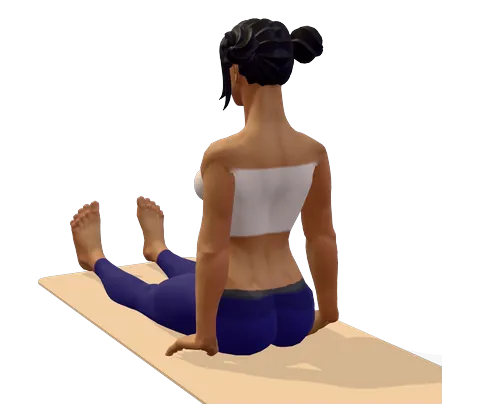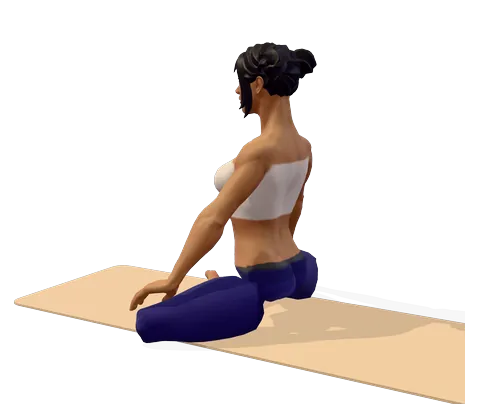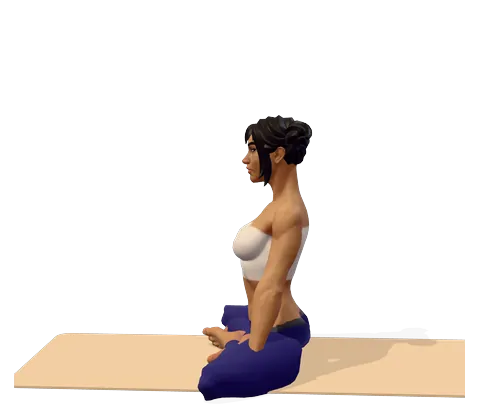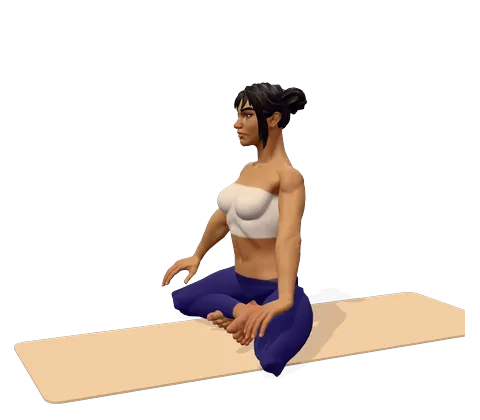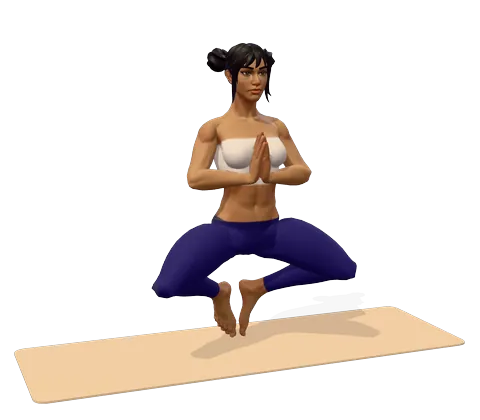
How to do Cowherd Pose step by step
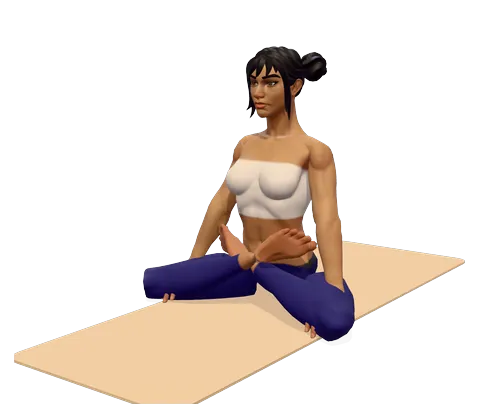
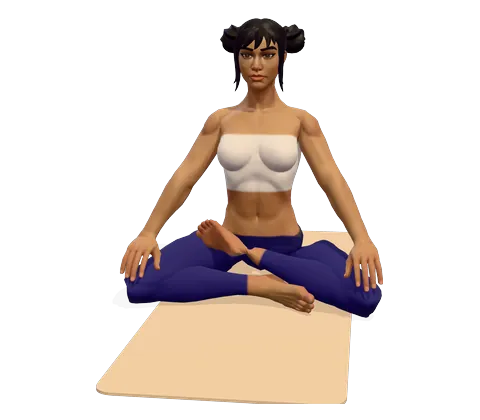
- Sit on a folded blanket with the soles of your feet together, as in bound angle pose, heels a comfortable distance from your body.
- Place your hands on the floor in front of you and lean forward, taking some of your weight into your hands.
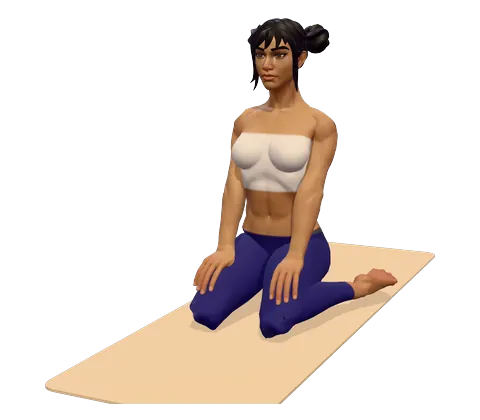
- Keep the soles and toes pressed together, lift your heels and roll forward onto the balls of your feet and toes, so the heels point upward.
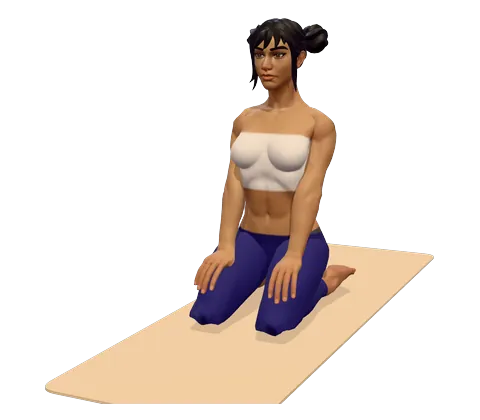
- Slowly sit back until your pelvis rests just above, or lightly on, your heels. Let your knees move wide and down toward the floor.
- Lift your chest, lengthen your spine and bring your palms together in front of your chest. Keep your gaze soft and steady on one point.
- Stay for 3–5 slow breaths (about 20–30 seconds) at first, and build up only as your ankles and knees allow.
- To come out, place your hands on the floor, lean forward, lower your heels and sit down, then stretch your legs out and shake them loose.
Where you feel Cowherd Pose: what it stretches and strengthens
Balance on your toes with heels together and spine tall. In the 3D guide, turn on Body guide: areas that stretch glow green and areas that work glow saffron.
Stretches
- Inner thighs
- Ankles
- Knees
Strengthens
- Front thighs
- Spine
Benefits and precautions
Benefits
- Stretches the inner thighs, groin and the tops and soles of the feet
- Strengthens the small muscles of the feet, toes and ankles
- Trains balance and steady attention, as the base is small
- Encourages an upright spine and quiet breathing; traditionally used before meditation
- Builds awareness of the pelvic floor, which traditional texts link with Mula Bandha
Avoid or modify if
- Knee injury, meniscus damage or knee replacement — the deep bend and rotation can strain the knee; stay with bound angle pose
- Ankle, foot or toe problems (sprains, bunions, arthritis of the big toe) — the weight on the toes can aggravate them
- Groin strain or hip replacement — avoid the wide, loaded knee position
- Pregnancy — choose bound angle pose instead; balancing on the toes is not worth the risk
- Stop at any sharp pain in the knees, ankles or groin; pressure and stretch are normal, pain is not
Cowherd pose (Gorakshasana) is a seated balance: the soles of the feet press together, the heels lift, and you sit upright over your heels with the knees wide and the palms joined at the chest. It asks a lot of the knees, ankles and feet, so it is rated advanced, but it is also one of the traditional seated postures for meditation. This page explains the name, the different versions you may meet, how to build up to it safely and who should skip it.
What is Gorakshasana? Cowherd meaning
In English, the cowherd meaning is simple: a cowherd is a person who looks after cattle. The Sanskrit word is made of go (cow) and raksha (protection), so a goraksha is a "protector of cows". That is the cowherd definition the pose name uses, and it is also the name of one of the most famous yogis in Indian history. You may also see it spelt Gorakhasana; in Hindi it is गोरक्षासन.
Gorakshanath, better known as Gorakhnath, was a yogi of the Nath tradition and a disciple of Matsyendranath, who gave his name to Ardha Matsyendrasana. Tradition credits Gorakhnath with spreading Hatha yoga, and several early Hatha texts carry his name. Baba Gorakhnath is still widely honoured: the city of Gorakhpur is named after him, and the Gorakhnath temple (Gorakhnath Mandir) in Gorakhpur is an important centre of the Nath tradition.
Which Gorakshasana? Three versions
Different schools use the name for different shapes, which is confusing when you look it up:
- On the toes (shown in the 3D guide): soles together, heels lifted, the pelvis over the heels and the knees wide. This is the version taught in many Indian yoga schools and the one described on this page.
- The Hatha Yoga Pradipika version: this classic text describes a seat with the soles together and the heels drawn in under the body, held with the hands. It calls the pose Bhadrasana and notes that the siddhas call it Gorakshasana.
- Gorakshasana in Iyengar yoga: in B.K.S. Iyengar's teaching the name is given to a very advanced balance on the knees with the legs in lotus pose and the hands joined in prayer. Do not try it without a full, pain-free lotus.
How to do Gorakshasana safely
Follow the steps above slowly. These details matter more than depth:
- Warm up first. Never go into it cold. Two or three minutes in bound angle pose and a squat prepare the hips and ankles.
- Use your hands as long as you need. Keep your fingertips on the floor, or on blocks, until you feel steady.
- Keep the feet together. Pressing the soles and toes firmly into each other is what makes the base stable.
- Do not force the knees down. They lower with time. Pushing them toward the floor strains the knee joints and groin.
- Soft, steady gaze. Looking at one point in front of you makes balancing much easier.
How long to hold it
Start with 20–30 seconds. Experienced practitioners who use it as a meditation seat stay longer, but only when the knees and feet stay comfortable. If your toes or ankles start to ache, come out and stretch the legs.
Gorakshasana benefits
Most Gorakshasana benefits come from the shape itself. The inner thighs and groin stretch, the feet and toes are stretched and strengthened at the same time, and the small base trains balance. Because you have to sit very upright and breathe quietly to stay steady, the pose also trains concentration, which is why it has long been used as a seat for breathing and meditation.
Traditional texts connect the pose with the pelvic floor and with Mula Bandha, the "root lock" (see our guide to bandhas). Older texts make large claims about curing disease; there is no evidence for these, and no single pose treats any illness.
Gorakshasana for beginners: easier versions and prep
Most people need weeks or months of preparation. These poses build what the full pose needs:
- Bound angle pose: the same leg shape with the heels down. Sit on a blanket and hold it for a minute or two.
- Toe stretch: kneel in Vajrasana with your toes tucked under and sit back on your heels for 20–30 seconds. It prepares the toes for bearing weight.
- Garland pose (squat): builds ankle mobility and balance over the feet.
- Half version: lift the heels with the hands still on the floor or on blocks, and stay there without sitting back.
When you can sit comfortably in these, try the full pose next to a wall so you can steady yourself with one hand.
Not the same as cow pose or cow face pose
Because of the "cow" in the English name, cowherd pose is easily confused with other yoga poses. Cow pose (Bitilasana) in yoga is an all-fours spine movement, usually paired with cat pose; the benefits of cat–cow are a mobile, warmed-up spine. Cow face pose (Gomukhasana) stacks the knees and clasps the hands behind the back; cow face pose benefits are mainly a stretch for the outer hips and shoulders. Gorakshasana has nothing in common with either except the cow.
Gorakshasana precautions
This is not a pose to rush. The caution box above lists who should skip it — mainly anyone with knee, ankle, toe, groin or hip problems, and anyone who is pregnant. For them, bound angle pose on a blanket gives a similar hip opening with none of the load on the toes and knees. If you feel sharp pain inside the knee at any point, stop straight away.
Frequently asked questions
What does Gorakshasana mean?
"Go" means cow and "raksha" means protection, so Goraksha means cowherd, or protector of cows. It is also the name of the yogi Gorakshanath (Gorakhnath), after whom the pose is named.
Is Gorakshasana suitable for beginners?
Not in its full form. Beginners should start with bound angle pose, a supported squat and a kneeling toe stretch, and try the half version with the hands on the floor.
What are the benefits of Gorakshasana?
It stretches the inner thighs, groin and feet, strengthens the toes and ankles, and trains balance and concentration. It is traditionally used as a seat for breathing practice and meditation.
Who should not do Gorakshasana?
Skip it with knee problems or a knee replacement, ankle or toe injuries, bunions, groin strain, a hip replacement, or during pregnancy. Bound angle pose is the safer alternative.
What is Gorakshasana in Iyengar yoga?
In the Iyengar tradition the name refers to an advanced balance on the knees with the legs in full lotus and the hands in prayer. It is a different shape from the toe balance shown here.
Is cowherd pose the same as cow pose?
No. Cow pose (Bitilasana) is an all-fours spine movement. Cowherd pose (Gorakshasana) is a seated balance on the toes with the soles together.
This page is for general education. Check with your doctor before starting yoga if you are pregnant, have a medical condition or an injury. Stop if you feel pain, dizziness or shortness of breath.