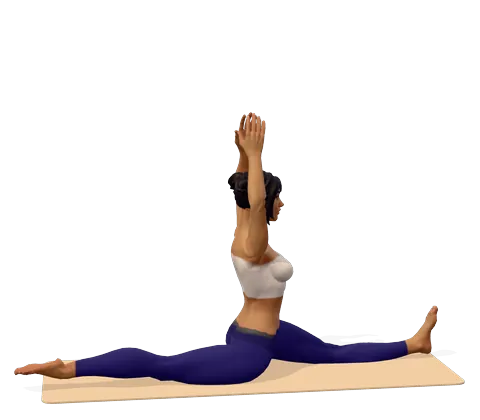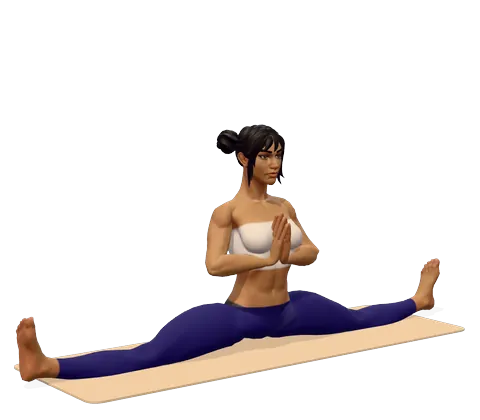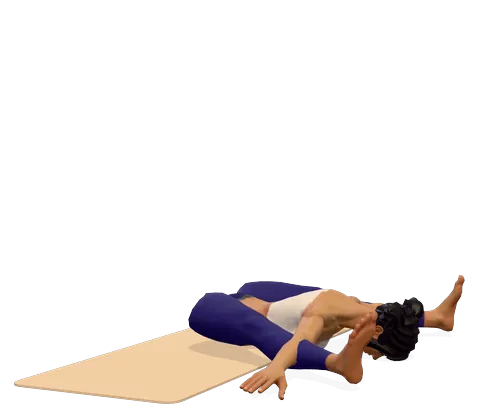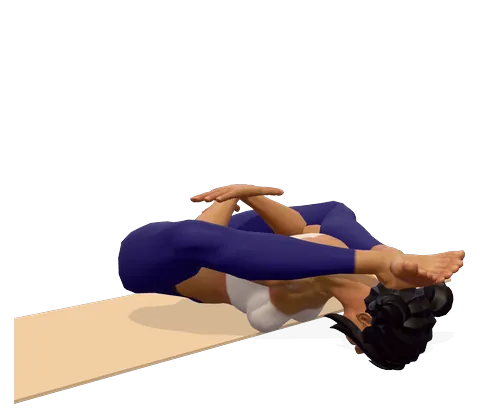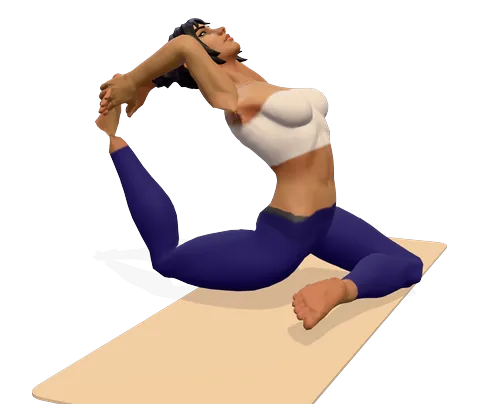
How to do King Pigeon Pose step by step
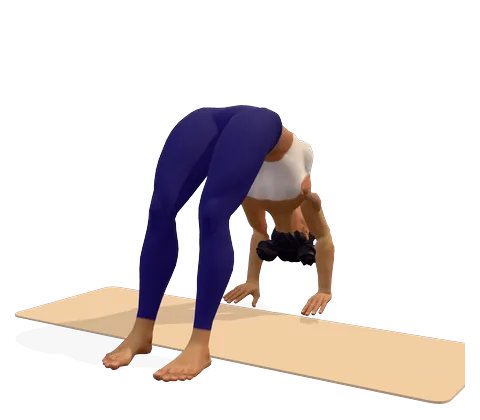
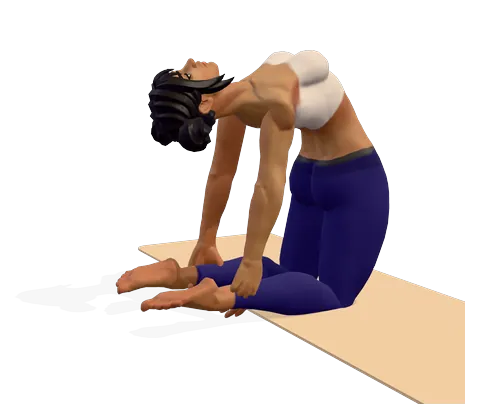
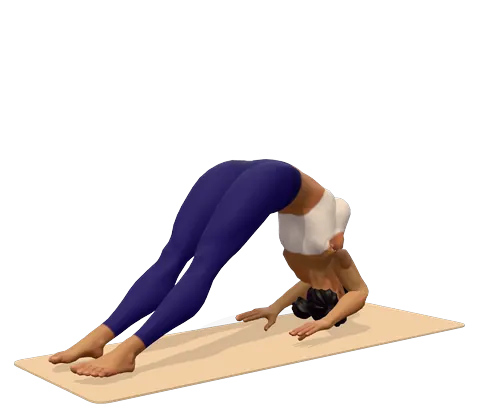
- Warm up for at least 10 minutes: sun salutations, low lunges, a quad stretch, shoulder openers and a few camel or bow poses.
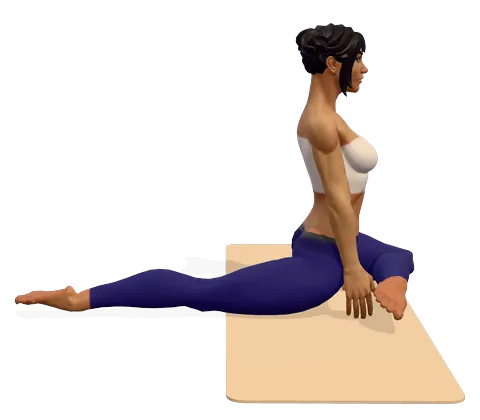
- Come into pigeon pose with your left leg forward and your right leg straight back. Level your hips, using a blanket under the left hip if needed.
- Lift your chest and bend your right knee so your right foot rises toward the ceiling. Hold the foot with your right hand, or loop a strap around it.
- Turn your right elbow to point up, so your hand grips the foot from above. Then reach your left arm overhead and take the foot (or the strap) with both hands, elbows pointing up.
- Press your hips down, lift your chest and draw the foot toward your head. Let your head move back only as far as your neck allows.
- Hold for 3–5 breaths (about 10–20 seconds), breathing into the front of your chest.
- Release slowly: let go with one hand at a time, lower the back leg and rest in child's pose. Repeat on the other side.
Where you feel King Pigeon Pose: what it stretches and strengthens
Open your chest up and reach back toward your foot. In the 3D guide, turn on Body guide: areas that stretch glow green and areas that work glow saffron.
Stretches
- Hip flexors
- Front thighs
- Chest
Strengthens
- Lower back
- Upper back
Benefits and precautions
Benefits
- Stretches the hip flexors and quadriceps of the back leg very deeply
- Stretches the outer hip and buttock of the front leg
- Opens the chest, the front of the shoulders and the abdomen
- Builds shoulder and spine mobility for other deep backbends
- Strengthens the back muscles that hold the chest lifted
Avoid or modify if
- Back injury, disc problems, spondylolisthesis or spinal stenosis — do not practise it
- Pregnancy — skip it
- High blood pressure or heart disease
- Knee, hip, sacroiliac or shoulder injury, or a hip replacement
- Not for beginners or a cold body — only after a full warm-up and when pigeon, camel and bow feel easy
- Stop if you feel pinching in the lower back, knee pain or tingling in the arms
King pigeon pose, usually taught as one-legged king pigeon (Eka Pada Rajakapotasana), is an advanced yoga backbend built on top of pigeon pose. The front leg is folded as in pigeon, the back knee bends, and both hands hold the back foot overhead while the chest lifts and the spine arches. It demands open hips, open shoulders and a flexible back all at once. This guide explains how to prepare, how to get into it safely with a strap, its benefits and risks, and who should not try it.
What is king pigeon pose?
The king pigeon pose Sanskrit name is built from raja ("king"), kapota ("pigeon") and asana ("pose"). With eka pada ("one leg") in front, the name means "one-legged king of the pigeons". Why is it called pigeon pose? The lifted, rounded chest looks like a pigeon puffing out its breast. The Eka Pada Rajakapotasana pronunciation (also written Eka Pada Raja Kapotasana) is roughly "AY-kuh PAH-duh RAH-juh-koh-poh-TAHS-uh-nuh". In Hindi it is एक पाद राजकपोतासन.
The names are used loosely, so it helps to know three versions:
- One-legged king pigeon (shown by the 3D guide): front leg in pigeon pose, back foot held overhead with both hands.
- Eka Pada Rajakapotasana II: the front foot stands flat as in a lunge, and the back foot is held overhead. Some teachers call it king pigeon pose 2.
- Full Raja Kapotasana: a kneeling backbend where the head rests on the feet. It is one of the most extreme backbends in yoga.
King pigeon pose preparation
King pigeon pose is not a beginner pose. Before trying it, you should be able to hold these without pain:
- Pigeon pose with proper form: level hips and no knee pain.
- Low lunge with a quad stretch: hold the back foot and draw it toward the buttock. This is the most important preparation, because tight quadriceps and hip flexors stop most people.
- Camel and bow pose: to open the front of the body and the back.
- Shoulder openers: arms overhead with elbows bent, as in the arm position of cow face pose. You need to lift the arms fully overhead with the elbows pointing up.
Warm up for at least 10 minutes first, for example with Surya Namaskar. Never attempt deep backbends cold.
How to get into king pigeon pose
The king pigeon pose steps above show the full entry. The tricky part is the grip: you must turn the hand so the elbow points up, not out to the side. That rotation lets the shoulder open overhead instead of twisting.
King pigeon pose with a strap
For most people the strap is the key. Loop a strap around the back foot, hold it with both hands over your head, and walk your hands down the strap only as far as your shoulders and back allow. Each week you may get a little closer to the foot. There is no rush; forcing the grip is how shoulders and lower backs get hurt.
How to cue pigeon pose into king pigeon
- Hips down and level. The deeper backbend depends on a stable base.
- Lift before you bend. Lengthen the spine and lift the chest before you draw the foot toward your head.
- Elbows to the ceiling. Let the upper arms move beside the ears.
- Neck last. The head moves back only once the chest is open. Do not throw the head back.
- Keep breathing. If the breath gets short, ease off.
King pigeon pose yoga benefits
Raja Kapotasana benefits come from stretching almost the whole front of the body at once:
- Hip flexors and quadriceps: the back leg gets one of the deepest thigh stretches in yoga.
- Outer hip: the front leg keeps the pigeon stretch through the buttock.
- Chest and shoulders: the arms overhead open the chest, armpits and front shoulders.
- Back strength and mobility: the back muscles lift the chest and the spine moves into deep extension.
One-legged king pigeon pose benefits are mostly about flexibility and body control. It is not a therapy pose. What is pigeon pose good for, then? For tight hips, regular pigeon or a gentle lunge is the better choice. With lower back pain, skip king pigeon; a chair yoga pigeon pose, with one ankle resting on the opposite knee, is far gentler.
King pigeon pose anatomy
What muscles does the pigeon pose stretch once you add the backbend? Almost the whole front of the body, while the back works hard:
| Stretches | Works (strengthens) |
|---|---|
| Psoas, rectus femoris and quadriceps of the back leg | Back muscles along the spine |
| Piriformis and glutes of the front leg | Shoulders and triceps that hold the foot |
| Chest, abdomen and latissimus dorsi | Deep core, which protects the lower back |
King pigeon pose variations
- King pigeon pose for beginners: in pigeon, bend the back knee and hold the foot with the same-side hand only. This one arm king pigeon pose is the first step.
- Mermaid pose: hook the back foot into the crook of the elbow and clasp the hands. King pigeon pose vs mermaid: mermaid needs less shoulder flexibility but just as much hip and thigh opening.
- Standing king pigeon pose: a standing balance with the back foot held overhead, very close to the full expression of dancer pose.
- King pigeon split pose: with the front leg straight in the splits, for very advanced students.
- Supta Eka Pada Rajakapotasana: a reclined, gentler shape; for most people it means the figure-4 stretch on the back. In pigeon pose vs figure 4, the figure 4 is safer for knees.
A simple king pigeon pose sequence
Sun salutations, low lunge with quad stretch, camel, bow, pigeon, then king pigeon on each side, with child's pose between rounds. Finish with a gentle twist and a few minutes lying down. You can save your own version in the sequence builder.
Who should avoid king pigeon pose?
This is an advanced backbend with real risks. Do not practise it with a back injury, disc problem, spondylolisthesis or spinal stenosis, during pregnancy, or with high blood pressure or heart disease. Knee, hip, sacroiliac and shoulder injuries also rule it out. Stop at once if you feel pinching in the lower back, knee pain or tingling in your arms. If you are unsure, ask a physiotherapist or experienced teacher.
एक पाद राजकपोतासन (King Pigeon Pose) — हिंदी में: यह कठिन आसन है; पहले कम से कम 10 मिनट शरीर गरम करें। कपोतासन में बायाँ पैर आगे रखें, दायाँ घुटना मोड़कर पैर ऊपर उठाएँ और दोनों हाथ सिर के ऊपर से ले जाकर पैर पकड़ें (या पट्टा इस्तेमाल करें)। छाती ऊपर उठाएँ, 10–20 सेकंड रुकें और धीरे से छोड़ें। इसके फायदे: जाँघें, कूल्हे, छाती और कंधे गहराई से खुलते हैं। कमर की चोट, गर्भावस्था या हाई बीपी में यह आसन न करें।
Frequently asked questions
What is one-legged king pigeon pose?
It is an advanced backbend: the front leg is folded as in pigeon pose, the back knee bends and both hands hold the back foot overhead while the chest lifts.
How long does it take to learn king pigeon pose?
It varies a lot. People with open hips and shoulders may manage it in months; others need years. Progress with a strap and never force the grip.
What are the benefits of king pigeon pose?
It deeply stretches the hip flexors, thighs, chest and shoulders, stretches the outer hip of the front leg and builds back mobility and strength.
Can beginners do king pigeon pose?
No. Beginners should practise pigeon, low lunge with a quad stretch, camel and bow first, and use a strap when they start.
What is the difference between pigeon and king pigeon?
Pigeon is a hip stretch with the chest upright or folded forward. King pigeon adds a deep backbend, with the back foot held overhead.
Who should not do Raja Kapotasana?
Anyone with a back injury, pregnancy, high blood pressure, heart disease, or knee, hip or shoulder injuries.
What is king pigeon pose called in Hindi?
It is called एक पाद राजकपोतासन (Eka Pada Rajakapotasana) — "raja" means king and "kapota" means pigeon.
This page is for general education. Check with your doctor before starting yoga if you are pregnant, have a medical condition or an injury. Stop if you feel pain, dizziness or shortness of breath.