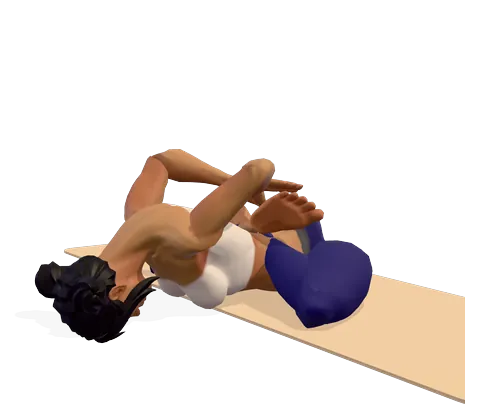
How to do Psychic Union Pose step by step
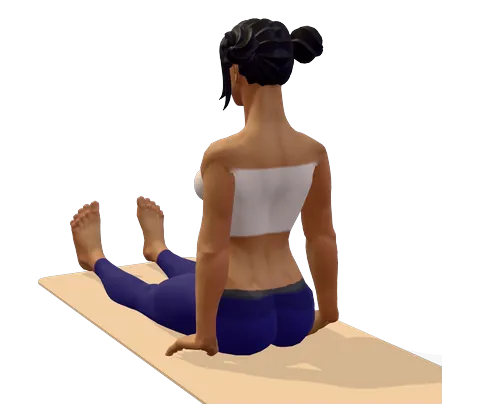
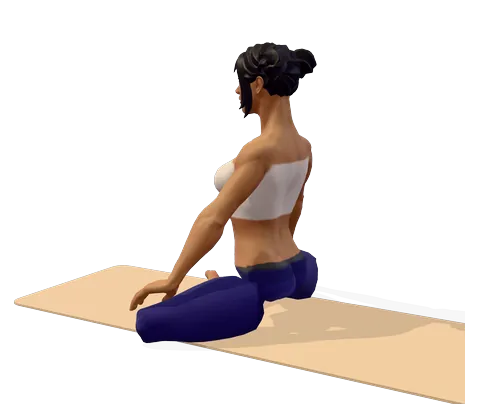
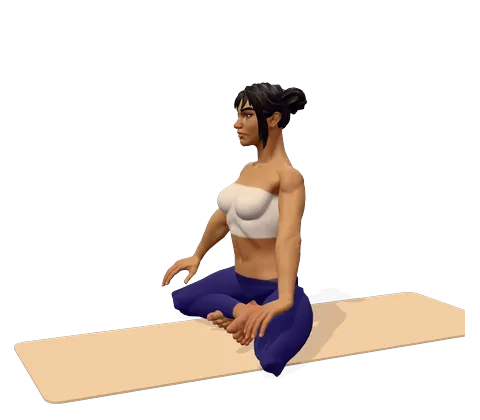
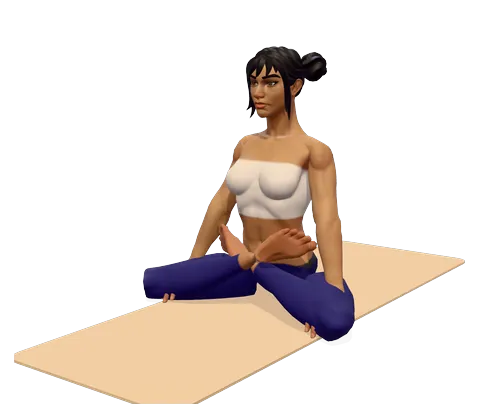
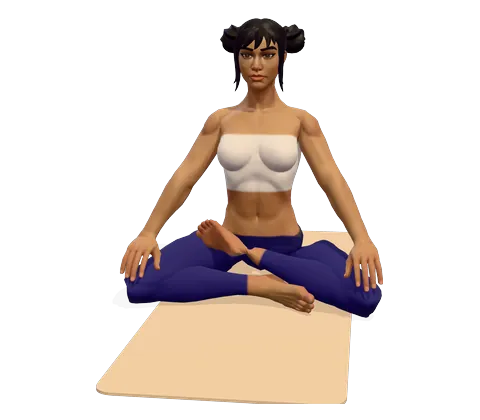
- Sit in Padmasana (lotus): right foot on the left thigh, left foot on the right thigh, knees resting down. Only continue if lotus is comfortable for your knees.
- Take both hands behind your back and hold one wrist with the other hand, resting them on your lower back.
- Sit tall and breathe in. Relax your shoulders and draw your belly gently in.
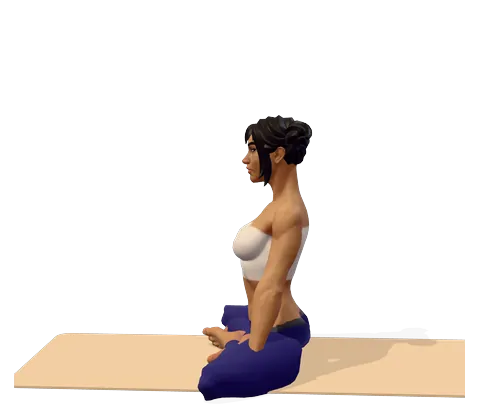
- Breathe out and fold forward slowly from the hips, keeping your back long, until your forehead comes toward the floor in front of your knees.
- Rest your forehead on the floor or on a folded blanket. Keep your hands clasped and your shoulders soft; breathe slowly.
- Stay for 15–30 seconds (3–6 breaths) at first. Build up gradually with practice.
- Breathe in and roll up slowly to sitting. Release the hands, then release the legs one at a time and stretch them out. Next time, cross the legs the other way.
Where you feel Psychic Union Pose: what it stretches and strengthens
Keep your hands clasped behind you and fold forward from the hips. In the 3D guide, turn on Body guide: areas that stretch glow green and areas that work glow saffron.
Stretches
- Lower back
- Shoulders
- Knees
Strengthens
- Abs
Benefits and precautions
Benefits
- Stretches the lower and middle back and the fronts of the shoulders
- Gently compresses the abdomen; traditionally used to support digestion
- Deepens the hip opening of lotus pose
- Calms the mind and prepares you for meditation and pranayama
- Builds body awareness and patience in a steady, folded position
Avoid or modify if
- Anyone who cannot sit comfortably in full lotus — use the Vajrasana or cross-legged version instead
- Knee, ankle or hip injury, or a knee replacement — never force the lotus legs
- Slipped disc, sciatica or acute lower back pain — avoid deep forward folds; ask a physiotherapist
- Pregnancy, hernia or recent abdominal surgery — the fold presses on the abdomen
- Glaucoma, high blood pressure, heart disease or vertigo — keep the head above the heart or skip the fold
Psychic union pose (Yoga Mudrasana) is a seated forward fold done in lotus, with the hands clasped behind the back and the forehead lowered toward the floor. It combines a hip opener, a back stretch and an inward, meditative focus in one shape. It is rated intermediate (level 3) because it needs a comfortable full lotus first. This guide explains what it is, how to do it safely, its benefits, and easier versions if lotus is not yet possible.
What is Yoga Mudrasana? Meaning of the name
The name has three Sanskrit parts: yoga ("union"), mudra ("seal" or "gesture") and asana ("pose"). So Yoga Mudrasana means "the pose of the seal of union". In the Satyananda (Bihar) tradition it is translated as psychic union pose, because the folded, inward shape is meant to draw attention away from the outside world. You will also see it written as yoga mudra asana or simply "Yoga Mudra".
Which chakra does it activate?
Which chakra the psychic union pose activates is a common question. Traditional texts link the pose with Manipura chakra at the navel, because the fold presses on the abdomen, and teachers often ask you to rest your awareness there. This is a traditional idea, not a medical finding. Read more on our chakras page.
What is Yoga Mudra — a pose or a hand mudra?
This is a common question. What are mudras in yoga? Most people think of mudras as yoga done in your hands: positions of the fingers such as Chin Mudra, Dhyana Mudra or Ganesha Mudra, which you practice while sitting in yoga or meditation. A typical chin mudra yoga practice is simply touching thumb and index finger during breathing. But the mudra meaning in yoga is wider — "seal" — and older texts also include whole-body mudras, locks and eye positions. Yoga Mudrasana is one of these whole-body mudras: the pose itself is the seal.
So the types of mudras in yoga include hand, head, postural, lock (bandha) and perineal mudras, such as Ashwini Mudra in yoga. If you want to know how to practice mudras with the fingers — for example how to do Prana Mudra or Dhyana Mudra, and the meditation mudras hand positions for sitting — see our mudras guide. It covers all the hand mudras used in yoga, with their meanings and their traditional benefits. This page is about the body pose.
Before you start: prerequisites
Do not try the full pose until you can sit in lotus pose for at least a minute with no knee pain. Forcing the lotus legs is one of the most common ways people injure their knees in yoga.
- Hips: you should be able to do bound angle pose with the knees fairly low and half lotus easily on both sides.
- Back: a comfortable seated forward bend with a long spine.
- Shoulders: you can clasp your hands behind your back without strain.
How to do Yoga Mudrasana (Yoga Mudrasana kaise kare)
Follow the steps above slowly. These details matter most:
- Fold from the hips. Tilt the pelvis forward first; do not just round the upper back.
- Keep the knees down. If the knees lift or the ankles twist, come out and use the Vajrasana version.
- Relax the shoulders. The hands rest behind you; they do not pull the shoulders up.
- Breathe out as you fold. An empty abdomen folds more easily, which is why the pose is done on an empty stomach.
Yoga Mudrasana in Vajrasana (easier version)
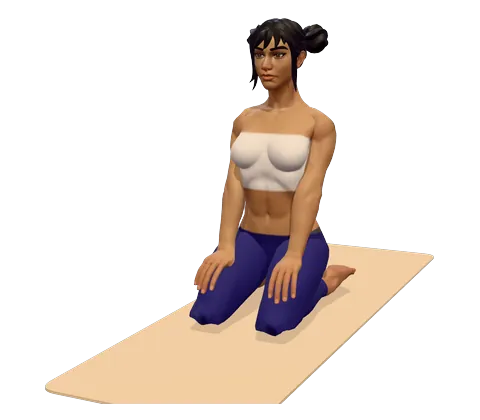
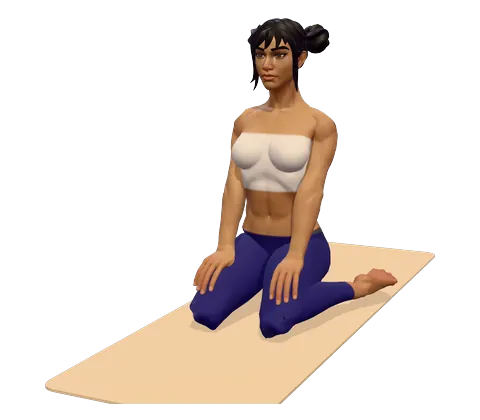
Most beginners should start with Yoga Mudra in Vajrasana: kneel sitting on your heels in Vajrasana, clasp the hands behind, and fold forward until the forehead rests on the floor or a cushion. You can also make fists and place them on your lower belly before folding for a stronger abdominal press. A third option is to fold from a simple cross-legged seat. This is good mudra yoga for beginners.
Yoga Mudrasana in Ashtanga
In Ashtanga yoga, Yoga Mudra is part of the finishing sequence. There, the arms cross behind the back and the hands hold the toes, as in bound lotus, before folding forward — a more demanding version.
Yoga Mudrasana benefits
The main yoga mudra benefits are physical and mental. The fold stretches the lower and middle back and opens the fronts of the shoulders; the lotus legs deepen the hip opening; and the gentle press on the abdomen is traditionally said to support digestion. Many people also find the pose very quiet: with the forehead down and eyes closed, it prepares the mind for pranayama and meditation.
- Yoga for middle back pain and mid back stiffness: a slow forward fold can ease tight back muscles after long sitting. If back pain is your main concern, a full yoga for back pain plan is safer than this advanced fold. For the best relief, yoga for back pain works as a regular routine of gentle yoga asanas, not one quick fold. No yoga mudra for back pain relief, whether a hand gesture or this pose, replaces a proper plan for lower back pain.
- Stress and sleep: as a yoga mudra for stress, the pose is used in calming routines for stress. Yoga mudras for concentration, meditation, relaxation, stress relief and better sleep are traditional practices; the scientific evidence for them is limited.
- Weight loss: there are no yoga mudras for weight loss that work by themselves; regular movement and diet matter more.
- Glaucoma and headache: online lists call this a yoga mudra for glaucoma, headache or tinnitus, but a head-down fold treats none of these, and people with glaucoma should avoid it.
Muscles stretched and worked
| Stretches | Works |
|---|---|
| Lower back and spine muscles | Abdominal muscles (gentle engagement as you fold and rise) |
| Fronts of the shoulders and chest | Deep hip rotators hold the lotus steady |
| Knees and outer hips (via the lotus legs) |
Who should not do Yoga Mudrasana
Read the caution box above carefully. In short: never force lotus, avoid the deep fold with a disc problem, pregnancy, hernia or recent abdominal surgery, and skip head-down folds with glaucoma, uncontrolled high blood pressure or heart disease. Practice on an empty stomach, and stop at once if you feel pain in a knee.
Build up to it with our guided sessions, then add it to your own sequence in the sequence builder.
योग मुद्रासन (Yoga Mudrasana) — हिंदी में: पद्मासन में बैठें और दोनों हाथ पीठ के पीछे ले जाकर एक कलाई पकड़ें। साँस छोड़ते हुए कूल्हों से आगे झुकें और माथा ज़मीन की ओर ले जाएँ। 15–30 सेकंड रुकें और साँस लेते हुए ऊपर आएँ। योग मुद्रासन के फायदे: कमर और पीठ में खिंचाव, पेट पर हल्का दबाव जिससे पाचन को सहारा मिलता है, और मन शांत होता है। अगर पद्मासन आसान न हो तो वज्रासन में करें; घुटने, कमर की समस्या, गर्भावस्था या ग्लूकोमा में न करें।
Frequently asked questions
What are the benefits of Yoga Mudrasana?
It stretches the lower and middle back and shoulders, deepens the hip opening of lotus, gently presses the abdomen (traditionally used for digestion) and calms the mind before meditation.
Is Yoga Mudra a hand mudra?
No. Yoga Mudra here is a whole-body pose, a "seal" made with the body. Hand mudras such as Chin Mudra or Dhyana Mudra are finger positions held while sitting.
Can I do Yoga Mudrasana without lotus?
Yes. Do it sitting on your heels in Vajrasana or from a simple cross-legged seat. This is the safest way to start.
Which chakra does psychic union pose activate?
Traditionally it is linked with Manipura chakra at the navel, because the fold presses the abdomen. This is a traditional teaching, not a scientific finding.
How long should I hold Yoga Mudrasana?
Start with 15–30 seconds (3–6 breaths). With regular practice and comfortable knees you can stay up to a minute or two.
Who should avoid Yoga Mudrasana?
People with knee, hip or ankle injuries, a slipped disc or sciatica, hernia, recent abdominal surgery, pregnancy, glaucoma, uncontrolled high blood pressure or heart disease.
What are the benefits of yoga in Hindi (yoga ke fayde in hindi)?
Yoga karne ke fayde (yog ke fayde in Hindi) include better flexibility, strength, balance, sleep and a calmer mind. The Hindi box above explains yoga mudra in Hindi.
This page is for general education. Check with your doctor before starting yoga if you are pregnant, have a medical condition or an injury. Stop if you feel pain, dizziness or shortness of breath.