Your period pain and menstrual cramps yoga plan
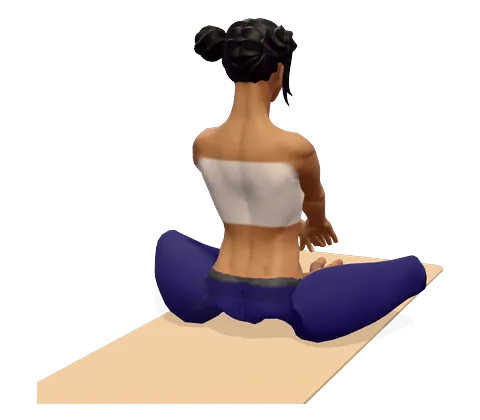 Bound Angle PoseBaddha Konasana
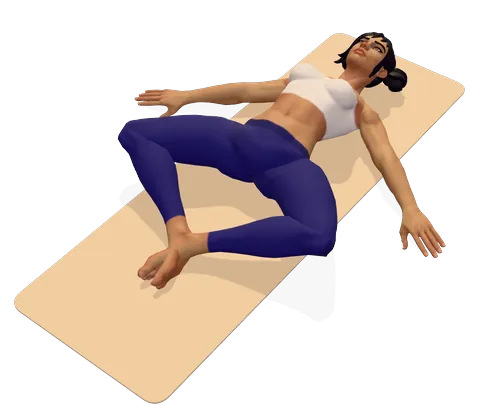 Reclining Bound Angle PoseSupta Baddha Konasana
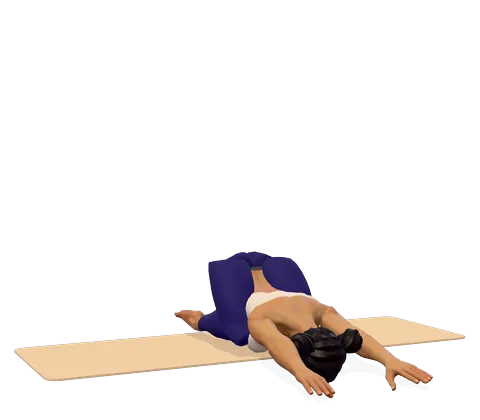 Child’s PoseBalasana
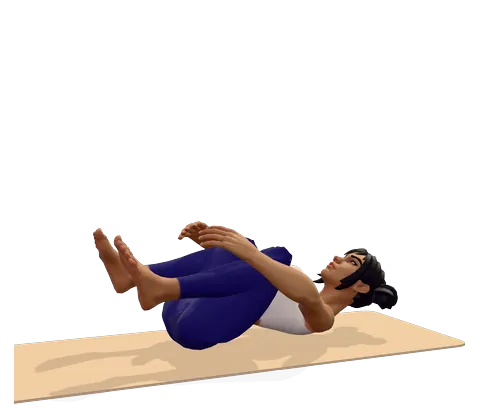 Wind-Relieving PosePavanamuktasana
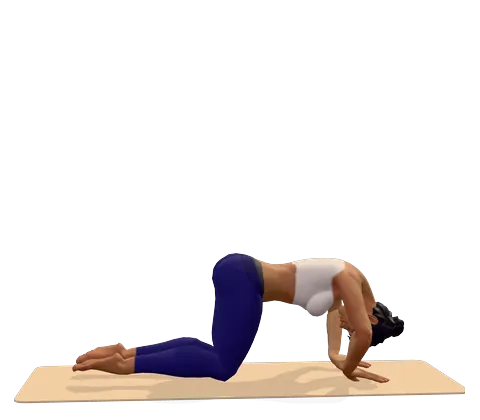 Cat PoseMarjaryasana
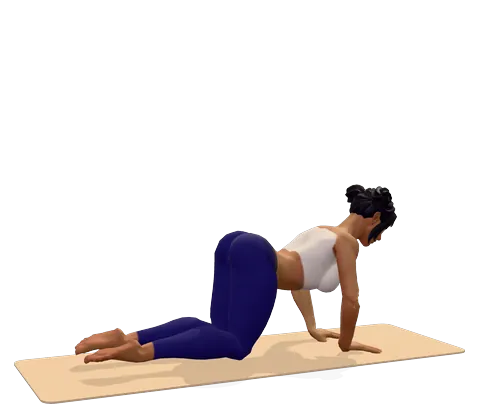 Cow PoseBitilasana
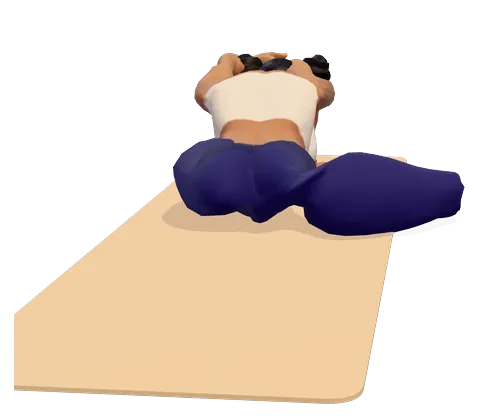 Head-to-Knee PoseJanu Sirsasana
More poses that help with period pain and menstrual cramps
Add these once the session above feels easy, or swap one in when a pose does not suit you.
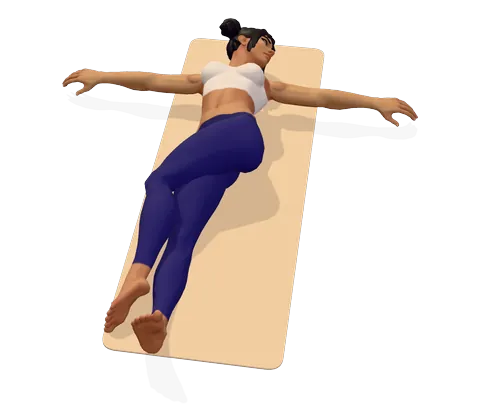 Supine Spinal TwistSupta Matsyendrasana
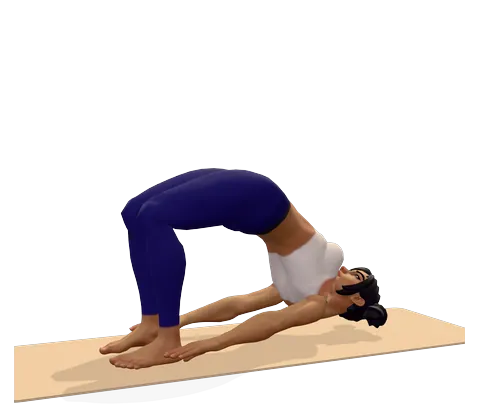 Bridge PoseSetu Bandhasana
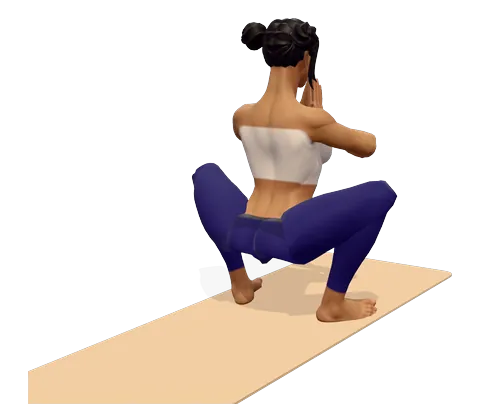 Garland PoseMalasana
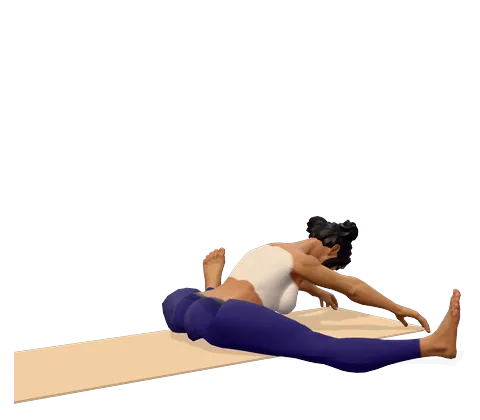 Wide-Angle Seated Forward BendUpavistha Konasana
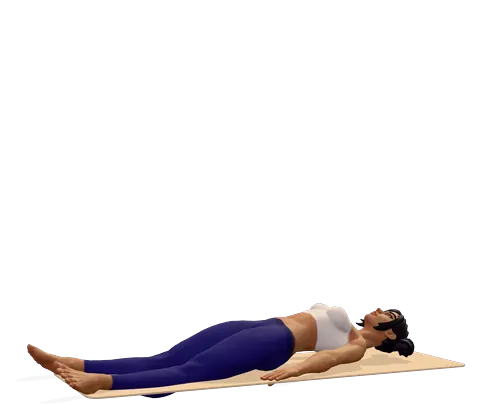 Corpse PoseSavasana
Mudras for period pain and menstrual cramps
Hold a mudra while you sit for the breathing practice or a few minutes of quiet. Mudras are a traditional practice; research on them is limited.
Breathing practice
Avoid
Inversions and strong core work on heavy days if they make you uncomfortable.
Emerging evidence: Small or early trials look promising.
Yoga for period pain is simple, free and something you can do on the floor of your bedroom with a hot water bottle nearby. Menstrual cramps are very common, and while yoga will not switch them off like a painkiller, small trials suggest that a regular practice can reduce how strong the pain is and how much it disrupts your month. This page explains why the poses in the plan above are chosen, how to change them on heavy days, and when period pain is a sign of something that needs checking.
Why periods hurt
During a period, the lining of the womb releases chemicals called prostaglandins that make the muscle of the womb contract. Strong contractions squeeze its blood supply, which causes the cramping, aching pain low in the belly that can spread to the lower back and thighs. This common type is called primary dysmenorrhoea and usually starts in the teens.
Secondary period pain is caused by a condition such as endometriosis, fibroids, adenomyosis or pelvic infection. It often starts later in life, gets worse over time or lasts beyond the bleeding days. Yoga can ease both types, but the second type needs a diagnosis.
How yoga may help menstrual cramps
- Relaxing tight muscles. Pain makes you brace your belly, hips and lower back, which adds to the ache. Soft hip openers and forward bends let those muscles let go.
- Gentle movement. Rocking the pelvis in cat and cow, or hugging the knees, often eases the heavy, dragging feeling better than lying still.
- Calming the nervous system. You can lower your pain with yoga partly because slow breathing lowers stress, and stress makes pain feel stronger. This is also why yoga for chronic pain management is well studied for back and neck pain.
- Body awareness. Over time yoga teaches you which body positions ease your pain, so you can use them early, before cramps build.
Does yoga help with period cramps? What the research says
The evidence level is "emerging": the trials are small but consistent. A 2019 meta-analysis of four randomised trials with 230 women concluded that yoga is an effective way to reduce menstrual pain in primary dysmenorrhoea. In one randomised trial, 40 university students did one 60-minute yoga class a week for 12 weeks; their menstrual cramps and menstrual distress fell more than in a group that did not practise. The NHS also lists gentle exercise such as yoga, swimming or walking among the self-help steps for period pain.
Notice that the benefit came from practice across several cycles, not from one session. So yes, yoga can help, but it works best as a habit.
Yoga during periods: is it safe?
Can we do yoga during periods? Yes. There is no medical reason to stop moving while you bleed, and gentle yoga during periods is one of the NHS's own suggestions for pain relief. Some traditions advise skipping inversions and strong core work during menstruation. There is no good evidence that these are harmful, but many women simply feel better without them on heavy days, and that is reason enough. Choose the yoga asanas during periods that feel good; save headstands, deep twists and hard ab work for later in the month if they make you uncomfortable.
The best yoga poses for period pain, explained
These simple yoga asanas, stretches and moves for menstrual cramps bring pain relief during periods, and all are low to the floor. Each yoga position for period pain suits beginners: keep your breathing slow and stay one to three minutes.
Bound angle pose (Baddha Konasana)
Bound angle pose opens the inner thighs and pelvis while you sit tall. Sit on a cushion so your pelvis tips slightly forward, and put pillows under your knees. Fold forward a little only if it feels soothing.
Reclining bound angle (Supta Baddha Konasana)
Reclining bound angle is the restful version and a favourite for heavy days. Lie back on a bolster with a hot water bottle on your lower belly. Stay five minutes and let your breath move your belly.
Child's pose (Balasana)
Child's pose rounds and releases the lower back. Widen your knees so your belly has room, and rest your forehead on a cushion. A pillow under your belly adds gentle pressure that many women find comforting.
Wind-relieving pose (Pavanamuktasana)
Wind-relieving pose hugs one or both knees to the chest. It eases lower-back ache and bloating. Rock slowly side to side to massage your back on the mat.
Cat and cow (Marjaryasana and Bitilasana)
Cat and cow move the pelvis and spine together with the breath. Round as you breathe out, arch gently as you breathe in, and add hip circles if they help.
Head-to-knee pose (Janu Sirsasana)
Head-to-knee pose is a one-sided forward bend that stretches the back of the leg and lower back. Bend the straight knee as much as you need and rest your forehead on a block or cushion instead of reaching for your foot.
Breathing practice for cramps
Bhramari (humming bee breath) turns the out-breath into a soft hum and is very calming when pain makes you tense. Between hums, try slow belly breathing: one hand on your lower belly, breathe out a little longer than you breathe in. The breathing exercise timer can set the pace. Skip fast practices such as Kapalbhati during a period.
A five-minute routine for bad cramp days
Nothing will stop cramps immediately, and there is no yoga for instant period pain relief. What you can do is combine the fastest things that work:
- Take a painkiller such as ibuprofen or paracetamol if it is safe for you, as the NHS suggests.
- Put a heat pad or hot water bottle, wrapped in a towel, on your lower belly or back.
- Rest in Child's pose with a pillow under your belly, for ten slow breaths.
- Roll onto your back and hug your knees, rocking gently, for one minute.
- Lie in Reclining bound angle and hum Bhramari for two minutes.
Together these steps help relieve cramps and calm down cramping muscles. They won't stop cramping or get rid of it for good, but they usually lessen cramps at their worst. If nothing you try seems to alleviate cramps or make them stop hurting, talk to a doctor.
If you are wondering how to massage a cramp, use warm hands in slow circles on your lower belly, clockwise, with light pressure. This can soothe cramps and help you relax into the poses.
Period back pain, stomach pain and pelvic pain
For period back pain, which many women feel, favour Child's pose, cat and cow and knees-to-chest, and see yoga for back pain. For period stomach pain and bloating, the yoga poses that help most are wind-relieving pose and a gentle supine twist. Yoga for pelvic pain can ease tension, but long-lasting pelvic pain outside your period is not normal period pain: see a doctor.
Two other questions come up often. Yin yoga for period pain works well, because its long, supported holds are close to the restful poses above; see Yin yoga. A yoga mudra for period pain, such as holding the hands in a gesture during breathing, is a traditional practice with no research behind it, so use it as a focus for the mind if you like it.
Menstrual cramps are also different from muscle cramps in the calf or foot. Can yoga help reduce muscle cramps like those? Gently stretching the tight muscle usually eases them, but frequent leg cramps are worth mentioning to your doctor.
When to do yoga: a plan across your cycle
The trials used regular practice across the month, so do not wait for pain to start. Here is a simple plan:
| Phase | Practice | How often |
|---|---|---|
| Days 1–3 (heavy days) | Guided session on this page with long holds, heat and Bhramari | Daily, 10–15 min |
| Days 4–7 | Guided session + an easy walk | Every other day |
| Mid-cycle | Any full practice you enjoy, such as Surya Namaskar or a strength-based flow | 3 times a week |
| 3–5 days before your period | Guided session, extra hip openers, earlier bedtime | Daily, 15 min |
If you track your practice, the practice tracker can help you notice whether your cramps change over two or three cycles.
What to avoid, and when to see a doctor
Yoga for period pain has very few side effects. Avoid forcing deep twists or backbends, strong core work and inversions on days when they make you uncomfortable, and do not hold any pose that makes the pain sharper.
See a doctor if your period pain is severe or worse than usual and painkillers do not help, if your periods become heavier, more painful or irregular, if pain stops you doing your daily activities, or if you have pain during sex, bleeding between periods or after sex, or pelvic pain outside your period. These can point to endometriosis, fibroids or infection. Get urgent care for sudden severe pain with fever, fainting or a possible pregnancy.
Practise with the 3D guide
The guided session at the top of this page plays all seven poses with a calm voice in 28 languages, and you can rotate the 3D figure to see each shape. Choose longer holds on heavy days. Later in life, the benefits of yoga for women continue into menopause: see yoga for menopause.
Research behind this plan
- Kim 2019, Complement Ther Clin Pract — meta-analysis of 4 RCTs (230 women): yoga is an effective intervention for menstrual pain in primary dysmenorrhoea
- Yang 2016, J Altern Complement Med — RCT, 40 students: 12 weeks of weekly yoga reduced menstrual cramps and menstrual distress
- NHS — Period pain: self-help including gentle exercise such as yoga, and when to see a GP
- NCCIH — Yoga: What You Need To Know (yoga and chronic pain, safety)
Frequently asked questions
Does yoga help with period cramps?
Small randomised trials suggest it does: women who practised yoga regularly for several weeks had less menstrual pain than those who did not. Regular practice across the month works better than a single session.
Can we do yoga during periods?
Yes. Gentle yoga during periods is safe and can ease cramps. Skip inversions, deep twists or strong core work on heavy days if they feel uncomfortable, and rest when you need to.
Which yoga pose is best for menstrual cramps?
The gentlest yoga exercises for menstrual cramps are child's pose with a pillow under the belly, knees-to-chest (wind-relieving pose), reclining bound angle and cat-cow. Pair them with heat and slow breathing.
How can I stop my cramps quickly?
Nothing works instantly, but combining a painkiller that is safe for you, heat on your belly, a few minutes of child's pose or knees-to-chest, and slow humming breath is the fastest home approach.
Is yoga good for severe period pain?
It may take the edge off, but severe pain that painkillers do not help is a reason to see a doctor, as it can be caused by endometriosis or fibroids.
When is the best time to do yoga for period pain?
Practise regularly through the month and daily in the few days before and during your period. Gentle evening practice also helps sleep on heavy days.
Can yoga give me painless periods?
No routine can promise painless periods, but many women find regular yoga, activity, good sleep and heat make their cramps milder and easier to manage.
Medical note: yoga supports treatment; it does not replace it. Keep taking prescribed medicine and talk to your doctor before you start, especially with heart disease, uncontrolled blood pressure, recent surgery, pregnancy, epilepsy or severe pain. Read our medical disclaimer.