Your grief and loss yoga plan
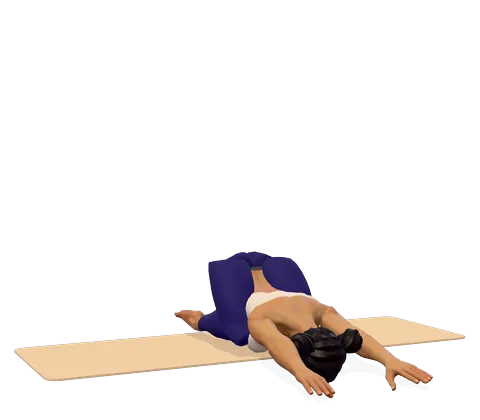 Child’s PoseBalasana
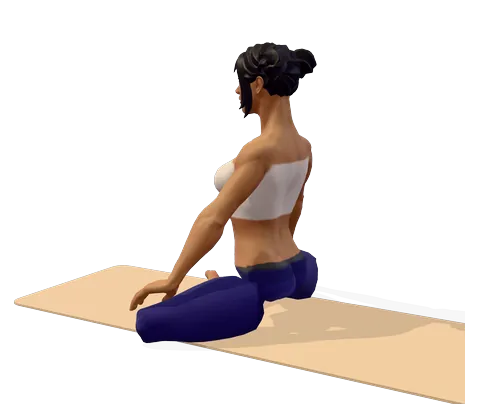 Easy PoseSukhasana
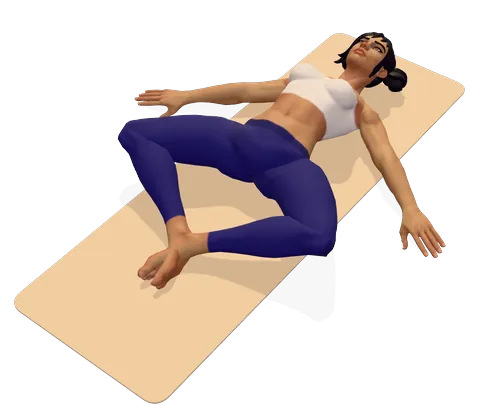 Reclining Bound Angle PoseSupta Baddha Konasana
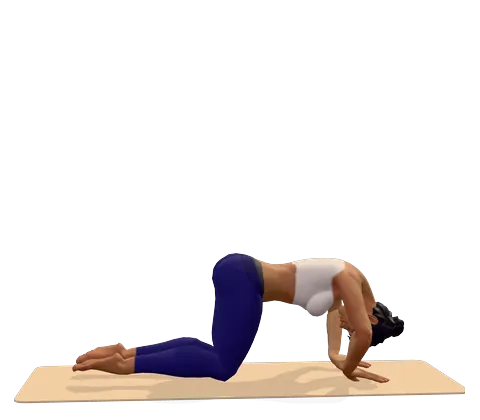 Cat PoseMarjaryasana
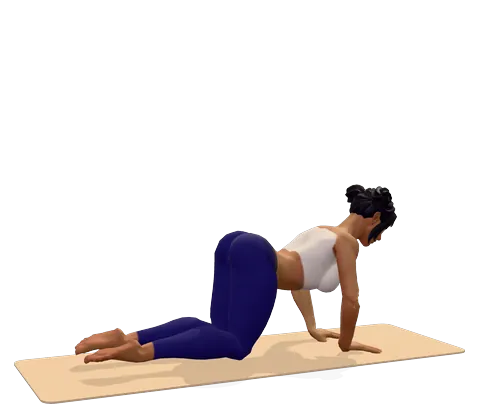 Cow PoseBitilasana
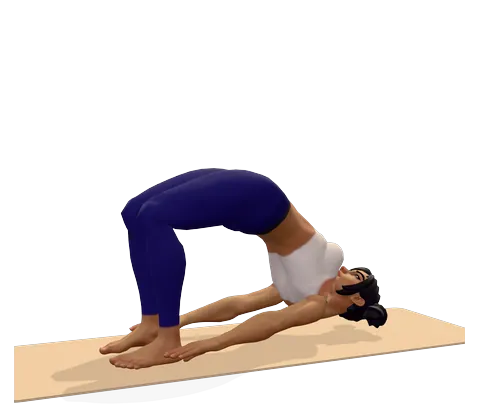 Bridge PoseSetu Bandhasana
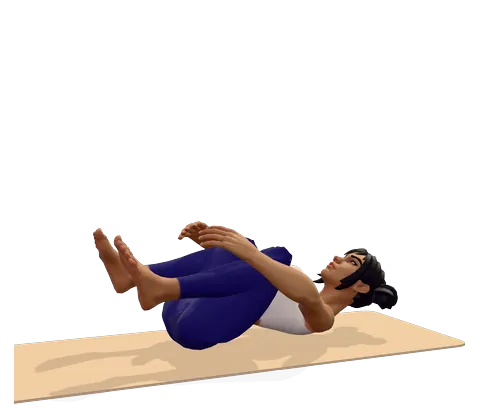 Wind-Relieving PosePavanamuktasana
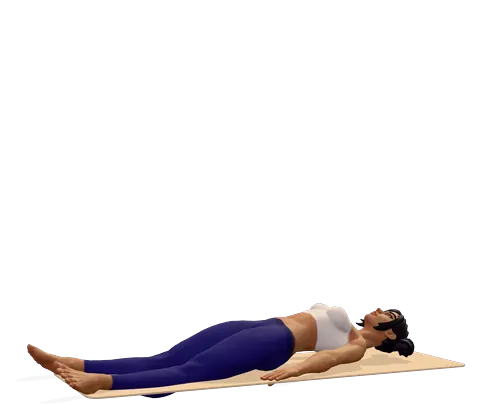 Corpse PoseSavasana
More poses that help with grief and loss
Add these once the session above feels easy, or swap one in when a pose does not suit you.
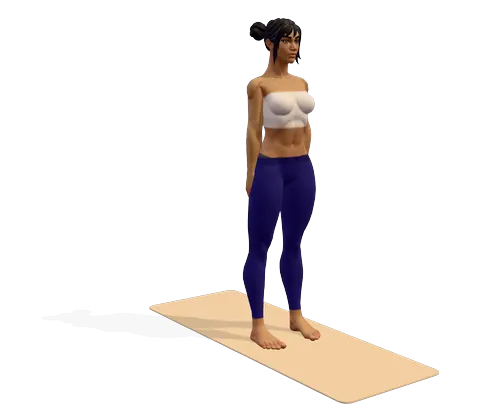 Mountain PoseTadasana
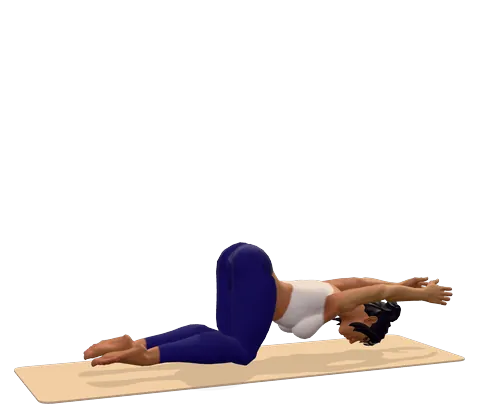 Extended Puppy PoseAnahatasana
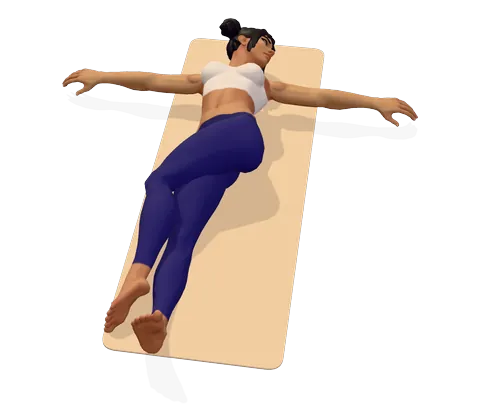 Supine Spinal TwistSupta Matsyendrasana
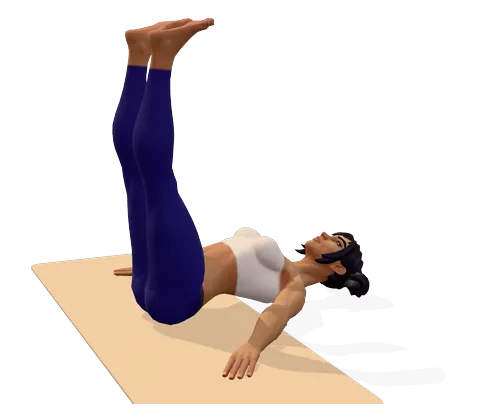 Legs-Up-the-Wall PoseViparita Karani
Mudras for grief and loss
Hold a mudra while you sit for the breathing practice or a few minutes of quiet. Mudras are a traditional practice; research on them is limited.
Breathing practice
Avoid
Forcing calm or pushing feelings away; tears on the mat are normal. Get support if grief brings thoughts of self-harm, stops you eating or sleeping for weeks, or does not ease over months.
Traditional practice: Used in classical yoga therapy; few clinical trials so far.
Guided meditation for grief and loss
Loving-Kindness Meditation (12 min, voice in 28 languages)
Yoga for grief will not take the pain of a loss away, and it should not try to. What it can do is give your body a few minutes of steadiness: grief often shows up as a tight chest, a heavy stomach, shallow breathing, exhaustion and poor sleep. Slow poses, a longer out-breath and supported rest can ease those physical parts, so the emotional parts feel a little more bearable. This page explains what grief yoga is, how to use each pose in the session, a short daily practice, and when grief needs more support.
What is grief yoga?
Grief yoga is a gentle, slow practice used after the death of someone close, a miscarriage or stillbirth, a divorce, a lost job, or any big loss. It is not about flexibility or fitness. The aim is to let feelings move instead of holding them rigidly, and to rest when you are worn out. Tears on the mat are normal. So is feeling nothing at all.
Three things make yoga for grief and loss different from an ordinary class:
- Supported shapes. Many poses are done lying down or curled up, with cushions, so you do not have to hold yourself up.
- Breath before movement. Grief makes breathing shallow and high in the chest. Slow belly breathing and humming invite the body to settle.
- No goal. You do not need to "let go" or "release" anything on a schedule. Showing up is enough.
Does yoga help with grief? What we know
Yoga for grief is mainly a traditional and practical approach; research on it is still at an early stage. A small 2025 pilot trial of Iyengar yoga for older adults with prolonged grief found weekly classes were safe and acceptable, and grief and low mood improved, but a health-education class improved too, so the trial could not show that yoga was better. A 2020 trial of online yoga for mothers after stillbirth found it feasible and linked it with lower trauma and depression symptoms, but many women did not finish and the study was small.
The benefits of yoga for grief are best supported indirectly: yoga has better evidence for easing anxiety, low mood and poor sleep, which are common in bereavement. So think of yoga as grief relief for the body, alongside the people around you and, if needed, grief counselling. After a sudden or violent death, grief and trauma often mix, and yoga should then follow the choice-based approach on our trauma-sensitive yoga page.
Yoga poses for grief and loss, one by one
The guided session above uses eight poses. Move slowly, rest whenever you want, and skip any pose that feels wrong today.
Child's pose (Balasana)
Child's pose is a natural shape for grief: curled, protected, forehead resting. Put a pillow lengthways under your chest and turn your head to one side if you want to cry freely. Feel your back ribs widen as you breathe.
Easy pose (Sukhasana)
Easy pose is where you practise the breathing. Sit on a cushion, rest one hand on your belly and one on your heart, and simply notice the breath for a minute.
Reclining bound angle (Supta Baddha Konasana)
Reclining bound angle opens the chest while the body is fully held by the floor. Put pillows under both knees and a folded blanket under your head. It is the closest the session comes to "yoga for the heart" in a physical sense: a soft, supported opening across the chest.
Cat and cow (Marjaryasana and Bitilasana)
Cat and cow link movement to breath. They are good for restless, agitated grief, when lying still feels impossible.
Bridge pose (Setu Bandhasana)
Bridge pose gently lifts the chest and works the legs, a small counter to the slumped posture grief brings. Keep it low, or rest your sacrum on a block.
Wind-relieving pose (Pavanamuktasana) and corpse pose (Savasana)
Wind-relieving pose is like giving yourself a hug: knees drawn in, a gentle rock from side to side. It also eases the knotted stomach many people feel after a loss. Corpse pose closes the session. If lying still brings a flood of feeling, keep your eyes open, bend your knees or lie on your side.
Breathing and meditation for grief and loss
Bhramari (humming bee breath) is one of the most useful grounding exercises for grief: breathe in through the nose, then hum on a long, slow out-breath. The vibration gives a racing mind something to rest on, and many people find it easier than silent breathing. Anulom Vilom (alternate-nostril breathing, without breath holds) is steadying on anxious days.
A simple daily meditation for grief and loss takes five minutes. Think of it as a coping with grief meditation you can repeat as often as you need; daily meditations for working through grief matter more than long ones:
- Sit or lie down, one hand on your heart and one on your belly.
- Breathe in gently, and breathe out a little longer than you breathed in.
- Silently name what is here: "sadness", "tiredness", "missing them". No need to change it.
- Finish with five rounds of humming breath.
The meditation timer can hold the time for you with a soft bell. For a longer guided meditation for grief and sleep, try Yoga Nidra lying in bed: yoga nidra for grief is deep, guided rest that asks nothing of you, which suits the exhaustion of loss. The Apana Vayu mudra ("heart mudra") is traditionally used during this kind of quiet sitting.
How to work through grief and loss with a small daily practice
Grief comes in waves, so plan for small, repeatable practices rather than long sessions. Ways to process grief and loss differ, but these grief and loss exercises are simple strategies for coping with grief and loss that work well together:
| When | Practice | Time |
|---|---|---|
| Morning | Cat–cow and a few minutes in easy pose, hand on heart | 5 min |
| A wave of sadness during the day | Humming breath, feet on the floor, naming five things you can see | 2 min |
| Evening | The guided session on this page | 12–15 min |
| Bedtime | Yoga Nidra or legs up the wall in bed | 10–20 min |
Other mindfulness exercises for grief help too: a slow walk outside, writing a letter to the person you lost, or saying their name aloud. How to express grief is personal; some people move, some cry, some talk, some make things. Somatic exercises for grief, such as shaking out the hands or pressing the feet into the floor, bring attention back into the body when the mind loops. None of these grief and loss techniques remove the loss, but they can ease the pain of grief for a few minutes at a time.
Yoga for heartbreak and sadness
A breakup or the end of a friendship is a real loss, and the body reacts in similar ways. How to deal with heartbreak, or how to cope with heartbreak when it keeps you awake? The same tools apply: keep a routine, move gently each day, sleep, eat regularly and stay connected to people. You recover from heartbreak slowly, the way you heal from any loss, and you overcome heartbreak mostly by living one ordinary day after another. Yoga poses for sadness that feel good are the chest-opening, supported ones, such as reclining bound angle and extended puppy pose. The heart chakra idea from yoga tradition is a symbol of this, not a medical claim, but many people like it as a focus for yoga for heartbreak.
How to deal with sadness day to day? Name it, move a little, get daylight and talk to someone; yoga for sadness and anxiety simply adds a calm breath to that list, a gentle way to manage sadness. If sadness has lasted for weeks and you have lost interest in most things, it may be depression rather than grief alone. The yoga for depression page covers yoga poses for depression and anxiety, and the yoga for anxiety plan helps when grief and anxiety arrive together.
Grief exercises for kids, teens and adults
Children: grief exercises for kids should be short and playful. Try "bee breath" humming, curling up like a small turtle in child's pose, or drawing a picture of a memory before lying down to rest. Let children lead.
Teens: grief exercises for teens can be the adult practice, often done alone in their room. Offer it, do not insist.
Groups: grief support group exercises often begin with a few minutes of shared breathing or a simple seated stretch, which helps people arrive before they talk.
Therapy for grief and loss, and when to get help
Most grief slowly becomes easier to carry with time and support from people you trust. Grief counselling can help at any point. Therapy techniques for grief and loss include talking about the person, writing, memory work and grief-focused therapy exercises; the best therapy for grief depends on the person; the benefits of grief therapy are strongest for people whose grief stays intense for a long time. For some, grief stays so intense and constant for many months that daily life stops working. This is called prolonged grief disorder, and specific grief-focused talking therapies can help.
Get support now if: you have thoughts of harming yourself or not wanting to live — call your local emergency number or a crisis line (for example 988 in the US, Samaritans on 116 123 in the UK and Ireland, or Tele-MANAS on 14416 in India). Also see a doctor if you have stopped eating or sleeping for weeks, rely on alcohol to cope, or feel no easing at all after several months.
When you are ready: press play on the guided 3D session. The voice speaks slowly in your language, and you can pause, lengthen the holds or stop at any time. Nothing here needs to be done perfectly.
Research behind this plan
- Goveas 2025, Scientific Reports — pilot randomised trial in 39 older adults with prolonged grief: Iyengar yoga was safe and feasible; grief improved in both yoga and health-education groups
- Huberty 2020, BMC Complementary Medicine and Therapies — feasibility trial of online yoga in 90 women after stillbirth: reductions in trauma and depression symptoms; high drop-out
- NCCIH (US National Institutes of Health) — Yoga: what you need to know, including mental health and safety
Frequently asked questions
Does yoga help with grief?
It can help with the physical side of grief, such as a tight chest, restlessness, poor sleep and anxiety. Research on yoga specifically for grief is still small, so use it alongside support from people you trust and, if needed, grief counselling.
What are the best yoga poses for grief and loss?
Gentle, supported poses: child's pose, easy pose with a hand on the heart, reclining bound angle with pillows, cat–cow, a low bridge, knees-to-chest and corpse pose. Pair them with humming breath.
Is it normal to cry during yoga?
Yes. Slow breathing and opening the chest can bring feelings to the surface. Let the tears come, rest in child's pose, and continue or stop as you wish. Neither is wrong.
How do I cope with grief and loss day to day?
Keep small routines: regular meals, some movement, daylight, sleep, and time with people. A five-minute breathing practice or a short yoga session gives each day one calm moment. Be patient; grief comes in waves.
Is yoga nidra good for grief?
Yes, for many people. Yoga Nidra is guided rest lying down, so it suits the exhaustion that grief brings and can help with sleep. If lying still feels overwhelming, keep your eyes open or try it sitting up.
Can yoga help with heartbreak?
Yoga can ease the stress and restlessness of a breakup, and a daily routine helps you recover. It will not erase the feelings, but it can make them easier to live with while time does its work.
When is grief more than normal grief?
If intense longing or distress fills most days for many months, or you cannot function at home or work, talk to a doctor. Prolonged grief disorder and depression are treatable. Get help straight away for thoughts of self-harm.
Medical note: yoga supports treatment; it does not replace it. Keep taking prescribed medicine and talk to your doctor before you start, especially with heart disease, uncontrolled blood pressure, recent surgery, pregnancy, epilepsy or severe pain. Read our medical disclaimer.