Your sciatica yoga plan
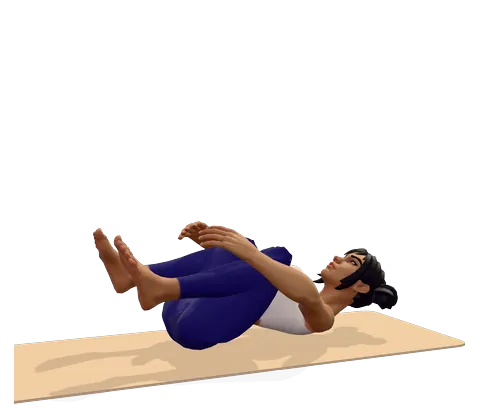 Wind-Relieving PosePavanamuktasana
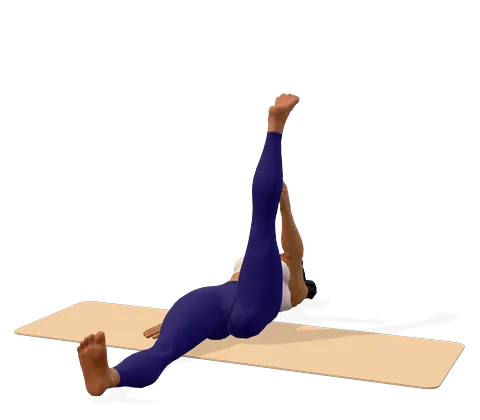 Reclining Hand-to-Big-Toe PoseSupta Padangusthasana
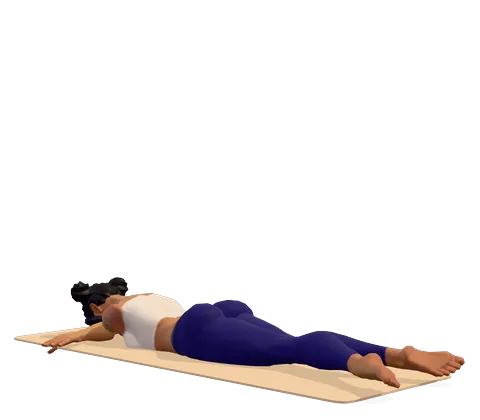 Crocodile PoseMakarasana
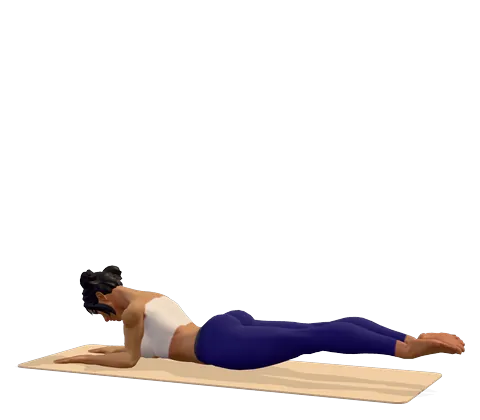 Sphinx PoseSalamba Bhujangasana
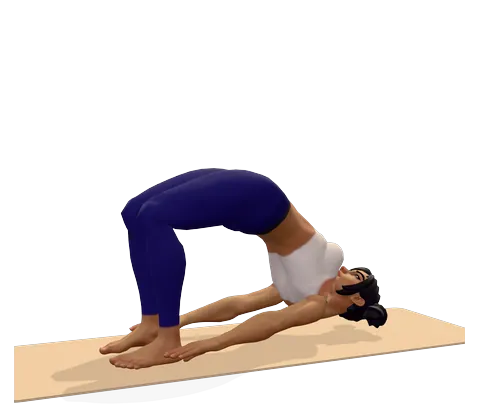 Bridge PoseSetu Bandhasana
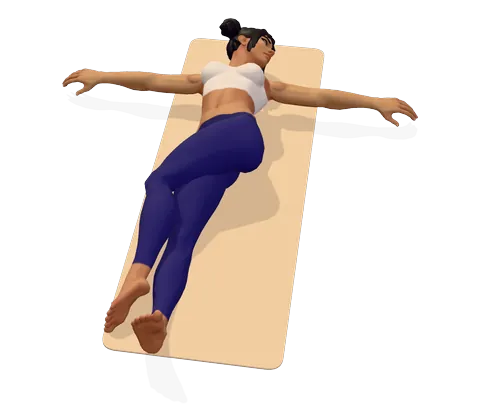 Supine Spinal TwistSupta Matsyendrasana
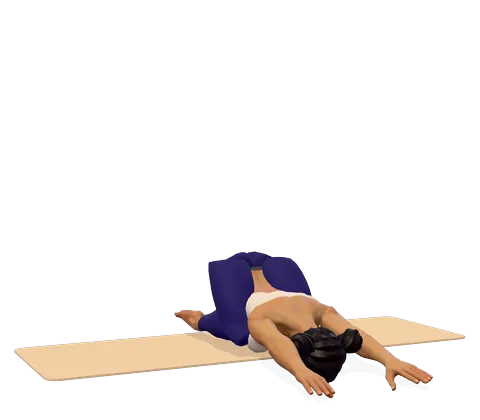 Child’s PoseBalasana
More poses that help with sciatica
Add these once the session above feels easy, or swap one in when a pose does not suit you.
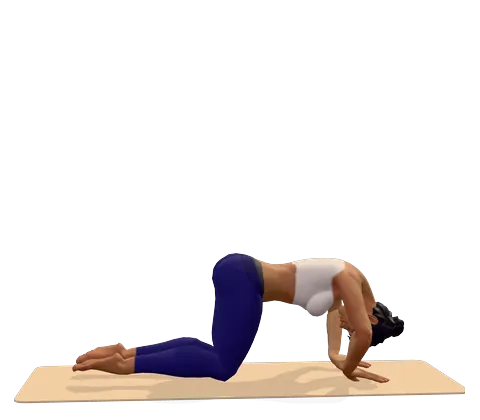 Cat PoseMarjaryasana
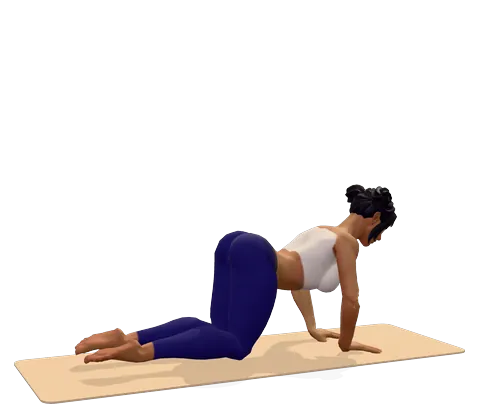 Cow PoseBitilasana
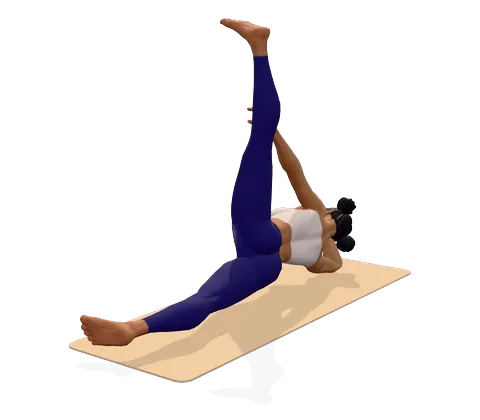 Side-Reclining Leg LiftAnantasana
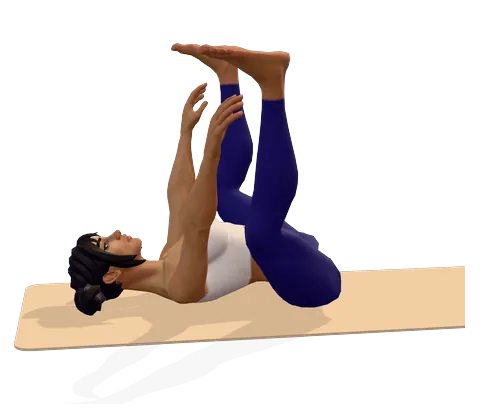 Happy Baby PoseAnanda Balasana
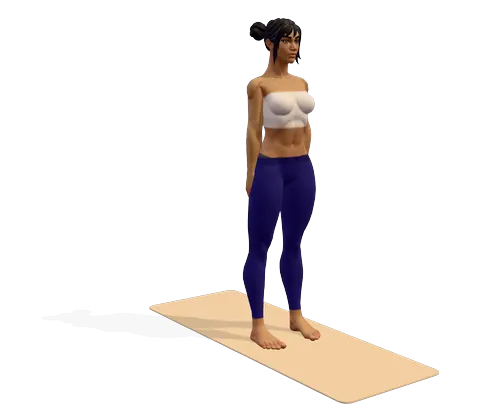 Mountain PoseTadasana
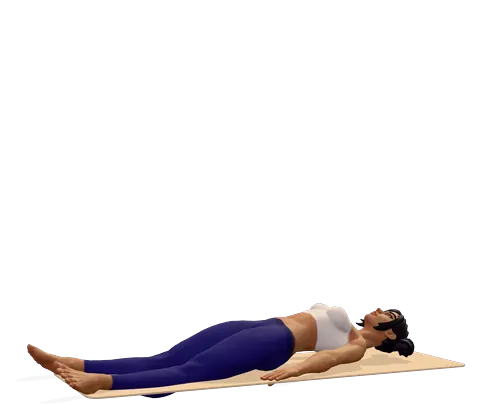 Corpse PoseSavasana
Mudras for sciatica
Hold a mudra while you sit for the breathing practice or a few minutes of quiet. Mudras are a traditional practice; research on them is limited.
Breathing practice
Avoid
Seated forward folds and deep hamstring stretches in the acute phase.
Traditional practice: Used in classical yoga therapy; few clinical trials so far.
Yoga for sciatica is less about stretching hard and more about calming an irritated nerve. Sciatica is pain, tingling or numbness that runs from the lower back or buttock down the back of the leg, usually because a nerve root in the lower spine is pressed or inflamed. Gentle movement, supported positions and slow breathing can ease sciatic nerve pain for many people, while the wrong stretch can flare it up. This page shows you the difference.
How can yoga help with sciatica?
The sciatic nerve is formed by nerve roots from the lower spine (most often at the L4–L5 and L5–S1 levels), then runs through the buttock and down the leg. A bulging disc, narrowing of the spinal canal or tight tissue around the nerve can irritate it. Here is how to help with sciatic nerve pain, and leg pain, with yoga:
- Keep moving. The NHS advises gentle exercise as soon as you can. Staying in bed usually slows recovery, and easy yoga gives you a safe way to move.
- Take pressure off the nerve. Some positions, often lying on your front or back with support, reduce leg pain. Finding yours is the first goal.
- Help the nerve glide. Nerves need to slide as you move. Small, pain-free movements of the leg help, while long, strong hamstring stretches can pull on an irritated nerve.
- Relax guarding muscles. The buttock and back muscles tighten to protect you, which adds to the ache. Slow breathing and rest poses help them let go.
- Build support. Once pain settles, strengthening the hips and trunk may lower the chance of it coming back.
Is yoga good for sciatica pain? What the research says
This plan is marked "traditional practice" because there are few clinical trials of yoga for sciatica itself. Most yoga research is on non-specific low back pain, where the evidence is strong, but people with sciatica were often excluded from those studies.
One small randomised trial from 2015 included 61 adults with disc bulges or extrusions, most of whom had sciatica. After three months of yoga therapy designed to be safe for disc problems, the yoga group had less back-related disability than people receiving normal medical care, with no adverse effects reported. Pain scores did not differ significantly. It is a promising start, not proof.
The good news is that sciatica usually gets better on its own within a few weeks to a few months, according to the NHS. The benefits of yoga for sciatica pain are mainly that it keeps you comfortable and active while that happens, alongside the advice of your doctor or physiotherapist.
Yoga poses for sciatica: how to do each one safely
These sciatica yoga poses and yoga stretches for sciatic nerve pain are done mostly lying down, which is gentler on an irritated nerve. Whether your sciatica comes from an L5–S1 disc or another level, yoga should follow one simple rule: if leg symptoms spread further down the leg, stop. If the pain moves up from the leg towards the back, or eases, that is usually a good sign.
Wind-relieving pose
Wind-relieving pose gently rounds the lower back and stretches the buttock. Modify: hug one knee at a time, hold behind the thigh rather than over the knee, and keep the other leg bent with the foot on the floor. Some people with disc-related sciatica find bending forward makes the leg worse; if so, skip it.
Reclining hand-to-big-toe pose
Reclining hand-to-big-toe pose stretches the back of the leg, which also puts tension on the sciatic nerve. Modify: use a strap, keep the knee clearly bent, and lift only to the first gentle stretch. Instead of holding, slowly straighten and bend the knee five times. In the first painful weeks, skip it: during this part of the guided session, simply rest on your back with knees bent.
Crocodile pose
Crocodile pose is a restful position on your front. Many people with a bulging disc find it eases leg pain. Modify: put a pillow under your hips if lying flat on your front increases pain.
Sphinx pose
Sphinx pose adds a small, supported backbend on the forearms. For disc-related sciatica it often feels relieving. Modify: come up only halfway. In yoga for spinal stenosis sciatica, where arching usually worsens the leg, skip it and favour gentle forward-bending positions instead.
Bridge pose
Bridge pose strengthens the buttock muscles that support the pelvis during walking. Modify: lift a few centimetres and lower slowly; keep your knees hip-width apart.
Supine spinal twist
Supine twist loosens the lower back and buttock. Modify: keep a small range with a pillow under your knees, and start on the side that feels easier. With sciatica on the left side, yoga twists may feel easier one way than the other; that is normal.
Child's pose
Child's pose is a rest position. Modify: spread your knees wide and rest your chest on a pillow so the back rounds less. Skip it if folding forward sends pain into the leg.
Yoga for sciatica and piriformis syndrome: when pain is mainly deep in the buttock, a gentle reclining "figure four" stretch (ankle crossed over the opposite knee while lying on your back) is usually easier than Pigeon pose. This yoga stretch can also help with sciatica and hip pain together.
Breathing practice: Sama Vritti
Sama Vritti, or box breathing, uses equal counts for breathing in and out. Practise it lying down with knees bent, for three to five minutes, keeping any pauses short and easy. Sciatica often disturbs sleep, and this steady rhythm is a simple way to settle before bed.
A weekly yoga sequence for sciatica at home
Match the plan to your phase. With severe sciatica pain, yoga should be limited to the lying-down poses that feel good, done little and often. As pain settles, yoga for sciatica recovery means adding the full guided session. These sciatica exercises at home support your treatment; they do not replace it.
| Day | Early weeks (painful) | Recovery weeks |
|---|---|---|
| Monday | Crocodile, Sphinx if comfortable, Sama Vritti (10 min) | Full guided session (15 min) |
| Tuesday | Short walks through the day | Walk 20–30 min |
| Wednesday | Bridge (small lifts), rest poses (10 min) | Guided session plus figure four stretch |
| Thursday | Short walks; change position often | Rest or swim |
| Friday | Repeat Monday | Guided session with longer holds |
| Saturday | Walks; Sama Vritti before bed | Walk; Bridge and Supine twist |
| Sunday | Rest | Rest |
Yoga for sciatica for beginners, seniors and in pregnancy
Beginners: you do not need to be flexible. Yoga for sciatica for beginners means the lying-down poses, short holds and plenty of rest in between.
Seniors: in older adults, sciatica is more often linked to spinal stenosis, so gentle forward-bending positions usually feel better than backbends. Chair yoga for sciatic nerve pain, such as seated knee hugs and seated pelvic tilts, is a safe start.
Pregnancy: pain down the leg in pregnancy is often from the pelvic joints rather than the nerve. Avoid lying on your front and deep twists, and ask your midwife or a physiotherapist before starting yoga for sciatica in pregnancy.
Sciatica yoga poses to avoid, and what not to do
Is yoga bad for sciatica? Not if you choose well. These are the common exercises not to do with sciatica, especially in the painful phase:
- Seated forward folds such as Paschimottanasana, standing forward bends and deep hamstring stretches.
- Deep twists under load and fast Surya Namaskar flows.
- Gym exercises to avoid with sciatica include heavy deadlifts, loaded squats, sit-ups and leg presses until your doctor or physiotherapist says otherwise.
- Sitting for long periods without a break, and bed rest for days.
Get urgent medical help if you have sciatica in both legs, numbness around your genitals or bottom, new difficulty passing urine or controlling your bowels, or leg weakness or numbness that is severe or getting worse. See a doctor soon if pain follows an injury, comes with fever or weight loss, or is not improving after a few weeks. Keep taking prescribed medicine.
Yoga se sciatica ka ilaj? Yoga for sciatica pain in Hindi
Can yoga cure sciatica? No single treatment is guaranteed, and yoga does not repair a disc. What yoga asanas for sciatica can do is support recovery, reduce pain and help you stay active while the nerve settles.
साइटिका के लिए योग — हिंदी में साइटिका में दर्द कमर या कूल्हे से पैर तक जाता है। शुरुआत में लेटकर किए जाने वाले आसान आसन करें, जैसे मकरासन, पवनमुक्तासन (एक-एक पैर से) और छोटा सेतुबंधासन। आगे झुकने वाले आसन, जैसे पश्चिमोत्तानासन, दर्द के दौर में न करें। अगर दर्द पैर में और नीचे फैले तो तुरंत रुक जाएँ। दोनों पैरों में सुन्नपन या पेशाब पर नियंत्रण न रहे तो तुरंत डॉक्टर के पास जाएँ।
Start the guided sciatica session
When you feel ready, start the guided sciatica session on this page. The 3D figure shows each pose from any angle, the voice guides you in 28 languages, and you can choose shorter holds or stop after the first few poses. If you have sciatica and lower back pain, see our plan for yoga for back pain for long-term back care.
Research behind this plan
- Monro 2015, Journal of Back and Musculoskeletal Rehabilitation — exploratory RCT (61 adults with disc bulges or extrusions, 62% with sciatica): yoga therapy reduced back-related disability vs normal care at 3 months, no adverse effects
- NHS — Sciatica: how long it lasts, gentle exercise advice and urgent symptoms
Frequently asked questions
Can I do yoga with sciatica?
Usually yes, if you choose gentle poses and stop anything that sends pain further down the leg. Start with lying-down positions and short holds. If you have red-flag symptoms such as numbness around the genitals or bladder problems, get medical help first.
What yoga exercise is good for sciatica?
There is no single best pose. Many people with disc-related sciatica feel better in Crocodile and Sphinx pose, while people with spinal stenosis prefer knee-to-chest positions. Bridge pose helps once pain settles. Let your leg symptoms guide you.
Does yoga help with sciatica pain in the long term?
Research on yoga for sciatica is limited. A small trial found less disability after three months of yoga therapy, and general back pain research supports regular exercise. Staying active and strong may reduce the chance of future flare-ups.
Why does stretching my hamstrings make sciatica worse?
The sciatic nerve runs down the back of the thigh, so a strong hamstring stretch can pull on an already irritated nerve. Keep the knee bent, move gently in and out rather than holding, and stop if tingling increases.
How long does sciatica take to heal with yoga?
Sciatica usually improves within a few weeks to a few months, with or without yoga. Yoga can make that time more comfortable and help you return to normal activity. If there is no improvement after a few weeks, see your doctor.
Is yoga for sciatica lying down better than standing?
In the early, painful phase, yes. Lying on your back or front takes load off the spine and lets you move without pain. Add standing poses later, when walking is comfortable.
Is it sciatica or back pain?
Back pain stays mainly in the back. Sciatica travels into the buttock and down the leg, often below the knee, and may come with tingling or numbness. A doctor or physiotherapist can confirm which you have.
Medical note: yoga supports treatment; it does not replace it. Keep taking prescribed medicine and talk to your doctor before you start, especially with heart disease, uncontrolled blood pressure, recent surgery, pregnancy, epilepsy or severe pain. Read our medical disclaimer.