Your self-confidence yoga plan
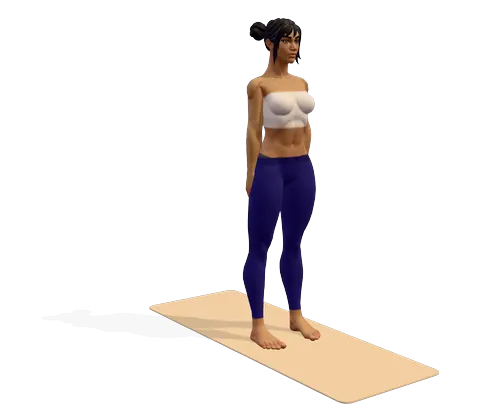 Mountain PoseTadasana
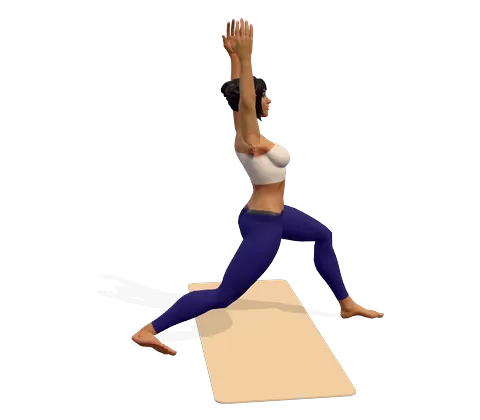 Warrior I PoseVirabhadrasana I
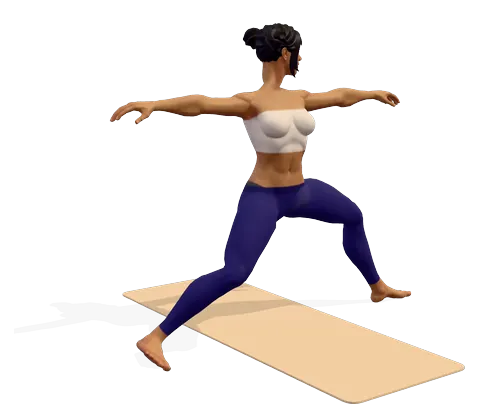 Warrior II PoseVirabhadrasana II
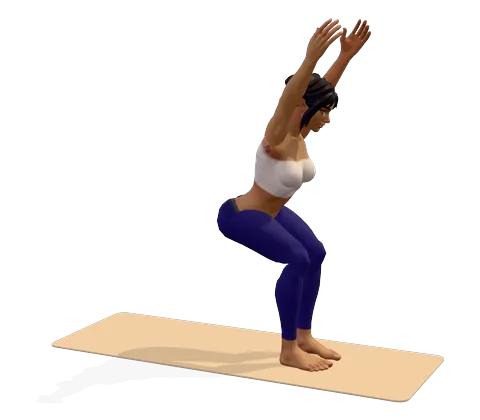 Chair PoseUtkatasana
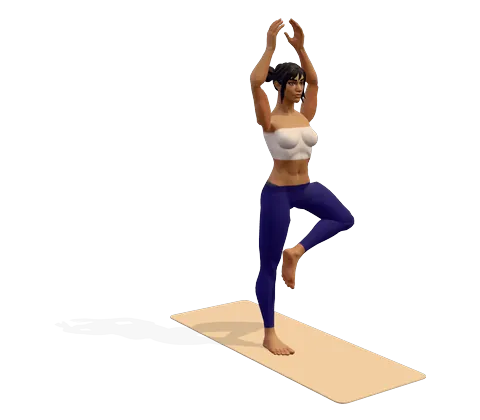 Tree PoseVrikshasana
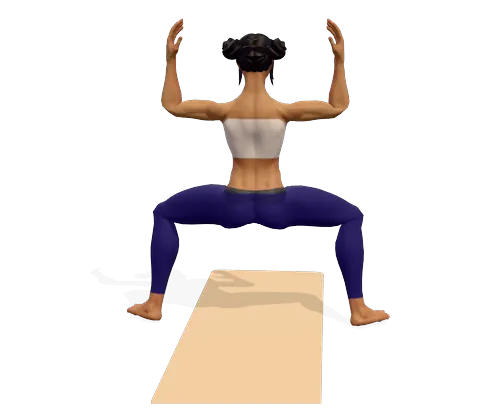 Goddess PoseUtkata Konasana
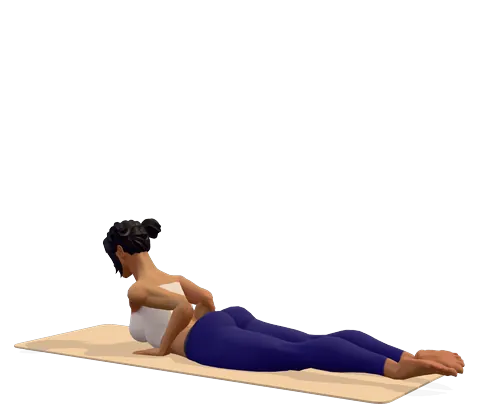 Cobra PoseBhujangasana
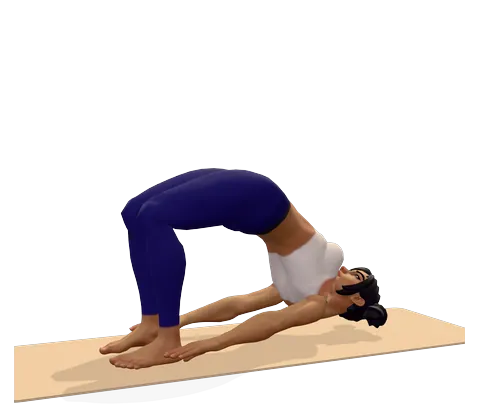 Bridge PoseSetu Bandhasana
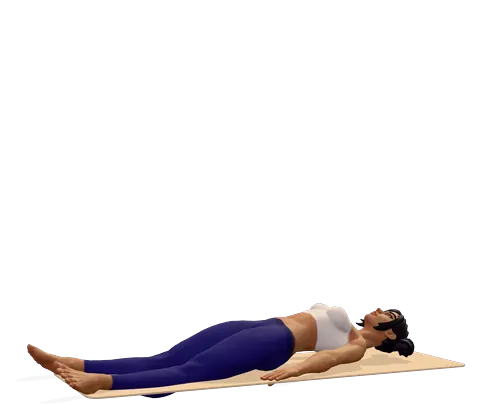 Corpse PoseSavasana
More poses that help with self-confidence
Add these once the session above feels easy, or swap one in when a pose does not suit you.
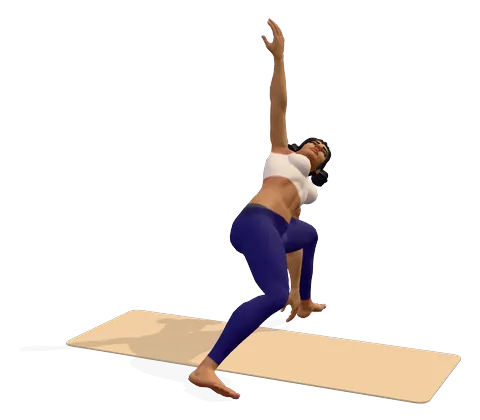 Triangle PoseTrikonasana
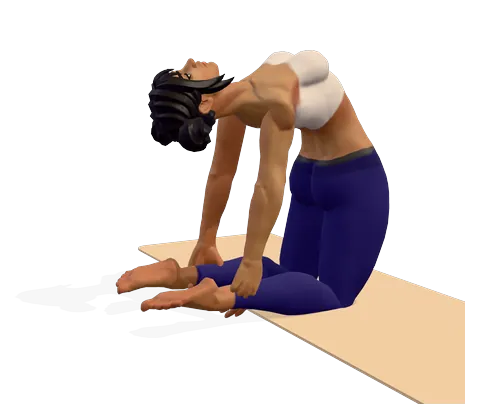 Camel PoseUstrasana
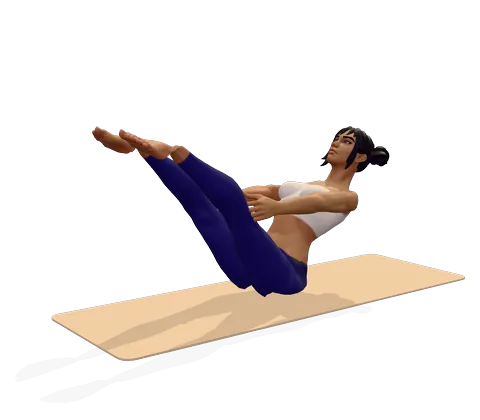 Boat PoseNaukasana
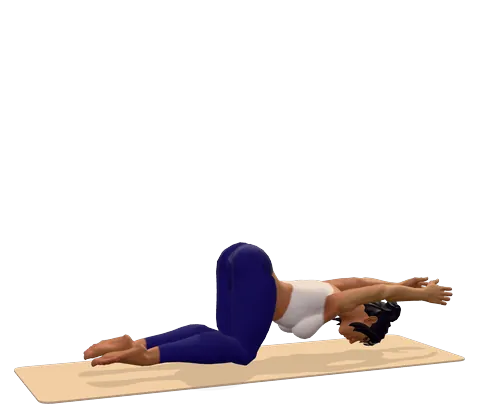 Extended Puppy PoseAnahatasana
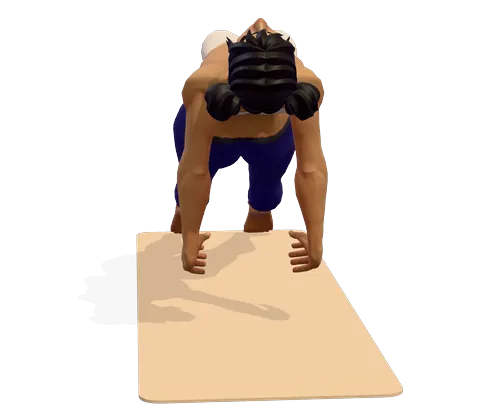 Upward Plank PosePurvottanasana
Mudras for self-confidence
Hold a mudra while you sit for the breathing practice or a few minutes of quiet. Mudras are a traditional practice; research on them is limited.
Breathing practice
Avoid
Comparing your poses with others or forcing a deep pose to prove something; confidence grows from steady, kind practice. Get support if low self-worth comes with long spells of low mood.
Traditional practice: Used in classical yoga therapy; few clinical trials so far.
Guided meditation for self-confidence
Visualization Meditation (12 min, voice in 28 languages) · Gratitude Meditation (8 min, voice in 28 languages)
Yoga for confidence does not flip a switch in your personality, but it gives you something confidence can grow from: a body that feels stable, a breath you can steady, and proof, week by week, that you can do things that once felt hard. This page explains how that works, what research says about yoga, self-esteem and "power poses", and how to practise each pose in your session.
How does yoga improve confidence?
Self-confidence is trust in what you can do; self-esteem is how much you value yourself. Yoga can touch both in four practical ways:
- Posture. Standing tall with an open chest changes how you breathe and how others read you. Over time, the upright shape starts to feel normal.
- Small wins. Holding Chair pose 5 breaths longer than last week, or balancing in Tree without a wall, is real progress you can see.
- A steady breath. When nerves hit, a slow breath is a skill you already own. This is the link between yoga, confidence and mindfulness.
- Kinder self-talk. On the mat you practise noticing "I can't do this" and replying "not yet". That habit carries into the rest of your life, which is why people call it yoga for self love.
So what does yoga improve here? Mostly your relationship with your own body and mind, and a steadier sense of self. Yoga builds a good foundation; it cannot replace support if low self-worth is deep or long-lasting.
Yoga, self-esteem and power poses: what the research says
The evidence level for this page is traditional: yoga for confidence is widely practised, and a few small studies measured self-esteem, but there is no strong proof.
- In a Korean trial, 50 middle-aged men were randomised to 12 weeks of mindfulness yoga (twice a week) or no programme. The yoga group's depression fell and self-esteem rose; the control group did not change.
- In a 2026 trial with 40 college students, a class combining Iyengar yoga with Yoga Nidra improved self-esteem, resilience and mental health more than Iyengar yoga alone.
- Power poses: a famous 2010 study claimed that 2 minutes in an expansive "power pose" changed hormones. A larger 2015 study of men and women found no effect on hormones or risk-taking. The original authors later argued that posture does affect how powerful people feel. The fair summary: an open posture may help you feel a little more confident in the moment, but it does not change your body chemistry.
In short, regular yoga may help with building self-esteem in adults, especially when it includes mindfulness and relaxation. Quick tricks are less reliable than steady habits.
Yoga poses for confidence, one by one
These yoga asanas for confidence are the poses in your guided session above, and each of these confidence building poses is a small boost you can feel in the body. Most are strong standing shapes, which is why they double as yoga poses for strength and energy. Hold each for 3–6 slow breaths and keep your gaze soft but steady.
Mountain pose (Tadasana): the foundation
Stand with feet hip-width apart in Tadasana. Spread your toes, lengthen the back of your neck and let the shoulders drop. This is your "default confident stance" to return to in queues, meetings and before you speak.
Warrior I (Virabhadrasana I): moving forward
Step one foot back, bend the front knee and reach the arms up in Warrior I. The back heel stays grounded and the hips face forward. It feels like stepping into something new with your whole body.
Warrior II (Virabhadrasana II): steady courage
Open the hips to the side and stretch the arms wide in Warrior II. Look over the front fingers. This is the classic among yoga poses for confidence and courage: open, strong and calm at once.
Chair pose (Utkatasana): staying power
Bend the knees and sit back as if onto a chair in Utkatasana, arms up. Your legs will burn. Breathe, stay one breath longer than you want to, then rise. That small choice is a confidence exercise in itself.
Tree pose (Vrikshasana): calm focus
Balance on one leg in Vrikshasana, with the foot on the calf or inner thigh, never on the knee. Balance needs attention, which makes it good yoga for confidence and concentration. Use a wall if you need to; that is smart, not weak.
Goddess pose (Utkata Konasana): take up space
Stand wide, turn the toes out, bend the knees and bend the elbows to shoulder height in Goddess pose. It is the yoga version of a power pose: wide, rooted and unapologetic.
Cobra pose (Bhujangasana): open the chest
Lying on your front, press the hands down and lift the chest in Bhujangasana, elbows close to your body. Keep it low if your back complains.
Bridge pose (Setu Bandhasana) and Savasana
Lift the hips in Bridge pose to open the front of the body, then rest in Savasana. Resting after effort teaches you that you do not have to earn rest.
What are power poses, and are they yoga?
A power pose is an open, expansive posture: hands on hips, chest open, feet apart. Power yoga poses are something different: the fast, strong flow of power yoga. Both can help you feel energised, and they are the two quickest confidence boosting techniques in yoga. For a power pose for confidence before an interview (the classic use of power poses to boost confidence), stand in Mountain or Goddess pose for one minute and breathe slowly. Power yoga balance poses such as Tree and Warrior III build focus, and power yoga is one of the best types of yoga for strength if you enjoy a workout.
Breathing, mudras and meditation to build confidence
- Ujjayi (ocean breath): a soft sound in the throat keeps the breath long and even during strong poses.
- Sama Vritti (box breathing): equal counts in and out; use it to settle nerves before a big moment.
- Yoga mudras for confidence: Ganesha mudra (hands hooked in front of the chest) is traditionally used for courage and removing obstacles; Prithvi mudra is traditionally used for stability and grounding. There is no scientific proof for mudras, but they are a calm focus for the hands.
Meditation for self-esteem can be very simple: sit for 5 minutes, breathe slowly, and silently repeat a kind, believable line such as "I am learning, and that is enough." For deeper rest, a guided Yoga Nidra for confidence session lets you set an intention (sankalpa) such as "I trust myself." Many people use it as meditation for positive energy and confidence at the end of the day.
Yoga for confidence for beginners
If you are new to yoga, confidence starts with not comparing yourself with anyone else. Some yoga confidence tips:
- Practise at home first with the 3D guide, where nobody watches; start from yoga for beginners.
- Use props freely: a wall for balance, a cushion under the hips.
- Track one small thing, such as how long you hold Chair pose, and notice it improve.
- Choose a style you enjoy. Kundalini yoga for confidence uses breath and chanting; yin yoga for confidence builds patience with long, quiet holds; flowing styles suit people who like to move.
Self-esteem building exercises off the mat
Yoga works best combined with the strategies for self-esteem that therapists use; many of these self-esteem activities and exercises come from therapy such as CBT. What is good self-esteem? A realistic, kind view of yourself: you know your strengths and your limits and you still treat yourself with respect. How do you have good self-esteem, or enhance the self-esteem you have? Try these steps and strategies for building self confidence:
- Keep small promises to yourself, such as a 10-minute practice three times a week. Kept promises build trust.
- Write down three things you did well each evening. This simple activity for self-esteem trains your attention.
- Catch the inner critic and ask, "Would I say this to a friend?" This is one of the core therapy techniques to improve self-esteem.
- Do one slightly hard thing a week: speak up in a meeting, try a new class, make a phone call.
- Move your body: any regular exercise, yoga included, tends to lift mood.
These confidence building exercises work for men and women alike. If you want to boost women's confidence in a group, or run a class for men, the same steps apply: small wins, kind self-talk, and practice without comparison. For many men, yoga is also a quiet, private way to look after their mental health.
A weekly yoga sequence for confidence
| Day | Practice (15–20 min) |
|---|---|
| Monday | Guided session on this page + 3 min Ujjayi |
| Tuesday | Warrior flow: Mountain, Warrior I, Warrior II, Goddess, each side twice |
| Wednesday | Guided session |
| Thursday | Balance practice: Tree and Chair pose, then 5 min meditation |
| Friday | Guided session + write three things you did well |
| Saturday | 20 min Yoga Nidra |
| Sunday | Rest or a walk |
You can build your own yoga flow for confidence with the session builder. Give it 6–12 weeks; the studies above ran for 8–12 weeks.
Yoga for confidence: what to avoid, and when to get support
Avoid comparing your poses with others or forcing a deep pose to prove something; that is how people get hurt. If shyness or fear of being judged stops you from living normally, see our page on yoga for social anxiety.
Low self-esteem that comes with long spells of low mood, hopelessness or thoughts of self-harm needs more than yoga. Talk to a doctor or counsellor; if you are in danger, contact emergency services now.
आत्मविश्वास के लिए योग (atmavishwas ke liye yoga) — ताड़ासन, वीरभद्रासन I और II, उत्कटासन, वृक्षासन, देवी मुद्रा (उत्कट कोणासन) और भुजंगासन करें। हर आसन में 3–6 धीमी सांसें लें और रीढ़ सीधी रखें। उज्जायी प्राणायाम और गणेश मुद्रा से मन स्थिर होता है। रोज़ थोड़ा अभ्यास करें और दूसरों से तुलना न करें; आत्मविश्वास धीरे-धीरे बढ़ता है।
Start your yoga for confidence session
Play the guided 3D session on this page. The teacher figure shows each pose, the voice guides you in your language, and the Body guide button shows which muscles each pose works. More routines are on our guided sessions page.
Research behind this plan
- Kang 2021, Iran J Public Health — RCT (50 middle-aged men): 12 weeks of mindfulness yoga lowered depression and raised self-esteem vs control
- Pasokchat 2026, Acta Psychol — RCT (40 college students): Iyengar yoga plus Yoga Nidra improved self-esteem and resilience more than Iyengar yoga alone
- Ranehill 2015, Psychol Sci — large replication: power posing had no effect on hormones or risk tolerance
- Cuddy 2018, Psychol Sci — reply analysing a wider body of research: evidence that posture affects feelings of power
Frequently asked questions
Does yoga for confidence really work?
Yoga may help. Small studies found regular yoga with mindfulness raised self-esteem, and many people feel steadier and stronger after a few weeks. It works best as a steady habit, not a quick fix.
What are the best yoga poses for confidence?
Strong standing poses: Mountain, Warrior I, Warrior II, Chair, Tree and Goddess pose, plus Cobra and Bridge to open the chest. Finish with Savasana.
Do power poses work?
A large 2015 study found no effect of power poses on hormones or risk-taking. Standing in an open posture may still help you feel a little more confident in the moment, so it is a harmless tool before a stressful event.
How long does yoga take to improve self-esteem?
Studies that found benefits ran for 8–12 weeks with two or more sessions a week. Many people notice feeling calmer and stronger within a few weeks.
Which yoga is helping to improve mind and focus?
Balance poses such as Tree, slow breathing such as Ujjayi, and short daily meditation all train attention. Yoga Nidra adds deep rest.
What is the best yoga for self-confidence for beginners?
Start with the guided session on this page at home, using a wall and cushions for support. Hold poses for a few breaths and increase slowly.
How can I improve my self-esteem at home?
Keep small promises to yourself, note three things you did well each day, challenge harsh self-talk, and move your body regularly. If low self-esteem comes with low mood, talk to a doctor or counsellor.
Medical note: yoga supports treatment; it does not replace it. Keep taking prescribed medicine and talk to your doctor before you start, especially with heart disease, uncontrolled blood pressure, recent surgery, pregnancy, epilepsy or severe pain. Read our medical disclaimer.