Your vertigo and dizziness yoga plan
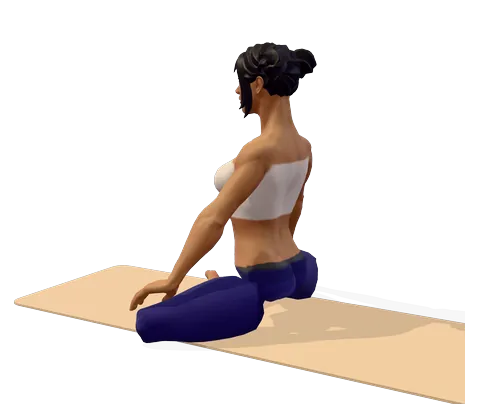 Easy PoseSukhasana
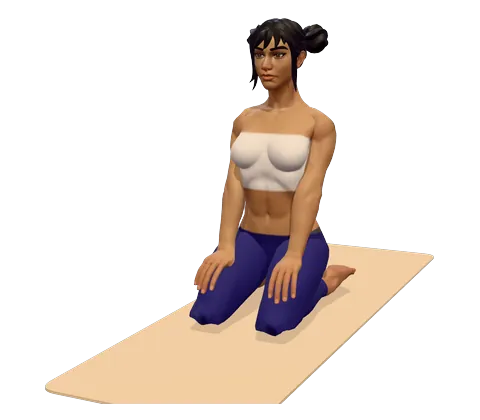 Thunderbolt PoseVajrasana
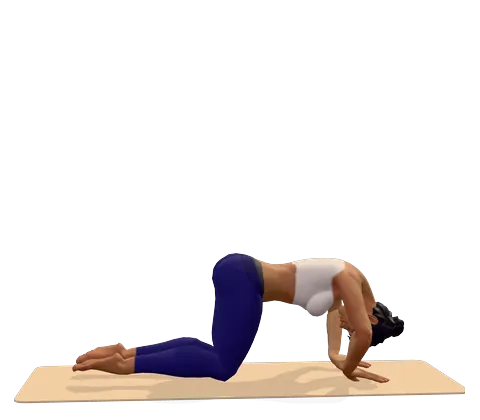 Cat PoseMarjaryasana
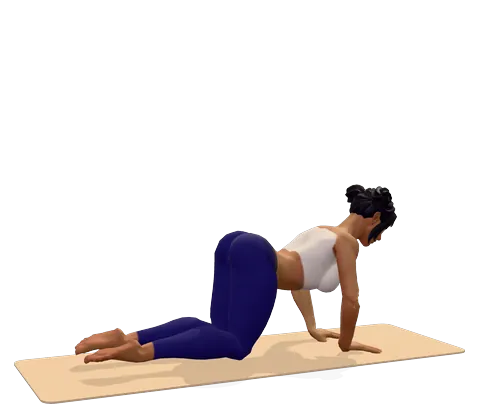 Cow PoseBitilasana
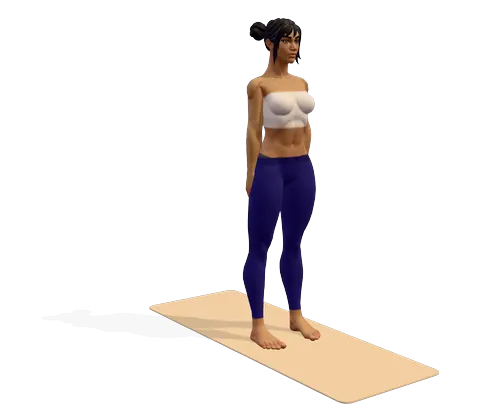 Mountain PoseTadasana
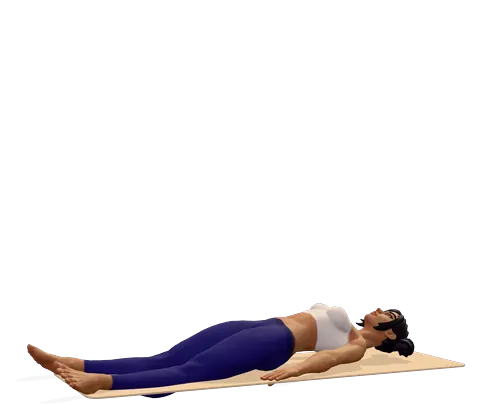 Corpse PoseSavasana
More poses that help with vertigo and dizziness
Add these once the session above feels easy, or swap one in when a pose does not suit you.
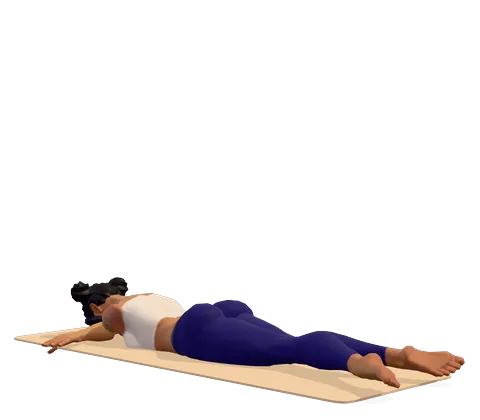 Crocodile PoseMakarasana
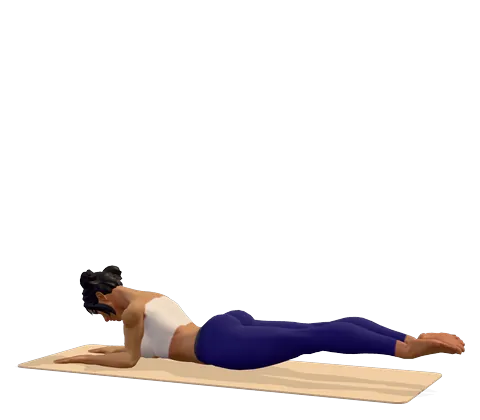 Sphinx PoseSalamba Bhujangasana
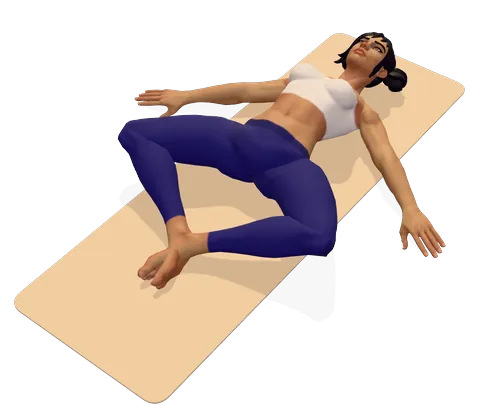 Reclining Bound Angle PoseSupta Baddha Konasana
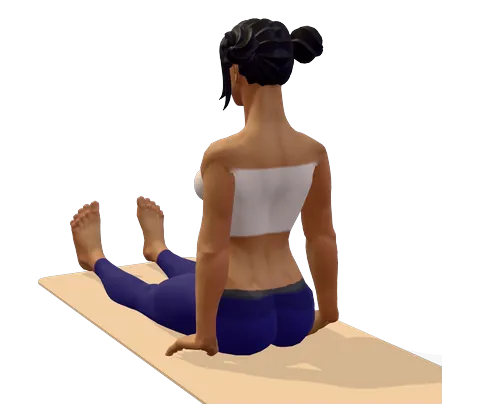 Staff PoseDandasana
Mudras for vertigo and dizziness
Hold a mudra while you sit for the breathing practice or a few minutes of quiet. Mudras are a traditional practice; research on them is limited.
Breathing practice
Avoid
Inversions, head-below-heart poses, fast head turns, forward folds, Kapalbhati and Bhastrika. See a doctor for sudden vertigo with weakness, slurred speech or hearing loss.
Traditional practice: Used in classical yoga therapy; few clinical trials so far.
Guided meditation for vertigo and dizziness
Breath Awareness Meditation (10 min, voice in 28 languages) · Body Scan Meditation (15 min, voice in 28 languages)
Yoga for vertigo is about staying steady, not about stretching further. Vertigo — the feeling that you or the room is spinning — and general dizziness make many people afraid to move at all. Gentle, grounded yoga can help you feel more stable, relax the neck and shoulders that tighten with fear, and calm the anxiety that often follows dizzy spells. This page explains which poses are safe, which to avoid, and how yoga fits with medical treatment and vestibular (balance) exercises from a physiotherapist.
See a doctor first for new, severe or repeated vertigo. Call your local emergency number straight away if vertigo comes suddenly with weakness or numbness, slurred speech, double vision or loss of vision, a severe headache, or sudden hearing loss — these can be signs of a stroke or another emergency.
What causes vertigo and dizziness? (chakkar aane ka karan)
Most vertigo comes from the inner ear, which senses head movement and helps you balance. Common causes include:
- BPPV (benign paroxysmal positional vertigo): tiny crystals in the inner ear move out of place. Short spins happen when you turn over in bed, look up or bend down.
- Labyrinthitis and vestibular neuritis: inflammation of the inner ear or its nerve, often after a virus.
- Ménière's disease: episodes of vertigo with ringing in the ear and hearing changes.
- Vestibular migraine, some medicines, low blood pressure, dehydration and anxiety.
"Chakkar aana" in English means feeling dizzy or giddy. If you notice bar bar chakkar aana — dizziness again and again — the cause needs to be found, because the treatment depends on it.
Is yoga good for vertigo? What we know
The support for yoga for vertigo and dizziness is mostly traditional and practical, not based on strong trials. There are no good studies showing that yoga poses cure vertigo. What does have evidence is vestibular rehabilitation: specific physio exercises for vertigo that train the brain to adapt, and, for BPPV, repositioning moves such as the Epley manoeuvre done or taught by a clinician.
So does yoga help vertigo? It can help around those treatments: calmer breathing, less neck tension, better posture and confidence in standing and moving. It should not replace a proper diagnosis. Can yoga cure vertigo naturally? No — but it can be a gentle part of feeling steady again.
Safe yoga poses for vertigo, one by one
These yoga poses for vertigo keep your head upright, your base wide and your movements slow. Practise next to a wall or a sturdy chair, on a non-slip surface, and stop at the first sign of spinning.
Easy pose (Sukhasana)
Easy pose is where the session starts: seated, grounded and still. Sit on a cushion with your back near a wall. Look straight ahead at one fixed point — this helps the eyes steady the balance system.
Thunderbolt pose (Vajrasana)
Vajrasana is a kneeling seat that keeps the spine tall and the head level. Put a folded blanket between your heels and hips if your knees complain, or sit on a chair instead.
Cat and cow (Marjaryasana–Bitilasana)
Cat and cow move the spine gently. With vertigo, keep the movement small and move your head with the spine, slowly — no dropping the head fast or looking sharply up. If this position makes you dizzy, do seated cat–cow on a chair.
Mountain pose (Tadasana)
Mountain pose is the core standing balance practice. Stand with feet hip-width apart, a chair back or wall within reach, eyes on a point at eye level. Feel your weight spread evenly through both feet. When you feel secure, rest one hand lightly on the chair instead of gripping it.
Corpse pose (Savasana)
Corpse pose ends the session. If lying flat triggers dizziness, raise your head and shoulders on two pillows or a wedge. To get up, roll slowly onto your side, pause, push up to sitting, pause again, and only then stand.
From the extra poses list, sphinx pose and staff pose are also calm choices with the head upright.
What to avoid: can yoga cause vertigo?
Yes, some yoga can make vertigo worse. Being dizzy when doing yoga is often caused by these moves:
- Head-down poses and inversions: downward dog, headstand, shoulder stand, deep forward folds such as standing forward bend.
- Fast head turns and neck rolls, and looking far up or down quickly.
- Quick changes of level, such as jumping or fast Sun Salutations.
- Fast breathing such as Kapalbhati and Bhastrika, which can cause light-headedness.
- Hot yoga and vertigo do not mix well: heat and dehydration make dizziness more likely.
- Unsupported balance poses such as tree pose, until your balance is steady — then use a wall.
Yoga for vertigo side effects: if a pose brings on spinning, stop, sit down, fix your eyes on one point and breathe slowly until it passes. Note which move triggered it and tell your doctor or physiotherapist — for BPPV, that information helps with diagnosis.
Breathing for vertigo and anxiety
Vertigo and anxiety often feed each other: dizziness is frightening, and anxiety makes you breathe fast, which makes dizziness worse. Slow breathing breaks that loop. Try these seated, using the breathing timer:
- Nadi Shodhana (alternate-nostril breathing): slow and even, without any breath hold.
- Bhramari (humming bee breath): a gentle hum on the out-breath. Keep the hum soft; if pressure in the ears bothers you, hum more quietly or skip it.
Prana mudra (ring and little fingers touching the thumb) is traditionally used for energy and steadiness; you can rest your hands in it while you breathe. If anxiety is a big part of your dizziness, see yoga for anxiety.
How to do yoga with vertigo: a safe routine at home
Can you do yoga if you have vertigo? Usually yes, once a doctor has checked the cause and between attacks — not during one. Here is how to exercise with vertigo safely:
- Practise when you feel at your steadiest, often mid-morning. Eat something light and drink water first.
- Set up beside a wall or chair, on a firm, non-slip surface, with good light.
- Follow the guided session on this page (about 10–15 minutes). Choose the "longer" hold time so transitions are fewer.
- Move between levels in stages: lying → side → sitting → kneeling → standing, pausing at each.
- Finish with 3 minutes of slow breathing, seated.
Yoga for vertigo beginners: start with only the seated poses and breathing for the first week, then add standing mountain pose by the wall. These vertigo beginner yoga poses are also the ones that suit yoga for vertigo patients recovering after an illness. If you wonder which yoga is best for vertigo, the answer is the slowest one you can find — gentle Hatha or chair yoga, never hot or fast flowing styles.
A 20 minutes routine, three or four times a week, is plenty. Yoga for vertigo at home works best alongside any exercises your physiotherapist gives you — do those as prescribed.
Balance exercises for dizziness from physiotherapy
Balance therapy exercises for dizziness are the best-studied home exercises for vertigo and dizziness. A physiotherapist will choose them for your cause, but they often include:
- Gaze stability: keeping your eyes on a fixed point while you slowly turn your head a little.
- Standing balance: feet together, then one foot in front of the other, next to a wall.
- Walking practice: walking while slowly turning the head, in a safe hallway.
- Repositioning manoeuvres for BPPV, such as the Epley — a treatment for positional vertigo that should be done or taught by a clinician first.
These physical therapy exercises for vertigo relief often make you a little dizzy at first; that is part of how they work, so follow your therapist's plan. The yoga here is a calm complement, especially for posture and anxiety, and the gentlest of all exercises to help with dizziness from tension or worry. Yoga exercises for dizziness never replace the therapy exercises for vertigo your physio sets. Older adults can also use yoga for balance in seniors and yoga for seniors.
How to relieve dizziness and stop vertigo in the moment
How to stop vertigo immediately? You often cannot, but you can make an attack safer and shorter:
- Sit or lie down at once, away from stairs and sharp corners.
- Keep your head still and fix your eyes on one point.
- Breathe slowly: in through the nose, a longer breath out through the mouth.
- Rest in a quiet, dim room if you can. Get up slowly afterwards.
- Drink water if you may be dehydrated.
How to avoid vertigo coming back: move slowly when getting out of bed, sleep with your head slightly raised if lying flat triggers it, and avoid bending down fast. How to control vertigo without medications depends on the cause — for BPPV, repositioning and exercises often work well; for others, your doctor will advise.
चक्कर आने पर क्या करें (chakkar aane par kya kare) — हिंदी में: चक्कर आए तो तुरंत बैठ जाएँ या लेट जाएँ, सिर स्थिर रखें और एक जगह देखें। धीरे-धीरे साँस लें और लंबी साँस छोड़ें। सुखासन, वज्रासन, ताड़ासन (दीवार के पास) और शवासन सुरक्षित हैं; सिर नीचे वाले आसन, तेज़ी से गर्दन घुमाना और कपालभाति न करें। अचानक तेज़ चक्कर के साथ कमज़ोरी, बोलने में दिक्कत या सुनाई कम हो तो तुरंत अस्पताल जाएँ।
Take it slowly: set a chair beside you and start the guided 3D session on this page. You can rotate the 3D figure first to see each pose before you move.
Research behind this plan
- NHS — Vertigo: causes (BPPV, labyrinthitis, vestibular neuritis, Ménière's), self-help (move slowly, avoid bending), balance exercises and when to get emergency help
- NCCIH (US National Institutes of Health) — Yoga: what you need to know, including safety and injury risk
Frequently asked questions
Is yoga good for vertigo?
Gentle yoga can help you feel steadier and calmer and can ease neck tension, but it is not a proven treatment for vertigo. Get the cause checked, and use yoga alongside any vestibular exercises or treatment your doctor or physiotherapist gives you.
Which yoga is best for vertigo?
Slow, seated and standing poses with the head upright: easy pose, Vajrasana, small cat–cow movements, mountain pose near a wall and a supported corpse pose, with Nadi Shodhana or Bhramari breathing.
Can yoga cause vertigo?
Yes. Head-down poses, inversions, fast head turns, quick changes from lying to standing, fast breathing and hot yoga can trigger dizziness. Move slowly and keep your head above your heart.
Can you do yoga if you have vertigo?
Usually yes, between attacks and after a doctor has checked the cause. Practise beside a wall or chair, avoid the triggers above and stop if the room starts to spin.
How do I stop vertigo immediately?
Sit or lie down straight away, keep your head still, fix your eyes on one point and breathe slowly. Get up slowly once it passes. Repeated attacks need a medical check.
What are the best exercises for vertigo?
Vestibular rehabilitation exercises chosen by a physiotherapist have the best evidence, and for BPPV, repositioning manoeuvres such as the Epley. Gentle yoga is a helpful extra for posture, relaxation and confidence.
When is vertigo an emergency?
Call emergency services if vertigo starts suddenly with weakness, numbness, slurred speech, vision loss, a severe headache or sudden hearing loss. These can be signs of a stroke.
Medical note: yoga supports treatment; it does not replace it. Keep taking prescribed medicine and talk to your doctor before you start, especially with heart disease, uncontrolled blood pressure, recent surgery, pregnancy, epilepsy or severe pain. Read our medical disclaimer.