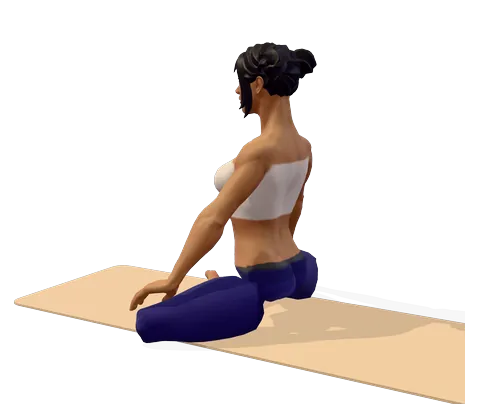
Your eye strain yoga plan
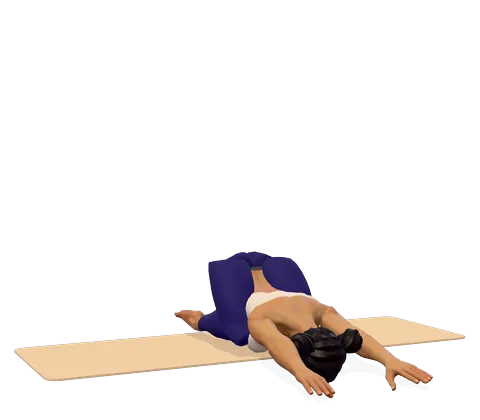
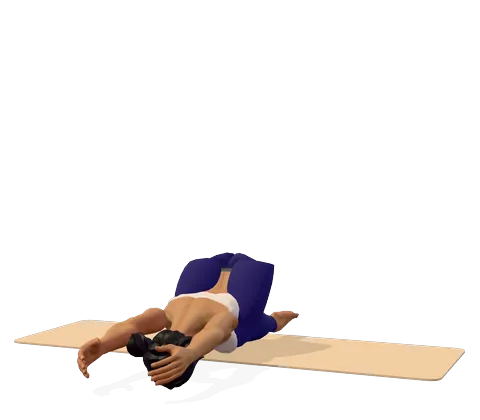
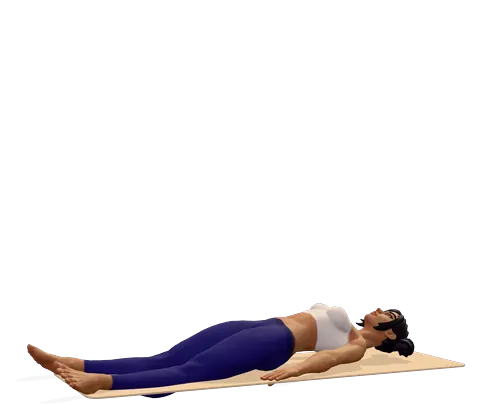
More poses that help with eye strain
Add these once the session above feels easy, or swap one in when a pose does not suit you.
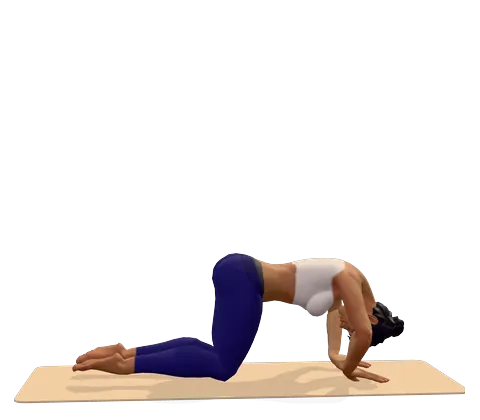 Cat PoseMarjaryasana
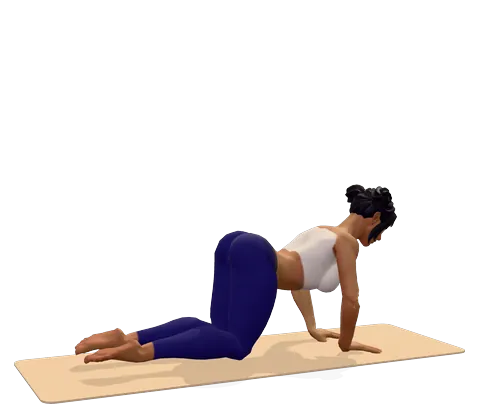 Cow PoseBitilasana
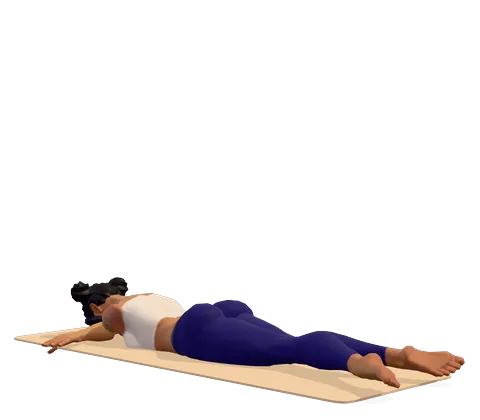 Crocodile PoseMakarasana
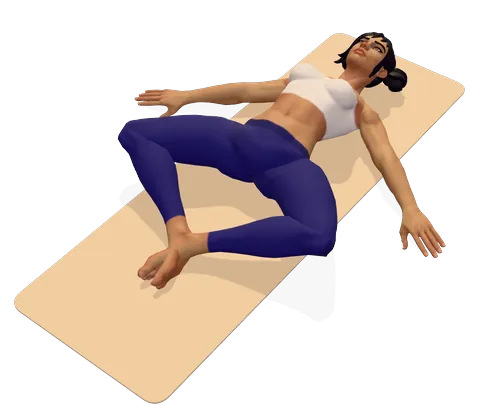 Reclining Bound Angle PoseSupta Baddha Konasana
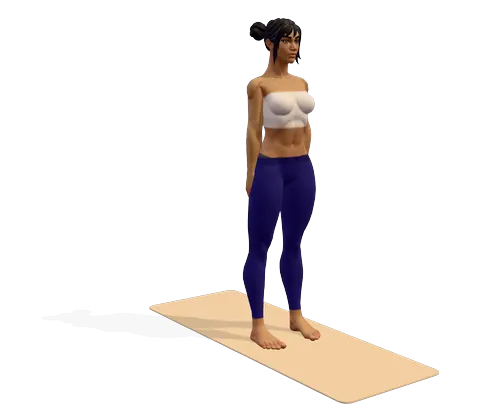 Mountain PoseTadasana
Mudras for eye strain
Hold a mudra while you sit for the breathing practice or a few minutes of quiet. Mudras are a traditional practice; research on them is limited.
Breathing practice
Avoid
Claims that yoga replaces glasses — it relaxes tired eyes, it does not fix refractive error.
Emerging evidence: Small or early trials look promising.
Yoga for eyes means two things: simple eye exercises such as palming, blinking and changing focus, and calm poses and breathing that relax the face, neck and mind. Together they may ease the tired, dry, heavy feeling of eye strain from screens and reading. Let us be clear from the start: eye yoga does not fix short sight, long sight or astigmatism, and it cannot remove glasses. What it can do is make your eyes feel more comfortable.
What is eye yoga?
Eye yoga is a set of gentle movements and rests for the eyes, done sitting upright. Classic yoga eye exercises include:
- Palming: rub your hands warm and cup them over closed eyes, without pressing, for 30–60 seconds.
- Blinking: blink softly and quickly 10–20 times, then close your eyes and rest.
- Eye movements: look slowly up and down, side to side, and diagonally, then draw slow circles each way. Keep your head still.
- Near and far focus: hold a thumb about 25 cm (10 inches) in front of your nose, focus on it, then on something across the room. Repeat 10 times.
- Trataka: a yogic eye exercise of steady gazing at a point or a candle flame, then closing the eyes. The benefits of Trataka yoga for eyes are mainly relaxation and focus. See our guide to Trataka for the full method.
How to do eye exercises well: move slowly, keep your face soft, breathe normally, and stop if you feel pain, dizziness or a headache.
Can yoga improve eyesight? What the research says
The evidence level for this page is emerging. Here is what the studies actually show:
- Eye strain: in a small 2020 trial with 32 optometry students who had eye fatigue, those who did yoga eye exercises (palming, blinking, eye movements, near–far focusing and gazing) for 30 minutes a day, 5 days a week, had less eye fatigue after 6 weeks. The group that did nothing got worse. This supports eye yoga for eye strain, but the study was small.
- Eyesight and glasses: the American Academy of Ophthalmology states that short sight, long sight and astigmatism cannot be corrected with eye exercises. They are caused by the shape of the eye, not weak muscles, so exercises to strengthen eyes or strengthen eyesight do not change them. A 2026 systematic review of yoga for eye disorders also found only limited, inconclusive evidence for myopia.
- Dry eyes: the same review found limited evidence. One small trial of candle-gazing (Trataka) reported fewer dry eye symptoms, but more research is needed.
- Glaucoma: the review suggests meditation and slow breathing may help as an add-on to glaucoma treatment, possibly by reducing stress. Eye drops and your specialist's plan remain essential.
So, can yoga for eyes remove glasses or cure eyesight problems? No. Yoga eye exercises cannot improve vision that is blurred by the shape of your eyes, so no routine will give you "strong" or "good" eyesight in that sense. There is also no yoga to cure eye problems such as cataract or glaucoma. When people talk about yoga for eyesight improvement or improving eyesight, what they usually notice is more comfort, not sharper focus. Can eye yoga improve eyesight comfort and reduce strain? For many people, probably yes. The benefits of eye yoga are relaxation and relief, not a new prescription.
Yoga poses and breathing for eye health
The poses in your plan above were chosen to relax the muscles around the eyes, face and neck, which tighten with long screen use.
Easy pose (Sukhasana) — your seat for eye exercises
Sit cross-legged on a cushion in Sukhasana, or upright on a chair. Relax your jaw and shoulders. Do the eye exercises above from here.
Child's pose (Balasana) and Hare pose (Shashankasana)
In Balasana and Shashankasana your forehead rests on the floor or on a cushion. The darkness and gentle pressure feel soothing to tired eyes. Modification: rest your forehead on stacked fists or a block. If you have glaucoma, ask your eye doctor first, because head-down positions raise eye pressure; you can keep your head higher on a pile of cushions or skip these poses.
Corpse pose (Savasana) with an eye pillow
Lie down in Savasana and close your eyes for 5 minutes. A light eye pillow blocks light and helps the eyes and face let go.
How to make an eye pillow for yoga: fill a small cotton bag (about 10 × 20 cm) two-thirds full with dry rice or flaxseed, and sew or tie it shut. Keep it light, and never press on the eyes.
Breathing: Bhramari and Anulom Vilom
Bhramari (humming bee breath) calms the mind; many people rest their fingertips lightly over closed eyes while humming. Anulom Vilom is a slow alternate-nostril breath that settles you before or after screen work. Both are gentle and suitable for most people.
Screen habits that protect your eyes
Yoga for eyes strain works best with a few simple habits:
- The 20-20-20 rule: the American Optometric Association suggests that every 20 minutes you look at something 20 feet (6 metres) away for 20 seconds.
- Blink: we blink far less when staring at screens, which dries the eyes. Blink on purpose, and use lubricating drops if your eyes feel dry.
- Distance: keep the screen about an arm's length away and slightly below eye level.
- Light: reduce glare and match screen brightness to the room.
Screens do not permanently damage your eyes, according to the American Academy of Ophthalmology, but they cause temporary discomfort. That is exactly what eye exercises and breaks help with.
Sample weekly eye yoga routine
| When | Practice |
|---|---|
| Every 20 minutes of screen time | 20-20-20 break and 10 soft blinks |
| Every 1–2 hours at work | 2 min: palming, eye movements, near–far focus |
| Mon, Wed, Fri | Guided session on this page (about 10 min) |
| Tue, Thu | 5 min Bhramari + 5 min Anulom Vilom, then palming |
| Weekend | Guided session + 5 min Savasana with an eye pillow |
| Before sleep | Palming and slow breathing, screens off |
Yoga for eyes before sleep is simple: palming and slow breathing with screens off. Timing around meals does not matter much for eye exercises. For the poses, wait about 2 hours after a big meal, since child's pose and hare pose fold over the belly.
Yoga for specific eye concerns
Yoga for dry eyes
Blinking exercises, palming with warm hands and screen breaks can ease dry eye syndrome symptoms. Keep seeing your eye doctor if dryness is persistent.
Eye yoga for glaucoma patients
Keep your head above your heart. In a study of people with and without glaucoma, downward-facing dog, standing forward bend, plough and legs-up-the-wall raised eye pressure within a minute. Avoid headstands, shoulder stands and long head-down holds, and ask your specialist before starting. Eye yoga cannot lower eye pressure enough to replace your eye drops.
After cataract or eye surgery
Follow your surgeon's instructions. Most people are told to avoid bending, lifting and rubbing the eyes for a while. Start yoga for eyes after cataract surgery only once your surgeon agrees, and skip head-down poses until then. Yoga eye exercises for cataracts cannot clear a cloudy lens; surgery is the treatment.
Eye exercises for lazy eye, squint, myopia or presbyopia
Yoga for squint eyes or a lazy eye in a child is no substitute for early treatment by an eye doctor, such as glasses or patching. Eye exercises for myopia or presbyopia will not remove the need for glasses. Eye exercises may help one specific focusing problem called convergence insufficiency, but only when prescribed by an eye professional.
Face yoga for eye bags and puffy eyes
Face yoga (facial yoga) for eyes is popular, but there is little good evidence that it removes eye bags, puffy eyes or sunken eyes. Sleep, less salt, treating allergies and a cool compress help more. See face yoga if you enjoy it as relaxation.
Yoga for eyes for kids
Children can do palming, "look at the clock" eye movements and outdoor play, which is good for young eyes. Keep screen breaks regular.
What to avoid and when to see an eye doctor
Avoid pressing on your eyes, staring until they sting, candle-gazing if flickering light makes you unwell, and head-down poses if you have glaucoma or recent eye surgery. Yoga for eyes side effects are rare, but stop if you feel pain or dizziness.
Get urgent medical help for sudden vision loss or blurring, a curtain or shadow over your vision, a sudden shower of floaters or flashes of light, double vision, a painful red eye, severe eye pain with headache or nausea, or any eye injury. Have regular eye tests: eye strain can be a sign that you need new glasses.
आँखों के लिए योग (yoga for eyes and eyesight improvement in Hindi): सुखासन में सीधे बैठें। हथेलियाँ रगड़कर गर्म करें और बंद आँखों पर हल्के से रखें (पामिंग)। धीरे-धीरे ऊपर-नीचे, दाएँ-बाएँ देखें, फिर पास और दूर की चीज़ पर नज़र बदलें। स्क्रीन पर हर 20 मिनट बाद 20 सेकंड तक दूर देखें। भ्रामरी और अनुलोम-विलोम करें। ध्यान रखें: योग से चश्मा नहीं हटता, यह केवल आँखों की थकान कम करता है। अचानक दिखना कम हो जाए तो तुरंत डॉक्टर से मिलें।
Start the guided session
Take a break from your screen with the guided 3D session on this page. You can listen to the voice with your eyes closed for much of it, and the figure shows each pose when you look up. If you have glaucoma, skip the head-down poses (child's pose and hare pose). For more routines, visit our guided sessions page.
Research behind this plan
- Gupta and Aparna 2020, Int J Yoga — small trial (32 students): 6 weeks of yoga eye exercises reduced eye fatigue scores
- Abraham 2026, Adv Mind Body Med — systematic review of 14 studies: meditation and pranayama promising as add-ons in glaucoma; limited, inconclusive evidence for myopia and dry eye
- Jasien 2015, PLOS ONE — eye pressure rose within one minute in four head-down yoga poses, in people with and without glaucoma
- American Academy of Ophthalmology — eye exercises cannot correct nearsightedness, farsightedness or astigmatism
Frequently asked questions
Can yoga improve eyesight or remove glasses?
No. Short sight, long sight and astigmatism come from the shape of the eye, and eye exercises cannot correct them. Eye yoga can ease strain and make tired eyes feel more comfortable.
What is the best eye exercise for eye strain?
The 20-20-20 break (every 20 minutes, look 20 feet away for 20 seconds), plus palming and deliberate blinking. These are quick and can be done at your desk.
How long should I do eye yoga each day?
A few minutes every 1–2 hours of screen work, plus a 10-minute session a few times a week. In one small study, people practised 30 minutes a day, 5 days a week, for 6 weeks.
Can I close my eyes while doing yoga?
Yes, in seated poses, lying poses and breathing practice it is fine and often relaxing. Keep your eyes open in balancing poses and when moving between poses so you stay steady.
Is eye yoga safe with glaucoma?
Gentle eye movements, palming and slow breathing are generally fine, but head-down poses raise eye pressure. Avoid inversions and long forward folds, and ask your eye specialist before starting.
Is Trataka good for the eyes?
Trataka (steady gazing) is traditionally used for concentration and eye comfort, and one small trial reported fewer dry eye symptoms. Blink when you need to, keep the flame at arm's length, and skip it if flickering light is a trigger for you.
Does face yoga reduce eye bags?
There is little good evidence for this. Enough sleep, less salt, allergy treatment and a cool compress are more likely to help puffy eyes.
Can children do eye yoga?
Yes, simple palming and eye movements are safe and fun. But a squint, lazy eye or trouble seeing the board needs an eye test, not exercises.
Medical note: yoga supports treatment; it does not replace it. Keep taking prescribed medicine and talk to your doctor before you start, especially with heart disease, uncontrolled blood pressure, recent surgery, pregnancy, epilepsy or severe pain. Read our medical disclaimer.