Your shoulder pain yoga plan
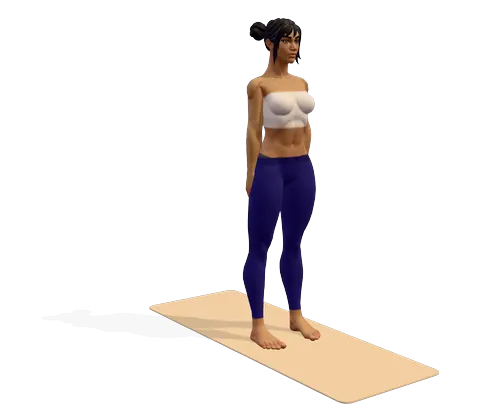 Mountain PoseTadasana
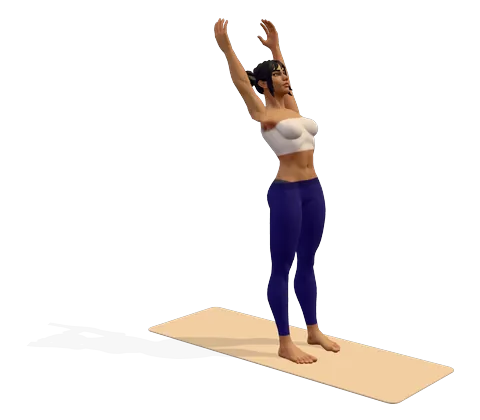 Raised Arms PoseHasta Uttanasana
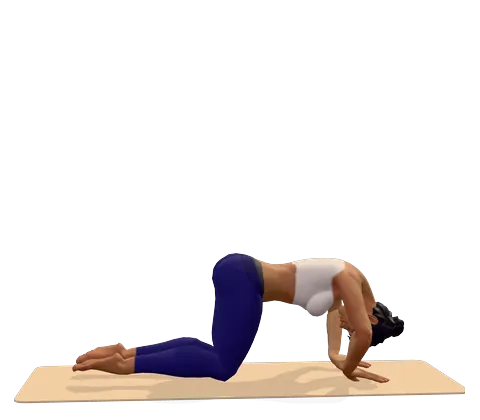 Cat PoseMarjaryasana
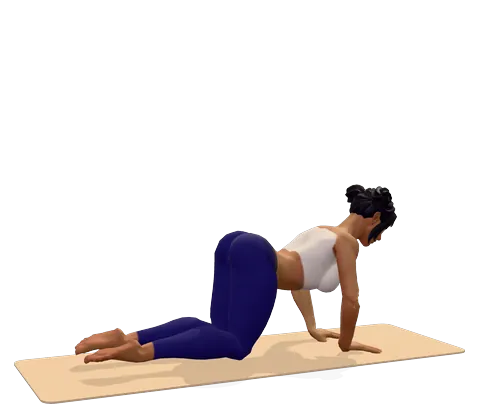 Cow PoseBitilasana
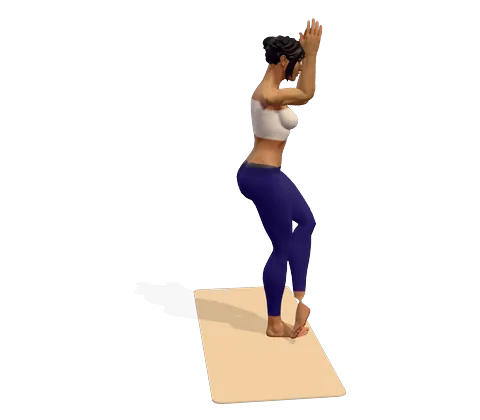 Eagle PoseGarudasana
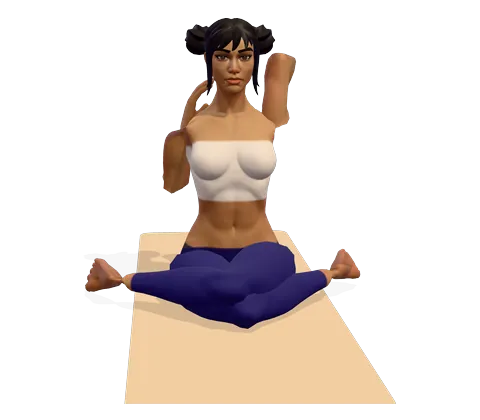 Cow Face PoseGomukhasana
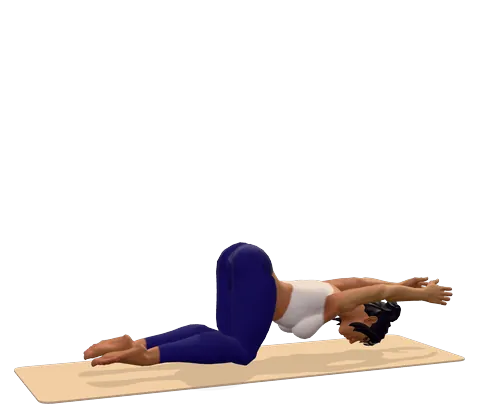 Extended Puppy PoseAnahatasana
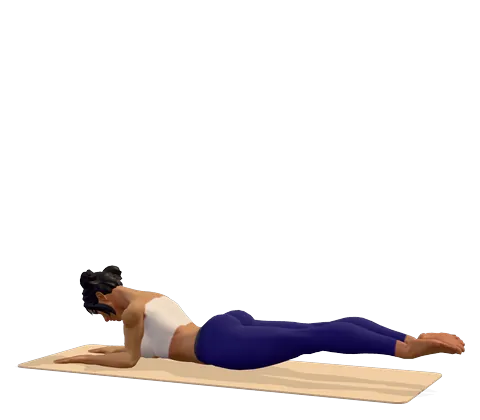 Sphinx PoseSalamba Bhujangasana
More poses that help with shoulder pain
Add these once the session above feels easy, or swap one in when a pose does not suit you.
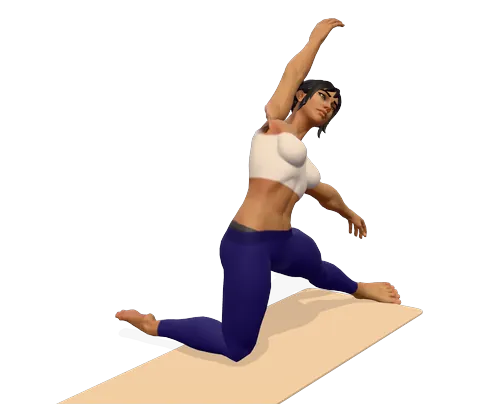 Gate PoseParighasana
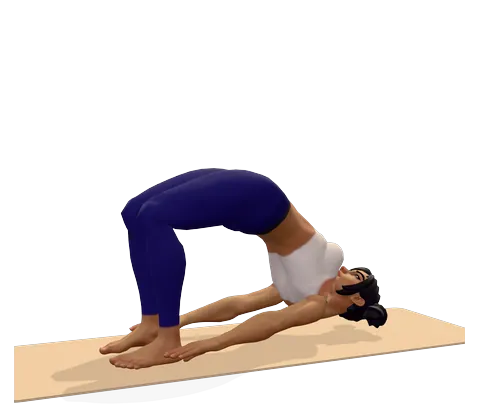 Bridge PoseSetu Bandhasana
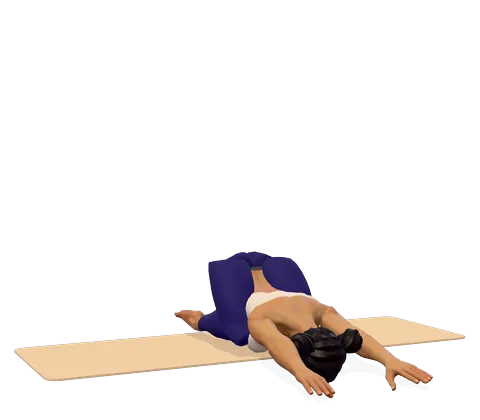 Child’s PoseBalasana
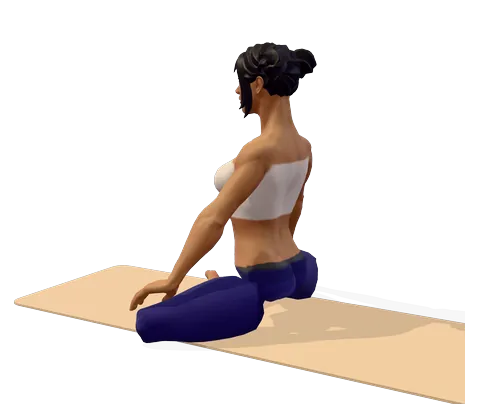 Easy PoseSukhasana
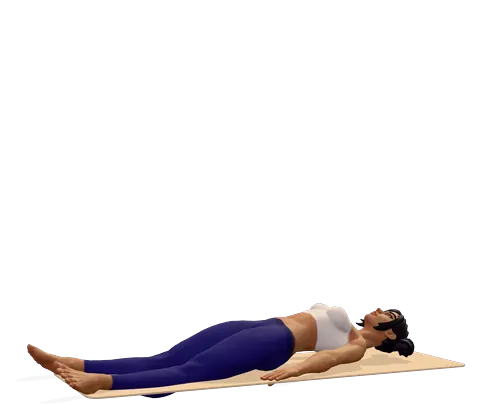 Corpse PoseSavasana
Mudras for shoulder pain
Hold a mudra while you sit for the breathing practice or a few minutes of quiet. Mudras are a traditional practice; research on them is limited.
Breathing practice
Avoid
Weight-bearing on the arms (plank, downward dog) while it hurts. See a doctor for shoulder pain with chest pain, breathlessness or after a fall.
Emerging evidence: Small or early trials look promising.
Yoga for shoulder pain works best when it is slow and patient. Most everyday shoulder pain comes from stiffness, tension from long hours at a desk, or irritated rotator cuff tendons, and all of these tend to improve with gentle, regular movement rather than rest. This page explains why each pose in the plan above helps, how to stretch your shoulders properly, how to protect an injured rotator cuff and when shoulder pain needs a doctor.
Get urgent help for shoulder pain with chest pain, breathlessness, sweating or pain spreading to the jaw or left arm (call emergency services), and for sudden severe pain, a shoulder that looks out of shape, inability to move the arm after a fall, numbness or tingling, or fever with a hot, swollen joint.
Why shoulders hurt
The shoulder is the most mobile joint in the body. That freedom depends on four small rotator cuff muscles that hold the ball of the arm in its socket, and on the shoulder blade moving smoothly over the ribs. Common causes of pain include:
- Rotator cuff tendon pain (tendinopathy or tendonitis): an ache on the outside of the upper arm, worse when lifting the arm or lying on that side.
- Tension and posture: rounded shoulders and a forward head from screens tighten the chest and overwork the upper back and neck.
- Frozen shoulder: slow, severe stiffness in all directions; see yoga for frozen shoulder.
- Arthritis, tears and injuries, which need a proper diagnosis.
Is yoga good for shoulder pain?
For most common, non-urgent shoulder pain, gentle yoga is a reasonable choice. The NHS advises keeping the shoulder moving, doing shoulder exercises for several weeks and paying attention to posture, and says it usually takes about two weeks for pain to start easing. Yoga offers exactly this: slow range-of-motion work, gentle strength and time to relax the neck and upper back.
The research on yoga specifically for shoulder pain is limited, so the evidence level here is "emerging". Exercise therapy in general is the first-choice treatment for rotator cuff-related pain, and yoga is one gentle way to do it. It does not replace physiotherapy when you need a specific rehab plan.
Yoga poses for shoulder pain: why each one is in the plan
Move into every stretch slowly and stop at a mild, comfortable pull. Shoulder stretches in yoga should never cause sharp or pinching pain.
Mountain pose and Raised Arms: posture and range
Start in Mountain pose with your shoulders relaxed away from your ears. Then lift your arms in Raised Arms pose only as high as is comfortable. If raising straight up pinches, lift the arms forward with the thumbs turned up, or stop at shoulder height.
Cat and Cow: moving the shoulder blades
Cat and Cow move the upper back and let the shoulder blades glide apart and together. If putting weight on your hands hurts, do a seated version with your hands on your knees.
Eagle arms and Cow Face arms: the classic shoulder stretch yoga poses
Eagle pose arms stretch the upper back and the space between the shoulder blades. A simple version is to hug yourself. Cow Face pose arms stretch the front and back of the shoulder; use a strap or towel between your hands rather than forcing your hands to meet. These arm positions can be done sitting, which makes them good chair yoga for a person with shoulder problems.
Extended Puppy: opening the chest and armpits
Extended Puppy pose stretches the chest and the long muscles under the arms. Keep the arms wider than the shoulders and your elbows slightly bent if the stretch is too strong. Skip it while overhead movement is painful.
Sphinx: gentle strength
Sphinx pose asks the muscles around the shoulder blades to work lightly while the forearms take your weight. Press the forearms down and draw the shoulders away from the ears.
Yoga for rotator cuff pain and injury
With rotator cuff tendonitis or rotator cuff tightness and pain, the goal is to calm the tendon and then slowly strengthen it. Gentle range-of-motion work from the plan helps early on. Later, strengthening the rotator cuff with a light resistance band (turning the forearm out with the elbow at your side) is usually added by a physiotherapist.
Yoga for a torn rotator cuff or rotator cuff tear: get a diagnosis first. Small or partial tears are often treated with exercise, while larger tears after an injury may need a surgeon's opinion. After surgery, follow your rehab plan exactly; yoga for rotator cuff rehab should only include the moves your surgeon or physio has allowed.
How to strengthen the rotator cuff: slow, light and regular beats heavy. Two or three sets of gentle band exercises, plus posture work like Sphinx and Mountain, are more useful than big stretches.
Yoga for neck and shoulder pain
Neck and shoulder pain often go together, especially with desk work. For sore neck and shoulders, add slow chin tucks, ear-to-shoulder side stretches and Eagle arms. Take a short break every 30 to 60 minutes to roll your shoulders and stand tall. The guided Neck and Shoulder Release session on the practice page is a good 10 minute yoga for neck and shoulder pain. For more, see yoga for neck pain, yoga for posture and, for back and shoulder pain together, yoga for back pain.
What to avoid, and shoulder pain after yoga
- Weight on the arms: plank, downward dog, chaturanga and arm balances, until the shoulder is calm.
- Forcing a bind or pulling the arm behind your back with the other hand.
- Hanging on the joint in deep passive stretches.
- Repeated overhead lifting if it pinches.
Shoulder pain after yoga usually comes from too much weight on the hands, collapsing into the shoulders in downward dog, or lowering from plank with the elbows flaring out. Rest from those moves, return to the gentle plan above and build strength slowly.
Yoga for shoulder pain for seniors and side sleepers
Older adults often have both stiffness and wear in the shoulder. Do the arm movements seated, keep the range small and use a strap. The yoga for seniors guide has chair options. If you sleep on your side, hug a pillow in front of you so the top shoulder does not roll forward, and try sleeping on the non-painful side.
Breathing and relaxation
Pain makes the shoulders creep up towards the ears. Ujjayi breathing during the stretches, and Anulom Vilom at the end, help the neck and shoulder muscles let go. On each exhale, let your shoulders drop.
How often, and how long before it helps?
Practise the session above for 10 to 15 minutes once a day, or split it into two short sessions. Many people notice less stiffness within a week or two. The NHS suggests seeing a doctor if pain has not improved after two weeks of self-care, gets worse, or stops you using your arm. Full recovery from tendon pain can take several months, so keep going steadily.
कंधे के दर्द के लिए योग — हिंदी में ताड़ासन, हस्त उत्तानासन, कैट-काउ, गरुड़ासन और गोमुखासन की बाँहें, और स्फिंक्स पोज़ धीरे-धीरे करें। खिंचाव हल्का रखें, दर्द तेज़ हो तो रुक जाएँ। दर्द रहने तक प्लैंक और डाउनवर्ड डॉग जैसे हाथों पर वज़न वाले आसन न करें। सीने में दर्द या साँस फूलने के साथ कंधे में दर्द हो तो तुरंत डॉक्टर के पास जाएँ।
Practise with the 3D guide
Start the session at the top of this page. Rotate the 3D teacher to see the shoulder blades from behind, and turn on the Body guide to see which muscles each pose stretches. The voice guides you in 28 languages, so you can close your eyes and feel the shoulder instead of watching the screen.
Research behind this plan
- NHS — Shoulder pain: keep moving, shoulder exercises for 6 to 8 weeks, posture, when to see a GP and when to get urgent help
- NCCIH (US National Institutes of Health) — Yoga: What You Need To Know, including safety and modifications for health conditions
Frequently asked questions
Is yoga good for shoulder pain?
For most common shoulder pain from stiffness, tension or irritated tendons, gentle yoga can help by keeping the joint moving and relaxing the neck and upper back. Avoid weight on the arms while it hurts, and see a doctor if pain does not improve in two weeks.
What are the best yoga poses for shoulder pain?
Gentle options include Raised Arms, Cat and Cow, Eagle arms, Cow Face arms with a strap, Extended Puppy and Sphinx. Choose the ones that feel like a mild stretch, not a pinch.
Can yoga help a rotator cuff injury?
Gentle range-of-motion yoga can help rotator cuff pain, and light strengthening is usually added later. Get a diagnosis for any injury, especially after a fall, and follow your physiotherapist's plan after a tear or surgery.
Why do I have shoulder pain after yoga?
Common causes are too much weight on the hands, sinking into the shoulders in downward dog or plank, and forcing binds. Rest from those moves, return to gentle stretches and build strength slowly.
How do I stretch my shoulders properly?
Warm up first with small circles, move into each stretch slowly, stop at a mild pull, breathe for 5 to 10 breaths and come out slowly. Never bounce or force the arm.
Is yoga good for neck and shoulder pain from desk work?
Yes. Eagle arms, chin tucks, Cat and Cow and regular breaks to stand tall help many people. The Neck and Shoulder Release session is designed for this.
When is shoulder pain serious?
Seek urgent help for shoulder pain with chest pain or breathlessness, after a fall or injury, with a deformed shoulder, numbness, or fever with a hot, swollen joint.
Medical note: yoga supports treatment; it does not replace it. Keep taking prescribed medicine and talk to your doctor before you start, especially with heart disease, uncontrolled blood pressure, recent surgery, pregnancy, epilepsy or severe pain. Read our medical disclaimer.