Your memory in older adults yoga plan
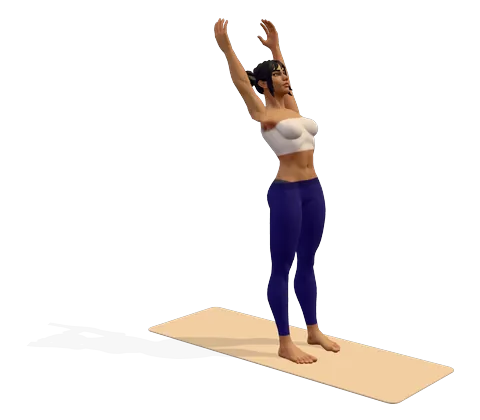
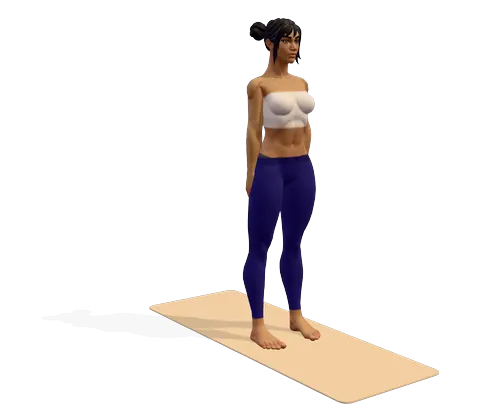 Mountain PoseTadasana
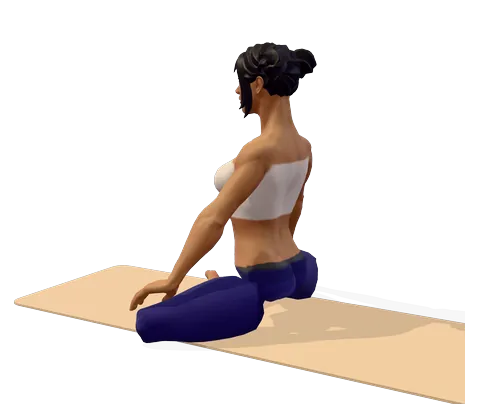 Easy PoseSukhasana
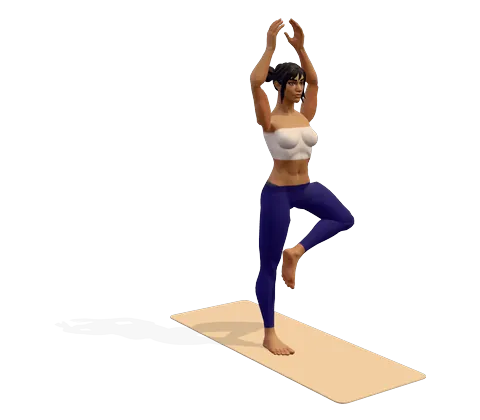 Tree PoseVrikshasana
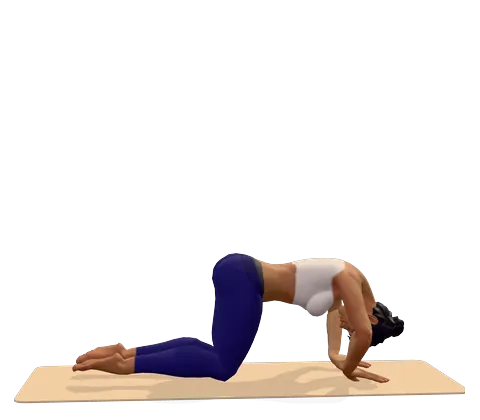 Cat PoseMarjaryasana
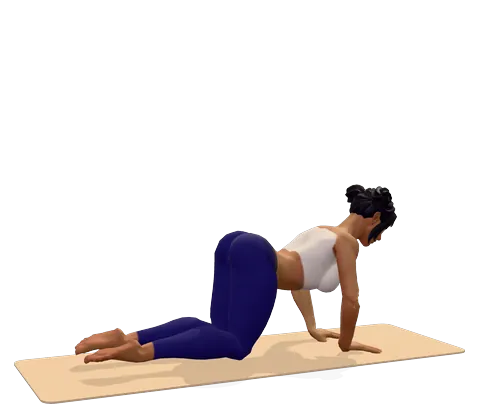 Cow PoseBitilasana
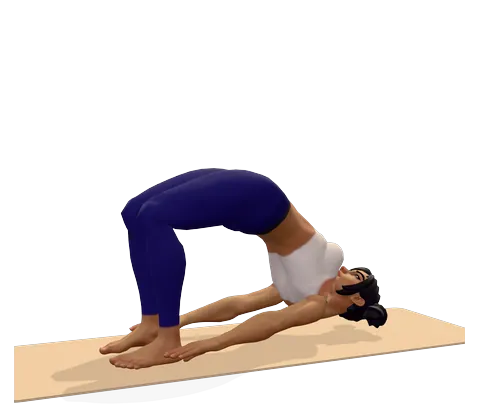 Bridge PoseSetu Bandhasana
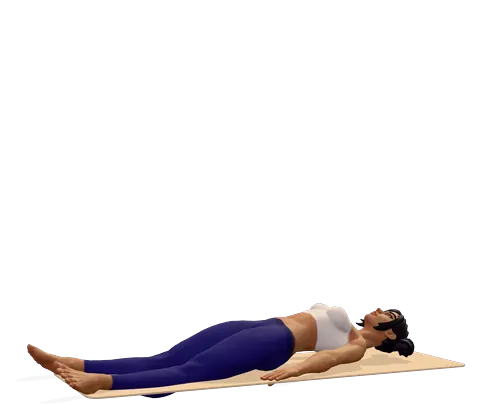 Corpse PoseSavasana
More poses that help with memory in older adults
Add these once the session above feels easy, or swap one in when a pose does not suit you.
Mudras for memory in older adults
Hold a mudra while you sit for the breathing practice or a few minutes of quiet. Mudras are a traditional practice; research on them is limited.
Breathing practice
Avoid
Balance poses without support and getting down to the floor without help.
Emerging evidence: Small or early trials look promising.
Guided meditation for memory in older adults
Breath Awareness Meditation (10 min, voice in 28 languages) · Body Scan Meditation (15 min, voice in 28 languages)
Yoga for dementia is gentle movement, breathing and rest adapted for older adults with memory changes — and it can be something to share with a carer. It will not stop or reverse dementia or Alzheimer's disease. What it can offer is safe exercise, better balance, calmer moods and a calm, familiar routine. This page is written for older adults and for the family members and carers who help them: which poses to use, how to do them on a chair, what the research shows, and how to keep practice safe.
Please check with the doctor before starting any new exercise, especially with heart problems, falls, osteoporosis or recent surgery. Keep all prescribed medicines as they are.
Benefits of yoga for seniors with memory changes
Physical activity is one of the most consistent things linked to brain health as we age. Yoga adds a few extras that suit older people well:
- Movement plus attention. Following a voice, copying a figure and remembering a sequence exercise body and mind together — a kind of brain yoga for seniors.
- Balance and strength. Standing poses with a chair for support help leg strength and steadiness, which lowers the risk of falls.
- Mood and calm. Slow breathing and rest can ease restlessness, worry and low mood, which often come with memory problems.
- Routine and connection. A short practice at the same time each day, with a carer or family member, gives structure and a pleasant shared activity.
What does research say about yoga, memory and dementia?
The evidence is emerging. The best-known yoga dementia study is a randomised trial of 81 adults aged 55 and over with mild cognitive impairment (memory problems that are not yet dementia). One group did 12 weeks of Kundalini yoga with a chanting meditation; the other did memory-enhancement training, a well-established brain-training approach. Both groups improved in memory. Only the yoga group also improved in executive function (planning and attention), mood and resilience.
That is encouraging for yoga for age-related cognitive decline, but it is one trial in people at risk, not in people with established dementia. For yoga for dementia patients, studies are small and mostly look at mood, sleep, balance and quality of life rather than memory. Yoga for dementia prevention should be seen as part of a healthy lifestyle — regular exercise, social contact, good hearing and vision care, blood pressure control, not smoking — rather than a proven shield.
Yoga poses for dementia, with chair options
The guided session on this page uses simple, familiar shapes. Keep a sturdy chair without wheels next to you for every pose. The voice guide names each step and the 3D figure shows it, so the practice is easy to follow.
Mountain pose (Tadasana)
Mountain pose: stand tall behind the chair, both hands on the chair back, feet hip-width apart. Feel both feet on the floor. Chair option: sit tall at the front of the seat, feet flat.
Easy pose (Sukhasana)
Easy pose is a cross-legged seat. For most older adults, the chair version is better: sit tall, hands resting on the thighs, and breathe slowly. Do not get down to the floor without help.
Tree pose (Vrikshasana)
Tree pose trains balance. Always hold the chair back. Rest one heel against the other ankle, toes on the floor — a "kickstand" tree. Never do this balance pose without support.
Cat and cow (Marjaryasana–Bitilasana)
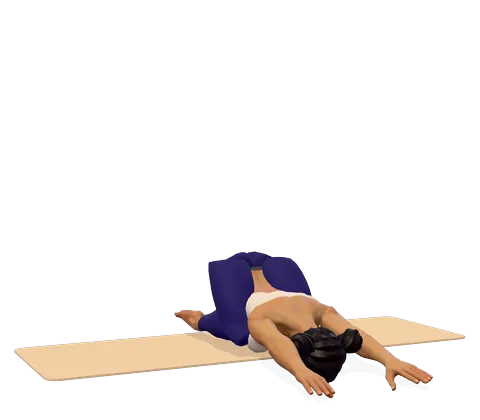
Cat and cow are best done seated: hands on knees, round the back as you breathe out, lift the chest as you breathe in. This keeps the spine moving with no need to kneel.
Bridge pose (Setu Bandhasana)
Bridge pose strengthens the legs and hips. Do it on a bed or floor only if getting down and up is easy and safe. Chair option: sitting tall, press both feet down and squeeze the buttocks for three breaths, then relax.
Corpse pose (Savasana)
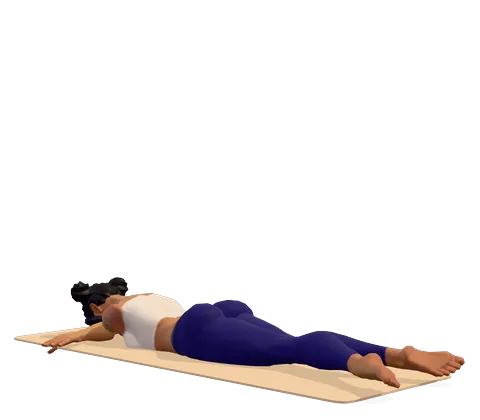
Corpse pose can be done lying on a bed or reclining in an armchair with feet up. A blanket helps; older bodies cool quickly.
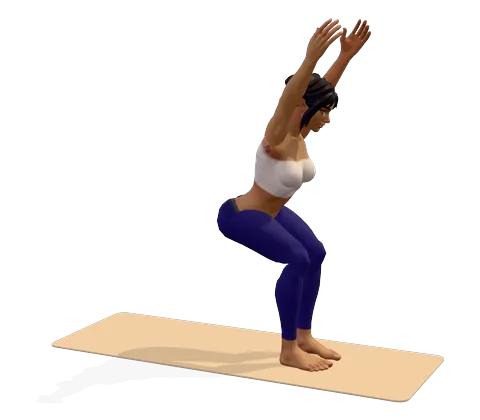
From the extra poses, raised arms pose is easy seated or standing, and a half chair pose — rising from the chair and sitting back down slowly — is excellent leg strengthening.
Chair yoga for dementia: a 10-minute routine
This chair yoga for seniors with dementia can be done entirely seated. Carers can sit opposite and do it together — people copy movement more easily than they follow words.
- Arrive (1 minute): sit tall, feet flat, hands on thighs. Three slow breaths.
- Raise the arms (1 minute): breathe in, lift both arms; breathe out, lower them. Repeat five times.
- Seated cat–cow (1 minute): round and lift the back with the breath.
- Ankle circles and toe taps (1 minute): good for circulation.
- Gentle twist (1 minute): hand on the opposite knee, turn slowly to each side.
- Sit to stand (2 minutes): stand up with support, sit down slowly. Repeat 3–5 times.
- Humming breath (2 minutes): hum softly on each out-breath.
- Rest (1 minute): eyes open or closed, hands resting.
This free chair yoga for dementia patients works well in the morning, when many people are most alert. Use the "shorter" hold time in the guided player and switch to full-screen so the figure is large and clear.
Yoga for Alzheimer's patients and the elderly: getting started
Chair yoga for Alzheimer's follows the same routine as above; Alzheimer's disease is the most common cause of dementia. As memory changes, focus less on "getting it right" and more on moving together. Some practical steps:
- Yoga for the elderly beginners: start with two or three movements only — arm raises, seated cat–cow and humming — and add one new movement a week.
- Morning yoga for seniors often works best, before tiredness in the afternoon; late-day restlessness can respond to a calm, seated practice with humming.
- Easy yoga for elderly people with pain: keep every movement within a comfortable range. Yoga for seniors to relieve pain means gentle, not deep.
Yoga exercises for dementia can sit alongside other exercises for patients with dementia, such as walking with a companion, and memory exercises for elderly people such as looking through old photos, singing familiar songs and simple word games. These mind exercises for dementia patients work best short and relaxed, never as a test.
What about Kundalini yoga for dementia? The trial described above used a Kundalini chanting meditation (Kirtan Kriya) — a simple, seated practice with chanting and finger movements. The fast "breath of fire" part of Kundalini is not suitable for older adults.
Why yoga is good for mental health in older age
Low mood, worry and loneliness are common in later life and in people with memory changes. Yoga for age-related depression is not a replacement for treatment, but the benefits of yoga for mental health in older adults — gentle activity, slow breathing, routine and company — support mood and sleep. That is why yoga is important for mental health as well as for the body: it gives a calm, achievable success every day. Yoga for brain health is really yoga for the whole person.
Breathing and mudras for memory and concentration
Keep breathing simple and never forceful:
- Bhramari (humming bee breath) — humming is familiar and pleasant for most people, even with advanced memory loss. It slows the breath and often calms agitation.
- Nadi Shodhana (alternate-nostril breathing) — for people who can follow the steps; no breath holds. If it is confusing, just breathe slowly through both nostrils.
Two hand gestures are traditionally used for focus: Gyan mudra (thumb and index finger touching) and Hakini mudra (all fingertips of both hands touching). They are calm, easy rituals for yoga for memory and concentration; there is no proof that they improve memory themselves. Pair them with the breathing timer.
Tips for carers: yoga for people with dementia at home
Yoga can be one of the calmer activities for people with dementia at home. These tips help:
- Same time, same place. Routine lowers confusion. After breakfast often works well.
- Show, do not tell. Sit facing the person and move together. Keep instructions short: "Arms up… and down."
- Keep it short. 5–15 minutes is enough. Stop while it is still enjoyable.
- Stay close for balance. Use a sturdy chair, clear the floor, and have non-slip shoes or bare feet on a non-slip mat.
- Watch for signs to stop: pain, breathlessness, dizziness, distress or confusion. Agitation is a signal to switch to humming or rest.
- Look after yourself too. Caring is tiring. The yoga for stress page and guided Yoga Nidra are good for carers.
Meditation for seniors with dementia is best kept very simple: a few minutes of humming, listening to a bell on the meditation timer, or holding a warm cup and noticing its warmth.
What helps memory loss in the elderly?
Yoga is one piece. Other things that help memory loss in elderly people, or help them live well with it, include:
- Regular exercise — the best exercise for dementia is the one the person enjoys and will do often: walking, chair yoga, dancing, gardening.
- Social contact and conversation every day.
- Checking hearing and eyesight — untreated hearing loss is linked with a higher risk of dementia.
- Managing blood pressure, diabetes and cholesterol with the doctor.
- Cognitive exercises for dementia — puzzles, reminiscence, music and familiar tasks.
- Good sleep — see yoga for sleep.
How to improve memory in elderly people is not about one trick; it is regular, varied activity for body and mind. Adults without memory problems can use yoga for memory and focus and yoga for seniors.
Yoga for dementia side effects and safety
Yoga is low-risk when adapted, but older adults are more likely to be injured than younger people, so take care:
- No balance poses without holding a chair or wall.
- No getting down to the floor without help; most practice can stay on a chair.
- Skip inversions and deep forward bends, especially with high blood pressure, glaucoma or osteoporosis.
- Stand up slowly to avoid dizziness.
- For yoga for seniors with bad knees, stay seated and skip kneeling.
See a doctor if memory problems are new or getting worse quickly, or come with confusion, falls, personality change or trouble speaking — some causes are treatable. If low mood is part of the picture, yoga for depression may help alongside medical care.
बुज़ुर्गों में याददाश्त के लिए योग (yoga for dementia in Hindi): कुर्सी पर बैठकर योग करना सबसे सुरक्षित है। ताड़ासन (कुर्सी पकड़कर), बैठकर मार्जरी आसन, हाथ ऊपर उठाना और कुर्सी से धीरे उठना-बैठना रोज़ 10 मिनट करें। भ्रामरी प्राणायाम (गुनगुनाना) मन को शांत करता है। संतुलन वाले आसन हमेशा सहारा लेकर करें। योग डिमेंशिया को ठीक नहीं करता, पर शरीर और मन को सक्रिय रखता है।
Try it together: put a chair in front of the screen and start the guided 3D session on this page. The voice leads each step, in your language, at a gentle pace.
Research behind this plan
- Eyre 2017, International Psychogeriatrics — randomised trial, 81 adults 55+ with mild cognitive impairment: Kundalini yoga and memory training both improved memory; only yoga also improved executive function, mood and resilience
- NCCIH (US National Institutes of Health) — Yoga: what you need to know, including higher injury rates in adults 65+ and safety advice
Frequently asked questions
Is yoga good for dementia?
Yoga can help people with dementia stay active, steadier on their feet and calmer, and gives a pleasant daily routine. It does not stop or reverse dementia. Research is still early and small.
Can yoga prevent dementia or Alzheimer's?
No single activity can prevent dementia. Regular exercise, including yoga, is part of a brain-healthy lifestyle, and one trial found yoga helped memory and attention in older adults with mild memory problems. It is not a proven prevention on its own.
What is chair yoga for dementia?
Yoga done sitting on or holding a sturdy chair: seated arm raises, seated cat–cow, gentle twists, sit-to-stand and humming breath. It removes the risk of getting down to the floor and makes balance work safer.
How long should a yoga session be for someone with dementia?
Keep it short, about 5–15 minutes, at the same time each day. Stop while the person is still enjoying it.
Which breathing exercise is best for older adults with memory loss?
Humming bee breath (Bhramari) is easy and familiar and often calms agitation. Avoid breath holds and fast breathing.
What exercises help people with dementia?
Walking, chair yoga, gentle strength work such as sit-to-stand, dancing to familiar music and gardening. The best exercise is one the person enjoys and can do safely, often with a carer.
Is yoga safe for seniors with dementia?
Yes, when adapted: use a chair for support, avoid balance poses without holding on, avoid getting down to the floor without help, and ask the doctor first if there are heart problems, falls or osteoporosis.
Medical note: yoga supports treatment; it does not replace it. Keep taking prescribed medicine and talk to your doctor before you start, especially with heart disease, uncontrolled blood pressure, recent surgery, pregnancy, epilepsy or severe pain. Read our medical disclaimer.