Your long covid recovery yoga plan
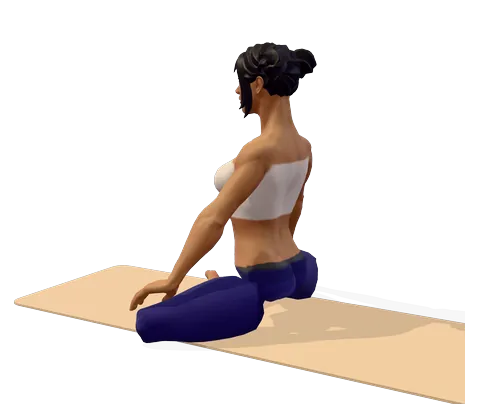 Easy PoseSukhasana
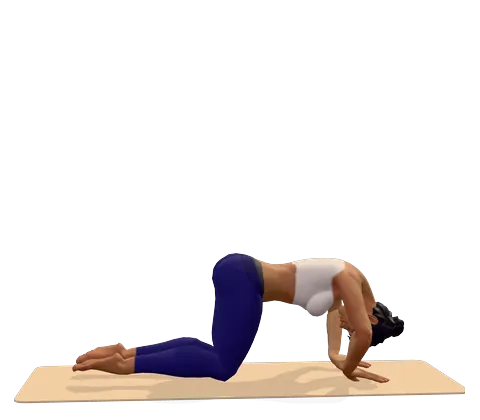 Cat PoseMarjaryasana
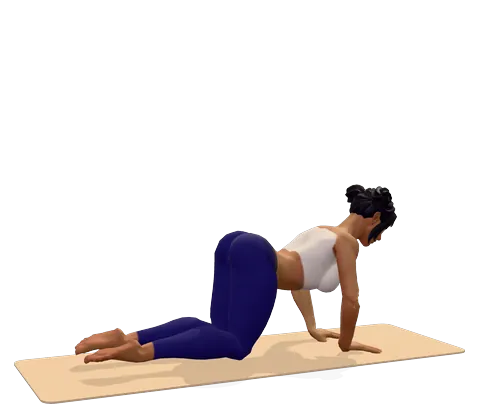 Cow PoseBitilasana
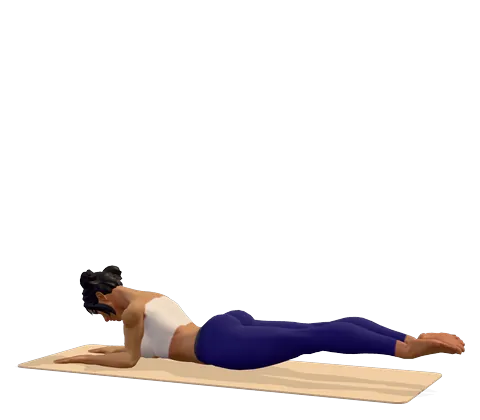 Sphinx PoseSalamba Bhujangasana
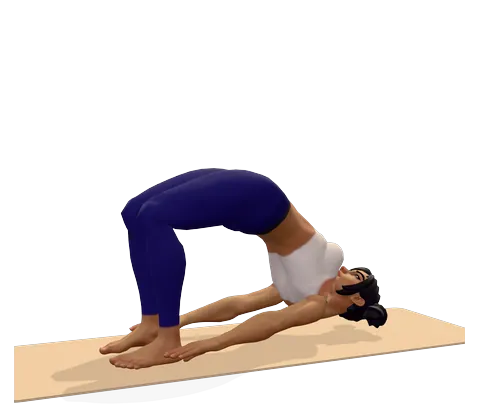 Bridge PoseSetu Bandhasana
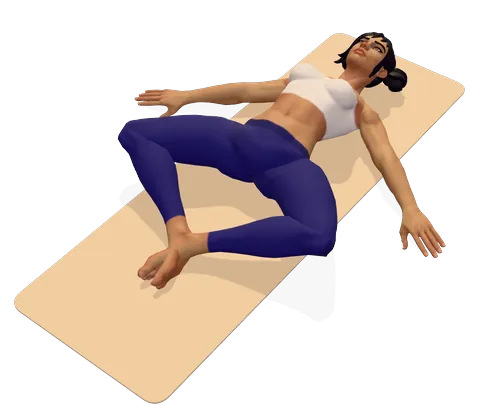 Reclining Bound Angle PoseSupta Baddha Konasana
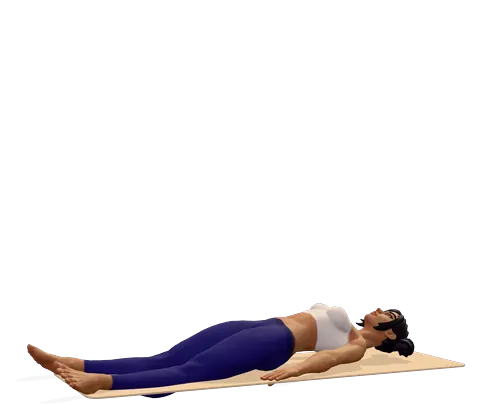 Corpse PoseSavasana
More poses that help with long covid recovery
Add these once the session above feels easy, or swap one in when a pose does not suit you.
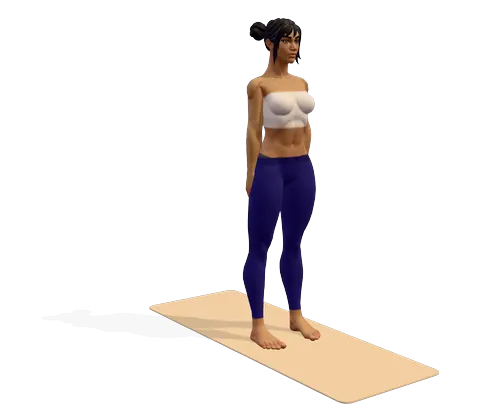 Mountain PoseTadasana
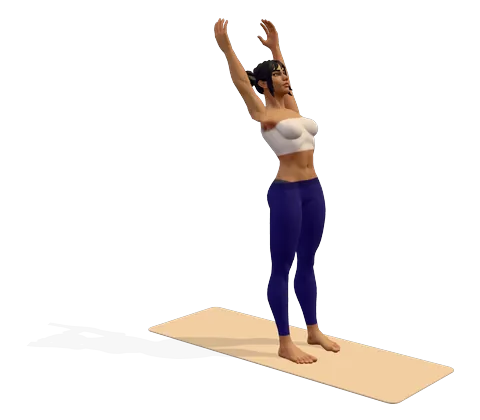 Raised Arms PoseHasta Uttanasana
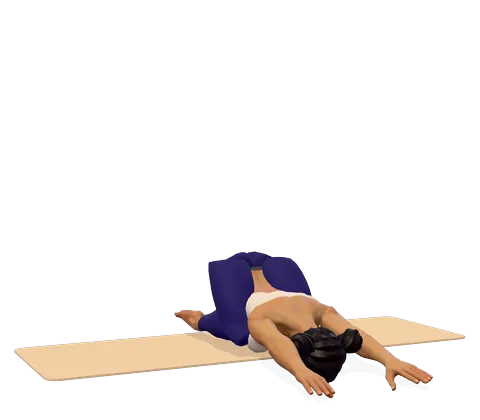 Child’s PoseBalasana
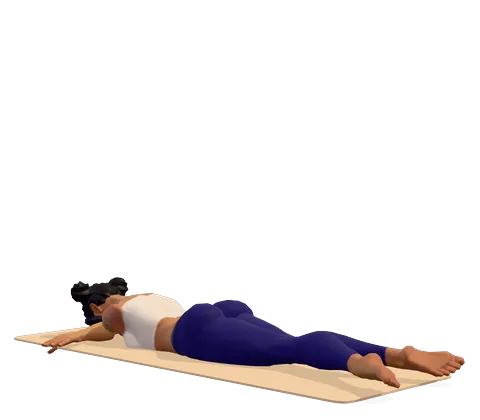 Crocodile PoseMakarasana
Mudras for long covid recovery
Hold a mudra while you sit for the breathing practice or a few minutes of quiet. Mudras are a traditional practice; research on them is limited.
Breathing practice
Avoid
Pushing through fatigue, breath holds and fast breathing. See a doctor for chest pain or breathlessness at rest.
Emerging evidence: Small or early trials look promising.
Yoga for long COVID is about recovering gently, not training hard. Long COVID (post-COVID-19 condition) is when symptoms such as extreme tiredness, breathlessness, aches and brain fog last more than 12 weeks after the infection. For many people, doing too much makes symptoms worse a day or two later. So this plan uses short sessions of seated and lying poses, slow breathing and deep rest, with clear pacing rules. It explains what the research shows, which breathing exercises after COVID to try, and when to see a doctor.
Talk to your doctor before you start, especially if you still have shortness of breath after COVID, a racing heart or dizziness on standing. Get urgent help for chest pain, breathlessness at rest, fainting, or sudden leg swelling or pain, which can be signs of heart or clot problems.
Is yoga good for long COVID?
Gentle yoga can be a useful part of long COVID recovery if it is paced well. It can help in several ways:
- Breathing pattern. After COVID many people breathe fast and high in the chest. Slow, low breathing can make each breath feel easier.
- Calm and sleep. Relaxation and slow breathing may ease anxiety and help sleep, which both affect energy.
- Gentle movement. Small, slow movements ease stiffness without a big energy cost.
- Brain fog. Short periods of calm focus may help you feel clearer, though no study has shown yoga treats brain fog directly.
Yoga for long COVID side effects are mostly about pacing: too much can bring on a crash. Start smaller than you think you need.
What the research says
The evidence is emerging. In a 2024 study from India, 86 stressed adults who had had COVID-19 practised 16 weeks of online yoga (postures, breathing and relaxation, in 25- or 50-minute sessions). Stress, anxiety and insomnia improved by week 4 and stayed better at week 16, and no side effects were reported. The study had no control group, so it cannot prove yoga caused the change. Randomised trials of yoga for long COVID fatigue are under way. The NHS lists fatigue management, physiotherapy, rehabilitation and gentle movement among the ways long COVID is managed; there is no single best long COVID treatment yet.
Pacing: how to exercise with long COVID safely
Should I exercise with long COVID? Yes, in a careful way, but not with graded exercise that pushes you a little harder each week regardless of symptoms. Many people with long COVID have post-exertional symptom exacerbation (PESE): tiredness, pain or brain fog that gets worse 12–72 hours after activity. These long COVID exercise guidelines can help:
- Start with rest and breathing, perhaps 5 minutes a day, for the first week or two.
- Stop before tiredness. End the session while you feel you could do more.
- Keep a diary of activity and symptoms, as the NHS suggests, to spot what triggers a crash.
- Do not do more on good days. Keep the same amount for 1–2 weeks before adding a little.
- Use the talk test. You should always be able to speak in full sentences.
- Cut back at once if symptoms flare, and return to breathing and rest until you are back to your usual level.
Can you exercise with COVID itself, while you are ill? Rest during the acute infection, especially with a fever, and restart only after symptoms settle.
Yoga for long COVID recovery: the poses step by step
These are the poses in the guided session on this page. Choose two or three to begin with.
1. Easy pose: sitting tall for breathing
Easy pose (Sukhasana): sit on a chair or cross-legged against a wall. Let the shoulders drop and rest one hand on the belly. This is your base for all the breathing exercises below.
2. Cat and cow
Cat pose (Marjaryasana) and cow pose (Bitilasana): seated with hands on knees, or on hands and knees if that is easy. Breathe in and lift the chest, breathe out and round the back. It gently frees the ribs and upper back.
3. Sphinx pose
Sphinx pose (Salamba Bhujangasana): lie on your front and rest on your forearms, chest gently lifted. Breathe slowly into the belly and lower back. Some people find lying on the front helps their breathing; if it makes you breathless, skip it.
4. Bridge pose
Bridge pose (Setu Bandhasana): knees bent, lift the hips a little and lower, 3–5 times. It is gentle strength for the legs. Leave it out on low-energy days.
5. Reclining bound angle pose
Reclining bound angle pose (Supta Baddha Konasana): lie back on pillows with the soles together and knees supported. This is restorative yoga for long COVID: it opens the chest while you rest completely.
6. Corpse pose and Yoga Nidra
Corpse pose (Savasana): rest for 5–10 minutes. A guided Yoga Nidra for long COVID fatigue is a good choice on days when movement is too much.
Later, you might add mountain pose and raised arms standing, or rest in child's pose and crocodile pose.
Breathing exercises after COVID
How does COVID-19 affect breathing? The infection can inflame the lungs, and many people are left with a fast, shallow, upper-chest breathing pattern even after the lungs heal. Post-COVID breathing exercises aim to slow the breath and move it lower. Practise them sitting or lying, 5 minutes once or twice a day.
Belly breathing
One hand on the chest, one on the belly. Breathe in gently through the nose and let the belly rise; breathe out slowly and let it fall. Keep the chest quiet. These are deep breathing exercises in the calm sense, not big forced breaths.
Anulom Vilom, slowly
Anulom Vilom (alternate nostril breathing): breathe in through one nostril and out through the other, slowly, with no breath holds. It is calming and helps you notice your breath.
Bhramari (humming bee breath)
Bhramari: breathe in through the nose and hum softly on a long out-breath. The hum naturally lengthens the exhale. Avoid fast breathing (Kapalbhati, Bhastrika) and breath retention during recovery. The breathing timer can pace you, and prana mudra is a restful hand gesture to add.
Coherent breathing
How to do coherent breathing: breathe in gently for about five seconds and out for about five seconds, through the nose, for 5 minutes. Slow, even breathing like this is also a simple way to ease over-breathing, as breathing exercises to reduce CO2 loss aim to do. Keep it relaxed; if you feel light-headed, return to normal breathing.
Deep breathing and coughing exercises
If mucus sits in your chest, physiotherapists teach deep breathing and coughing exercises: take three or four slow, deep breaths with a short pause at the top, then a gentle "huff" (breathing out firmly with an open mouth) before a cough. These cough and deep breathing exercises are the same ones used in COPD care; the NHS COPD breathing exercises work in a similar way.
If you are still breathless weeks after COVID, ask for a check-up. Long COVID shortness of breath treatment may include a respiratory physiotherapist, and a long COVID clinic or treatment centre can help if one is available where you live.
How to recover from long COVID: a self-help guide for daily life
How to deal with long COVID and feel better after COVID is less about one exercise and more about a lifestyle for long COVID that protects your energy. There is no quickest way to recover from COVID; what helps with COVID recovery is rest, pacing and patience. These long COVID recovery tips can help you manage long COVID at home:
- Plan, pace, prioritise. Spread tasks through the day and week, and rest before you are exhausted.
- Keep regular sleep times. A calm evening routine and Yoga Nidra may help.
- Eat regular, balanced meals and drink enough fluids.
- Going back to work after COVID: ask for a phased return, shorter days or rest breaks. A few minutes of slow breathing at your desk can help you cope.
The duration of long COVID varies widely. Many people improve over months, while some have symptoms for years. Recovery time for COVID itself is usually a few weeks. If you are asking "do I have long COVID?", see your doctor, who can check for other causes. Our yoga for chronic fatigue page uses the same pacing approach, and yoga for COPD has more breathing exercises for breathlessness.
Start the guided long COVID session
The 3D teacher shows each pose step by step, with a calm voice in 28 languages, and a saffron ring on the mat paces your breath. Set the hold time to "shorter", stop whenever you need, and start the guided session.
Research behind this plan
- Bhargav 2024, Frontiers in Psychology: 86 stressed adults after COVID-19; 16 weeks of tele-yoga reduced stress, anxiety and insomnia, no adverse effects (single-arm study, no control group)
- NHS, Long COVID. Symptoms lasting over 12 weeks; fatigue management, physiotherapy, rehabilitation, symptom diary and gentle movement
Frequently asked questions
Is yoga good for long COVID?
Gentle, well-paced yoga may help breathing, stress and sleep. A 2024 study found online yoga reduced stress, anxiety and insomnia after COVID, but it had no control group, and larger trials are still running.
What are the best breathing exercises after COVID?
Slow belly breathing, slow alternate nostril breathing without breath holds, and humming bee breath. Practise 5 minutes once or twice a day while sitting or lying.
Should I exercise with long COVID?
Yes, but gently and paced. Stop before you feel tired, do not push on good days, and cut back if symptoms get worse 1–3 days after activity.
Is graded exercise safe for long COVID?
Programmes that increase exercise every week regardless of symptoms can make some people worse. Pacing to your symptoms is safer. Ask your doctor or physiotherapist.
Can yoga help long COVID brain fog?
There is no direct evidence yet. Better sleep, less stress and pacing may help you think more clearly. Keep sessions short, as mental effort also uses energy.
How long does long COVID last?
It varies. Some people recover within a few months, while others have symptoms for a year or more. Your doctor can support you and check for other causes.
What is a good post-COVID exercise program?
Start with 5 minutes of breathing and rest daily, add two or three gentle poses, then short walks, increasing only when two weeks pass without a flare. These long COVID exercise tips suit most people; a physiotherapist can tailor them.
Can yoga help with loss of taste or smell, or blood clots after COVID?
No. Smell training is used for lost taste or smell, and blood clots need urgent medical care. Yoga only supports general recovery.
When should I see a doctor during long COVID recovery?
If you have chest pain, breathlessness at rest, fainting, a racing heart on standing, or leg swelling or pain, get medical help promptly.
Medical note: yoga supports treatment; it does not replace it. Keep taking prescribed medicine and talk to your doctor before you start, especially with heart disease, uncontrolled blood pressure, recent surgery, pregnancy, epilepsy or severe pain. Read our medical disclaimer.