Your recovery after surgery yoga plan
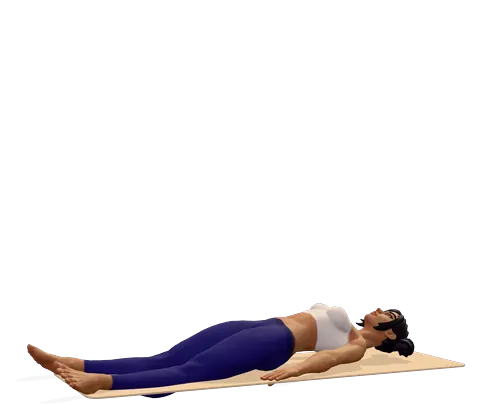 Corpse PoseSavasana
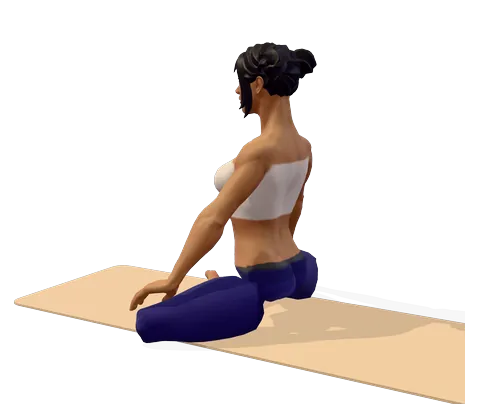 Easy PoseSukhasana
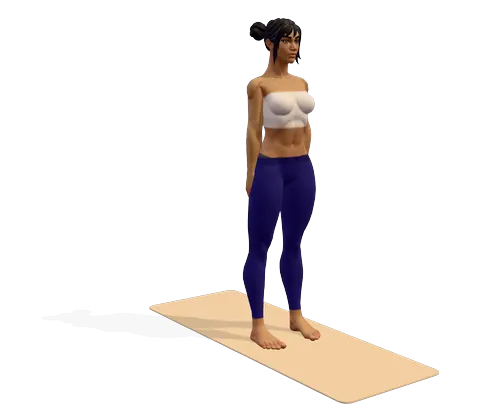 Mountain PoseTadasana
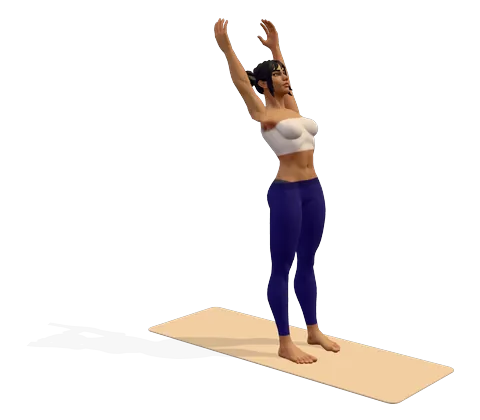 Raised Arms PoseHasta Uttanasana
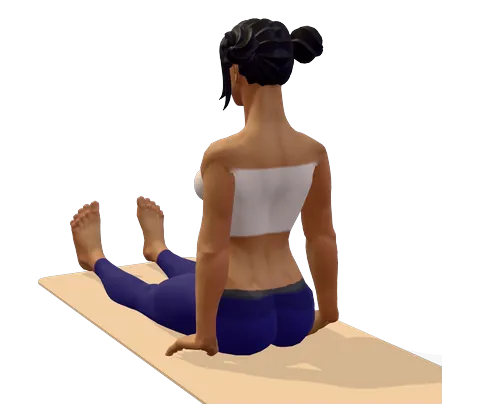 Staff PoseDandasana
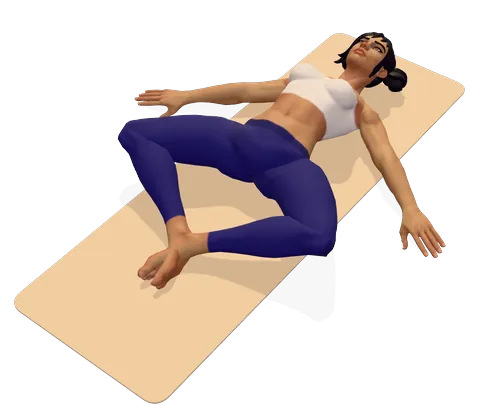 Reclining Bound Angle PoseSupta Baddha Konasana
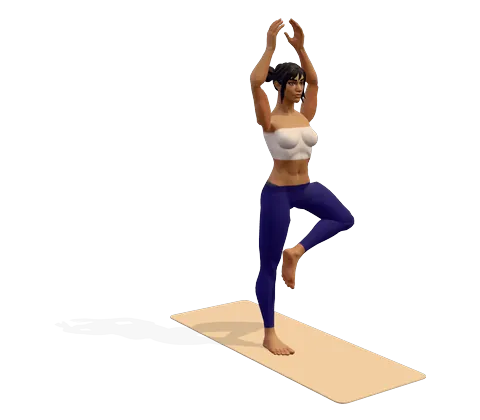 Tree PoseVrikshasana
More poses that help with recovery after surgery
Add these once the session above feels easy, or swap one in when a pose does not suit you.
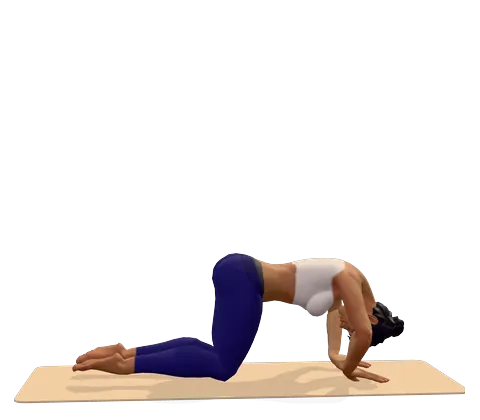 Cat PoseMarjaryasana
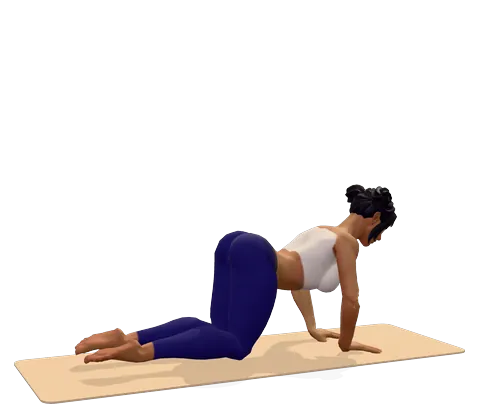 Cow PoseBitilasana
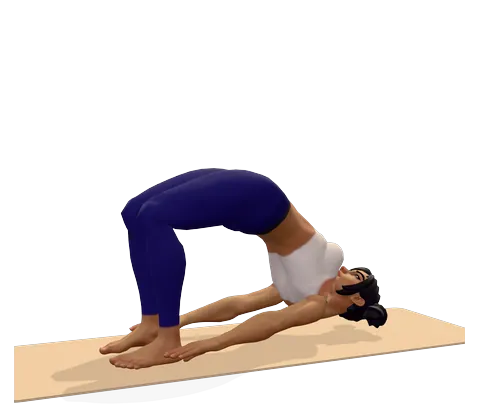 Bridge PoseSetu Bandhasana
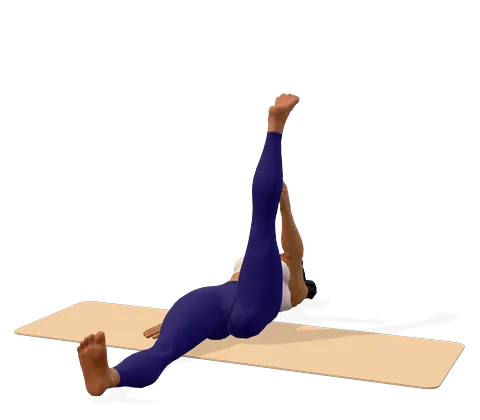 Reclining Hand-to-Big-Toe PoseSupta Padangusthasana
Mudras for recovery after surgery
Hold a mudra while you sit for the breathing practice or a few minutes of quiet. Mudras are a traditional practice; research on them is limited.
Breathing practice
Avoid
Starting before your surgeon clears you, and any stretch, twist, core work or belly-down pose that pulls on the wound. Skip Kapalbhati, Bhastrika and breath holds after belly, chest, heart or eye surgery. Get help for fever, a red or leaking wound, one swollen painful calf or sudden breathlessness.
Emerging evidence: Small or early trials look promising.
Yoga after surgery should begin with your breath, not your body. In the first days, deep breathing exercises protect your lungs, calm pain-related stress and help you sleep; short walks keep blood moving. Gentle poses come later, once your surgeon or physiotherapist says your wound and joints are ready. Small studies suggest yoga may support recovery after some operations, but it adds to your medical care and physiotherapy — it never replaces them.
Get your surgeon's clearance before any yoga poses. Stop and get medical help for fever, a red, hot, swollen or leaking wound, one swollen and painful calf, chest pain, or sudden breathlessness. These can be signs of infection, a blood clot or a clot in the lung.
Can yoga help recovery after surgery? The evidence
The evidence level for this page is emerging. Here is what some trials found:
- Breathing exercises: in a randomized trial of 264 older adults having keyhole bowel surgery, those who did structured breathing exercises before and after the operation had far fewer lung complications (about 13% versus 33%).
- Breast cancer surgery: in a trial comparing yoga with supportive therapy and exercise, women in the yoga group had shorter hospital stays, drains removed sooner and stitches out earlier.
- Heart bypass surgery: in 250 men, adding yoga-based relaxation to standard cardiac rehabilitation improved heart pumping function more than physiotherapy alone in those whose function was low at the start.
These are specific programs run by hospitals, not general classes. They suggest breathing and gentle, supervised yoga can help — at the right time.
Deep breathing exercises after surgery
Anesthesia and pain make you breathe shallowly, and the lower parts of your lungs can partly close. Deep breathing exercises post surgery re-open them and help you cough up mucus. They matter most as breathing exercises after abdominal and chest surgery. Post op breathing exercises, taught in hospital, usually look like this:
- Sit upright in bed or a chair, shoulders relaxed.
- Breathe in slowly and deeply through your nose, letting your lower ribs and belly expand.
- Pause gently at the top of the breath for a moment — relaxed, not a strained hold — then breathe out slowly through the mouth.
- Repeat several times, then give a gentle cough while pressing a folded towel or pillow over the wound for support.
- Repeat regularly while you are awake, as your nurse or physiotherapist advises.
The "breathing thing" after surgery: many hospitals give you a small plastic device called an incentive spirometer. You breathe in slowly through the tube to lift a ball or piston and hold it up. This breathing exercise device after surgery (sometimes called a breathing machine) simply gives you a target for deep breaths. It is the most common post op breathing exercises device, and you do not need to buy other after surgery breathing exercise equipment unless your team suggests it.
After lung surgery, breathing is the core of recovery, and yoga after lung surgery should wait for your chest team's advice. Deep breathing exercises before surgery are useful too. Learning them in advance makes them easier when you are sore, and the trial above started them before the operation.
Yoga breathing for calm and sleep
Once you are home, Anulom Vilom (slow alternate-nostril breathing, without breath holds) and Bhramari (humming bee breath) help with anxiety and sleep. Five minutes before bed is enough. You can rest your hands in Prana mudra, traditionally used for energy, while you breathe.
Not recommended after surgery: Kapalbhati, Bhastrika and long yogic breath holds (kumbhaka) after belly, chest, heart or eye surgery. They push on the abdomen and raise pressure in the chest, belly and eyes.
Gentle yoga poses once you are cleared
The guided session on this page uses only upright or lying poses with no twisting, deep bending or pressure on the belly. Move slowly and stop well before any pulling at the wound.
Corpse pose and Reclining Bound Angle
Savasana with pillows under your knees is the first "pose" for everyone: rest and slow breathing. Supta Baddha Konasana with cushions under both knees gently opens the chest and hips. After hip replacement, ask your physiotherapist first, because the legs turn out.
Easy pose and Staff pose
Sit on a stack of blankets for Sukhasana, or upright on a firm chair if you must not cross your legs (for example after hip replacement). Dandasana, sitting with legs straight, strengthens posture; keep your back upright rather than folding forward.
Mountain, Raised Arms and Tree pose
Stand in Tadasana holding a chair. Raise your arms slowly in Hasta Uttanasana only if your surgery allows arm lifting. Try Tree pose with a hand on the wall and your toes on the floor, to rebuild balance.
Later, with clearance: Cat-Cow, Bridge and Reclining Hand-to-Big-Toe pose with a strap, as your strength returns. Chair yoga is a good way for older adults to start.
Yoga after specific types of surgery
Your surgeon gives the timeline, because it depends on the operation, how it went and your health. As a guide:
| Surgery | Usually avoid until cleared | Safe start |
|---|---|---|
| Cataract surgery | Rubbing the eye, heavy lifting, head-down poses, swimming | Seated breathing and gentle neck and shoulder movement |
| Hernia, gallbladder, laparoscopic or other abdominal surgery | Core work, twists, belly-down poses, deep backbends, Kapalbhati | Walking, breathing, seated and lying rest poses |
| Open heart or bypass surgery | Pushing up with the arms, weight on the hands, lifting, deep chest openers | Breathing and cardiac rehabilitation exercises |
| Knee replacement, knee or ACL surgery | Kneeling, deep squats, twisting on the knee | Physio exercises, then chair-supported standing poses |
| Hip replacement or hip surgery | Movements your hip precautions forbid, such as deep bending or crossing legs | Physio exercises, then chair yoga |
| Back surgery, spinal fusion | Bending, lifting and twisting | Walking, breathing, lying rest poses |
| Shoulder or breast surgery | Weight on the arms, and arm movement beyond what your physio allows | Breathing and your prescribed arm exercises |
| Hysterectomy or C-section | Lifting, core work, belly-down poses | Breathing, walking and gentle pelvic floor work |
Yoga after cataract surgery
When can I do yoga after cataract surgery? Gentle seated breathing is usually fine within days, once you feel comfortable. The NHS advises no rubbing the eye, heavy lifting, sports or swimming while it heals, so hold off on forward folds, inversions and strong yoga until your surgeon agrees. Light yoga stretches after cataract surgery should keep your head upright.
Yoga after hernia, gallbladder and abdominal surgery
How long after hernia surgery can I do yoga? Walking and breathing can start straight away, and gentle seated and lying poses soon after if nothing pulls. Anything that tightens or stretches the belly — core work, twists, Cobra, deep backbends — waits until your surgeon clears it, often several weeks. Yoga after laparoscopic surgery can often start sooner than after open surgery, but the belly muscles underneath still need time. See yoga for hernia for safe movement.
Yoga after back surgery and spinal fusion
The best exercises after back surgery are usually walking and the program your physiotherapist gives you. Avoid bending, lifting and twisting until you are cleared; lying poses such as Bridge and gentle Cat-Cow often come next.
Yoga after knee replacement surgery or total hip replacement
Can you do yoga after knee replacement or hip replacement? Yes, many people do, after the early physiotherapy phase. Start with chair yoga and standing poses holding a support. Yoga poses after knee replacement should avoid kneeling at first; after ACL surgery, follow the rehab stages your physiotherapist sets. Our pages on yoga for knee replacement recovery and yoga after hip replacement give step-by-step plans.
Yoga after open heart or bypass surgery
Breathing exercises after heart surgery, including open heart and bypass surgery, start in hospital. Your breastbone needs weeks to heal, so avoid taking weight on your arms. Join a cardiac rehabilitation program; yoga-based relaxation can be added with your team's approval.
Yoga after C-section, hysterectomy, breast or shoulder surgery
After a C-section, follow postpartum yoga guidance and wait for your postnatal check before core work. After breast surgery, do the arm exercises your physiotherapist gives you; yoga for cancer recovery covers the wider picture. Yoga post surgery hysterectomy follows the same rule as after a C-section, and after shoulder surgery you follow your sling and physio plan before any yoga.
After surgery care at home: rest, energy and side effects
- Walk a little, often. Short walks several times a day lower the risk of clots and help your bowels and lungs.
- Before yoga after surgery, expect side effects from anesthesia such as tiredness, dizziness, nausea and poor concentration can last a day or more. Get up slowly: sit on the edge of the bed for a few breaths first.
- To build up your energy after surgery, alternate short activity with rest, eat enough protein, drink water and keep a regular sleep time.
- Pain: gentle movement should never make pain sharply worse. If it does, stop and rest.
- Ask for help at home after surgery with lifting, shopping and chores for the first weeks.
- Seniors: yoga after surgery for seniors should be chair-based at first, with someone nearby for balance poses.
Physical therapy after surgery comes first; yoga fits around it. If a pose contradicts your physio's advice, follow the physio.
ऑपरेशन के बाद योग (yoga after surgery in Hindi): ऑपरेशन के बाद पहले दिनों में सीधे बैठकर धीरे-धीरे गहरी साँस लें और छोड़ें, और थोड़ा-थोड़ा चलें। कोई भी आसन शुरू करने से पहले अपने सर्जन से पूछें। पेट, छाती, दिल या आँख के ऑपरेशन के बाद कपालभाति, भस्त्रिका और साँस रोकना न करें। अनुलोम-विलोम (बिना साँस रोके) और भ्रामरी से नींद और मन की शांति में मदद मिलती है। बुखार, घाव में लाली या रिसाव, पिंडली में सूजन या अचानक साँस फूलने पर तुरंत डॉक्टर से मिलें।
Start the guided session
When your surgeon agrees, use the guided 3D session on this page. Choose the shorter hold time at first, skip any pose that pulls on your wound, and do only the breathing part on tired days. More routines are on our practice page.
Research behind this plan
- Chen 2022, Clin Rehabil — randomized trial (264 older adults, laparoscopic bowel surgery): perioperative breathing exercises cut lung complications (12.9% vs 32.6%)
- Rao 2008, Int J Yoga — randomized trial in breast cancer surgery: yoga group had shorter hospital stay, earlier drain and suture removal
- Raghuram 2014, Indian Heart J — randomized trial (250 men after bypass surgery): yoga added to cardiac rehab improved heart function in those with low baseline function
- NHS — Cataract surgery recovery: do not rub the eye, lift heavy things, play sports or swim while healing
Frequently asked questions
How soon can I do yoga after surgery?
Breathing exercises can usually start the same day or the next, as your nurses advise. Gentle poses wait until your surgeon or physiotherapist clears you, which depends on the operation — from days after cataract surgery to several weeks after belly, heart or joint surgery.
What are the best breathing exercises after surgery?
Slow, deep breaths into the lower ribs, a short pause, then a slow breath out, followed by a supported cough. An incentive spirometer, if you were given one, helps you take deep enough breaths.
Which yoga is not recommended after surgery?
Twists, core work, belly-down poses, deep stretches near the wound, inversions after eye surgery, and forceful breathing such as Kapalbhati and Bhastrika after belly, chest, heart or eye surgery.
Can yoga after surgery have side effects?
Yes, if you start too early or push too hard: wound strain, a hernia, dislocation after hip replacement, or dizziness. Start with breathing, get clearance, and stop if anything pulls or hurts.
Is chair yoga good after hip replacement?
Often yes, once your physiotherapist agrees. Keep within your hip precautions, avoid crossing your legs or bending deeply at the hip if you have been told to, and use a firm, high chair.
Can I do yoga after cataract surgery?
Gentle seated breathing is usually fine within days. Avoid rubbing the eye, heavy lifting, swimming and head-down poses until your surgeon says the eye has healed.
How do I get my energy back after surgery?
Balance short walks with rest, eat well, drink enough water, sleep regularly, and use slow breathing or Yoga Nidra to rest deeply. Energy often returns gradually over several weeks.
Medical note: yoga supports treatment; it does not replace it. Keep taking prescribed medicine and talk to your doctor before you start, especially with heart disease, uncontrolled blood pressure, recent surgery, pregnancy, epilepsy or severe pain. Read our medical disclaimer.