Your constipation yoga plan
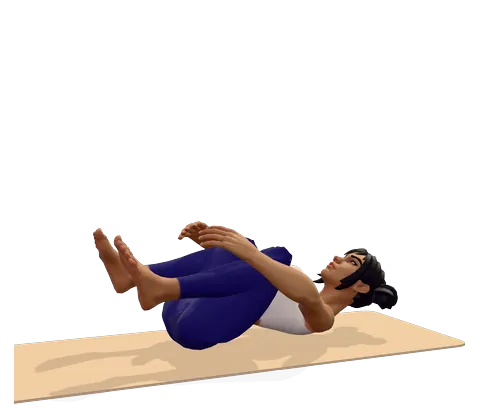 Wind-Relieving PosePavanamuktasana
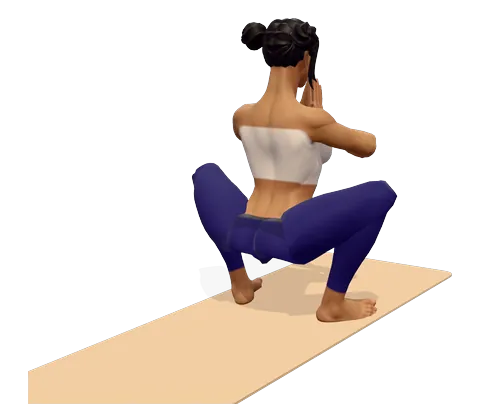 Garland PoseMalasana
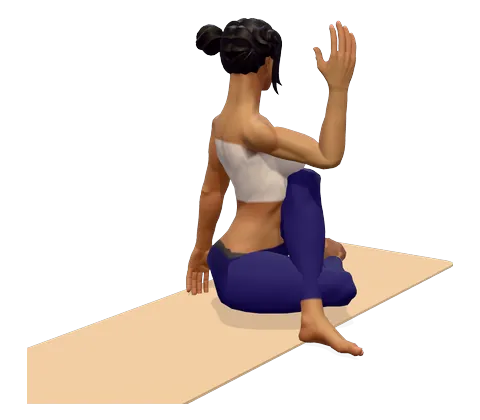 Half Lord of the Fishes PoseArdha Matsyendrasana
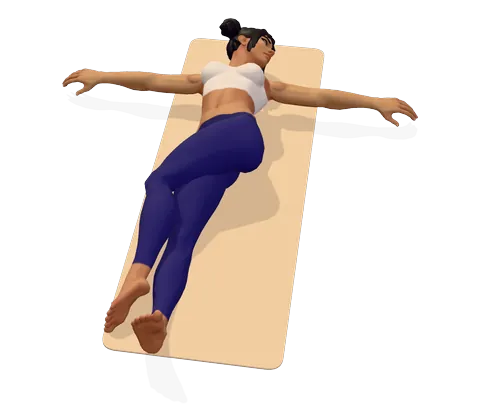 Supine Spinal TwistSupta Matsyendrasana
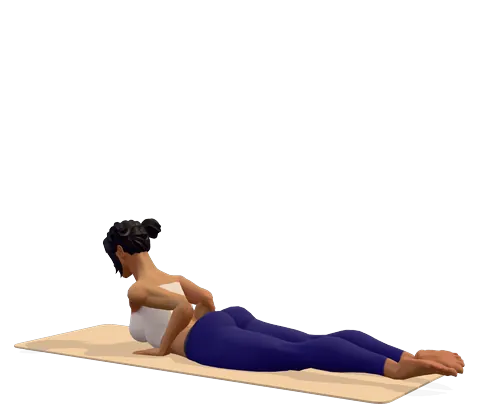 Cobra PoseBhujangasana
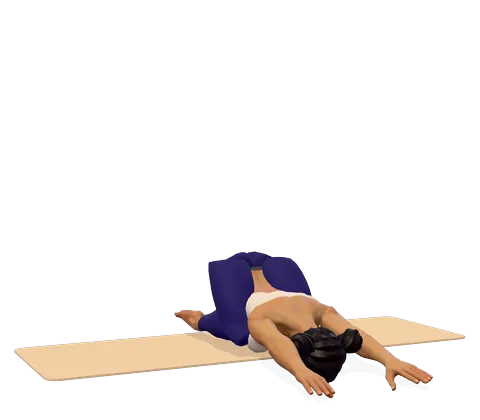 Child’s PoseBalasana
More poses that help with constipation
Add these once the session above feels easy, or swap one in when a pose does not suit you.
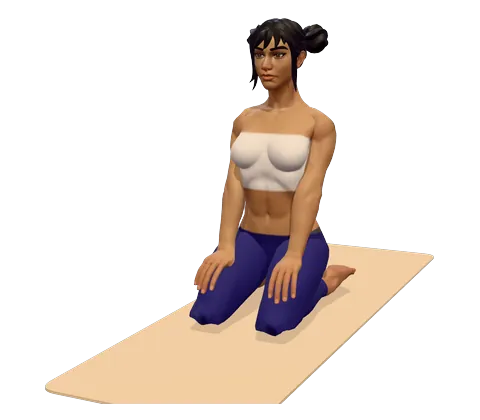 Thunderbolt PoseVajrasana
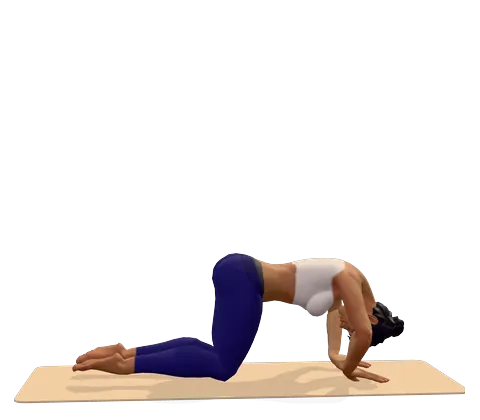 Cat PoseMarjaryasana
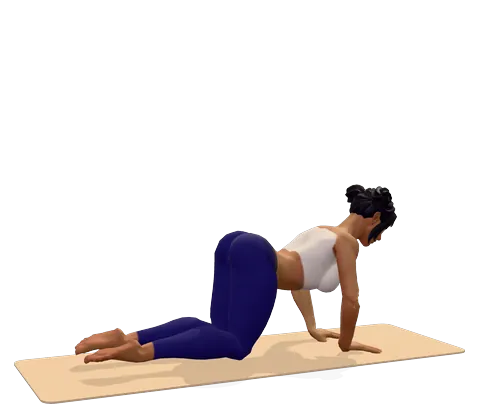 Cow PoseBitilasana
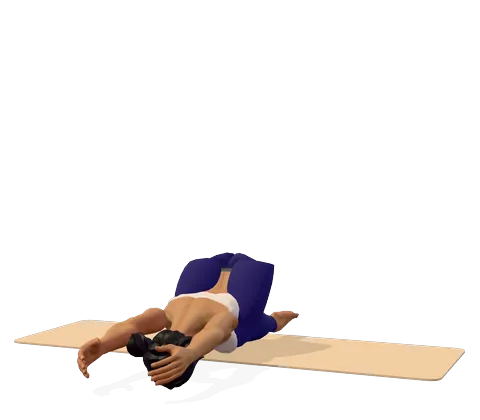 Hare PoseShashankasana
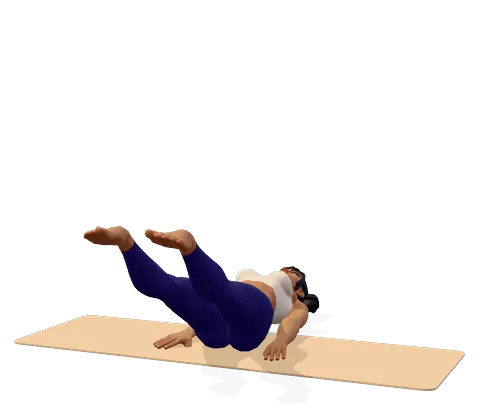 Raised Leg PoseUttanpadasana
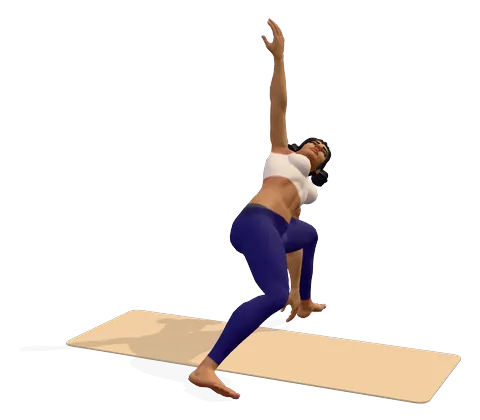 Triangle PoseTrikonasana
Mudras for constipation
Hold a mudra while you sit for the breathing practice or a few minutes of quiet. Mudras are a traditional practice; research on them is limited.
Avoid
Straining; drink warm water and move gently.
Traditional practice: Used in classical yoga therapy; few clinical trials so far.
Yoga for constipation uses gentle movement, twists and relaxed breathing to encourage a bowel movement without straining. It will not replace fibre, fluids or treatment your doctor recommends, but it is a pleasant, low-risk way to get things moving, especially first thing in the morning. This page explains how it may help, the poses one by one, a morning routine, and when constipation needs a doctor rather than a yoga mat.
Can yoga help with constipation? How it may work
Will yoga help with constipation? It may, for everyday, mild constipation. Moving your body is one of the simplest ways to ease bowel movements, and US and UK health services both suggest regular physical activity such as a daily walk. Yoga adds three things to plain exercise:
- Belly movement. Knee hugs, twists and a deep squat gently change the pressure in your abdomen, which is why they are traditional yoga poses for bowel movements.
- A relaxed pelvic floor. Many people clench without noticing. Slow breathing and a supported squat help the muscles around the bottom let go instead of pushing against them.
- Routine. Doing the same short sequence at the same time each morning helps you train bowel movements around a regular time.
Of all the exercises to encourage bowel movement, walking and gentle yoga moves for constipation are the easiest to start. Can yoga cure constipation? No single practice does. If you are looking to fix constipation with yoga alone, expect a helpful habit, not a cure.
What the research says
This plan is based on traditional practice. We could not find good clinical trials of yoga for constipation on its own, so we cannot say how well it works. What is well established is the advice around it: the US National Institute of Diabetes and Digestive and Kidney Diseases (NIDDK) says regular physical activity may help relieve symptoms, along with more fibre, enough fluids and using the toilet when you feel the urge. It also suggests trying for a bowel movement 15–45 minutes after breakfast. Our routine is built around that window.
Best yoga poses for constipation, with easier versions
These yoga asanas for constipation match the plan cards above. They are easy yoga poses for constipation, suitable for beginners. Hold each for 5–8 slow breaths, and never force a stretch.
1. Wind-relieving pose (Pavanamuktasana)
Lie on your back and hug your right knee to your chest, then your left, then both. The classic order is right leg first, then left. Pavanamuktasana is also the best-known gas ke liye yoga pose, so it suits yoga for constipation and gas. Easier: hold behind the thighs and keep your head on the floor. This is the one to try for yoga for constipation in bed before you get up.
2. Lying twist (Supta Matsyendrasana)
With knees bent, let both legs fall to one side and look the other way in Supta Matsyendrasana. Breathe into the side of your belly. Twists are the classic yoga stretches for constipation, traditionally used to stimulate a bowel movement. Easier: keep a pillow under the knees.
3. Seated twist (Ardha Matsyendrasana)
Sit tall, cross one foot over the other knee and turn gently towards the bent knee in Ardha Matsyendrasana. Grow tall as you breathe in, turn a little as you breathe out. Easier: twist while sitting sideways on a chair.
4. Cobra pose (Bhujangasana)
Lie on your front and lift your chest a little in Bhujangasana. The light pressure of the mat on your belly is traditionally linked to digestion. Easier: stay low on your forearms (sphinx). Skip it in pregnancy.
5. Squat (Malasana)
The yoga squat for constipation, Malasana, is the shape your body naturally uses to empty the bowels. Of all the yoga poses that help with bowel movements, it is the most natural. Feet wider than hips, heels down if you can, elbows gently pressing the knees apart. Easier: sit on a block or a thick book, or put a rolled blanket under your heels. This links to toilet posture too: the NHS suggests resting your feet on a low stool so your knees are above your hips.
6. Child's pose (Balasana)
Finish folded over your knees in Balasana, knees wide so your belly has room. Breathe slowly into your lower back and let your bottom soften.
Breathing practice: Kapalbhati and calm breathing
Kapalbhati is the breathing practice traditionally used for constipation: short, active breaths out, pulling the belly in, with passive breaths in. Do it only on an empty stomach, start with 20–30 breaths and rest between rounds. Do not practise Kapalbhati if you are pregnant, recently gave birth or had surgery, or have high blood pressure, heart disease, epilepsy, a hernia or acid reflux. Skip it during a painful piles or fissure flare, and stop if you feel dizzy.
If Kapalbhati is not for you, slow belly breathing works well: breathe in through the nose, let the belly rise, and breathe out long and soft. This relaxes the pelvic floor, which is exactly what you need on the toilet.
When to practise (yoga kab karna chahiye)
Yoga for constipation in the morning works best: drink a glass of warm water, practise for 10 minutes, eat breakfast, and then sit on the toilet 15–45 minutes later without rushing. Keep twists, the squat and Kapalbhati for an empty stomach, 2–3 hours after a large meal. Straight after meals, just sit upright or take a short walk.
| Time | What to do |
|---|---|
| On waking | Knee hugs in bed, then a glass of warm water |
| Before breakfast | Short yoga sequence (10 min) and, if suitable, Kapalbhati |
| 15–45 min after breakfast | Unhurried toilet time, feet on a low stool |
| Evening | Walk, lying twist and slow breathing, at least 2–3 hours after dinner |
A simple weekly yoga sequence for constipation
| Day | Morning practice (about 10 minutes) |
|---|---|
| Mon, Wed, Fri | The guided session on this page |
| Tue, Thu | Knee hugs, lying twist, squat, child's pose; then a 20 min walk later in the day |
| Sat | Guided session with longer holds + 5 min slow belly breathing |
| Sun | Rest, or a gentle walk |
Give it two to three weeks. If you want short yoga for constipation on busy days, knee hugs plus the squat take just two minutes.
Yoga for constipation in different situations
Yoga for constipation for seniors and chair yoga
Does chair yoga help constipation? It can make movement easier when getting to the floor is hard. Try seated knee lifts, a gentle seated twist on each side and slow breathing, then walk a little. See chair yoga for more ideas. Older adults should check with a doctor if constipation is new, since some medicines cause it.
Yoga for constipation during pregnancy
Constipation is common in pregnancy. The NHS says simple measures such as fibre, fluids and activity are safe to try. In pregnancy skip closed twists, lying on your belly and Kapalbhati; supported squats, cat–cow and walking are usually fine. Ask your midwife first. For yoga for constipation after a C-section, wait until your doctor clears you for abdominal work; walking and slow breathing come first.
Yoga for constipation and piles, hemorrhoids or fissures
Straining makes piles and fissures worse. Gentle poses and relaxed breathing can help you avoid pushing, but avoid long, forceful breath holds and bearing down. See a doctor for bleeding or pain.
Yoga for constipation for kids
Children can hug their knees, rock like a ball and do a "frog squat". Keep it playful, skip Kapalbhati, and see a doctor if a child's constipation lasts more than a couple of weeks.
Constipation with gas, bloating or acidity
Yoga for constipation, gas and bloating often overlaps with our yoga for digestion plan. If you also get heartburn, avoid deep forward folds soon after meals.
Standing and somatic options
Standing yoga for constipation can be as simple as walking, gentle side bends and a wide-legged squat. Somatic yoga for constipation uses tiny, slow belly and pelvic movements with full attention — a good choice if you are stiff or anxious.
What to avoid and warning signs
Avoid straining, long breath holds while pushing, and hard core work if you have a hernia. Yoga for constipation side effects are rare, but twists can hurt a sore back and Kapalbhati can make some people dizzy — go gently.
See a doctor promptly if you have blood in your stool or bleeding from your bottom, weight loss without trying, constant belly pain, vomiting, fever, cannot pass gas, or a sudden change in your bowel habits. Also see a doctor for severe constipation that does not respond to self-care, or if you depend on laxatives.
कब्ज के लिए योग — yoga for constipation in Hindi (kabj ko dur karne ke liye yoga): सुबह उठकर एक गिलास गुनगुना पानी पिएँ और खाली पेट पवनमुक्तासन, लेटकर मरोड़, अर्ध मत्स्येन्द्रासन, भुजंगासन, मालासन और बालासन करें। कपालभाति भी खाली पेट करें, लेकिन गर्भावस्था, हाई बीपी, हर्निया या दिल की बीमारी में न करें। शौच के समय ज़ोर न लगाएँ और पैरों के नीचे छोटा स्टूल रखें। मल में खून या बिना वजह वजन घटे तो डॉक्टर से मिलें।
Try the guided session
Start the guided 3D session at the top of this page on an empty stomach, ideally in the morning. The figure shows every pose, the voice counts your breaths in your language, and you can choose shorter or longer holds. Find more routines on our guided sessions page.
Research behind this plan
- NIDDK (US National Institutes of Health) — Treatment for constipation: physical activity, fibre, fluids, toilet 15–45 minutes after breakfast
- NIDDK — Symptoms and causes of constipation: warning signs that need a doctor right away
- NHS — Constipation: daily walk, feet on a low stool, when to see a GP, pregnancy
Frequently asked questions
Which yoga pose is best for constipation?
Wind-relieving pose (Pavanamuktasana) and the yoga squat (Malasana) are the most useful, followed by gentle twists. Do them on an empty stomach, ideally in the morning, and add water, fibre and a regular toilet time.
Is yoga good for constipation?
It may help mild, everyday constipation because physical activity helps the bowels and relaxed breathing eases straining. There are few clinical trials, so treat it as one part of your routine.
How quickly does yoga work for constipation?
Some people feel the urge to go within an hour of a morning session. For a lasting routine, practise most days for two to three weeks alongside fibre and fluids.
Can I do yoga for constipation at night?
Yes, gentle knee hugs, a lying twist and slow breathing are fine before bed, as long as dinner was 2–3 hours earlier. Skip Kapalbhati late in the evening.
What is the best exercise to move bowels quickly?
Walking and a supported squat are simple and effective for many people. Knee-to-chest hugs while lying down are a good yoga option.
Is Kapalbhati safe for constipation?
For healthy adults on an empty stomach, in short rounds, usually yes. Avoid it in pregnancy, after recent surgery or childbirth, and with high blood pressure, heart disease, epilepsy, a hernia or acid reflux.
Can yoga help severe constipation?
Severe or long-lasting constipation needs a doctor. Gentle yoga can support treatment, but it will not clear a blockage.
When should I see a doctor for constipation?
See a doctor if you have blood in your stool, weight loss without trying, constant belly pain, vomiting, fever, cannot pass gas, or if constipation does not improve with self-care.
Medical note: yoga supports treatment; it does not replace it. Keep taking prescribed medicine and talk to your doctor before you start, especially with heart disease, uncontrolled blood pressure, recent surgery, pregnancy, epilepsy or severe pain. Read our medical disclaimer.