Your lupus yoga plan
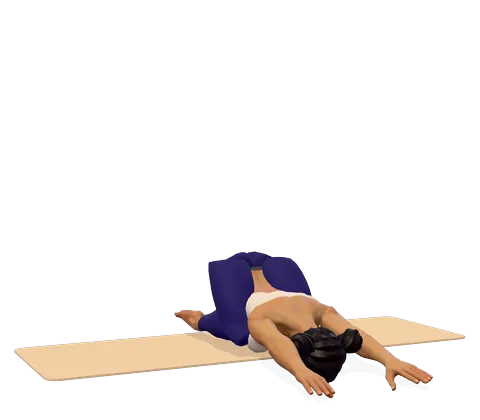
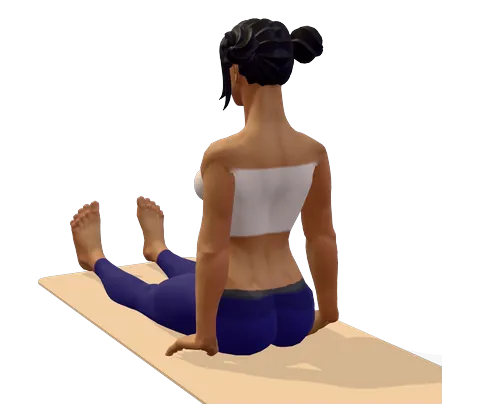
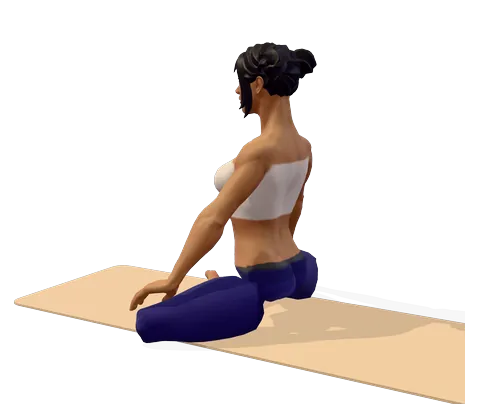 Easy PoseSukhasana
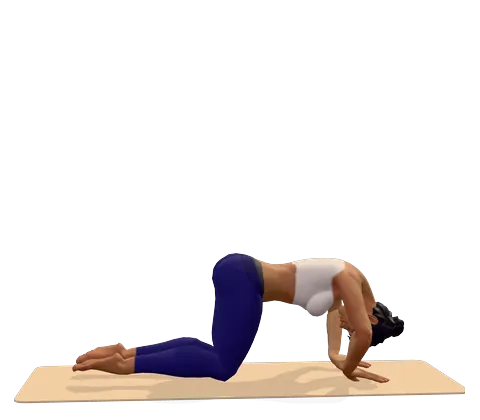 Cat PoseMarjaryasana
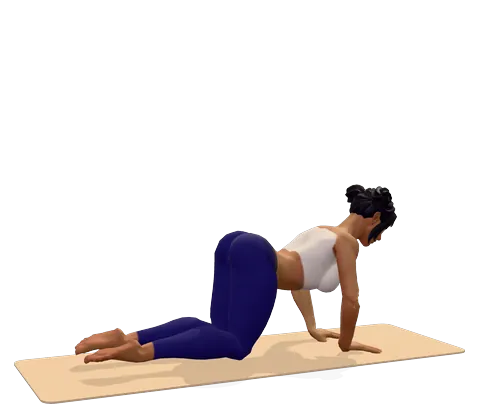 Cow PoseBitilasana
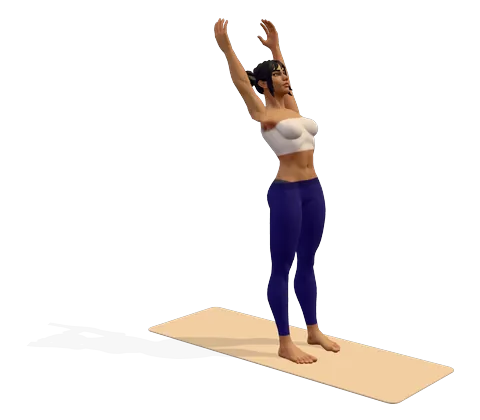
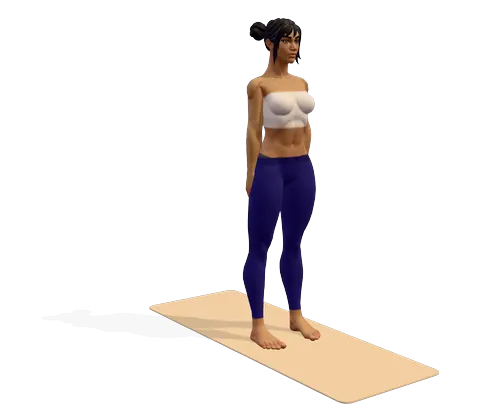 Mountain PoseTadasana
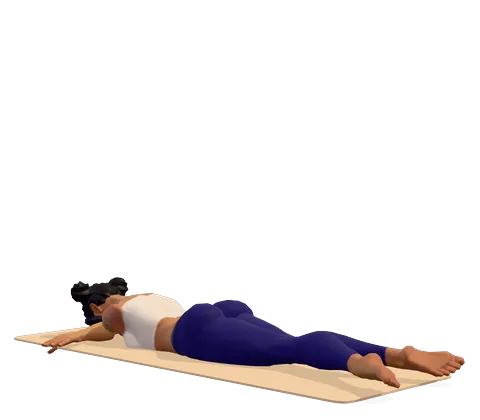
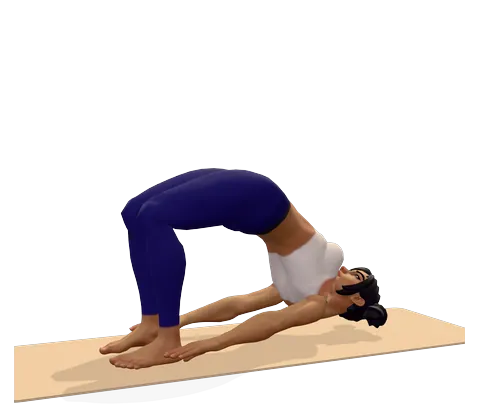 Bridge PoseSetu Bandhasana
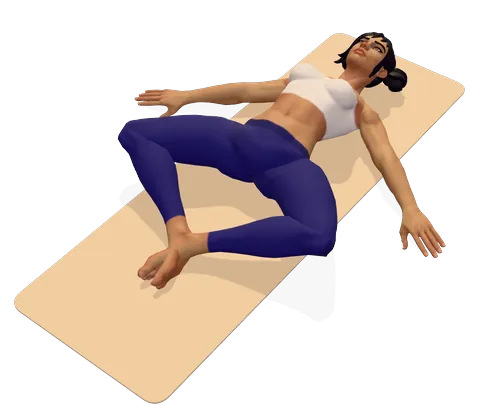 Reclining Bound Angle PoseSupta Baddha Konasana
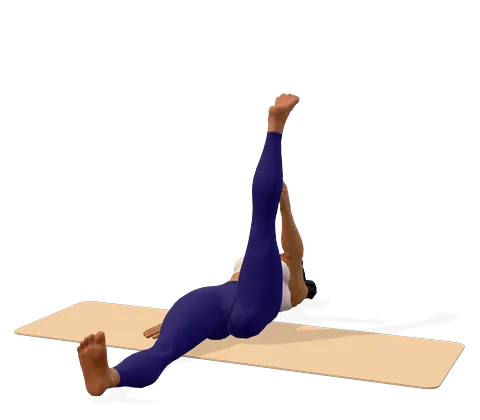 Reclining Hand-to-Big-Toe PoseSupta Padangusthasana
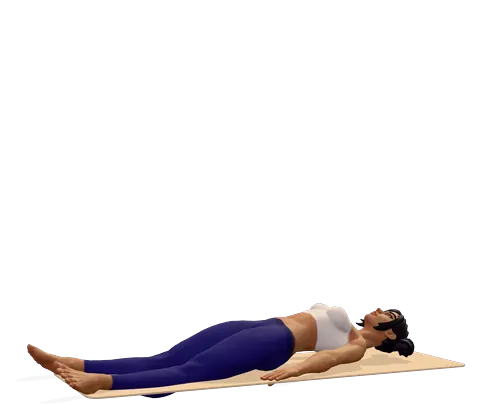 Corpse PoseSavasana
More poses that help with lupus
Add these once the session above feels easy, or swap one in when a pose does not suit you.
Breathing practice
Avoid
Hot yoga and practising in strong sun (UV can trigger flares), weight on swollen joints, and long sessions during a flare. Tell your doctor if lupus affects your kidneys, heart or lungs, or if you take steroids (they thin bones).
Emerging evidence: Small or early trials look promising.
Yoga for lupus is about staying active in a way your body can handle, even when your energy changes from day to day. Systemic lupus erythematosus (SLE) is an autoimmune disease: the immune system attacks the body's own tissues, causing joint and muscle pain, extreme tiredness, rashes and sometimes problems in organs such as the kidneys. Gentle yoga cannot change the disease itself, but gentle movement, calm breathing and deep rest may ease stiffness, fatigue and stress. This page explains the yoga exercises for lupus patients in the guided session above, how to adjust them for flares, and the precautions that matter most with lupus.
Yoga is a complement to your lupus treatment, not a replacement. Keep taking your prescribed medicines and talk to your rheumatologist before starting any new exercise, especially if lupus affects your kidneys, heart or lungs.
Is yoga good for lupus?
It appears to be, for many people, but research on yoga for systemic lupus erythematosus itself is still small, which matches the "emerging" evidence level on this page. The best evidence comes from exercise in general:
- A 2017 review of 11 exercise trials with 469 people with SLE found that exercise was safe, did not make disease activity worse, reduced fatigue and depression, and improved fitness.
- A 2021 meta-analysis found that exercise improved the physical functioning part of quality of life in people with lupus.
- A small 2018 study adapting a yoga programme for people with SLE found that participants gained balance and body awareness, and yoga teachers living with lupus advised changing the practice to match daily energy levels.
The NHS advice for lupus fits yoga well: try to stay active every day, even on a bad day, pace yourself to avoid getting too tired, and try relaxation techniques to manage stress. So, is exercise good for lupus? Yes, when it is gentle, regular and paced.
Lupus exercise benefits: what gentle yoga may help
- Fatigue. It sounds backwards, but regular gentle movement can reduce tiredness, while too much rest can increase it.
- Joint stiffness and pain. Gentle exercises for lupus joint pain move each joint through an easy range and help keep it supple.
- Mood and stress. Lupus is hard to live with, and stress may be a trigger for flares for some people. Managing stress is one of the quieter lupus exercise benefits: slow breathing and rest calm the nervous system.
- Heart health. People with lupus have a higher risk of heart disease, so staying active matters.
- Bones and balance. Standing poses and gentle strength work support bones, which is important if you take steroids.
- Sleep. A calm evening practice can make it easier to fall asleep.
Yoga poses for lupus: why each one is in the plan
These yoga poses for lupus are gentle and easy to adapt. None of them needs strong weight on the hands, which suits sore wrists and fingers.
Easy pose: a daily check-in
Begin in Easy pose on a cushion or a chair. Take a few slow breaths and ask: how are my joints, energy and mood today? Let that answer set the length of your session.
Cat and Cow: move the spine gently
Cat and Cow loosen the back and neck. If your wrists or fingers are swollen, make fists or rest on your forearms, or do seated Cat–Cow with your hands on your thighs.
Mountain pose: stand tall and steady
Mountain pose trains posture and balance. Stand near a wall or chair if you feel unsteady or dizzy.
Bridge: gentle strength for back and legs
Bridge pose builds strength in the buttocks and legs without loading the hands. Lift a little, hold for a few breaths and lower slowly. Skip it on a bad day.
Reclining Bound Angle and Reclining Hand-to-Big-Toe: easy stretches
Reclining Bound Angle pose gently opens the hips and chest; support both knees with cushions. Reclining Hand-to-Big-Toe pose with a strap stretches the back of the leg while your back rests on the floor.
Savasana: rest is part of the practice
End in Savasana for five minutes or more, covered with a blanket. Many people with lupus also have cold, painful fingers and toes (Raynaud's), so wear socks and keep your hands warm.
Lupus exercise precautions
Lupus affects everyone differently, so these precautions are general. Your doctor knows which apply to you.
Heat and sun: is heat contraindicated for lupus?
Sunlight is a well-known lupus trigger, because UV light can set off rashes and flares. Practise indoors or in the shade, and do not do yoga next to a sunny window, since some UV passes through glass. Hot yoga and lupus are usually a poor match: overheating and dehydration can leave you exhausted, and heat can make joints easy to overstretch. Choose a comfortable, cool room.
Steroids and bones
Long-term steroid tablets can thin the bones. If you take them, avoid deep forward folds with a rounded back, strong twists and anything with a risk of falling. The yoga for osteoporosis page shows safe ways to build bone-friendly strength.
Swollen, hot joints
Do not put weight on a joint that is red, hot or swollen. Move it gently without load, or leave it out today. The yoga for arthritis page has more joint-friendly ideas.
Yoga for lupus nephritis, heart and lung involvement
If lupus affects your kidneys, ask your nephrologist for your personal lupus nephritis and exercise guidelines, especially about fluids and blood pressure. With high blood pressure, heart or lung involvement, skip inversions, breath-holding and fast breathing such as Kapalbhati. Stop at once for chest pain, severe breathlessness, a racing or uneven heartbeat, or dizziness.
Yoga for a lupus flare
During a flare, the rule is: less, softer, shorter. Working out with lupus on a flare day might mean only:
- Five minutes of slow breathing sitting or lying down.
- Gentle movement of any joint that is not inflamed, without weight on it.
- A long Savasana or guided Yoga Nidra.
Return to your normal session gradually as the flare settles. Lupus exercise intolerance, where you feel wiped out for days after activity, is a sign that you did too much; halve the next session.
A simple weekly lupus exercise plan
Lupus exercise recommendations usually combine gentle aerobic activity, light strength work and flexibility. The best exercise for lupus patients is the one you can repeat every week, so keep your routine simple:
| Day | What to do | Time |
|---|---|---|
| Mon, Wed, Fri | Guided yoga session on "shorter" holds | 15–20 min |
| Tue, Thu | Easy walk indoors or in the shade, or gentle cycling or swimming (indoor pool) | 10–20 min |
| Sat | Breathing and a few stretches | 10 min |
| Sun | Rest, or Yoga Nidra | 10–20 min |
These lupus exercise tips work best when you start below what you think you can do. If you feel no worse the next day for a week, add a few minutes. Use the yoga plan maker to build a weekly routine that fits your energy.
How to manage lupus fatigue and sleep
Fatigue is one of the hardest parts of lupus. Pacing is the main tool: spread activity through the day, rest before you are exhausted, and keep a similar amount of activity on good and bad days. Calm breathing helps too:
- Nadi Shodhana (alternate nostril breathing) for five minutes to steady the mind.
- Bhramari, the humming bee breath, before bed.
Yoga for sleep and relaxation, and for sleeping problems such as insomnia, works best as a routine: the same short practice at the same time each evening. A guided Yoga Nidra meditation for sleep is especially good on low-energy days because it asks nothing of your joints, and it may also help with the anxiety that often comes with a long-term illness. See yoga for sleep for a full bedtime routine.
What is the best yoga for lupus?
The best yoga for lupus is slow, supported and cool: gentle Hatha, restorative yoga and chair yoga. Yin yoga for lupus can be fine if the stretches stay mild and propped, since long deep holds may strain inflamed joints. Avoid hot yoga, fast power flows and classes that push you to your limit.
Yoga therapy for lupus with an experienced teacher can help you adapt poses to your joints. Physical therapy for lupus patients is also worth asking about, especially after a bad flare or if you have lost strength; a physiotherapist can explain your personal lupus physical therapy contraindications.
How to cope with lupus: the bigger picture
There is no cure for lupus yet, and no yoga, diet or "natural" plan can reverse it. Learning how to deal with lupus takes time. What helps with lupus pain and tiredness is good medical care plus daily habits:
- Take your medicines as prescribed and go to your check-ups and blood tests.
- Use high-factor sunscreen and a hat outdoors.
- Do not smoke.
- Stay active every day, gently, and pace yourself.
- Manage stress with breathing, rest and support from people around you.
Gentle massage therapy for lupus patients may ease sore muscles, but avoid pressure on swollen joints or rashes, and check with your doctor if you bruise easily. Yoga is sometimes called an alternative lupus treatment, but it fits into this holistic approach to lupus as one of the daily habits, not a treatment on its own.
Practise with the 3D guide
Play the session at the top of this page indoors, in a cool room. Choose "shorter" holds at first; the 3D teacher moves slowly and the saffron ring on her mat shows the pace of each breath. Turn on the Body guide to see which areas each pose stretches, and skip any pose that loads a sore joint. The voice guides you in 28 languages. Track your sessions and energy in your practice tracker to spot your own pattern.
Research behind this plan
- O'Dwyer 2017, Seminars in Arthritis and Rheumatism — systematic review of 11 exercise trials (469 people with SLE): exercise was safe, did not worsen disease activity, reduced fatigue and depression and improved fitness
- Lu 2021, Healthcare — meta-analysis of controlled trials: exercise improved the physical functioning domain of quality of life in SLE
- Middleton 2018, Complementary Therapies in Medicine — qualitative study adapting yoga for SLE: participants showed better balance and body awareness; teachers with SLE advised adapting yoga to energy levels
- NHS — Lupus: stay active every day, pace yourself, use high-factor sunscreen and try relaxation techniques
Frequently asked questions
Is yoga good for lupus?
For many people, yes. Research on exercise in lupus shows it is safe, does not worsen disease activity and can reduce fatigue and low mood. Gentle, paced yoga is one way to stay active. Ask your rheumatologist first.
What exercise is good for lupus?
Gentle, regular activity: yoga, walking, cycling, swimming in an indoor pool and light strength work. Start small, avoid heat and strong sun, and build up slowly.
What are the best yoga poses for lupus?
Easy pose with slow breathing, Cat and Cow (on forearms if wrists hurt), Mountain pose, a low Bridge, Reclining Bound Angle, Reclining Hand-to-Big-Toe pose with a strap and Savasana.
Can I do hot yoga with lupus?
It is usually best avoided. Heat and dehydration can leave you exhausted and may trigger a flare. Choose a cool room and gentle classes.
Should I exercise during a lupus flare?
Only very gently. Do slow breathing, easy movement of joints that are not inflamed and rest such as Yoga Nidra. Go back to your usual session slowly as the flare settles.
Is yoga safe with lupus nephritis?
Gentle yoga is usually fine, but ask your kidney doctor first. Avoid inversions and breath-holding if your blood pressure is high, and follow your fluid advice.
Does yoga for lupus have side effects?
Usually only mild muscle soreness. Problems come from overdoing it, practising in heat or sun, or putting weight on swollen joints. Feeling drained for days afterwards means you should do less next time.
Can yoga cure lupus?
No. There is no cure for lupus yet. Yoga may help with fatigue, stiffness, stress and sleep alongside the treatment your doctor prescribes.
Medical note: yoga supports treatment; it does not replace it. Keep taking prescribed medicine and talk to your doctor before you start, especially with heart disease, uncontrolled blood pressure, recent surgery, pregnancy, epilepsy or severe pain. Read our medical disclaimer.