Your osteoporosis and bone health yoga plan
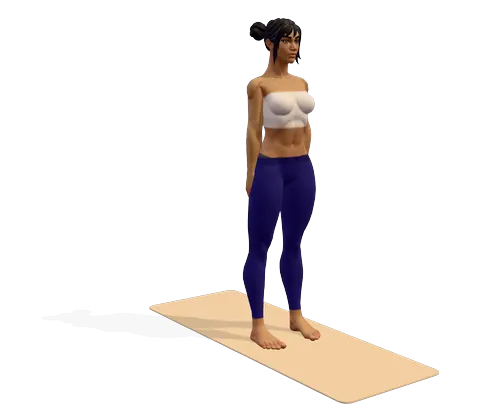 Mountain PoseTadasana
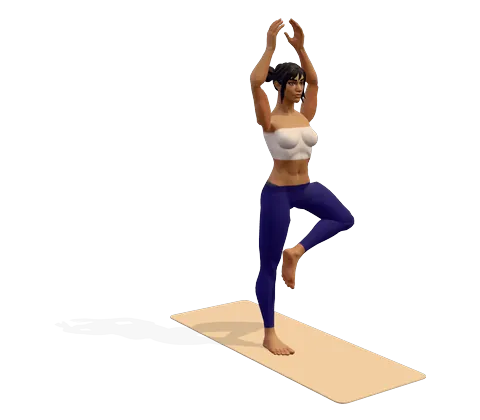 Tree PoseVrikshasana
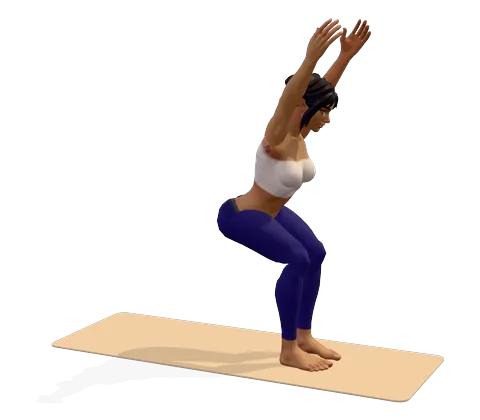 Chair PoseUtkatasana
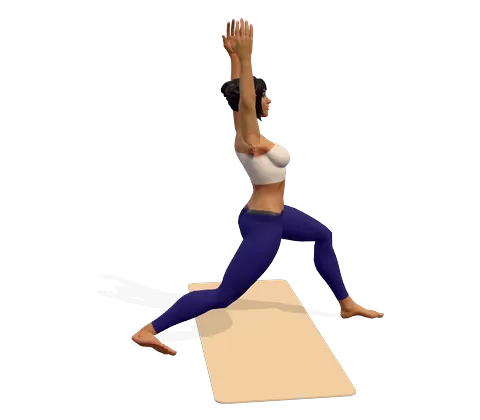 Warrior I PoseVirabhadrasana I
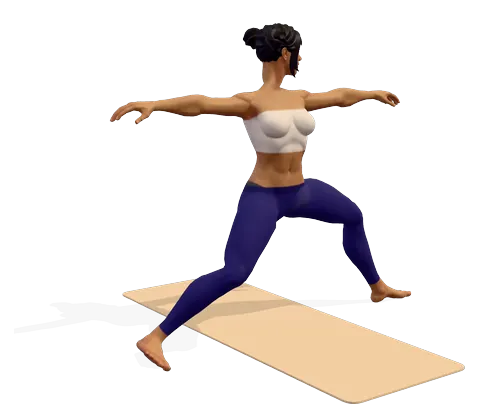 Warrior II PoseVirabhadrasana II
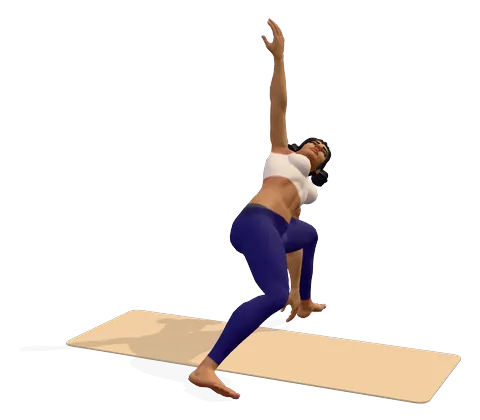 Triangle PoseTrikonasana
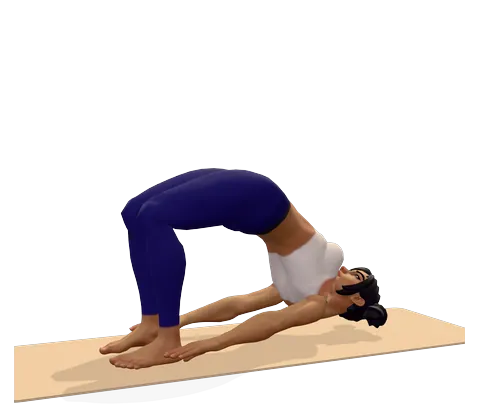 Bridge PoseSetu Bandhasana
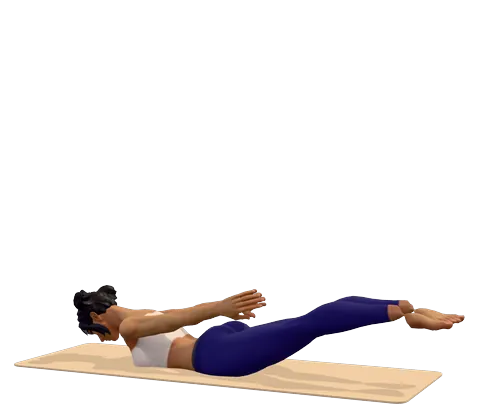 Locust PoseSalabhasana
More poses that help with osteoporosis and bone health
Add these once the session above feels easy, or swap one in when a pose does not suit you.
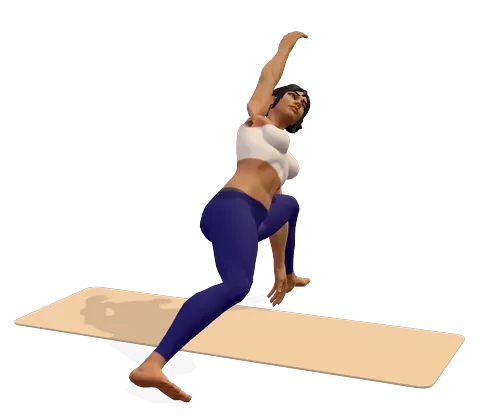 Extended Side Angle PoseUtthita Parsvakonasana
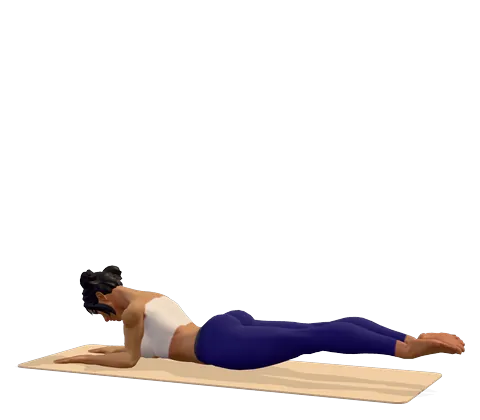 Sphinx PoseSalamba Bhujangasana
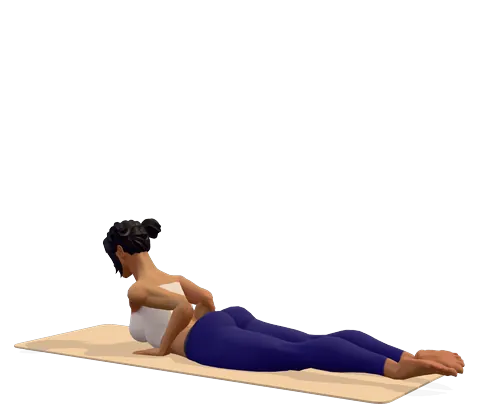 Cobra PoseBhujangasana
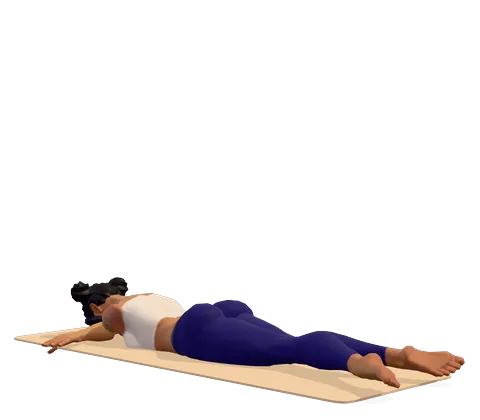 Crocodile PoseMakarasana
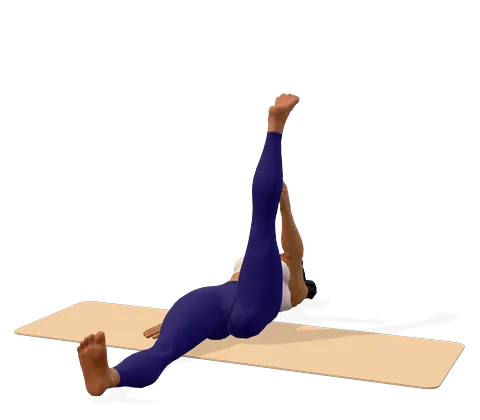 Reclining Hand-to-Big-Toe PoseSupta Padangusthasana
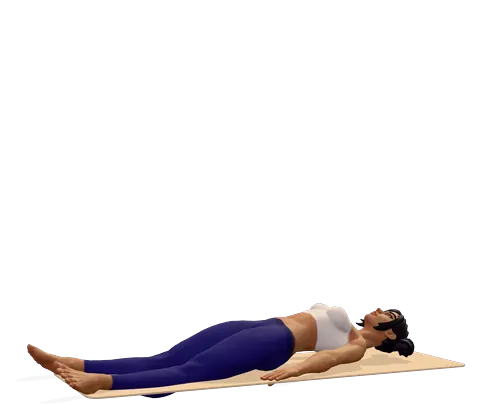 Corpse PoseSavasana
Mudras for osteoporosis and bone health
Hold a mudra while you sit for the breathing practice or a few minutes of quiet. Mudras are a traditional practice; research on them is limited.
Breathing practice
Avoid
Loaded spinal flexion (sit-ups, deep forward folds, plow), strong twists and any risk of falling. Use a wall or chair for balance.
Emerging evidence: Small or early trials look promising.
Yoga for osteoporosis can be safe and useful, but only if you choose the right poses. Standing poses and gentle back strengthening load your bones and improve balance, which matters because falls cause most fractures. Rounded forward bends and strong twists, on the other hand, can raise the risk of a spine fracture in thin bones. This page explains how the plan above works, what the research shows, which poses to avoid and how yoga fits with medicine and other exercise.
Osteoporosis and osteopenia in brief
Osteoporosis means bones have become thin and fragile, so they break more easily, often at the wrist, hip or spine. Osteopenia is the milder step before it, when bone density is lower than normal but not yet in the osteoporosis range. Both are common after menopause, and in older men. Most people feel nothing until a bone breaks, so a bone density (DEXA) scan is how they are found.
Bone responds to load. When muscles pull on bone and your body weight presses through it, bone cells are signalled to keep bone strong. That is the idea behind yoga for bone density: standing, weight-bearing poses that ask muscles to work.
Is yoga good for osteoporosis?
Yes, for most people, when it is the right kind of yoga. Yoga can help in three ways:
- Bone loading. Standing poses and back-strengthening poses put gentle, steady load through the hips and spine.
- Balance and fall prevention. Tree, Warrior and Chair train the balance and leg strength that stop falls. See yoga for balance and fall prevention.
- Posture. Back-strengthening poses such as Locust help counter the forward stoop that increases pressure on the front of the spine.
Is yoga helpful for osteoporosis on its own? No. It works best alongside the treatment your doctor recommends, enough calcium, vitamin D and protein, and other weight-bearing exercise such as brisk walking.
Does yoga increase bone density? What the studies show
The research is promising but early, which is why the evidence level here is "emerging". The best-known yoga and osteoporosis study, by Dr Loren Fishman's group, followed volunteers who did a 12-minute daily routine of 12 poses held about 30 seconds each. Among 227 people who practised regularly, bone density in the spine and thigh bone improved on average compared with the years before they started. The researchers reported no fractures or serious injuries linked to the yoga.
That study had no separate control group and many people stopped, so it cannot prove that yoga builds bone. Other research points to real risks: a 2018 Mayo Clinic case series described nine people with low bone density who developed spinal compression fractures after doing yoga poses that bend the spine forward. The lesson is clear: the right poses may help, the wrong ones can harm.
Is yoga or weight lifting better for osteoporosis? Progressive resistance training (lifting weights under guidance) and impact exercise have stronger evidence for bone density than yoga. Yoga adds balance, posture and flexibility. Many people do both: strength training two days a week plus yoga on other days.
Yoga poses for osteoporosis: why each one is in the plan
These are simple yoga poses for stronger bones, chosen because they load the legs, hips and spine while keeping the back long. Use a wall or chair for balance in every standing pose.
Mountain and Tree: balance first
Mountain pose teaches tall, even standing. Press your feet down and lift your chest without leaning back. Tree pose builds balance: keep a hand on the wall and your foot at the ankle or calf, never pressing on the knee.
Chair pose: leg and hip strength
Chair pose strengthens the thighs and loads the hip bones. Sit back as if onto a chair, keep your chest lifted and your back straight, not rounded. Standing up from a real chair slowly is a fine version.
Warrior I, Warrior II and Triangle: loading the hips
Warrior I and Warrior II put weight through both legs and work the muscles around the hips. In Triangle pose, keep your spine long and your hand on your thigh or a block; do not reach down to the floor if it makes your back round.
Bridge and Locust: strength for the spine
Bridge pose strengthens the buttocks and back. Locust pose works the muscles along the spine and is one of the most useful yoga exercises for osteoporosis of the spine, because strong back muscles help protect the vertebrae. Lift only a little and keep the neck long.
How long to hold? Fishman's routine used holds of about 30 seconds. Start with 3 to 5 slow breaths and build up as your strength and balance grow. Long holds are fine only if your form stays good.
Which are the best yoga poses for building bone density?
No single pose is proven best. The poses most likely to help are those where your own body weight presses through the legs and hips and your muscles work hard: Chair, the Warriors and Triangle. Add a slow, controlled lift in Locust for the spine. Moving from pose to pose with steady effort, rather than lying still, is what makes yoga a bone density exercise. If a pose feels easy after a few weeks, hold it a little longer instead of going deeper.
Yoga poses to avoid with osteoporosis
Is yoga bad for osteoporosis? It can be, if you do the wrong movements. These are the main yoga and osteoporosis contraindications:
- Rounded forward bends under load: standing and seated forward folds, touching the toes, sit-ups and crunches.
- Plough, shoulder stand and headstand, which bend the neck and upper back under body weight.
- Strong or deep twists, especially twists combined with bending forward.
- Deep backbends such as Wheel.
- Anything with a risk of falling: fast flows, jumping, and balancing without support.
When bending is needed in daily life, hinge at the hips with a straight back rather than rounding the spine. If you already have a spine fracture, ask your doctor or physiotherapist before starting.
Yoga for women and seniors with osteoporosis
Yoga for women with osteoporosis often starts around menopause, when bone loss speeds up; see also yoga for menopause. Yoga for seniors with osteoporosis should be done near a wall or chair, on a non-slip mat, with a slow tempo. The yoga for seniors guide has chair versions of many poses. If you also have knee or back pain, yoga for arthritis has further adaptations.
Is yoga good for osteopenia?
Yes. Osteopenia is a good time to start, because building strength and balance now may slow further loss and lower fall risk. How to combat osteopenia: stay active every day, do weight-bearing and strengthening exercise, get enough calcium, vitamin D and protein, avoid smoking and limit alcohol, and follow your doctor's advice. Yoga for osteoporosis prevention fits into this picture, but no study shows that yoga alone prevents osteoporosis.
Breathing
Finish with Ujjayi breathing or Anulom Vilom in a comfortable seat with your back upright and supported. Keep your spine tall rather than slumped.
A weekly plan for bone health
| Day | Activity | Time |
|---|---|---|
| Mon, Wed, Fri | Yoga session above (with wall or chair) | 15–20 min |
| Tue, Thu | Strength training as advised | 20–30 min |
| Most days | Brisk walking | 20–30 min |
| Daily | Mountain pose posture check | 1 min |
हड्डियों की कमज़ोरी (ऑस्टियोपोरोसिस) के लिए योग — हिंदी में दीवार या कुर्सी के सहारे ताड़ासन, वृक्षासन, उत्कटासन, वीरभद्रासन और त्रिकोणासन करें, और सेतुबंधासन व शलभासन से कमर मज़बूत करें। आगे झुकने वाले आसन, सिट-अप, हलासन और ज़ोर के ट्विस्ट न करें। योग दवा, कैल्शियम और विटामिन डी की जगह नहीं लेता, इनके साथ करें।
Practise with the 3D guide
Play the session at the top of the page and keep a wall or sturdy chair beside your mat. Rotate the 3D teacher to check that her back stays straight in each pose, and use the "shorter" hold time at first. The voice guides you in 28 languages. Track your weeks in your practice tracker.
Research behind this plan
- Lu 2016, Topics in Geriatric Rehabilitation — 12-minute daily yoga routine: improved spine and femur bone density in 227 regular practisers vs their earlier rate of loss; no yoga-related fractures reported; no control group
- Sfeir 2018, European Journal of Physical and Rehabilitation Medicine — case series of 9 people with low bone density who had vertebral compression fractures after yoga spinal flexion
- NHS — Preventing osteoporosis: weight-bearing and resistance exercise for bone strength
Frequently asked questions
Can someone with osteoporosis do yoga?
Yes, most people can, with the right poses. Choose standing poses with support, Bridge and Locust, and avoid rounded forward bends, sit-ups, plough and strong twists. Ask your doctor first, especially if you have had a fracture.
Does yoga increase bone density?
It might. One study of a 12-minute daily routine found improved bone density in people who kept practising, but it had no control group. Treat yoga as helpful for balance and strength, with possible bone benefits, not as a replacement for treatment.
Is yoga dangerous for osteoporosis?
Some poses are. Rounded forward bends, plough, shoulder stand and strong twists have been linked to spine fractures in people with thin bones. Safe, supported poses carry little risk.
Is yoga or weight lifting better for osteoporosis?
Guided resistance training has stronger evidence for bone density. Yoga adds balance, posture and flexibility. Doing both is a good approach.
Which yoga is best for osteoporosis?
Slow, alignment-based yoga with standing poses, a wall or chair for support, and no deep forward folds. Avoid hot yoga and fast flows with jumps.
Does yoga prevent osteoporosis?
No study shows yoga alone prevents osteoporosis. Weight-bearing activity, strength training, good nutrition and not smoking all help keep bones healthy, and yoga can be part of that.
How often should I do yoga for bone health?
Short sessions most days, or at least three times a week, work better than one long class. The study routine took about 12 minutes a day.
Medical note: yoga supports treatment; it does not replace it. Keep taking prescribed medicine and talk to your doctor before you start, especially with heart disease, uncontrolled blood pressure, recent surgery, pregnancy, epilepsy or severe pain. Read our medical disclaimer.