Your immunity yoga plan
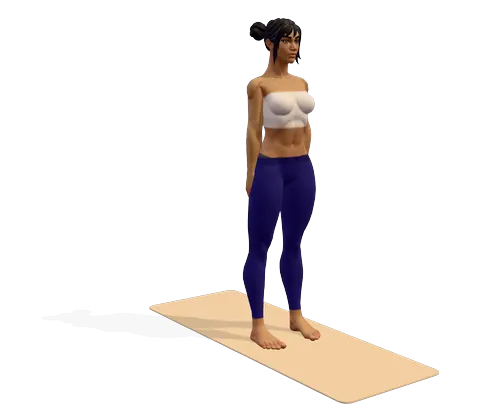 Mountain PoseTadasana
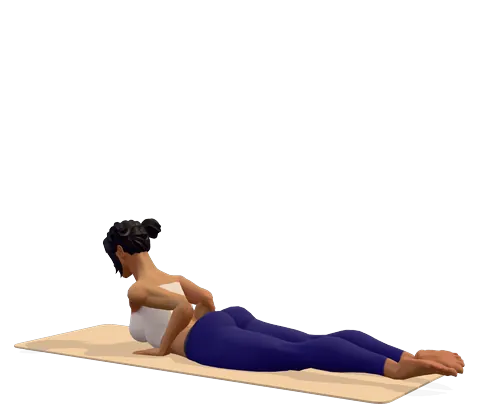 Cobra PoseBhujangasana
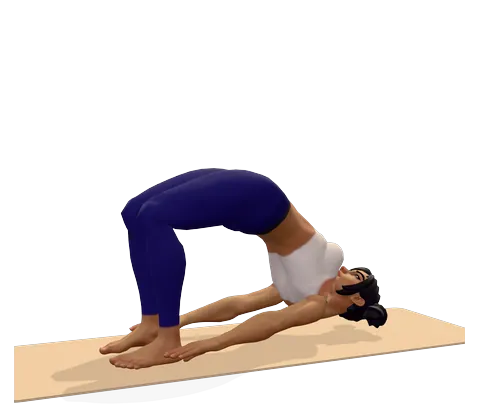 Bridge PoseSetu Bandhasana
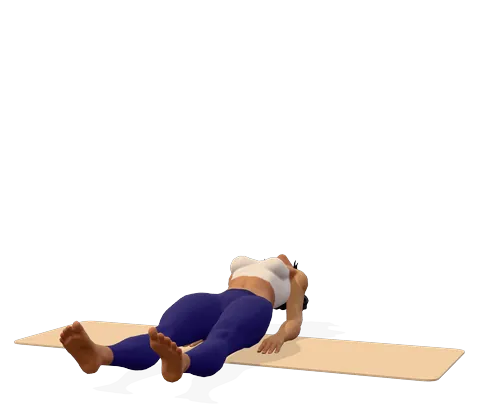 Fish PoseMatsyasana
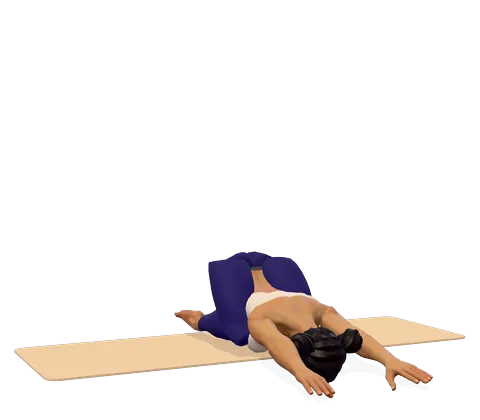 Child’s PoseBalasana
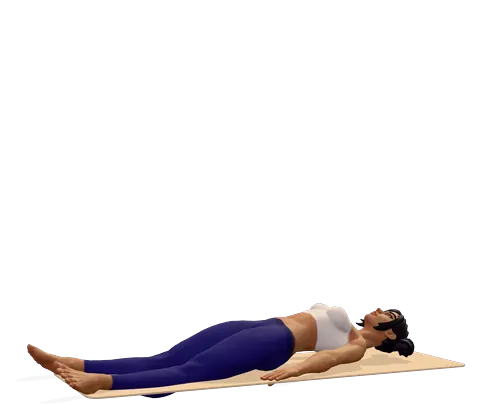 Corpse PoseSavasana
More poses that help with immunity
Add these once the session above feels easy, or swap one in when a pose does not suit you.
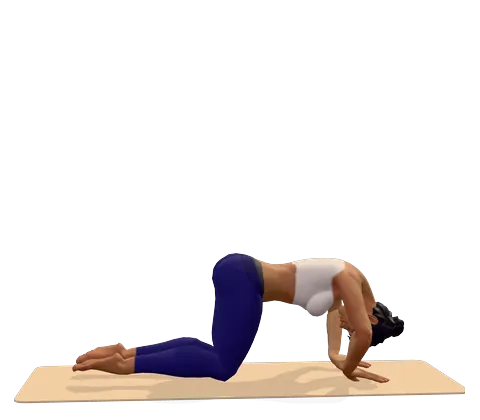 Cat PoseMarjaryasana
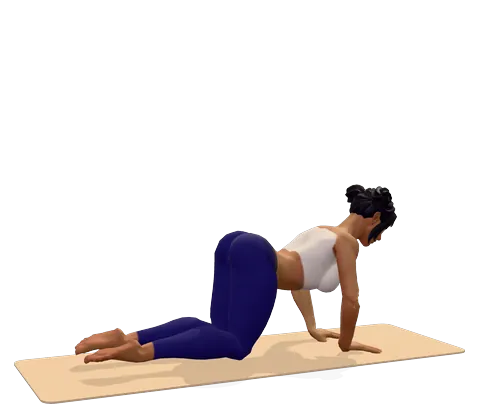 Cow PoseBitilasana
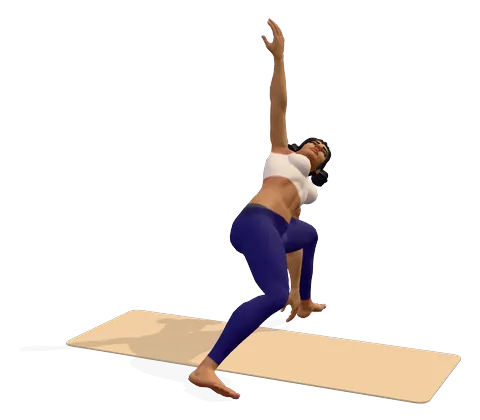 Triangle PoseTrikonasana
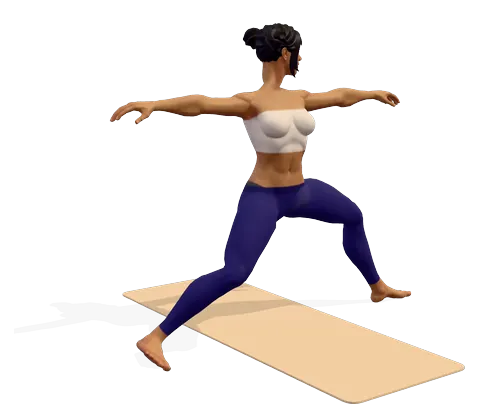 Warrior II PoseVirabhadrasana II
 Thunderbolt PoseVajrasana
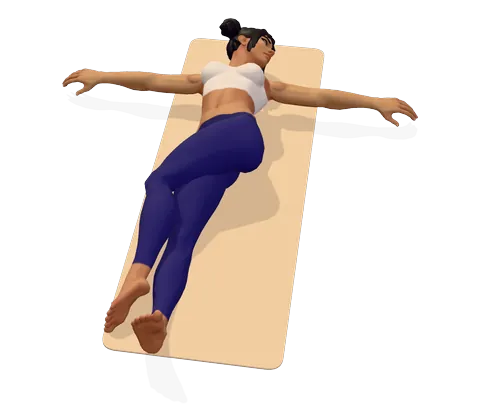 Supine Spinal TwistSupta Matsyendrasana
Mudras for immunity
Hold a mudra while you sit for the breathing practice or a few minutes of quiet. Mudras are a traditional practice; research on them is limited.
Breathing practice
Avoid
Hard sessions when you already have a fever.
Emerging evidence: Small or early trials look promising.
Yoga for immunity is best understood as support for the everyday habits your immune system depends on. Good sleep, lower stress and regular movement all influence how well your body copes with infection, and yoga can help with each of them. What yoga cannot do is “boost” immunity like a switch or prevent you from catching a cold, flu or any other infection. This page gives you an honest picture of the research, a simple plan with the 3D guide, and the basics that matter most.
No yoga practice, breathing technique or tea has been shown to prevent infections. Keep up recommended vaccinations, wash your hands, eat well, sleep enough and see a doctor when you are ill. Use yoga alongside these, not instead of them.
How does yoga support the immune system?
People often ask how yoga boosts the immune system, or whether yoga helps boost immunity at all. The more accurate question is how yoga can support, rather than boost, the immunity system in the body. There are three likely routes:
- Sleep. Sleep matters for immune health. In one study, 164 healthy adults wore a wrist monitor for a week and were then given a common-cold virus; those who slept less were more likely to develop a cold. Yoga has been found helpful for sleep in several groups of people, so a calming evening practice is a sensible habit.
- Stress. Long-term stress keeps stress hormones such as cortisol raised, which can affect immune function. Slow breathing, gentle poses and rest help you switch into “rest” mode. See yoga for stress.
- Movement. Regular, moderate activity is part of a healthy lifestyle and good for health in general. Yoga is an easy way to move on days when you cannot get outside.
Yoga and immunity: what the research shows
The evidence is emerging. A systematic review of 15 randomised trials found a general pattern suggesting that yoga can lower some pro-inflammatory markers (such as IL-1beta, with signs of reductions in IL-6 and TNF-alpha), with possible effects on other parts of the immune system. The authors stressed that the results were not entirely consistent and that the field is still young. A 2022 review of yoga and inflammatory markers reached a similar view: promising, but with methodological challenges.
So does yoga reduce inflammation, and are there yoga poses for inflammation? Studies suggest it may lower some blood markers of inflammation, but what that means for real-world illness is not yet known. None of this research shows that yoga prevents infections or treats them.
Yoga poses for immunity: the plan, pose by pose
These yoga asanas for immunity support are gentle and suit most beginners. Think of these yoga poses for the immune system as a relaxing routine rather than an “immunity booster” or a treatment.
1. Mountain pose — start steady
Mountain pose (Tadasana): stand tall, feet hip-width apart, and take five slow breaths through the nose. Notice where you hold tension and let it go.
2. Cobra pose — open the chest
Cobra pose (Bhujangasana): a small, easy backbend lying on your front. It counters hours of sitting and makes breathing feel fuller.
3. Bridge pose — gentle strength
Bridge pose (Setu Bandhasana): lift the hips on an in-breath and lower on an out-breath five times, then hold for a few breaths. For a restful version, rest your pelvis on a cushion.
4. Supported fish pose — chest and throat
Fish pose (Matsyasana): lie back over a folded blanket under your shoulder blades, head supported on a pillow. Breathe slowly for one to two minutes.
5. Child’s pose — calm the nervous system
Child’s pose (Balasana): knees wide, forehead resting, arms forward or by your sides. One of the most calming poses for stress.
6. Corpse pose — rest
Corpse pose (Savasana) for five minutes or more. Longer rest here, or a guided Yoga Nidra, is the part of the practice most linked to better sleep — which is why Yoga Nidra for the immune system really means Yoga Nidra for sleep.
Yoga breathing for the immune system
- Anulom Vilom (alternate nostril breathing) — slow and calming; five minutes a day, no breath holds needed.
- Bhramari (humming bee breath) — humming on a long out-breath; good before bed.
- Kapalbhati (skull-shining breath) — a fast, forceful breathing practice. Only for healthy adults who have learned it properly, on an empty stomach and never when unwell. Do not practise it with high blood pressure, heart disease, pregnancy, epilepsy, a hernia, recent abdominal surgery or if it makes you dizzy. Claims that it boosts immunity are not supported by research.
A yoga mudra for immunity, such as Prana mudra, is traditionally held during this breathing; there is no research on mudras and immune function. Pranayama for immunity is really pranayama for calm: the slow practices are the ones that help stress and sleep. The breathing exercise timer can pace them for you.
How to boost your immunity naturally: the basics that matter
How to improve immunity, increase immunity in the body, strengthen your immunity system and make it stronger comes down to these everyday habits. If someone asks you to recommend two ways to boost your immunity, say sleep and regular exercise. They matter more than any single pose:
- Sleep — aim for a regular 7 hours or more for adults.
- Move most days: walking, cycling, yoga or other exercise you enjoy.
- Eat a varied diet with plenty of vegetables, fruit, pulses and whole grains.
- Don’t smoke and keep alcohol low.
- Manage stress with rest, time outdoors, people you trust — and yoga.
- Stay up to date with vaccinations and wash your hands.
How to boost your immunity quickly? There is no quick fix — no tea, supplement or exercise will make you “immune” overnight. What immunity boosting exercises to do, then? The best exercises for immune health — the real immunity booster exercises — are simply regular, moderate activity sustained over weeks and months. No yoga tea for immune support replaces them either.
Yoga for autoimmune disease
In autoimmune diseases (such as rheumatoid arthritis, lupus or multiple sclerosis) the immune system is already overactive against the body, so “boosting” it is the wrong idea. Gentle yoga may help some people with pain, stiffness, fatigue and stress, alongside their treatment; see yoga for arthritis. If you searched how to cure autoimmune diseases through yoga: yoga cannot cure them, and you should never stop prescribed medicines. Ask your specialist before starting, and rest during flares.
Yoga for kids, travel and winter
Which yoga style is best for immunity?
Any gentle style works: Yin yoga for immunity, restorative, Hatha, Iyengar or Kundalini yoga for the immune system — no style has been shown to be better than another, and the yoga asanas for an immunity booster are the same gentle poses. Choose the one you will do regularly, and you do not need special yoga classes for autumn or winter immunity; a short home routine is enough.
Yoga to boost immunity in kids really means helping children sleep, move and relax: playful poses and humming breath before bed work well (see yoga for kids). When travelling, a few stretches and slow breaths help you rest and adjust to new sleep times. In autumn and winter, a short indoor routine keeps you moving when it is cold and dark outside.
Sample weekly routine
| Day | Practice | Time |
|---|---|---|
| Monday | Guided session on this page + Anulom Vilom | 20 min |
| Tuesday | Brisk walk outdoors | 30 min |
| Wednesday | Guided session + Bhramari | 20 min |
| Thursday | Walk or cycle; Yoga Nidra at bedtime | 30 + 20 min |
| Friday | Guided session + Anulom Vilom | 20 min |
| Saturday | Active day outdoors | 30–60 min |
| Sunday | Rest; Yoga Nidra or child’s pose and slow breathing | 10–20 min |
You can build a longer or shorter version in the sequence builder and track your streak in My Practice.
When you are ill: rest, and when to get help
With a fever, rest instead of practising — hard sessions while you have a fever can make you feel worse, and you cannot “sweat out” an infection. Return with gentle breathing and restful poses once the fever has gone.
Get medical help for a high or persistent fever, difficulty breathing, chest pain, confusion, a stiff neck, a rash that does not fade when pressed, or symptoms that keep getting worse. See a doctor if you seem to catch infections unusually often — it can be a sign of a health problem that needs checking.
रोग प्रतिरोधक क्षमता के लिए योग (yoga for immunity in Hindi): कोई भी आसन या प्राणायाम संक्रमण से पूरी तरह नहीं बचाता, लेकिन नियमित योग अच्छी नींद, कम तनाव और सक्रिय जीवन में मदद करता है, जो इम्युनिटी के लिए ज़रूरी हैं। ताड़ासन, भुजंगासन, सेतुबंधासन, बालासन और शवासन के साथ अनुलोम-विलोम और भ्रामरी करें। बुखार हो तो योग न करें, आराम करें। कपालभाति हाई बीपी, हृदय रोग, गर्भावस्था या मिर्गी में न करें।
Start the guided session
Beyond immunity, why is yoga good for you, and how does yoga improve health? Its positive effects include better flexibility, strength, balance and mood, and it is part of the lifestyle changes that help many lifestyle diseases; read more in benefits of yoga. The guided session on this page takes you through every pose with a 3D figure you can rotate and a calm voice in 28 languages. Practise in the evening if sleep is your main goal, and start the guided session when you are ready.
Research behind this plan
- Falkenberg 2018, Journal of Behavioral Medicine — review of 15 trials: yoga may lower some pro-inflammatory markers; evidence small and not entirely consistent
- Estevao 2022, Brain, Behavior, and Immunity – Health — review of yoga and cortisol and inflammatory markers; promising but a young field
- Prather 2015, Sleep — in 164 healthy adults exposed to a cold virus, shorter sleep was linked with a higher chance of developing a cold
- NCCIH, Yoga: What You Need To Know — yoga has been helpful for sleep and for perceived stress in several groups
Frequently asked questions
Does yoga boost immunity?
Not directly. Yoga supports the habits that matter for immune health — sleep, stress and regular movement — and small studies suggest it may lower some inflammation markers. It has not been shown to prevent infections.
Is yoga an immunity booster?
Not in the sense of a quick boost. Yoga for strong immunity means using yoga to boost immunity naturally over time: better sleep, less stress and regular movement, all of which support a good immune system.
Which yoga poses are best for immunity?
Gentle, calming poses: mountain pose, cobra, bridge, supported fish, child’s pose and corpse pose, plus slow breathing such as Anulom Vilom and Bhramari. The goal is rest and better sleep, not intensity.
Is Kapalbhati good for immunity?
There is no good evidence that Kapalbhati boosts immunity. It is a forceful breathing practice that is not suitable for people with high blood pressure, heart disease, pregnancy or epilepsy, or when unwell.
Can yoga cure autoimmune diseases?
No. Gentle yoga may ease pain, fatigue and stress in some autoimmune conditions, but it does not cure them. Keep taking your medicines and ask your specialist before you start.
What is the fastest way to increase immunity?
There is no fast way. Sleep well, move most days, eat a varied diet, avoid smoking, limit alcohol, manage stress and keep vaccinations up to date. These work over weeks and months.
Should I do yoga when I have a cold or fever?
Rest while you have a fever. With a mild cold and no fever, gentle breathing and restful poses are fine if you feel like it. Skip hard sessions until you have recovered.
Does yoga reduce inflammation?
Some trials found lower levels of inflammatory markers such as IL-1beta after regular yoga, but the results are mixed and the effect on health is not yet clear.
Medical note: yoga supports treatment; it does not replace it. Keep taking prescribed medicine and talk to your doctor before you start, especially with heart disease, uncontrolled blood pressure, recent surgery, pregnancy, epilepsy or severe pain. Read our medical disclaimer.