Your stroke recovery yoga plan
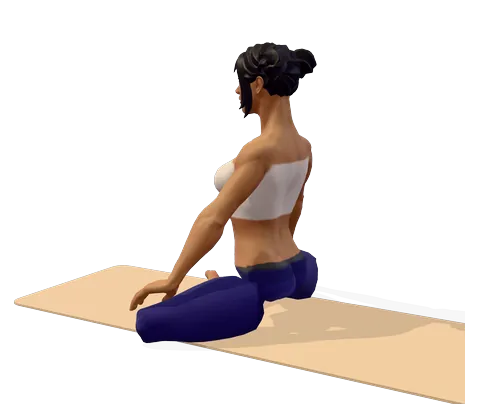 Easy PoseSukhasana
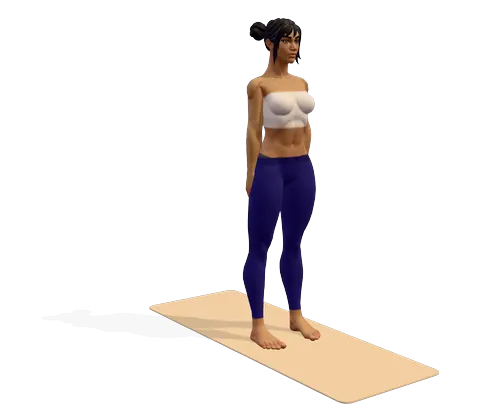 Mountain PoseTadasana
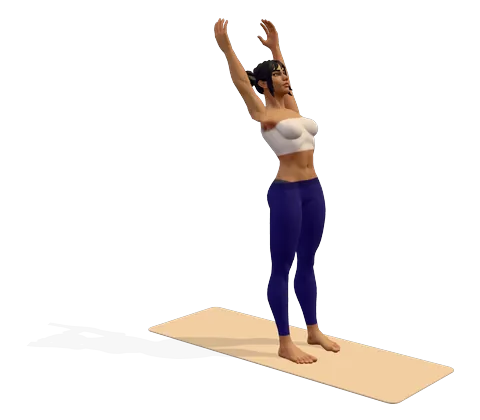 Raised Arms PoseHasta Uttanasana
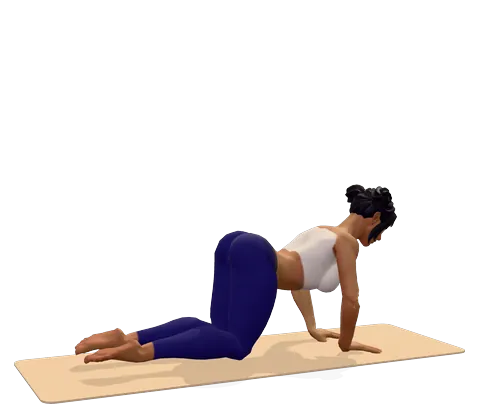
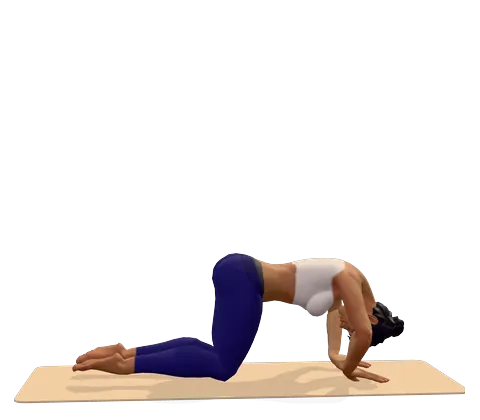 Cat PoseMarjaryasana
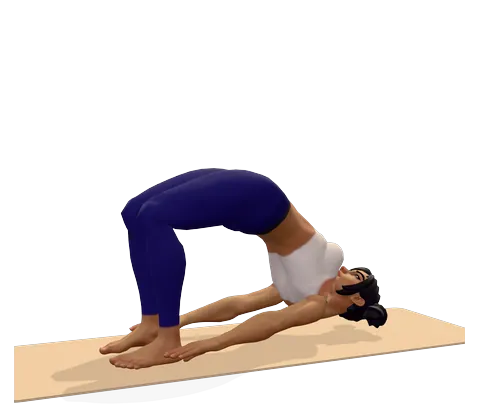 Bridge PoseSetu Bandhasana
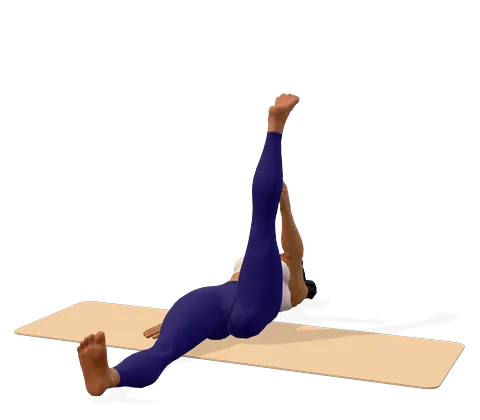 Reclining Hand-to-Big-Toe PoseSupta Padangusthasana
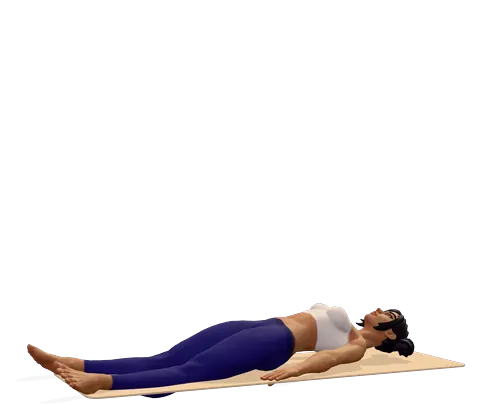 Corpse PoseSavasana
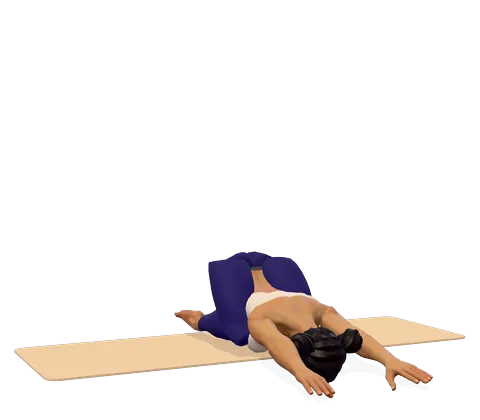
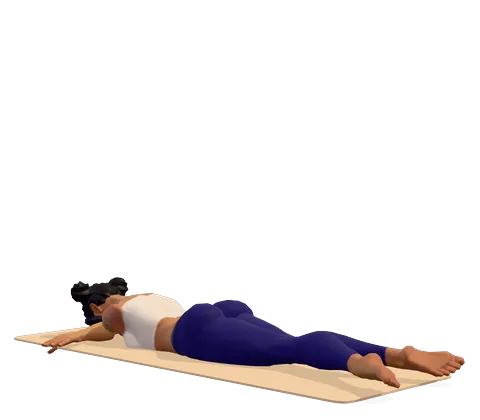
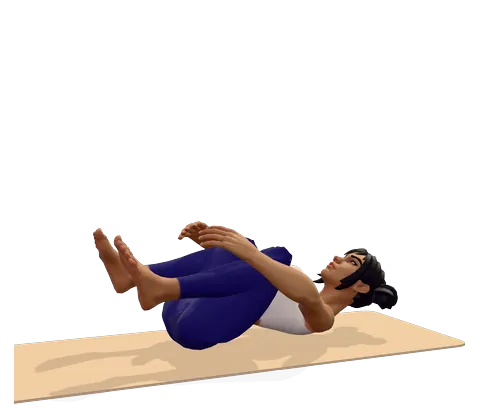
More poses that help with stroke recovery
Add these once the session above feels easy, or swap one in when a pose does not suit you.
Mudras for stroke recovery
Hold a mudra while you sit for the breathing practice or a few minutes of quiet. Mudras are a traditional practice; research on them is limited.
Breathing practice
Avoid
Inversions, breath holds and unsupported balance. Practise with your physiotherapist’s approval and a chair nearby.
Emerging evidence: Small or early trials look promising.
Guided meditation for stroke recovery
Breath Awareness Meditation (10 min, voice in 28 languages) · Body Scan Meditation (15 min, voice in 28 languages)
Yoga for stroke recovery is not a replacement for rehabilitation. It is a calm, slow practice you can add to it once your stroke team agrees. It combines supported movement, balance work, breathing and rest. This page explains what the research shows, how to adapt each pose with a chair or wall, how to pace yourself around post-stroke fatigue, and how to fit yoga around the exercises your physiotherapist gives you.
Ask your doctor or physiotherapist before you start, and follow their limits. Keep taking all prescribed medicines. If you notice new face drooping, arm or leg weakness, or slurred speech, call emergency services at once. This could be another stroke.
Should stroke patients do yoga?
For many people, yes, as long as it is gentle, supported and approved by the rehab team. Is yoga good for stroke patients? It can help in ways that matter day to day:
- Balance and confidence. Standing with a wall or chair lets you practise shifting weight without the fear of falling.
- Range of movement. Slow stretches can ease stiffness in the shoulder, hip and trunk on the weaker side.
- Calm. Anxiety and low mood are common after a stroke. Slow breathing and rest can lower stress.
- Body awareness. Paying close attention to how each side feels supports the retraining your therapists are doing.
Yoga cannot repair brain tissue, and nobody can promise it will reverse paralysis. The most reliable path back to movement is still regular, repeated practice of tasks with your physiotherapist and occupational therapist. Yoga works best as one of your therapy activities for stroke, not the only one.
What the research says
The evidence is emerging. A 2017 Cochrane review found only two small randomised trials (72 people) that met its standards. Yoga did not clearly improve balance, quality of life or depression in those trials, although one found less day-to-day anxiety. The review rated the evidence as very low certainty. No side effects were reported, and the authors concluded that yoga could have a place in patient-centred stroke rehabilitation, but larger trials are needed. Other small studies of chair-based yoga have suggested gains in balance and confidence, but they are too small to be sure.
The benefits of yoga therapy for post stroke patients are mostly about calm, confidence and brain health in the broad sense, not proven physical recovery. So be realistic: expect yoga to help you feel calmer and more at ease in your body, and treat any gain in balance as a bonus.
Before you start: pacing and safety
- Post-stroke fatigue is real. Many people tire quickly and without warning. Practise when you are most alert, often late morning, and keep the first sessions to 10–15 minutes.
- Stop before you are tired, not when you are exhausted. If you feel worse the next day, halve the session.
- Protect the weaker shoulder. Never pull on a weak arm. Support it on a pillow or your lap, and let your stronger hand guide it gently.
- Have a helper nearby for the first few standing sessions, and place a sturdy chair against a wall.
- Check blood pressure with your doctor. No head-down poses, no breath holds and no straining.
Chair yoga for stroke patients: the plan, pose by pose
These are the poses in the guided session on this page, shown with the chair and wall versions. Stroke recovery chair yoga exercises are not a lesser form of yoga. They let you focus on control and breath instead of balance.
1. Easy pose: sitting tall
Easy pose (Sukhasana) is normally done cross-legged on the floor. Most stroke survivors do it on a chair: feet flat, hips level, hands resting on the thighs. Lengthen up through the crown of the head. If you lean to one side, put a folded towel under the lower hip or ask your helper to tell you when you are upright.
2. Mountain pose at the wall
Mountain pose (Tadasana): stand with your back close to a wall and a chair in front of you. Place weight evenly on both feet, and notice if the weaker leg takes less. Gently shift toward it for a breath, then come back. This simple weight shift is one of the most useful standing balance exercises after stroke. Wear your ankle-foot orthosis (AFO) if you normally use one.
3. Raised arms, one side at a time
Raised arms pose (Hasta Uttanasana): seated, breathe in and lift the stronger arm. Then, if your therapist allows, clasp your hands and let the strong arm help the weak one up only as far as it moves without pain. Lower slowly as you breathe out. Stop well before any pinching in the shoulder.
4. Cat pose in the chair
Cat pose (Marjaryasana): hands on knees, breathe out and round the back, then breathe in and sit tall again. On hands and knees this pose needs strong wrists and good balance, so most people after a stroke should stay seated.
5. Bridge pose on the bed or mat
Bridge pose (Setu Bandhasana) is one of the best strengthening exercises after stroke for the hips and buttocks. Lie on your back with the knees bent. Your helper can steady the weaker knee so it does not fall out to the side. Lift the hips a little, hold for a breath or two, and lower. Physiotherapists often use a similar move as a leg exercise for stroke patients.
6. Reclining hand-to-big-toe pose with a strap
Reclining hand-to-big-toe pose (Supta Padangusthasana): lying down, loop a strap or scarf around one foot and lift the straight leg only until you feel a mild stretch at the back of the thigh. Stretching exercises for stroke patients like this can ease tightness in the calf and hamstring. Keep the other knee bent for comfort.
7. Corpse pose to rest
Corpse pose (Savasana): rest on your back with a pillow under the knees, or on your stronger side if lying flat is uncomfortable. Stay 3–5 minutes. For a longer guided rest, try Yoga Nidra, which works well as meditation for stroke recovery.
Breathing and meditation after a stroke
Slow breathing is the gentlest part of yoga after a stroke and may be the most useful for calm. Try Anulom Vilom slowly and without holding the breath. If you cannot use your hand to close a nostril, simply imagine the breath moving from side to side. Bhramari (humming bee breath) is a soft hum on the out-breath that many people find soothing. A long, easy out-breath is one of the simplest ways to activate the parasympathetic (rest-and-digest) nervous system. The breathing timer can set a slow pace for you.
Weakness on the right or left side
The poses do not change with the side of the stroke. What changes is where you put support. With right-side weakness, stand with the wall or chair on your right, let the left hand help the right arm, and give the right leg extra time in weight shifts. With left-side weakness, do the opposite. If the stroke affected your vision or your awareness of one side (neglect), practise facing a mirror and ask your helper to stand on that side.
How yoga fits with stroke rehab exercises at home
Physical therapy for stroke patients comes first. Your physiotherapist sets the stroke patient physical therapy exercises (sit-to-stands, walking, balance exercises for stroke patients) and your occupational therapist sets OT exercises for daily living. These PT exercises for stroke patients, including neuro exercises for stroke patients and strengthening exercises for stroke patients, are the core of physical therapy for stroke patients at home. Yoga exercises for stroke patients fit around them, and simple activities for stroke patients at home, such as folding laundry seated, add practice too. A good week might look like this:
| Day | Practice | Time |
|---|---|---|
| Monday | Physio exercises + seated breathing | 20–30 min |
| Tuesday | Guided session on this page (chair versions) | 10–15 min |
| Wednesday | Physio exercises + short walk with support | 20–30 min |
| Thursday | Wall balance: mountain pose weight shifts + bridge | 10 min |
| Friday | Physio exercises + Bhramari | 20 min |
| Saturday | Guided session + Yoga Nidra | 20–25 min |
| Sunday | Rest; a few minutes of slow breathing | 5 min |
After a mild stroke you may be able to move sooner to standing poses without a chair. After a severe stroke or with paralysis of one side, start with breathing, corpse pose and bed-based bridge, and let the therapists guide passive movement of the weak limbs. You can build your own supported sequence in the sequence builder, and there are more ideas in chair yoga and yoga for seniors.
Can exercise help prevent another stroke?
Regular activity is part of preventing a second stroke, together with the medicines your doctor prescribes, blood pressure control, not smoking and a healthy diet. Gentle yoga counts as activity, and its calming effect may support healthy blood pressure; see yoga for high blood pressure. Ask your doctor how much aerobic exercise is safe for you.
What to avoid
- Headstands, shoulder stands and any pose with the head below the heart.
- Holding the breath, fast breathing (Kapalbhati, Bhastrika) and straining.
- Balance poses with nothing to hold, and getting up quickly from the floor.
- Pulling or hanging on a weak or painful shoulder.
- Hot rooms. Stop if you feel dizzy, get a headache or feel unusually breathless.
Start the guided stroke recovery session
Instead of a yoga for stroke patients video, this page has a 3D teacher you can rotate to see each pose from any side, with a calm voice in 28 languages. There are no live yoga classes for stroke patients here, so go at your own pace: set the hold time to "shorter", put your chair beside you and start the guided session. Log your sessions in the practice tracker to show your physiotherapist.
Research behind this plan
- Lawrence 2017, Cochrane Database of Systematic Reviews: 2 small trials (72 people); very low-certainty evidence, reduced state anxiety, no clear effect on balance or depression, no adverse events
- NHS, Stroke: recovery. Physiotherapy and exercises for movement, and support for tiredness, anxiety and low mood
Frequently asked questions
Is yoga good for stroke patients?
It can be, as a gentle addition to rehabilitation. Small trials suggest yoga may reduce anxiety and help confidence, but a Cochrane review rated the evidence as very low certainty. Ask your stroke team first.
What are the best yoga poses for stroke patients?
Seated easy pose, mountain pose against a wall, raised arms one side at a time, seated cat pose, bridge pose on a bed, a strapped leg stretch lying down, and corpse pose for rest.
Can yoga reverse paralysis after a stroke?
No. Yoga cannot repair the brain. Recovery of movement comes mainly from repeated task practice in rehabilitation. Yoga may help stiffness, balance confidence and calm alongside that work.
How soon can I do yoga after a stroke?
Only when your medical team says you are stable and ready for exercise. Many people start with breathing and bed-based movements in the first weeks and add chair poses later.
What are good exercises for stroke patients at home?
The exercises your physiotherapist gives you come first: sit-to-stands, walking, arm and hand tasks. Supported yoga poses, bridge and slow breathing can be added on other days.
How do I manage fatigue after a stroke while doing yoga?
Keep sessions short, practise at your best time of day, rest between poses and stop before you feel tired. If you feel worse the next day, do less next time.
Are there side effects of yoga for stroke patients?
Trials reported none, but falls, shoulder strain and dizziness are possible. Use a chair or wall, never pull on a weak arm, and avoid head-down poses and breath holds.
What are the best exercises to improve balance after a stroke?
Weight shifts in mountain pose at a wall, sit-to-stands and supported walking, all set by your physiotherapist. Stroke physical therapy exercises are progressed step by step as your balance improves.
Can yoga help paralysis of the legs?
Gentle, assisted movement such as bridge pose and strapped leg stretches may ease stiffness, but physical therapy for paralyzed patients should be led by a therapist who knows your case.
Is meditation helpful for stroke recovery?
Short guided relaxation, such as Yoga Nidra or slow humming breath, may ease anxiety and help sleep. It does not replace psychological support if you feel low.
Medical note: yoga supports treatment; it does not replace it. Keep taking prescribed medicine and talk to your doctor before you start, especially with heart disease, uncontrolled blood pressure, recent surgery, pregnancy, epilepsy or severe pain. Read our medical disclaimer.