Your asthma yoga plan
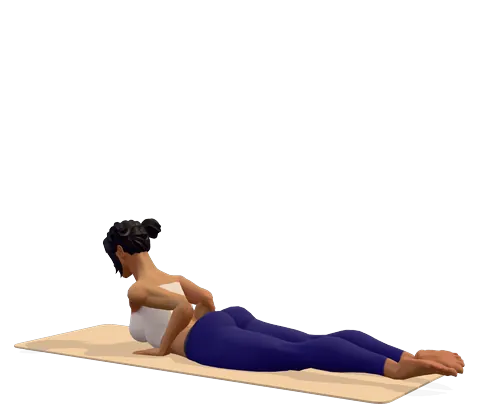 Cobra PoseBhujangasana
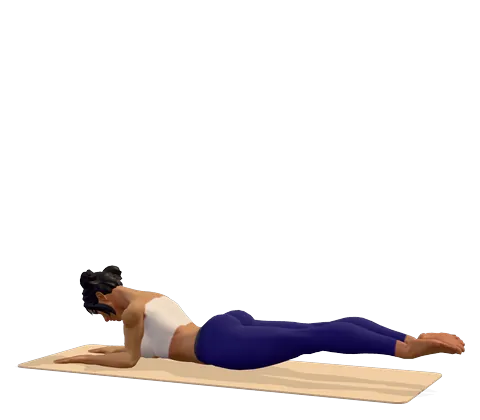 Sphinx PoseSalamba Bhujangasana
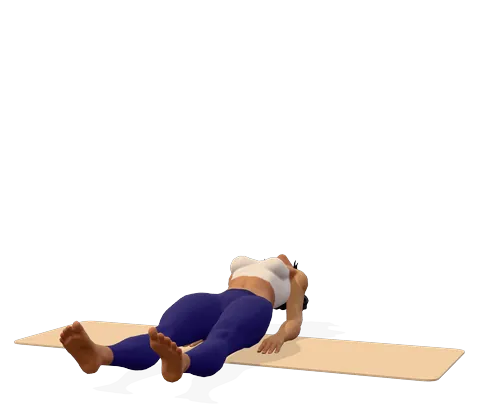 Fish PoseMatsyasana
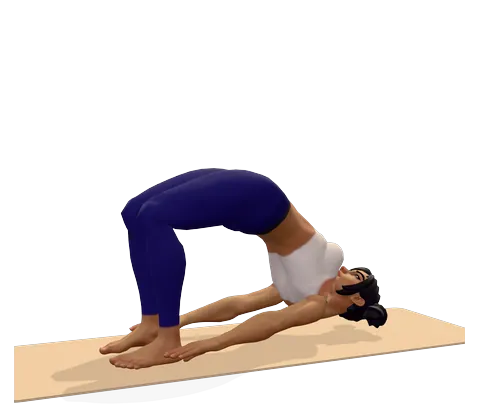 Bridge PoseSetu Bandhasana
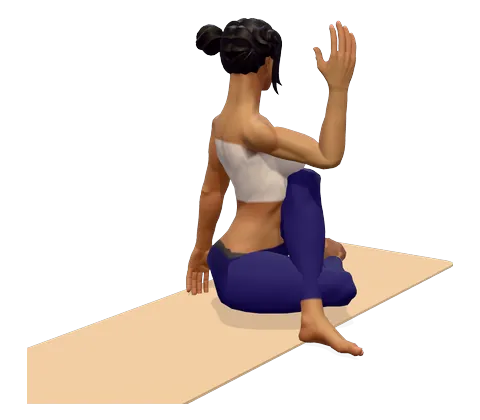 Half Lord of the Fishes PoseArdha Matsyendrasana
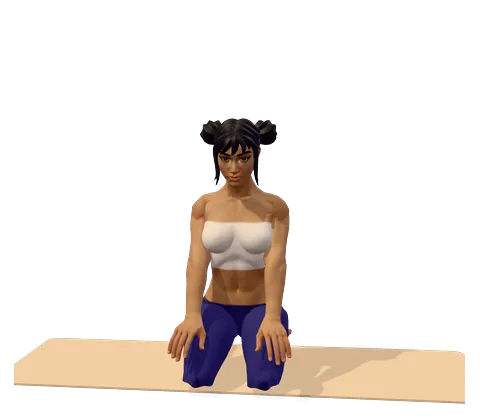 Lion PoseSimhasana
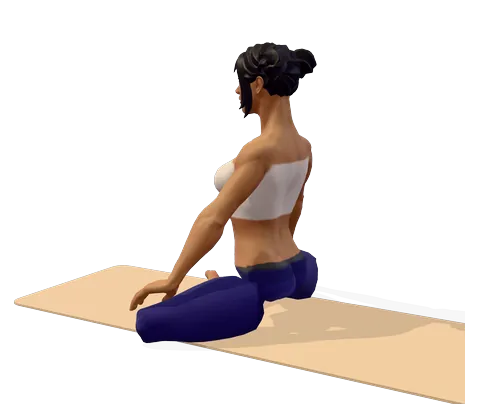 Easy PoseSukhasana
More poses that help with asthma
Add these once the session above feels easy, or swap one in when a pose does not suit you.
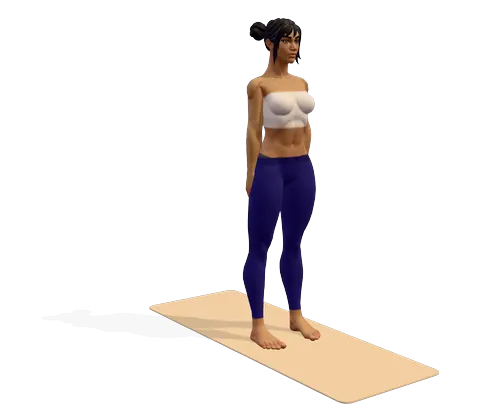 Mountain PoseTadasana
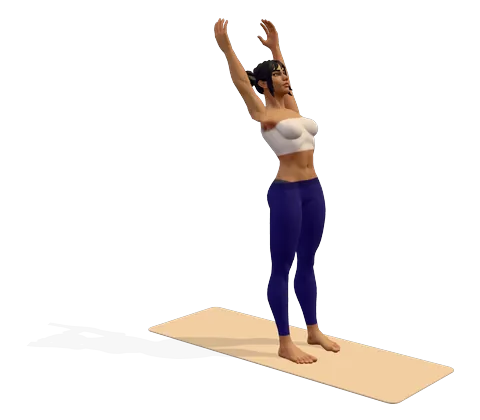 Raised Arms PoseHasta Uttanasana
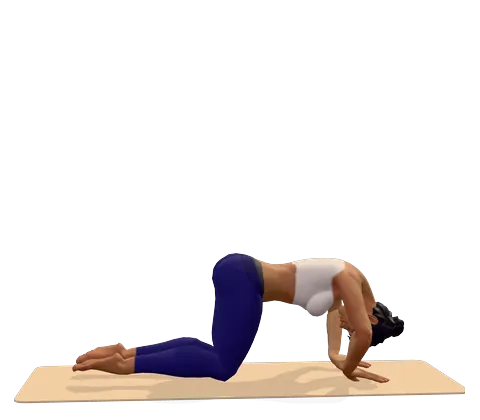 Cat PoseMarjaryasana
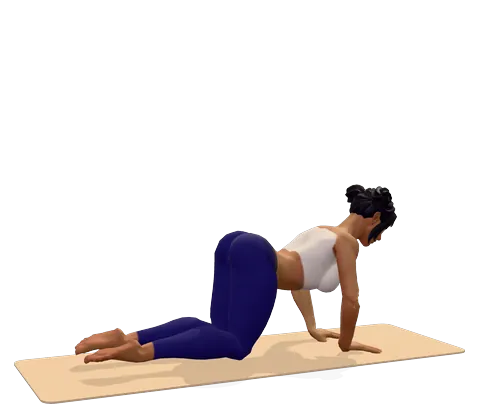 Cow PoseBitilasana
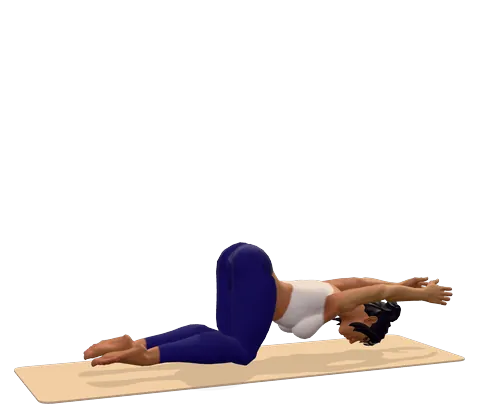 Extended Puppy PoseAnahatasana
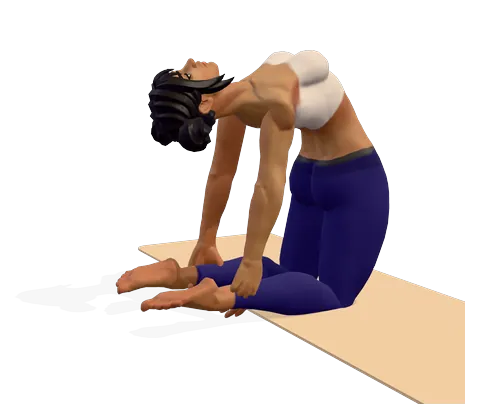 Camel PoseUstrasana
Mudras for asthma
Hold a mudra while you sit for the breathing practice or a few minutes of quiet. Mudras are a traditional practice; research on them is limited.
Breathing practice
Avoid
Practising without your reliever inhaler nearby; stop at the first sign of wheeze.
Moderate evidence: Randomised trials show a benefit; more research is under way.
Yoga for asthma combines slow, controlled breathing with gentle poses that open the chest and relax the shoulders. It will not cure asthma, but good research suggests it can ease symptoms and improve day-to-day quality of life when you use it alongside your inhalers. This page explains why yoga suits many people with asthma, what the studies found, how to do each pose in the plan above, which breathing exercises for asthma to use — and what to do instead during an attack.
Keep your reliever inhaler within reach every time you practise, keep taking your preventer as prescribed, and follow your personal asthma action plan. Stop at the first sign of wheeze or chest tightness.
Does yoga help with asthma?
For many adults and children with asthma, yes — as an extra. Why is yoga suitable for people with asthma, and why do asthmatics often like it? Because it works on several things at once:
- Breathing pattern. People with asthma often breathe fast, high in the chest and through the mouth. Yoga trains slow nose breathing with a longer out-breath.
- Posture and chest muscles. Backbends and twists stretch the chest, ribs and shoulders, which tend to tighten when breathing is hard.
- Anxiety. Breathlessness causes worry, and worry makes breathing faster. Calm breathing helps break that loop, so breathing exercises for asthma and anxiety often overlap. See yoga for anxiety.
- Fitness and lung health. Gentle, regular movement builds confidence for other exercise; this is what yoga for respiratory health really means — using your lungs well, not changing the disease.
Yoga and asthma research: what the studies show
The evidence is moderate. A Cochrane review of 15 randomised trials with 1,048 participants found moderate-quality evidence that yoga probably leads to small improvements in quality of life and symptoms in people with asthma. The effect on lung function and on medicine use was less certain. An earlier meta-analysis of 14 trials (824 patients) reached a similar view: yoga can be an extra (ancillary) option, not a routine treatment. A 2024 overview of reviews also found yoga better than control groups for asthma symptoms, with lung-function results that varied between studies.
In short, the benefits of yoga for asthma are real but modest. Yoga is not a substitute for inhaled medicine, and no study shows it can replace a preventer.
Yoga asanas for asthma: the plan, pose by pose
These yoga exercises for asthma patients are gentle enough for most adults. Warm up with a few rounds of calm breathing first, and practise in a clean, smoke-free room — no incense or candles, and a mat that is free of dust. Cold air and dust are common triggers.
1. Easy pose — tall sitting for breathing
Easy pose (Sukhasana): sit cross-legged on a cushion, or on a chair, spine long and shoulders soft. This is where you do your pranayama. If breathing feels tight, lean forward and rest your forearms on your thighs — a position many people find eases breathlessness.
2. Sphinx and cobra — open the chest gently
Start with Sphinx pose (Salamba Bhujangasana), lying on your front with forearms on the floor, and breathe into the back of the ribs. Then try a low Cobra pose (Bhujangasana), lifting the chest on an in-breath with elbows bent. Keep the lift small; the aim is space for the breath, not a deep backbend.
3. Fish pose — supported chest opener
Fish pose (Matsyasana) opens the front of the chest. The easier, safer version: lie back over a folded blanket or bolster placed under the shoulder blades, head resting on a pillow, arms relaxed. Skip the classic version with the head dropped back if you have neck problems.
4. Bridge pose — strength and chest space
Bridge pose (Setu Bandhasana): lying on your back, lift the hips on an in-breath and lower on a long out-breath. Repeat five times, then hold for three breaths if it feels easy.
5. Half spinal twist — mobilise the ribs
Half lord of the fishes (Ardha Matsyendrasana) is a seated twist. Sit tall, turn from the ribs rather than the neck, and breathe into the side of the ribcage that feels stretched. A twist on a chair works just as well.
6. Lion pose — a full, playful out-breath
Lion pose (Simhasana): breathe in through the nose, then open the mouth wide, stick out the tongue and breathe out with a soft “haaa”. It teaches a complete exhale and relaxes the face and throat. Do two or three rounds, not more, so you do not over-breathe.
Pranayama for asthma: breathing exercises that help
What is pranayama? It is the yoga practice of breathing with attention and control; its benefits include a slower breathing rate and a calmer mind, which is why pranayama is important in any yoga for breathing problems. The best breathing exercises for asthma patients are slow and gentle, and these pranayama techniques for asthma suit most asthma sufferers. How to do pranayama safely with asthma:
- Belly breathing (warm-up, and the simplest of the deep breathing exercises for asthma): one hand on the belly, one on the chest. Breathe in through the nose so the lower hand rises, and breathe out slowly. Two minutes.
- Anulom Vilom (alternate nostril breathing): slow breaths through one nostril, then the other, without breath holds. Five minutes.
- Ujjayi (ocean breath): a soft sound at the back of the throat that slows the out-breath. Keep it quiet and easy, never strained.
- Bhramari (humming bee breath): hum on a long out-breath. Five to seven rounds to finish.
Avoid fast, forceful practices such as Kapalbhati and Bhastrika and long breath holds if they make you wheezy or tight; skip breath holds completely if you also have high blood pressure (see yoga for high blood pressure). You can follow any of these with the ring in the breathing exercise timer. If you are looking for breathing exercises for asthma in the UK, the charity Asthma + Lung UK describes similar short, relaxed breathing practices built around a slow out-breath; ask your asthma nurse or NHS GP about a referral to a respiratory physiotherapist for breathing retraining.
Breathing exercises for an asthma attack — and why you can’t “cure” one with yoga
People search for how to cure an asthma attack with yoga, but no pose or breathing exercise treats an attack — your reliever inhaler does. Calm breathing helps you stay in control while the medicine works. UK NHS advice for an attack:
- Sit up straight and try to stay calm.
- With a blue reliever inhaler, take 1 puff every 30–60 seconds, up to 10 puffs (use a spacer if you have one) — or follow your own asthma action plan if it says something different.
- Breathe slowly through the nose or pursed lips between puffs.
Call emergency services if you feel worse at any point, do not improve after the maximum puffs, or do not have your inhaler. Also get urgent help for lips or fingertips turning blue or grey, being too breathless to speak, or feeling drowsy or confused.
How to exercise with asthma
Does exercise improve asthma? Regular activity improves fitness and is one of the simplest ways to help asthma at home, so everyday tasks leave you less breathless, even though it does not change the asthma itself. Good exercises for people with asthma include walking, swimming, cycling and yoga. How can exercise help asthma without triggering it? Warm up for 10 minutes, breathe through your nose, avoid very cold or polluted air, and take your reliever before exercise if your doctor has advised it. The yoga for COPD page has more lung exercises; they also show how to strengthen the breathing muscles with asthma, although the lungs themselves do not “grow”.
Yoga for kids with asthma
Children often enjoy lion pose, bee breath and cobra “snake” pose, and slow breathing games can help them notice their breath early. Natural remedies for asthma in children, yoga included, are only extras: the child’s inhalers and asthma plan come first, and an adult should supervise. See yoga for kids for more child-friendly poses.
Sample weekly routine
| Day | Practice | Time |
|---|---|---|
| Monday | Guided session on this page + Anulom Vilom | 20 min |
| Tuesday | Walk or swim (warm up first) | 20–30 min |
| Wednesday | Sphinx, supported fish, bridge + Bhramari | 15 min |
| Thursday | Belly breathing and Ujjayi only | 10 min |
| Friday | Guided session + Anulom Vilom | 20 min |
| Saturday | Active day: walk, cycle or play | 30 min |
| Sunday | Rest; 5 minutes of calm breathing | 5–10 min |
Side effects, severe asthma and other remedies
Side effects are uncommon, but backbends done too deeply, fast breathing and breath holds can bring on tightness in some people, so stop at the first wheeze. With severe asthma, practise only the seated breathing and supported poses until your specialist agrees to more. Home treatment for asthma, Ayurvedic treatment for asthma and other herbal remedies should never replace inhalers; tell your doctor about anything you take. Some medicines can make asthma worse — for example certain beta-blockers and, in some people, aspirin or ibuprofen — so always tell doctors and pharmacists you have asthma. If allergies or a blocked nose set off your allergic asthma, see yoga for sinus and allergies. With both asthma and hypertension, skip breath holds and keep poses gentle.
अस्थमा के लिए योग (yoga for asthma in Hindi): क्या योग से अस्थमा ठीक होता है (yoga se asthma thik hota hai)? नहीं, योग अस्थमा को जड़ से ठीक नहीं करता, लेकिन अध्ययनों के अनुसार इससे लक्षणों और जीवन की गुणवत्ता में थोड़ा सुधार हो सकता है। भुजंगासन, सेतुबंधासन और सुखासन में धीरे-धीरे अनुलोम-विलोम और भ्रामरी प्राणायाम करें। इनहेलर हमेशा पास रखें और दवा बंद न करें। साँस फूलने या घरघराहट होने पर तुरंत रुकें।
Start the guided asthma session
The session on this page leads you through each pose with a 3D figure and calm voice in 28 languages, and the saffron ring on the mat shows you when to breathe in and out. Put your inhaler next to the mat and start the guided session.
Research behind this plan
- Yang 2016, Cochrane Database of Systematic Reviews — 15 trials, 1,048 people: moderate-quality evidence that yoga probably leads to small improvements in quality of life and symptoms
- Cramer 2014, Annals of Allergy, Asthma & Immunology — 14 trials, 824 patients: yoga can be an ancillary option for asthma, not a routine treatment
- Heredia-Rizo 2024, Disability and Rehabilitation — overview of 27 reviews: yoga better than controls for asthma symptoms; lung-function effects varied
- NHS, Asthma attack — what to do, reliever inhaler use and when to call 999
Frequently asked questions
Is yoga good for asthma?
Yes, as an addition to medicine. A Cochrane review of 15 trials found that yoga probably leads to small improvements in asthma symptoms and quality of life. Its effect on lung function is less certain, and it does not replace inhalers.
What are the best breathing exercises for asthma?
Slow belly breathing, Anulom Vilom without breath holds, gentle Ujjayi and Bhramari (humming). Breathe through the nose and make the out-breath longer than the in-breath.
Can yoga stop an asthma attack?
No. Use your reliever inhaler and follow your asthma action plan. Sitting upright and breathing slowly can help you stay calm, but call emergency services if you are not improving.
Which yoga asanas are good for asthma?
Gentle chest openers such as sphinx, cobra, supported fish and bridge, a seated twist, lion pose and easy pose for breathing. Keep backbends small and stop if you feel wheezy.
Can children with asthma do yoga?
Yes, with adult supervision and their inhaler nearby. Lion pose, bee breath and snake (cobra) pose are popular. Yoga is an extra, not a replacement for the child’s asthma treatment.
Should people with asthma avoid Kapalbhati?
Many should. Fast, forceful breathing like Kapalbhati and Bhastrika can trigger tightness or wheeze in some people. Slow breathing practices are the safer choice.
How can I relieve asthma symptoms and calm down asthma at home?
Take your medicines as prescribed, avoid your triggers, and use slow belly breathing with a long out-breath to calm down when you feel tight. For relief that lasts, regular practice matters more than any single session. If symptoms do not settle with your reliever, follow your action plan.
How often should I do yoga for asthma?
Three to five short sessions a week, plus a few minutes of slow breathing on other days. Most trials ran for several weeks, so give it at least two months.
Does yoga for asthma help with cough and wheezing?
Slow nose breathing and a calmer breathing pattern may help some people feel less tight. A new or worsening cough or wheeze needs a check with your doctor, as your asthma treatment may need changing.
Medical note: yoga supports treatment; it does not replace it. Keep taking prescribed medicine and talk to your doctor before you start, especially with heart disease, uncontrolled blood pressure, recent surgery, pregnancy, epilepsy or severe pain. Read our medical disclaimer.