Your adhd and attention yoga plan
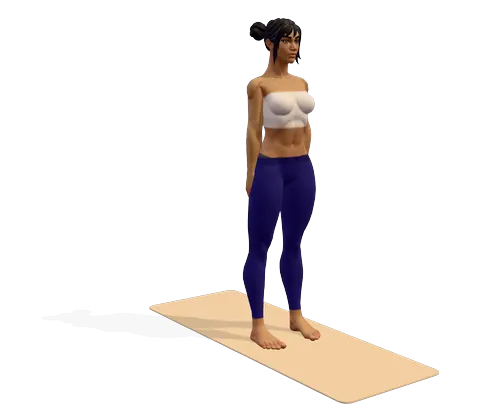 Mountain PoseTadasana
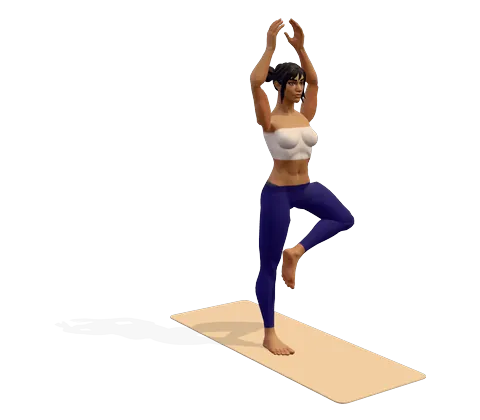 Tree PoseVrikshasana
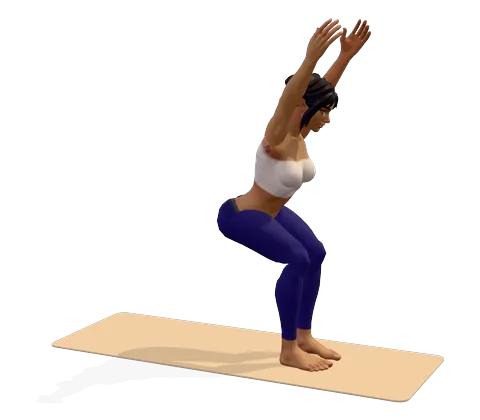 Chair PoseUtkatasana
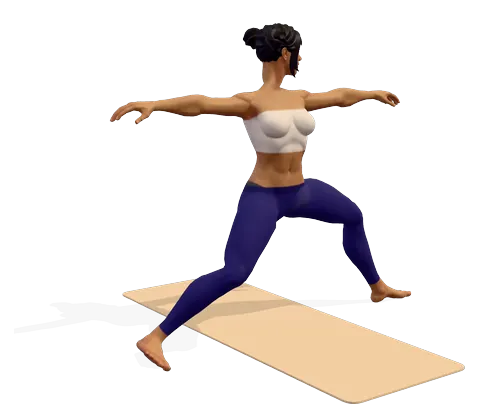 Warrior II PoseVirabhadrasana II
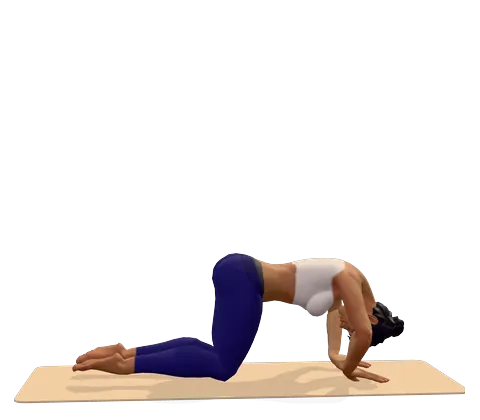 Cat PoseMarjaryasana
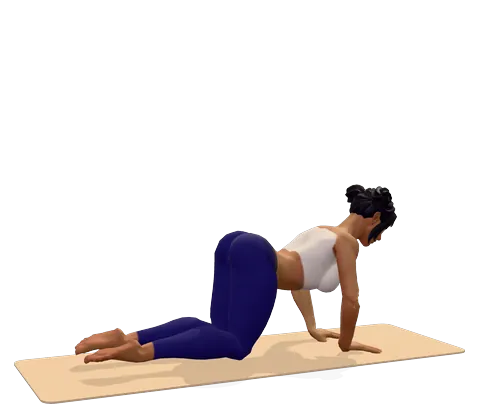 Cow PoseBitilasana
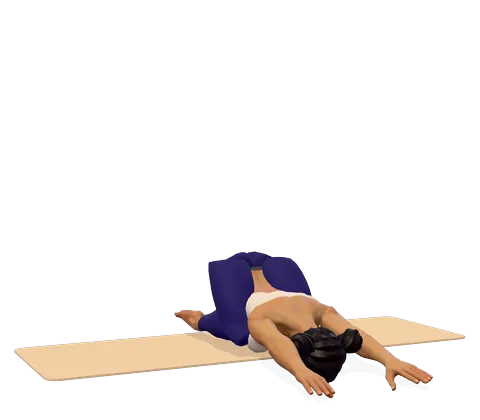 Child’s PoseBalasana
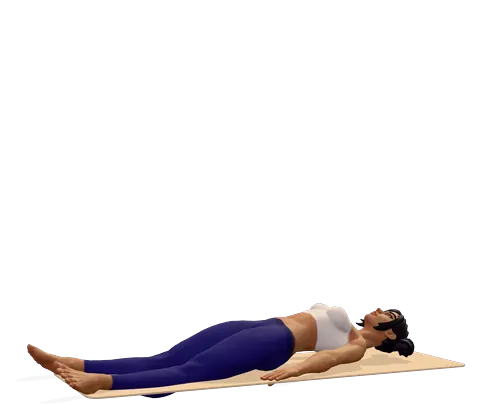 Corpse PoseSavasana
More poses that help with adhd and attention
Add these once the session above feels easy, or swap one in when a pose does not suit you.
Mudras for adhd and attention
Hold a mudra while you sit for the breathing practice or a few minutes of quiet. Mudras are a traditional practice; research on them is limited.
Breathing practice
Avoid
Long still sits for children; keep sessions short and playful. Yoga supports, it does not replace, ADHD treatment.
Emerging evidence: Small or early trials look promising.
Guided meditation for adhd and attention
Walking Meditation (10 min, voice in 28 languages) · Five-Minute Meditation (5 min, voice in 28 languages)
Yoga for ADHD works best when it respects how an ADHD brain works: short, active, varied and with clear goals. Balance poses give attention a job, strong standing poses burn off restless energy, and a few slow breaths teach a way to pause. This page covers what research shows, why each pose is in the session, how to make yoga work for children, teens and adults, and how it fits with proper ADHD care.
Can yoga help with ADHD?
It can help some symptoms, but the evidence is emerging. In a 2017 trial, 49 children with ADHD (average age about 10) did either an eight-week yoga programme (two 40-minute sessions a week) or no programme. The yoga group became more accurate and faster on attention and discrimination tests. A 2024 review of seven studies concluded that yoga shows promise as a supportive treatment for inattention, hyperactivity and anxiety in children with ADHD, but said more and better research is needed.
So is yoga good for ADHD? As an add-on, likely yes. As a replacement for medicine or behavioural therapy, no. ADHD natural remedies such as yoga, exercise, sleep and routine sit alongside treatment, not instead of it.
How yoga and exercise help ADHD
How does exercise help ADHD? Physical activity raises dopamine and noradrenaline, the same brain chemicals that many ADHD medicines act on, and a short burst of exercise can improve attention for a while afterwards. Yoga adds three extras:
- Balance needs attention. You cannot stand on one leg while your mind wanders; the body gives instant feedback.
- Body awareness. Noticing "my legs are shaking, my breath is fast" is the first step to self-control.
- A pause button. A few slow breaths become a tool to use before reacting.
This is also why yoga is good for mental health in general: it links a calmer body to a calmer mind.
Yoga poses for ADHD in the session
The session follows a pattern that works well for ADHD: stand strong, balance, move, then rest.
Mountain pose (Tadasana)
Mountain pose is the "ready" position. For kids, make it a game: "Be a mountain. Can the wind move you?" Feet planted, arms by the sides, eyes on one point.
Tree pose (Vrikshasana)
Tree pose is the star of yoga for ADHD. Look at one still spot, place one foot on the other ankle or calf (never on the knee), and hold. Wobbling is fine; noticing the wobble and coming back is the whole exercise. Use a wall at first.
Chair pose (Utkatasana)
Chair pose uses big leg muscles and burns off restless energy. Kids like counting how long they can "sit on the invisible chair".
Warrior II (Virabhadrasana II)
Warrior II is strong and steady, with the gaze over the front hand, which trains visual focus.
Cat and cow, then child's pose
Cat and cow link each movement to one breath, a simple rhythm to follow. Child's pose is the "turtle shell": a safe, quiet shape to go to whenever things feel too much.
Corpse pose (Savasana)
Keep Savasana short, one to three minutes. A weighted blanket or a soft toy on the belly to watch rise and fall helps restless bodies stay still.
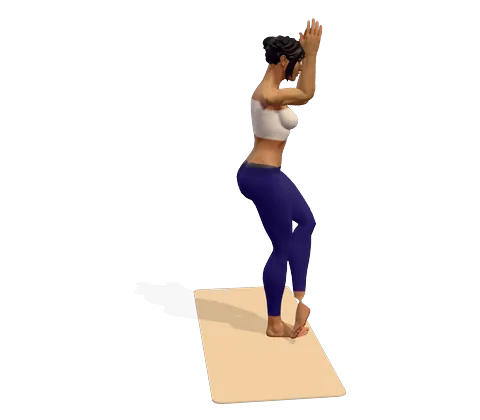
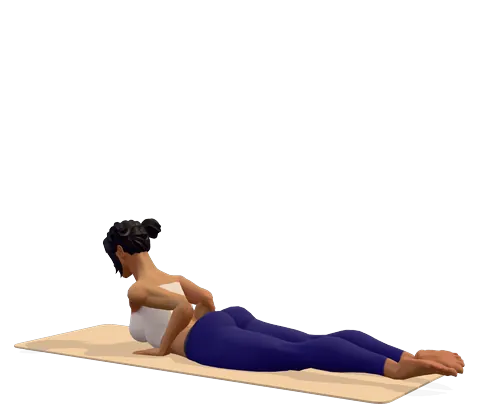
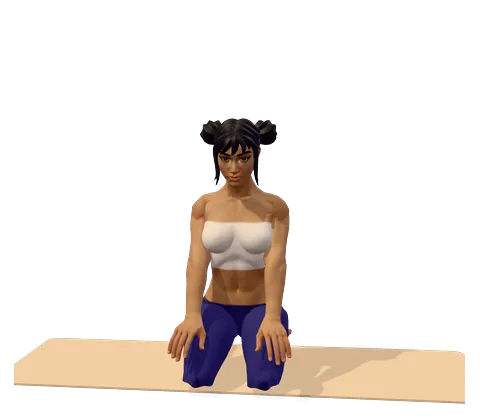
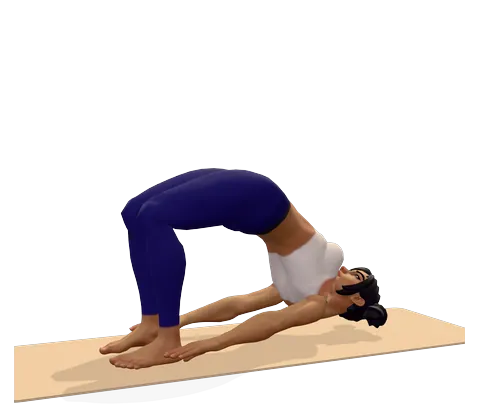
The "More poses" list adds eagle pose (a tricky balance), lion pose (a loud, funny release), cobra and bridge for variety.
Yoga for ADHD kids: how to make it work
Yoga for kids with ADHD fails when it looks like a quiet adult class. These ADHD strategies for kids make it succeed:
- Keep it short. Five to fifteen minutes. The Avoid box on this page says it clearly: no long still sits.
- Move first, calm later. Start with chair, warrior and lion, then balance, then rest.
- Use the same routine. A predictable order lowers resistance. The guided session does this for you.
- Make it a game. Animal names, "freeze" games, balance challenges and counting.
- Praise effort, not stillness. "You came back to your tree three times!"
Why these yoga exercises for children work: ADHD yoga benefits come from movement plus a clear target, so exercises for kids with ADHD should always have a goal ("hold your tree for five breaths"). The same exercises to help ADHD kids to focus double as calming yoga for children once the energy is spent. Easy yoga for children also fits into therapy activities for ADHD kids that an occupational therapist may already use, such as movement breaks and heavy work.
By age: yoga for 4 year olds and calming yoga for preschoolers means two or three animal poses and one breath game. Yoga for 8 year olds can follow the full 3D session. Yoga for ADHD teens works best when they choose the music and the pace, and when it is linked to sport or exam stress. Yoga for school children in a classroom can be two minutes of tree pose and three slow breaths between lessons. Our yoga for kids guide has more games.
How to help kids with hyperactivity at home
Parents often ask how to handle a hyperactive child or how to reduce hyperactivity in a child without a fight. Yoga is one tool among these at-home strategies:
- Movement breaks every 20–30 minutes of homework: ten jumps, then tree pose.
- A calm corner with a cushion for child's pose and a card showing humming bee breath.
- Clear, short instructions one step at a time, and routines on a picture chart.
- Enough sleep and a screen-free wind-down; relaxing yoga for children before bed helps.
If you wonder how to deal with a hyperactive toddler, keep it to copying one animal pose at a time; formal yoga comes later. These ADHD strategies for children and activities for hyperactive kids are not a diagnosis. If hyperactivity is causing problems at school and at home, ask your doctor about an ADHD assessment.
Breathing and meditation for kids with ADHD
Sitting still with eyes closed is hard with ADHD, so meditation for kids with ADHD should be active and short:
- Bhramari (humming bee breath): breathe in, hum like a bee on the out-breath. The sound gives the mind something to hold. Three to five rounds.
- Box breathing: trace a square with a finger while breathing in, hold, out, hold for four counts each. Children can shorten it to three.
The breathing timer shows a growing and shrinking ring, which is easier to follow than counting. Gyan mudra (thumb and index finger touching) gives restless hands something to do during breathing. For bedtime, Yoga Nidra for ADHD works well because a voice guides every moment, so the mind does not have to "empty".
Yoga for ADHD adults and women
Adults with ADHD often struggle with restlessness, time, and a busy mind at night. Useful ADHD exercises for adults are brisk: a 10-minute morning flow before work, a balance pose between tasks, and box breathing before meetings. The best exercise for ADHD adults is the one you actually do, so pair yoga with something you enjoy, such as running or dancing.
Meditation for adult ADHD works better with movement or sound than silence: walking meditation, humming breath, or the meditation timer set to three minutes with bells. Mindfulness exercises for ADHD do not mean an empty mind; they mean noticing you drifted and coming back, again and again.
Yoga for ADHD women can also help with how ADHD and hormones interact; symptoms often feel worse before a period and around menopause. How to manage ADHD in women still starts with diagnosis and treatment, as ADHD in women is often missed.
Yoga for ADHD and anxiety or autism
Many people with ADHD also have anxiety; slow, longer out-breaths help both. See our yoga for anxiety plan. Yoga for ADHD and autism together needs extra predictability and sensory care; our yoga for autism page explains how.
What therapy works best for ADHD?
Guidelines recommend a combination depending on age: parent training and behavioural approaches for young children, and medicine plus behavioural support, school adjustments or coaching for older children, teens and adults. Yoga, exercise, sleep and routine help what helps with ADHD work better. Never stop or change ADHD medicine without your doctor.
Yoga for ADHD side effects and safety
Yoga is low-risk. The main problems are boredom and frustration if sessions are too long or too still, and falls in balance poses, so practise near a wall and on a non-slip surface. Skip fast breathing such as Kapalbhati for children. If a child becomes very upset in quiet moments, keep eyes open and shorten rest.
Try the 3D session. Start the guided session above. Set holds to "shorter" for children, and let them rotate the 3D figure to see each pose from every side; it keeps curious minds busy.
Research behind this plan
- Chou 2017, PeerJ — 49 children with ADHD: 8 weeks of yoga (twice weekly) improved accuracy and reaction time on attention tests versus controls
- Manjunath 2024, Cureus — systematic review of 7 studies: yoga is a promising supportive treatment for children with ADHD; more research needed
Frequently asked questions
Is yoga good for ADHD?
It can help as an add-on. Small studies found yoga improved attention in children with ADHD, and a 2024 review called it promising, but the evidence is still limited. Keep medicine and therapy as your doctor advises; yoga benefits ADHD most as one of several at home remedies for ADHD symptoms, not the only one.
What are the best yoga poses for ADHD?
Balance poses such as tree pose, strong standing poses like chair and warrior II, flowing cat and cow, child's pose for calming and a short Savasana.
How long should yoga for ADHD kids be?
Five to fifteen minutes is enough. Start with active poses, then balance, then a very short rest. Use the same routine each time.
Can yoga replace ADHD medication?
No. Yoga can support focus and calm, but it does not replace medicine or behavioural therapy. Never stop medicine without your doctor.
What breathing helps ADHD?
Humming bee breath (Bhramari) and box breathing work well because they give the mind something to follow. Keep them short and playful for children.
Is yoga good for adults with ADHD?
Yes. Short, active flows, balance poses between tasks and guided rest such as Yoga Nidra suit adults with ADHD better than long silent meditation.
How can I calm a hyperactive child?
Use movement breaks, a predictable routine, a calm corner with child's pose, humming breath and enough sleep. If hyperactivity affects school or home life, ask your doctor about an assessment.
Medical note: yoga supports treatment; it does not replace it. Keep taking prescribed medicine and talk to your doctor before you start, especially with heart disease, uncontrolled blood pressure, recent surgery, pregnancy, epilepsy or severe pain. Read our medical disclaimer.