Your jaw pain (tmj) yoga plan
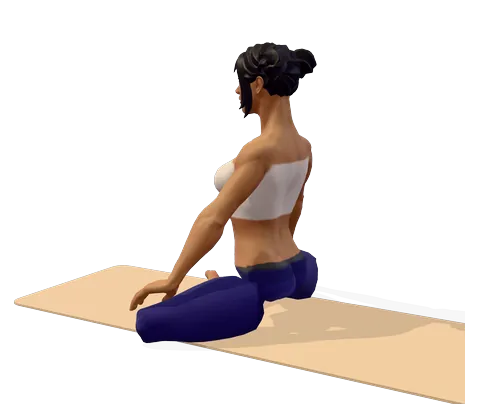 Easy PoseSukhasana
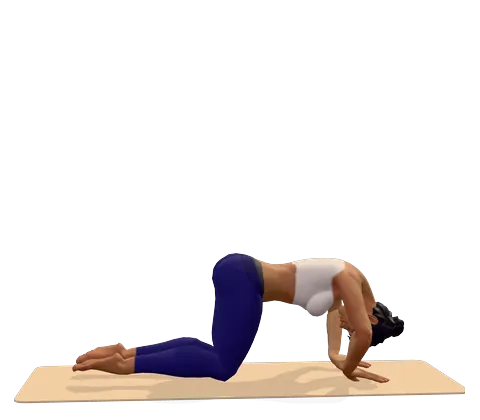 Cat PoseMarjaryasana
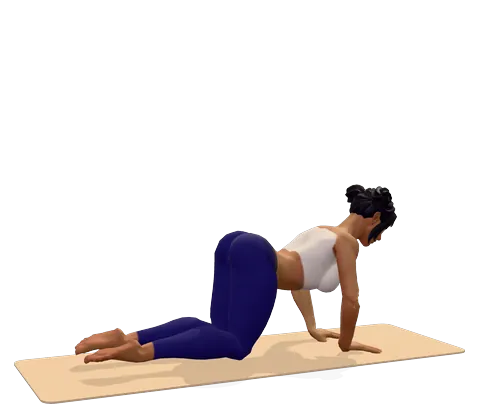 Cow PoseBitilasana
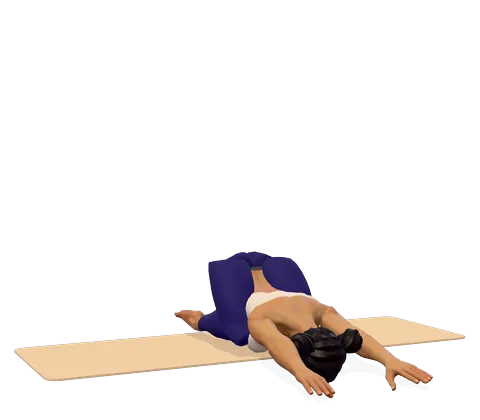 Child’s PoseBalasana
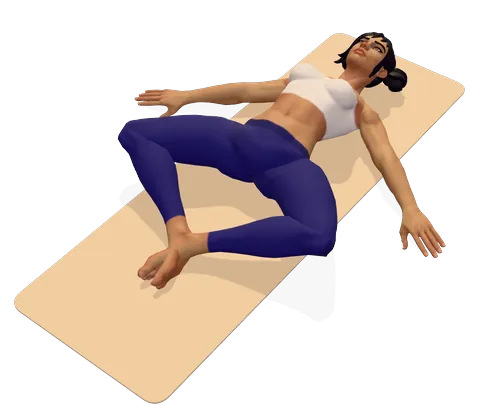 Reclining Bound Angle PoseSupta Baddha Konasana
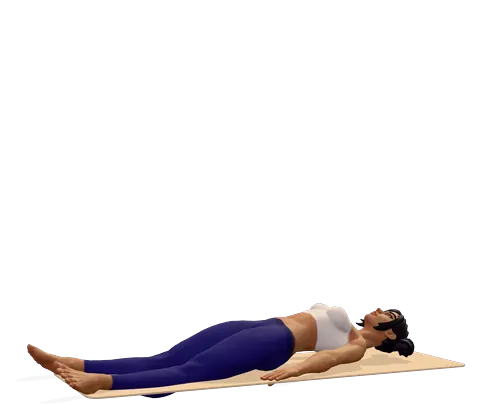 Corpse PoseSavasana
More poses that help with jaw pain (tmj)
Add these once the session above feels easy, or swap one in when a pose does not suit you.
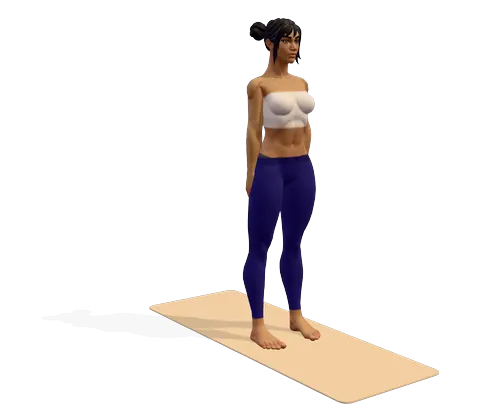 Mountain PoseTadasana
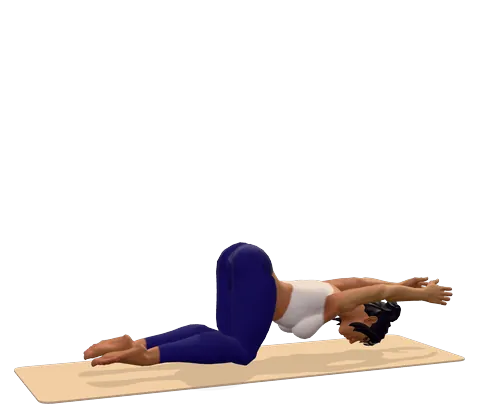 Extended Puppy PoseAnahatasana
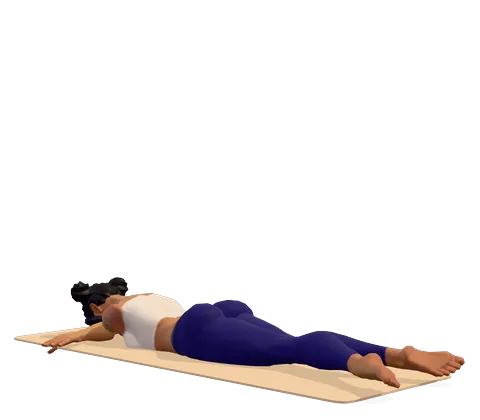 Crocodile PoseMakarasana
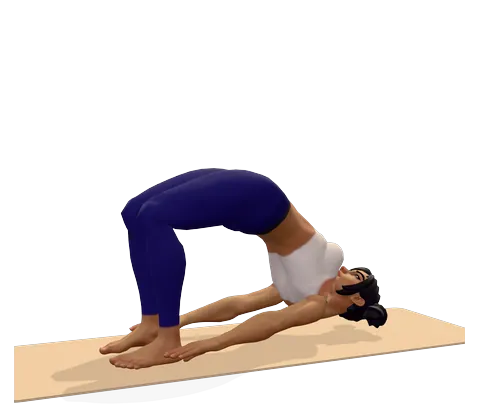 Bridge PoseSetu Bandhasana
Mudras for jaw pain (tmj)
Hold a mudra while you sit for the breathing practice or a few minutes of quiet. Mudras are a traditional practice; research on them is limited.
Breathing practice
Avoid
Lion pose and wide mouth opening while the jaw clicks or locks; see a dentist if the jaw locks or keeps hurting.
Traditional practice: Used in classical yoga therapy; few clinical trials so far.
Yoga for TMJ focuses less on the jaw itself and more on what keeps it tight: a clenched mouth, raised shoulders, a forward head and a stressed nervous system. The temporomandibular joint (TMJ) connects your lower jaw to your skull just in front of each ear. Pain there, clicking, a tired jaw or headaches around the temples are called temporomandibular disorders (TMD). Most cases settle with simple self-care, and calm yoga and breathing fit well into that self-care.
See a dentist or doctor if your jaw locks open or closed, if you cannot open your mouth normally, if pain follows an injury, or if it keeps getting worse. Jaw pain with chest pain, arm pain or shortness of breath needs emergency care, because it can be a sign of a heart problem.
How can yoga help with TMJ?
The evidence for yoga in TMJ is traditional: there are no good trials of yoga for TMJ disorder. What we do know is that stress, clenching and teeth grinding (bruxism) are closely linked to jaw pain, and that neck and shoulder tension often travels to the jaw. Yoga may help in three plain ways:
- It lowers muscle tension. Slow breathing and rest poses calm the stress response that makes you clench.
- It improves head and neck posture. When the head pokes forward, the jaw muscles work harder all day.
- It builds awareness. Many people only notice they clench once they learn what a relaxed jaw feels like.
Reviews of physical therapy for TMJ, including exercise and manual therapy, show promising but uncertain results; no treatment is backed by high-quality evidence yet. So treat yoga as a low-risk, supportive habit, not as a cure.
Yoga poses for TMJ in the guided session
These six yoga poses for TMJ make up the session on this page. None of them load the jaw; all of them release the neck, shoulders and breath.
1. Easy Pose with a soft jaw
Sit in Sukhasana on a cushion. Rest your tongue lightly on the roof of your mouth just behind your front teeth, lips together, teeth slightly apart. This is the jaw's resting position. Let the shoulders drop away from the ears and breathe through your nose.
2 and 3. Cat and Cow: neck and upper back
Cat and Cow move the spine and let the head hang and lift. In Cat, let the head drop fully and notice whether your jaw wants to clench. Keep it loose.
4. Child's Pose: let go
In Balasana, rest your forehead on a block or cushion so the jaw is not pressed against the floor. Breathe into your back and let the face soften.
5. Reclining Bound Angle: deep rest
Supta Baddha Konasana opens the chest and slows the breath. Support your knees with cushions and place a thin pillow under your head so the chin does not tip up.
6. Corpse Pose: full relaxation
In Savasana, scan the face: forehead, eyes, cheeks, tongue, jaw. Let each one soften on an exhale. A longer version is the guided Yoga Nidra.
Breathing: humming and box breathing
Bhramari (humming bee breath) is done with the lips gently closed and the teeth apart, which is exactly the relaxed jaw position. The soft vibration feels soothing around the face. Box breathing (Sama Vritti) is useful when you notice clenching during a stressful task: breathe in, hold, out and hold for equal counts. You can time it with the breathing exercise timer.
TMJ jaw relaxing exercises you can do at home
These simple tmj exercises at home are commonly given by dentists and physiotherapists. Do them slowly and without pain. Stop any exercise for jaw pain that makes clicking or pain worse.
- Resting position. Tongue on the roof of the mouth, teeth apart, lips together. Check this many times a day.
- Controlled opening. With the tongue on the roof of your mouth, slowly open the mouth only as far as the tongue can stay there, then close. Repeat 5–6 times.
- Chin tucks. Sit tall and gently draw the chin straight back, making a small double chin. Hold for a few seconds. This corrects the forward head that strains the jaw.
- Gentle massage. Place your fingertips on the chewing muscles in front of your ears and make slow circles while the jaw hangs loose. Self-massage is a simple form of massage for jaw pain and is part of TMJ massage physical therapy.
- Warmth. A warm cloth on the jaw for 10 minutes before the exercises relaxes the muscles.
These are jaw relaxing exercises, not strengthening ones. People often ask how to strengthen the TMJ, but most jaw pain comes from overworked muscles, so the aim is to relax and move freely, not to build force.
What to avoid with TMJ
- Lion Pose (Simhasana) and any wide mouth opening while the jaw clicks, catches or locks.
- Resting your chin in your hand, or lying on your front with the face turned hard to one side.
- Face yoga for TMJ that involves big, forceful facial movements. Gentle massage and relaxation are fine; strong stretching of the mouth is not.
- Chewing gum, very hard or chewy food, and biting nails or pens.
- Clenching your jaw during hard poses. If you notice it, the pose is too hard: ease off.
Yoga for TMJ has very few side effects when you follow these rules. The main risk is pushing the jaw too far open.
How to relieve jaw pain day to day
If you wonder what helps jaw pain the most, the answer is usually a mix of small habits:
- Eat soft foods and cut food into small pieces during a painful spell.
- Notice daytime clenching; set a reminder on your phone to check your jaw.
- For night-time grinding, ask your dentist about a night guard (splint).
- Improve your desk posture; the yoga for neck pain routine helps the whole area.
- Manage stress with daily breathing and good sleep; see yoga for stress relief.
When self-care is not enough, TMJ therapy may include physical therapy for jaw pain, a splint, short courses of pain medicine or, rarely, other treatment. A physio for jaw pain can check the joint and give you exercises for jaw pain on one side if only one joint hurts.
TMJ exercises and physical therapy at home
Are there exercises for TMJ that really work? The honest answer is that exercises to help with TMJ pain are low-risk and often helpful, but studies are small. A good home therapy for TMJ combines three things: relax the jaw, correct posture and calm the breath. That is also the core of most physical therapy exercises for TMJ.
A physical therapy protocol for TMJ disorder usually starts with education and these same gentle exercises, then adds hands-on massage of the jaw and neck muscles and work on posture. If your jaw problem is more of a joint dysfunction (clicking, catching, uneven opening), physical therapy for TMJ issues may include specific guided movements that are best learned in person, so ask for a referral.
If bruxism is part of the picture, the best bruxism TMJ relief exercises are the ones you do many times a day in a few seconds: check the resting position, drop the shoulders, take one slow breath. The yoga moves to relieve jaw pain on this page (Child's Pose, humming breath, body scan) are best done in the evening, when the day's tension has built up. They also give you a small mental health benefit: most people feel calmer afterwards.
So, how to ease jaw pain and how to alleviate TMJ symptoms quickly? Warmth, soft food, a relaxed jaw position, gentle massage and slow breathing. How to relieve TMJ at home over the longer term? Practise these exercises most days for a few weeks and track whether the pain eases.
TMJ, headaches and ear pain
TMJ problems often cause headaches at the temples and pain that feels like it is in the ear. The same routine eases both: relax the jaw muscles, release the neck and slow the breath. Tmj headache relief exercises are the chin tucks, massage and Bhramari above. If headaches are frequent or severe, read yoga for migraine and headache and see a doctor, because not every headache comes from the jaw. Ear pain with fever, discharge or hearing loss needs a doctor.
जबड़े के दर्द (TMJ) के लिए योग — हिंदी में जबड़े का दर्द अक्सर तनाव, दांत भींचने और गर्दन की अकड़न से होता है। सुखासन में जीभ को तालू पर रखें, दांत थोड़े अलग और होंठ बंद रखें। भ्रामरी प्राणायाम, बालासन और शवासन से जबड़ा और मन दोनों शांत होते हैं। सिंहासन और मुंह ज़्यादा खोलने से बचें। अगर जबड़ा अटक जाए या दर्द बढ़ता रहे तो दंत चिकित्सक को दिखाएं।
Research behind this plan
- Armijo-Olivo 2016, Phys Ther — systematic review: exercise and manual therapy for TMD show promising but uncertain effects; no high-quality evidence
- NCCIH — Yoga: what you need to know (safety and evidence overview)
Frequently asked questions
Can yoga help TMJ?
Yoga may help by lowering stress, reducing clenching and improving neck posture, which are common drivers of jaw pain. There are no strong trials of yoga for TMJ, so use it alongside advice from your dentist or physiotherapist.
What are the best yoga poses for TMJ pain?
Gentle, calming poses: Easy Pose with a relaxed jaw, Cat and Cow, Child’s Pose with the head supported, Reclining Bound Angle and Corpse Pose, plus Bhramari humming breath.
How do I relax my jaw at night?
Do a few minutes of Bhramari and a body scan before bed, place your tongue on the roof of your mouth with the teeth apart, and ask your dentist about a night guard if you grind your teeth.
Which exercises should I avoid with TMJ?
Avoid Lion Pose, wide yawning or mouth stretches, chewing gum, and any exercise that makes the jaw click, catch or hurt more.
How long does TMJ pain take to settle?
Many episodes improve within a few weeks with self-care such as soft food, rest, warmth and gentle exercises. See a dentist if it lasts longer, keeps coming back or the jaw locks.
Is face yoga good for TMJ?
Gentle facial relaxation and self-massage can help. Forceful face yoga with wide mouth movements can strain a sore joint, so skip those.
Can neck posture cause jaw pain?
Yes. A forward head posture makes the jaw muscles work harder. Chin tucks and the neck and shoulder poses in this session help both the neck and the jaw.
Medical note: yoga supports treatment; it does not replace it. Keep taking prescribed medicine and talk to your doctor before you start, especially with heart disease, uncontrolled blood pressure, recent surgery, pregnancy, epilepsy or severe pain. Read our medical disclaimer.