Your parkinson’s disease yoga plan
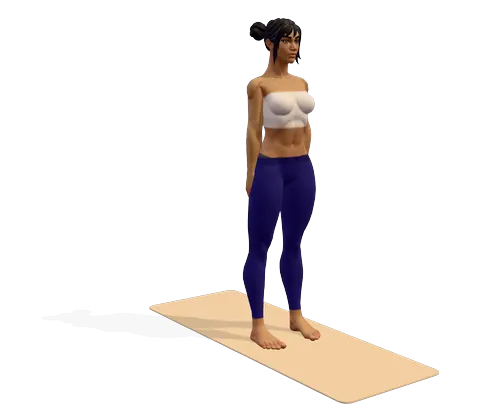 Mountain PoseTadasana
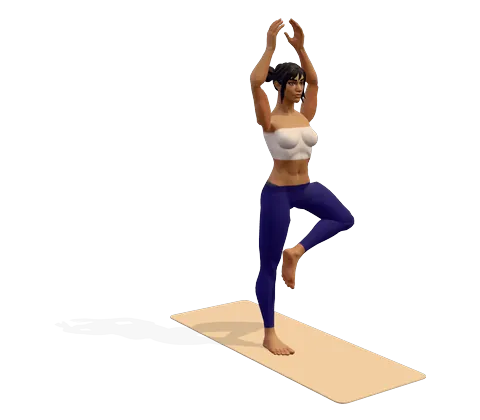 Tree PoseVrikshasana
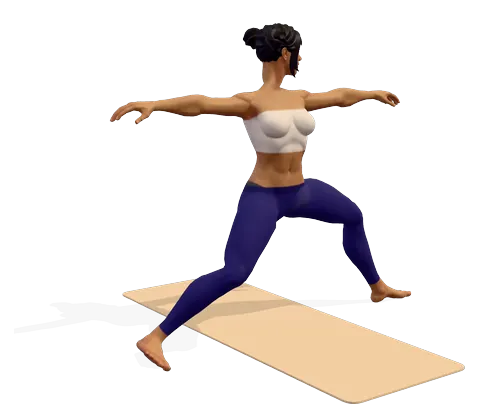 Warrior II PoseVirabhadrasana II
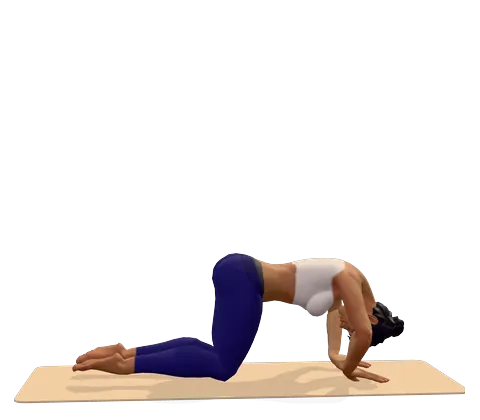 Cat PoseMarjaryasana
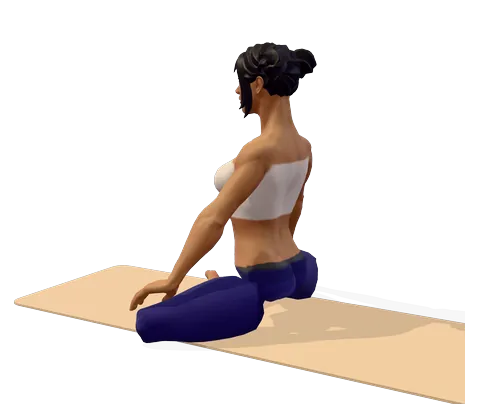 Easy PoseSukhasana
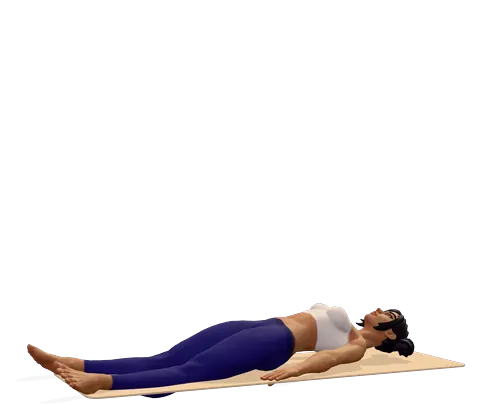 Corpse PoseSavasana
More poses that help with parkinson’s disease
Add these once the session above feels easy, or swap one in when a pose does not suit you.
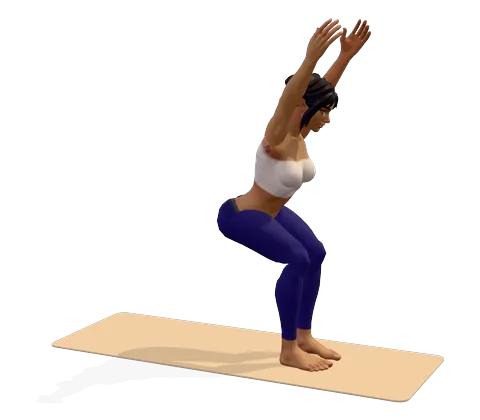 Chair PoseUtkatasana
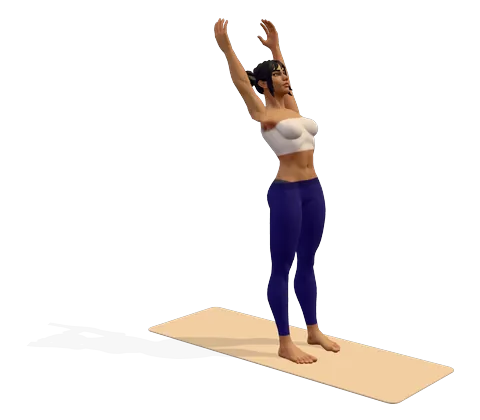 Raised Arms PoseHasta Uttanasana
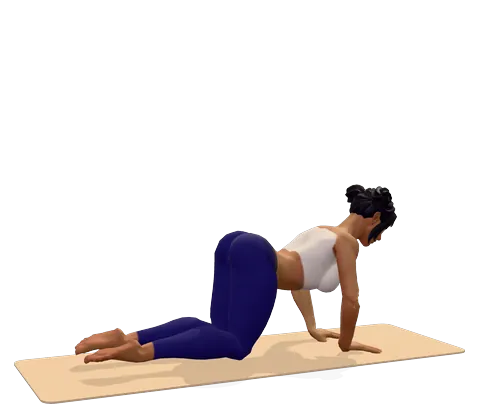 Cow PoseBitilasana
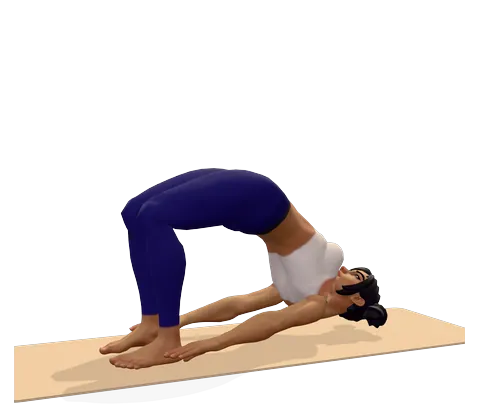 Bridge PoseSetu Bandhasana
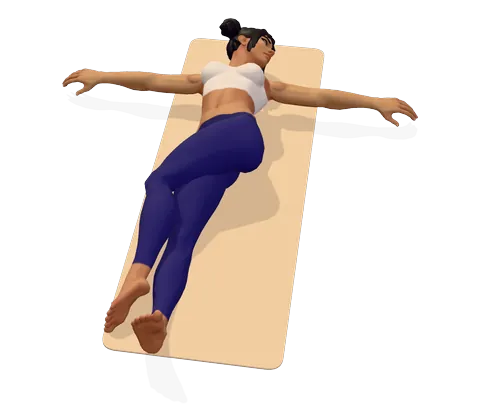 Supine Spinal TwistSupta Matsyendrasana
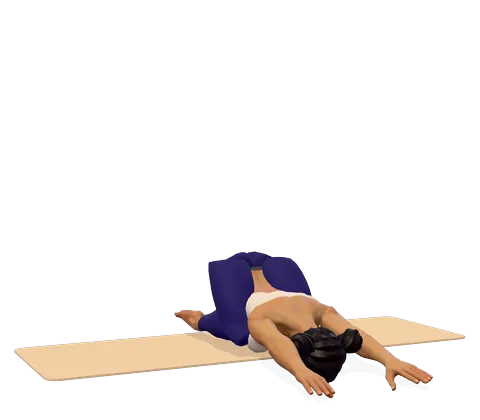 Child’s PoseBalasana
Mudras for parkinson’s disease
Hold a mudra while you sit for the breathing practice or a few minutes of quiet. Mudras are a traditional practice; research on them is limited.
Breathing practice
Avoid
Balance poses without a wall or chair to hold.
Emerging evidence: Small or early trials look promising.
Guided meditation for parkinson’s disease
Breath Awareness Meditation (10 min, voice in 28 languages) · Body Scan Meditation (15 min, voice in 28 languages)
Yoga for Parkinson’s disease is a slow, supported way to work on the things Parkinson’s makes harder: balance, stiffness, a stooped posture, shallow breathing and worry. This page explains how yoga may help, what the research says so far, and how to do each pose in the plan above safely — with a chair or a wall for every standing pose. It is written for people with Parkinson’s at home and for the family members who practise with them, and it works as a gentle form of Parkinson’s disease yoga therapy between visits to your care team.
Yoga adds to your Parkinson’s care; it does not replace it. Keep taking your medicines exactly as prescribed and ask your neurologist or physiotherapist before you start, especially if you have fallen in the last year.
Is yoga good for Parkinson’s disease?
For many people with mild to moderate Parkinson’s, yes — as one part of an active week. Parkinson’s disease and yoga fit together because yoga trains several skills at once:
- Balance and posture. Standing poses teach you to spread your weight evenly and stand tall, which counters the forward stoop that often comes with Parkinson’s.
- Stiffness (rigidity). Slow stretches and gentle spinal movement keep the trunk, hips and shoulders moving through their full range.
- Big, deliberate movement. Reaching the arms wide and stepping the feet apart practises the large movements that Parkinson’s tends to shrink.
- Breathing and voice. Slow belly breathing and humming work the breathing muscles and can make speaking feel less effortful.
- Mood and anxiety. Anxiety and low mood are common with Parkinson’s. Calm breathing, rest and meditation give your nervous system a break.
What the research says about yoga and Parkinson’s
The evidence is emerging: the trials are promising but small, short and mostly in people with mild to moderate disease. In a randomised trial in Hong Kong with 138 people with Parkinson’s, eight weeks of mindfulness yoga improved movement and mobility as much as a stretching and resistance-training programme, and the yoga group also had less anxiety and depression. A 2021 meta-analysis that pooled 10 trials with 359 participants found better motor scores, balance, functional mobility, mood and quality of life with yoga than with control groups. The US National Center for Complementary and Integrative Health (NCCIH) summarises the research the same way: yoga may help mobility, balance and quality of life in mild-to-moderate Parkinson’s.
So the benefits of yoga for Parkinson’s disease are real but modest. What yoga does not do: there is no evidence that it slows the disease, replaces medicine or works as an exercise to prevent Parkinson disease. Treat it as training, not treatment.
Before you start: a safe set-up at home
- Practise when your medicines are working well (your “on” time), usually 30–60 minutes after a dose.
- Use a sturdy chair without wheels, placed against a wall so it cannot slide. Keep a second chair or a kitchen counter within reach for the standing poses.
- Clear the floor of rugs and cables, wear non-slip socks or go barefoot, and have someone nearby for your first sessions.
- Rise slowly. Some Parkinson’s medicines, and Parkinson’s itself, can make blood pressure drop when you stand. Sit for a few breaths before standing up.
- Freezing? If your feet “stick”, stop, stand tall, shift your weight to one side and step to a count or a beat.
Chair yoga for Parkinson’s: the plan, pose by pose
These are the yoga postures (asanas) for Parkinson’s disease in the plan above, each with a chair or wall version. Start with the supported version for the first two weeks, even if you feel steady. Seated yoga for Parkinson’s is a complete practice, not a lesser one.
1. Mountain pose — stand tall and “think big”
Mountain pose (Tadasana) is the base of every standing pose. Stand with your back lightly touching a wall, feet hip-width apart. Press evenly through both feet, lift the breastbone and let the back of the head move toward the wall. Then reach both arms up and out wide, as big as you can, and lower them slowly. Chair version: sit near the front of the chair, feet flat, and grow tall from the hips to the crown.
2. Tree pose — balance with a wall
Tree pose (Vrikshasana) trains single-leg balance, which matters for walking and turning. Stand side-on to a wall or chair and keep one hand on it throughout. Rest the heel of one foot against the other ankle, toes on the floor like a kickstand. Only lift the foot higher if you are steady. Chair version: sit and place one foot on the opposite shin, or simply lift one heel and hold. Never practise tree pose without something to hold — that is the main thing to avoid in this plan.
3. Warrior II — wide, strong legs
Warrior II (Virabhadrasana II) builds leg strength and a wide base of support. Hold the back of a chair with one hand, step the feet wide, turn the front foot out and bend the front knee a little over the ankle. Reach the free arm out long. Chair version: sit sideways on the chair, front thigh on the seat, back leg stretched behind you, and open both arms wide.
4. Cat–cow — move the stiff spine
Cat pose (Marjaryasana) with cow pose gently rounds and arches the spine. If getting down to the floor is easy, work on hands and knees. Chair version: sit tall, hands on knees; breathe in and lift the chest (cow), breathe out and round the back (cat). Move with the breath 6–8 times.
5. Easy pose — sit, breathe, twist gently
Easy pose (Sukhasana) is where you do your breathing. Sit cross-legged on a firm cushion, or stay on your chair. Add a gentle twist: one hand to the opposite knee, turn from the ribs, hold for three breaths, then change sides.
6. Corpse pose — rest, and get up safely
Corpse pose (Savasana) ends every session. Lie on your back with a pillow under your knees and head, or recline in an armchair. To get up, bend your knees, roll onto your side, push up with your hands and sit for a few breaths before standing.
Breathing practice and meditation for Parkinson’s disease
Bhramari (humming bee breath) suits Parkinson’s well: breathe in through the nose, then hum on a long, slow out-breath. The humming gives the breathing muscles and voice gentle work and tends to feel calming. Add two minutes of slow belly breathing with the breathing exercise timer. Skip fast or forceful breathing. For deeper rest, a short guided Yoga Nidra lying down is a good form of meditation for Parkinson’s disease on tired days.
What exercises are good for Parkinson disease besides yoga?
Yoga works best as part of a mixed week. The benefits of exercise for Parkinson’s are clearest when people stay active most days, so the best exercise for Parkinson disease is the mix you will actually keep doing:
- Aerobic exercise — brisk walking, cycling or dancing. Some people, with their doctor’s approval, add high-intensity exercise for Parkinson’s, such as fast cycling.
- Strengthening exercises for Parkinson’s — sit-to-stand from a chair, wall push-ups, step-ups, light weights.
- Dynamic balance exercises for Parkinson’s — stepping in different directions, turning, walking heel to toe beside a counter. These balance activities for Parkinson’s patients also suit balance exercises for seniors with Parkinson’s, as long as a counter is within reach.
- Big movement training — LSVT BIG is a therapy programme in which physiotherapists teach big exercises for Parkinson’s disease: large, exaggerated steps and arm swings (“think big”). The wide arms in mountain pose and warrior II follow the same idea.
A physiotherapist can turn these into therapeutic exercises for Parkinson’s disease that match your stage, and check how you move. The best home exercises for Parkinson’s patients are simple and regular, so the good exercises for people with Parkinson’s disease on this page need only a chair, a wall and a few minutes. How to help Parkinson’s with exercise at home: pick a fixed time, practise with someone, and log each session in My Practice to keep a streak going.
Sample weekly routine for Parkinson’s
| Day | Practice | Time |
|---|---|---|
| Monday | Guided session on this page (chair versions) + Bhramari | 15–20 min |
| Tuesday | Brisk walk or cycling; 10 sit-to-stands | 20–30 min |
| Wednesday | Standing poses at the wall, big arm reaches, cat–cow | 15 min |
| Thursday | Parkinson daily standing exercises: side steps and turns beside a counter | 10–15 min |
| Friday | Guided session + slow belly breathing | 15–20 min |
| Saturday | Walk, dance or a physiotherapy programme | 20–30 min |
| Sunday | Rest, or Yoga Nidra and gentle stretching | 10–20 min |
Build your own chair version with the sequence builder, or see yoga for seniors and chair yoga for more supported poses.
What to avoid and when to call a doctor
- Avoid balance poses with nothing to hold, fast flows, hot rooms and getting up quickly from the floor.
- Skip poses that press on the neck (headstand, shoulder stand, plough).
- Stop and sit down if you feel dizzy, faint or unusually breathless.
Get medical help if you have a fall with a head injury, feel faint when you stand, or notice sudden changes in movement, swallowing, thinking or hallucinations. Call emergency services for chest pain, severe breathlessness, or sudden weakness or numbness on one side of the body, a drooping face or slurred speech.
पार्किंसन रोग के लिए योग (yoga for Parkinson disease in Hindi): कुर्सी या दीवार का सहारा लेकर योग करें, ताकि गिरने का खतरा न रहे। ताड़ासन, वृक्षासन और वीरभद्रासन से संतुलन और मुद्रा बेहतर हो सकती है, और भ्रामरी प्राणायाम से मन शांत होता है। छोटे अध्ययनों में योग से चलने-फिरने, संतुलन और चिंता में सुधार दिखा है। अपनी दवाइयाँ बंद न करें और शुरू करने से पहले अपने न्यूरोलॉजिस्ट से पूछें।
Start the guided Parkinson’s session
Instead of a yoga for Parkinson disease video, this page has a 3D guide you can rotate to see each pose from any angle, with voice in 28 languages. There are no live yoga classes for Parkinson’s here, so go at your own pace: choose the shorter hold time, keep your chair beside you and start the guided session at the top of this page.
Research behind this plan
- Kwok 2019, JAMA Neurology — 8 weeks of mindfulness yoga improved motor symptoms and mobility as much as stretching and resistance training, with extra reductions in anxiety and depression
- Ban 2021, Behavioural Neurology — meta-analysis of 10 trials (359 people): yoga improved motor function, balance, mobility, anxiety, depression and quality of life
- NCCIH, Yoga: What You Need To Know — yoga may help mobility, balance and quality of life in mild-to-moderate Parkinson’s disease
Frequently asked questions
Is yoga good for Parkinson’s disease?
Small trials suggest yoga can improve balance, mobility, anxiety, low mood and quality of life in mild to moderate Parkinson’s. It works best alongside medicine, walking and strength training, and it does not slow the disease.
What are the best yoga poses for Parkinson’s patients?
Mountain pose at a wall, tree pose holding a chair, warrior II, seated cat–cow, easy pose with a gentle twist and corpse pose. Each has a chair version so you can practise seated.
Can I do chair yoga for Parkinson’s if my balance is poor?
Yes. Seated yoga for Parkinson’s works the same muscles and breathing without the risk of falling. Use a sturdy chair without wheels, placed against a wall.
How often should people with Parkinson’s do yoga?
Two or three short sessions a week, with walking or other exercise on most other days, is a realistic start. Practise during your “on” time when your medicine works best.
What exercises are good for Parkinson disease?
A mix of aerobic exercise, strength work (such as sit-to-stands), balance training and large “think big” movements. A physiotherapist can tailor physiotherapy exercises for Parkinson’s to your stage.
Can exercise prevent Parkinson disease?
No exercise, including yoga, is proven to prevent Parkinson’s disease. Staying active is good for your health in general and helps people who already have Parkinson’s move better.
Is there meditation for Parkinson’s disease?
Yes. Short breathing practices such as Bhramari, guided Yoga Nidra and a few minutes of quiet sitting can ease anxiety. Mindfulness yoga was the approach used in one of the larger trials.
Is yoga safe for people with Parkinson’s beginners?
Gentle yoga is generally safe for beginners with Parkinson’s when every standing pose is supported by a chair or wall, you rise slowly, and someone is nearby at first. Ask your neurologist before starting.
Medical note: yoga supports treatment; it does not replace it. Keep taking prescribed medicine and talk to your doctor before you start, especially with heart disease, uncontrolled blood pressure, recent surgery, pregnancy, epilepsy or severe pain. Read our medical disclaimer.