Your postpartum recovery yoga plan
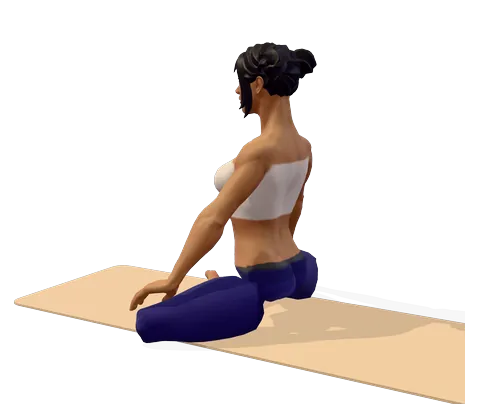 Easy PoseSukhasana
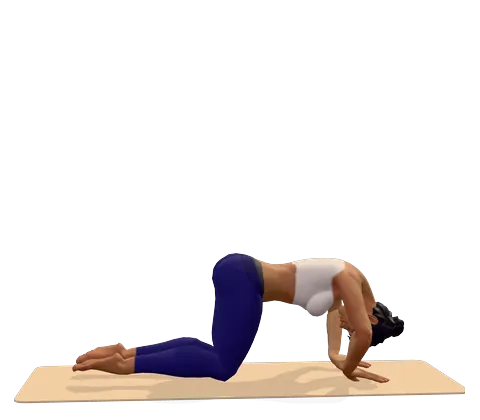 Cat PoseMarjaryasana
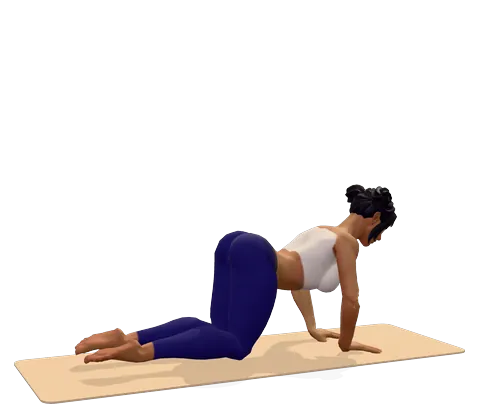 Cow PoseBitilasana
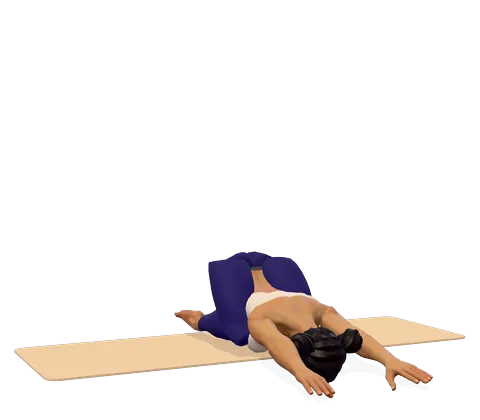 Child’s PoseBalasana
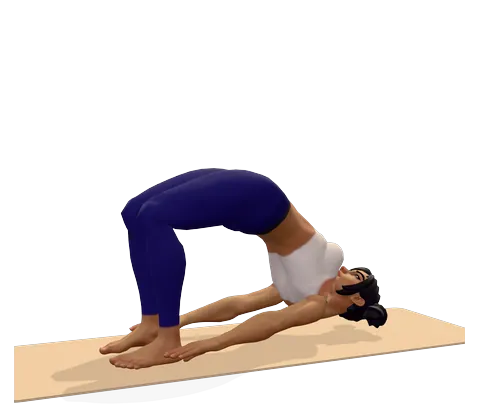 Bridge PoseSetu Bandhasana
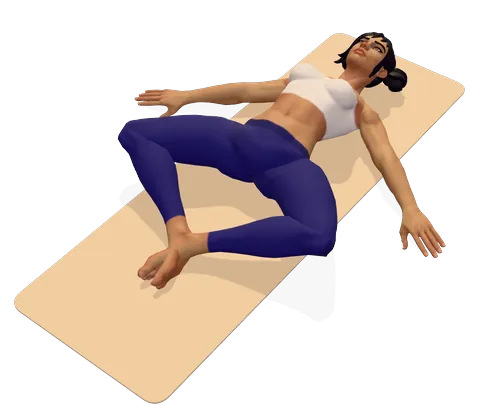 Reclining Bound Angle PoseSupta Baddha Konasana
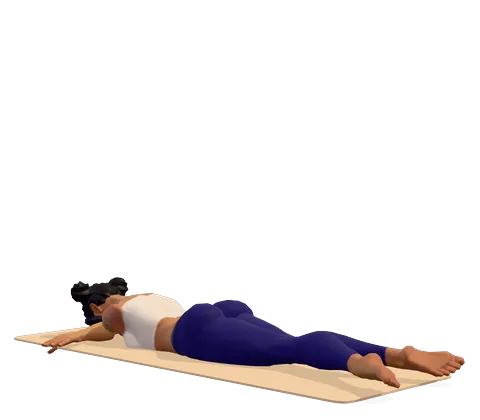 Crocodile PoseMakarasana
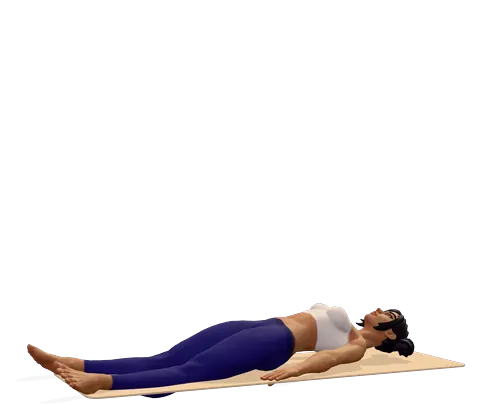 Corpse PoseSavasana
More poses that help with postpartum recovery
Add these once the session above feels easy, or swap one in when a pose does not suit you.
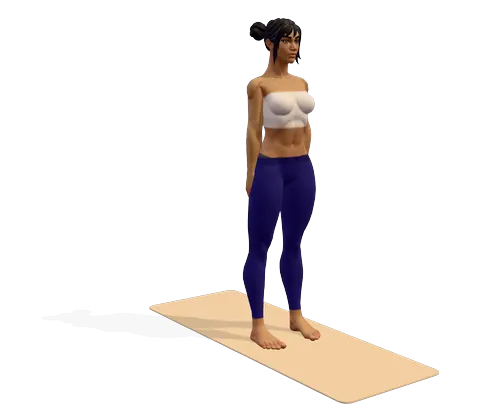 Mountain PoseTadasana
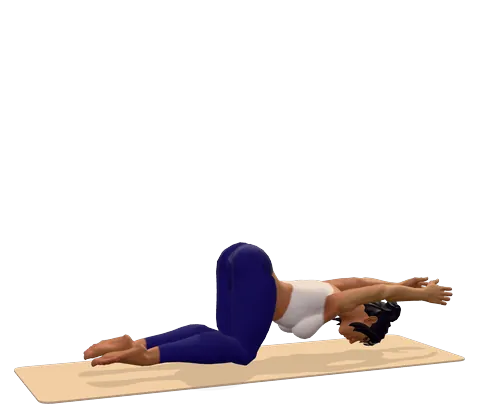 Extended Puppy PoseAnahatasana
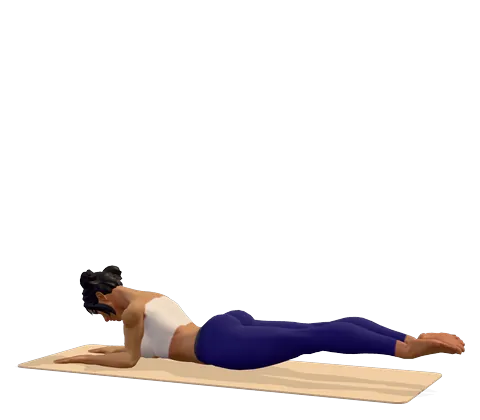 Sphinx PoseSalamba Bhujangasana
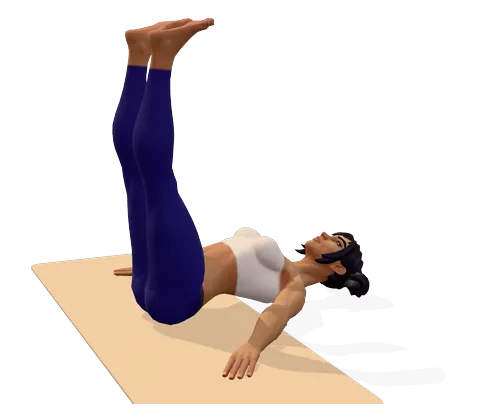 Legs-Up-the-Wall PoseViparita Karani
Mudras for postpartum recovery
Hold a mudra while you sit for the breathing practice or a few minutes of quiet. Mudras are a traditional practice; research on them is limited.
Breathing practice
Avoid
Crunches, planks and strong core work until your doctor clears you (often 6 weeks, longer after a C-section or with a gap in the tummy muscles).
Emerging evidence: Small or early trials look promising.
Postnatal yoga is gentle yoga for the weeks and months after giving birth, built around breathing, posture and slow rebuilding of the deep core and pelvic floor. It is not about "getting your body back" fast. This page explains when to start, why each pose in the guided session is there, how to protect a C-section scar and a tummy gap, and what the research says. Always get your doctor's or midwife's OK before you begin.
What is postnatal yoga?
Postnatal yoga (also called postpartum yoga) is a set of low-impact yoga postnatal exercises chosen for a body that has just carried and delivered a baby. After birth, the abdominal wall is stretched, the pelvic floor is tired or injured, the ligaments are still softer than usual, and sleep is short. The postnatal yoga meaning, in plain terms, is: move a little, breathe well, and rebuild strength from the inside out.
It differs from prenatal yoga in its aims: the benefits of prenatal yoga are about preparing for birth, and prenatal yoga poses protect the bump, while postnatal yoga helps the body recover. Many people who did prenatal and postnatal yoga find the breathing familiar, which makes the return easier.
When can you start yoga after delivery?
Most people can begin gentle breathing and pelvic floor squeezes within days of an uncomplicated birth. Fuller yoga poses after delivery usually wait until your postnatal check, often around six weeks. Your own timing depends on how the birth went, any stitches or tears, bleeding and how you feel.
Can I do yoga after normal delivery?
Yes, gradually. After a vaginal birth without complications, many doctors are happy for you to do very gentle floor work in the first weeks and to build up after your six-week check. Stop if bleeding gets heavier or turns bright red again, if you feel pain in stitches, or if you notice a heavy, dragging feeling in the vagina.
When to start yoga after C-section
A caesarean is major abdominal surgery, so yoga after C-section needs more patience. Clearance often comes later than six weeks, and full core work can take several months. Early on, walking, breathing and gentle pelvic tilts are enough. The same rule applies to pilates after C-section and any working out after C-section: build up only once the wound has healed and your doctor agrees.
Wait for your doctor's OK. This is the most important rule of postnatal yoga. Your doctor, midwife or a women's health physiotherapist knows how your birth went and can tell you when to start and what to avoid.
Check for a tummy gap before core work
Many people have a gap between the two strips of the "six-pack" muscle after pregnancy, called diastasis recti. It usually narrows over the first weeks, but it changes what core exercises after C-section or vaginal birth are safe.
- Lie on your back, knees bent, feet flat.
- Place your fingertips flat just above your belly button, pointing towards your feet.
- Lift your head a little and feel for a gap or a soft dip between the muscles.
- Check below the belly button too.
If you feel a gap wider than about two fingers, or a ridge that bulges ("doming") when you lift your head, skip crunches, sit-ups, planks and full push-ups and ask for a physiotherapy check. Physical therapy after C-section or with a large gap is very effective. Ab exercises after C-section should start with breathing and deep core activation, not crunches.
Postnatal yoga poses in the guided session
The session uses eight gentle yoga poses for postpartum recovery. None loads the belly, and all can be made smaller.
Easy pose (Sukhasana)
Easy pose is where you start and settle your breath. Sit on a folded blanket or cushion so your knees are lower than your hips. After stitches or a tear, sit on a soft ring or on a chair instead.
Cat and cow (Marjaryasana and Bitilasana)
Cat and cow move the spine gently after months of a changing posture. Round up as you breathe out and softly draw your lower belly in; let the belly relax on the in-breath without sagging deep into cow. It is one of the kindest C-section recovery exercises once you can kneel comfortably.
Child's pose (Balasana)
Child's pose rests the back and shoulders that ache from feeding and carrying. Keep your knees wide so there is no pressure on your belly or a scar. Place a pillow under your chest if your breasts are tender. (In Hindi, the baby pose yoga is called Balasana: "bala" means child.)
Bridge pose (Setu Bandhasana)
Bridge wakes up the buttocks and back of the legs, which support the pelvis. Lift only as high as feels easy, and breathe out as you rise. After a caesarean, start with small pelvic tilts before a full lift.
Reclining bound angle (Supta Baddha Konasana)
This supported pose opens the chest and hips while you rest. Put pillows under both knees, so there is no strain on the pelvic floor or inner thighs.
Crocodile pose (Makarasana)
Lying on your front with your head on your folded arms lets the belly breathe against the floor. It often feels good after the first weeks, but skip it if your breasts are sore or a scar is tender, and rest on your side instead.
Corpse pose (Savasana)
Rest is part of the practice. A few minutes of Savasana, even with a baby asleep beside you, counts. Bend your knees if your lower back aches.
The "More poses" list adds mountain pose for posture, extended puppy for the upper back, sphinx and legs up the wall for tired legs, once you feel ready.
Deep core and pelvic floor breathing
The safest core exercise after a C-section or vaginal birth is a breath. Lie on your back with knees bent. Breathe in and let your belly and ribs widen. Breathe out and gently lift the pelvic floor (as if stopping wind) and draw your lower belly towards your spine. Relax fully on the next in-breath. Do up to ten a few times a day. Our pelvic floor yoga page explains this in more detail.
Use the same "breathe out, then lift" habit in daily life: lifting after a C-section, getting up from bed and picking up your baby all go more smoothly with it. Do not hold your breath or bear down when you lift.
How to lie down and get up after a C-section
People often ask how to lay down after a C-section without pain. Use the "log roll": sit on the edge of the bed, lower yourself onto your side using your arms, then roll onto your back with knees bent, moving shoulders and hips together. To get up, roll onto your side, drop your legs over the edge and push up with your arms. A pillow held against the scar helps when you cough or laugh. This same log roll is how to come out of the floor poses in this session.
Is postnatal yoga beneficial? What the research says
Is yoga good for post pregnancy recovery? The evidence is emerging and mostly from small studies. A 2015 randomised trial in 57 women with postpartum depression found that those who did yoga improved more in depression, anxiety and quality of life than women on a wait-list. Other small studies suggest benefits for sleep, stress and back pain, but none prove that yoga speeds up healing.
So is postnatal yoga beneficial? Likely yes. The main postpartum yoga benefits are a low-risk way to move, breathe and rest, and better posture after months of feeding and carrying. It supports, not replaces, medical postnatal care.
Yoga for postpartum depression and low mood
The "baby blues" in the first two weeks are common. Low mood, anxiety or numbness that lasts longer, or feeling unable to cope, may be postnatal depression, which is common and treatable. Yoga for postpartum depression can help as part of care: slow breathing such as Bhramari (humming bee breath) and Nadi Shodhana without breath holds calm the nervous system. See also yoga for depression.
Get help now if you have thoughts of harming yourself or your baby. Contact your doctor, midwife or local emergency number straight away. Also call your doctor about fever, heavy bleeding, a red or leaking scar, calf pain or swelling, or chest pain.
Postnatal yoga with baby
You do not need a quiet hour. Postnatal yoga with baby can mean lying on your back with your baby on your chest for belly breathing, or doing cat and cow with your baby on a blanket under you, making faces. Doing yoga stuff with my baby, as one mother put it, is "ten minutes, three interruptions and still worth it". Keep your baby out of the way of anything that tips your balance.
A simple postnatal yoga plan
| Stage | What to do | Avoid |
|---|---|---|
| First weeks | Belly breathing, pelvic floor squeezes, short walks, easy pose | Any core work, lifting anything heavier than your baby |
| After your doctor's OK (often ~6 weeks; later after a C-section) | The guided session on this page, 10–15 minutes, 3–4 times a week | Crunches, planks, deep twists, jumping |
| Months 3–6 | Add longer holds, mountain pose, legs up the wall, the guided sessions for back and neck | High-impact work until your pelvic floor feels strong |
Evening practice suits many parents: a few minutes of yoga before going to bed, or a short Yoga Nidra rest while the baby naps, can help you settle faster.
Returning to exercise after a C-section or birth
Returning to exercise after a C-section works best in steps: breathing and walking, then gentle yoga, then strength work, then running or jumping. A common guide is to wait at least three months before high-impact exercise, and to see a women's health physiotherapist first if you leak urine, feel heaviness or still have a tummy gap. When exercising after a C-section, core exercises post C-section come before any after delivery yoga exercises that load the belly. Online postnatal yoga can help, but choose one that asks about your birth and checks for diastasis.
डिलीवरी के बाद योग (postnatal yoga meaning in Hindi) — प्रसव के बाद शरीर को धीरे-धीरे ठीक करने वाला हल्का योग। डॉक्टर की अनुमति के बाद ही शुरू करें — आमतौर पर लगभग 6 हफ्ते, सिज़ेरियन के बाद और देर से। सुखासन, मार्जरी आसन, बालासन और सेतुबंधासन से शुरुआत करें, और पेट की मांसपेशियों में गैप हो तो क्रंच या प्लैंक न करें। भ्रामरी प्राणायाम मन को शांत करता है। खून ज़्यादा आए या टाँकों में दर्द हो तो तुरंत डॉक्टर से मिलें।
Ready when you are. Once you have your doctor's OK, start the guided 3D session above. Set the hold time to "shorter" for the first weeks, and stop whenever your baby needs you.
Research behind this plan
- Buttner 2015, Complementary Therapies in Clinical Practice — randomised trial in 57 women with postpartum depression: yoga improved depression, anxiety and quality of life more than a wait-list
- NCCIH (US National Institutes of Health) — Yoga: what you need to know, including safety
Frequently asked questions
When can I start postnatal yoga?
Gentle breathing and pelvic floor squeezes can usually start within days of an uncomplicated birth. Most people wait for their postnatal check, often around six weeks, before a full session. After a C-section it is often later. Ask your doctor or midwife first.
Is yoga safe postpartum?
Gentle yoga is generally safe once your doctor agrees. Avoid crunches, planks, deep twists and strong core work until you have been cleared and checked for a tummy gap, and stop if bleeding increases or you feel pain or heaviness.
When to start yoga after C-section?
Usually after your doctor clears you, which is often later than six weeks. Start with breathing, pelvic tilts and walking, and add the poses on this page slowly. Deep core work can take several months.
What core exercises are safe after a C-section?
Start with breathing: breathe out, lift the pelvic floor and gently draw the lower belly in. Add small pelvic tilts and bridge. Leave crunches, sit-ups and planks until a physiotherapist or doctor says your tummy muscles have healed.
Can postnatal yoga help postpartum depression?
A small randomised trial found that yoga improved depression and anxiety in women with postpartum depression. Yoga can be a helpful addition, but postnatal depression needs medical care. Talk to your doctor about how you feel.
Can I do postnatal yoga with my baby?
Yes. Your baby can lie beside or under you during floor poses, or on your chest for belly breathing. Keep poses low and stable, and pause whenever your baby needs you.
What should I avoid after delivery?
Heavy lifting, crunches, planks, jumping, deep twists and holding your breath while lifting. Also avoid lying on your front if your breasts or scar are sore.
Medical note: yoga supports treatment; it does not replace it. Keep taking prescribed medicine and talk to your doctor before you start, especially with heart disease, uncontrolled blood pressure, recent surgery, pregnancy, epilepsy or severe pain. Read our medical disclaimer.