Your plantar fasciitis and heel pain yoga plan
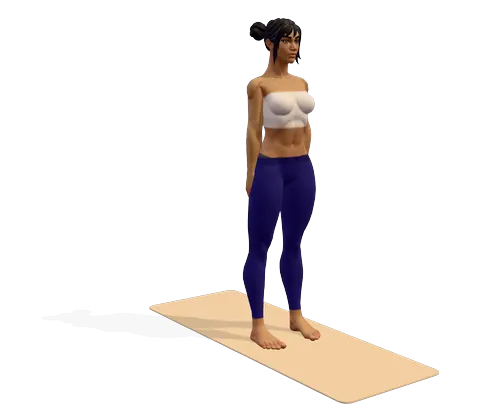 Mountain PoseTadasana
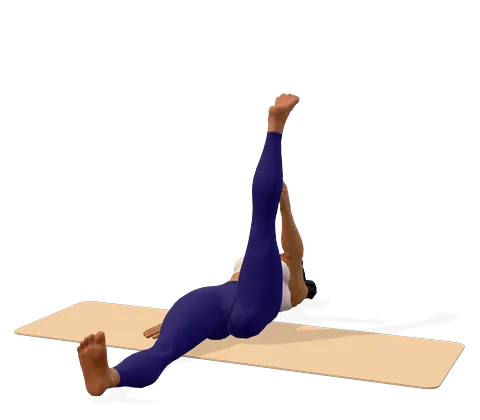 Reclining Hand-to-Big-Toe PoseSupta Padangusthasana
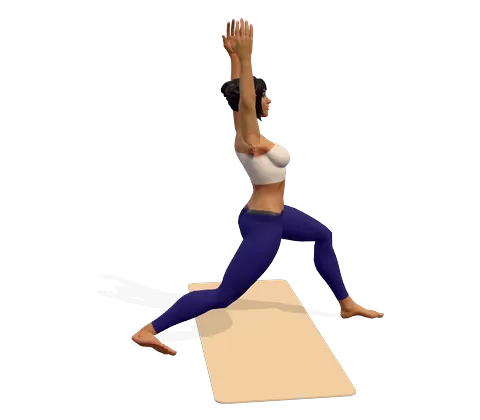 Warrior I PoseVirabhadrasana I
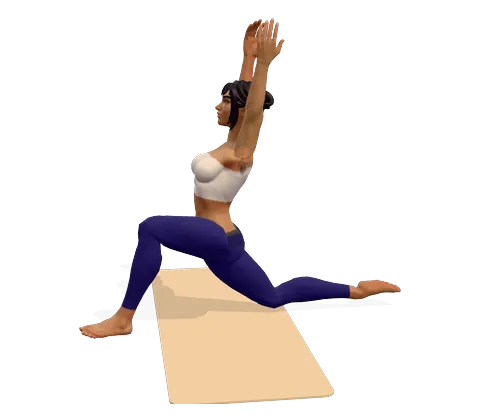 Low Lunge PoseAnjaneyasana
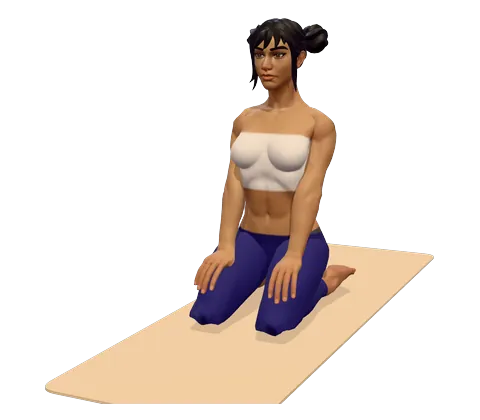 Thunderbolt PoseVajrasana
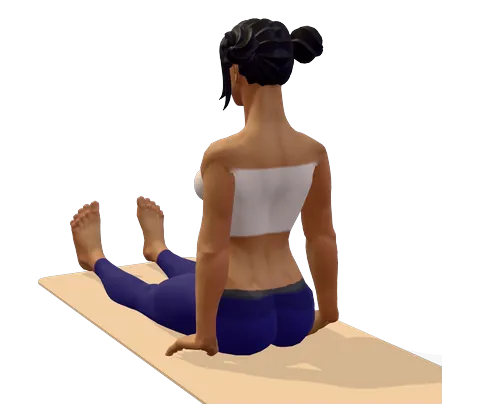 Staff PoseDandasana
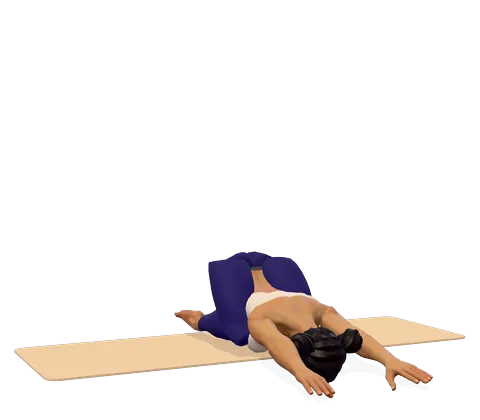 Child’s PoseBalasana
More poses that help with plantar fasciitis and heel pain
Add these once the session above feels easy, or swap one in when a pose does not suit you.
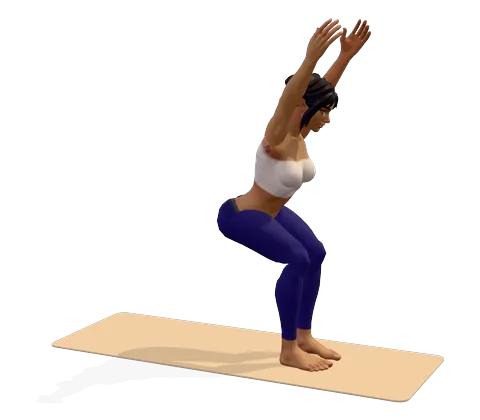
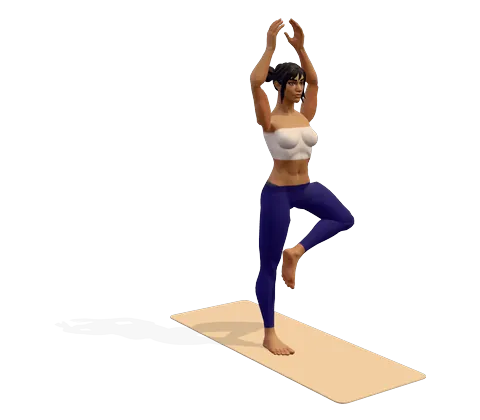
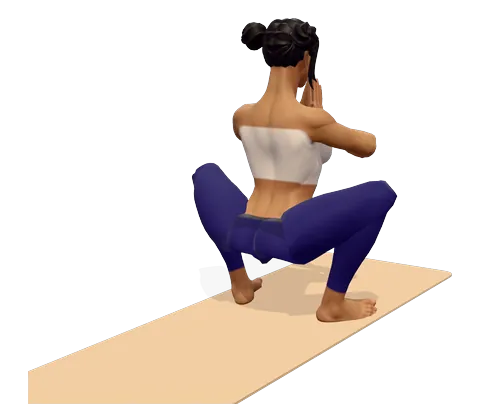
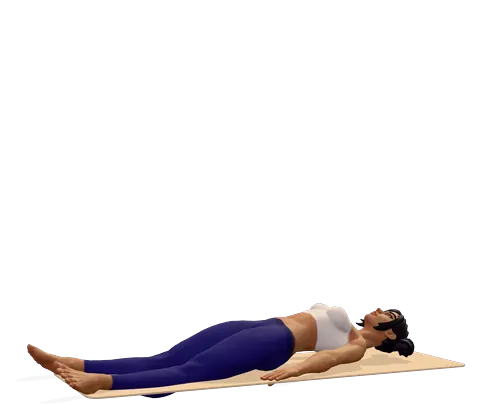
Mudras for plantar fasciitis and heel pain
Hold a mudra while you sit for the breathing practice or a few minutes of quiet. Mudras are a traditional practice; research on them is limited.
Breathing practice
Avoid
Long standing holds and jumping while the heel is sore; ease into kneeling so the soles are not overstretched.
Traditional practice: Used in classical yoga therapy; few clinical trials so far.
Yoga for plantar fasciitis focuses on what physiotherapists already recommend for heel pain: gently stretching the calf and the sole of the foot, strengthening the small foot muscles, and taking load off the heel while it heals. The poses in the plan above are simple and can be done at home. This page explains how they help, how to do yoga with plantar fasciitis without making it worse, and what else speeds recovery.
What is plantar fasciitis?
The plantar fascia is a thick band of tissue that runs under your foot from the heel bone to the toes, supporting the arch. When it is overloaded, it becomes irritated and painful where it attaches to the heel. The classic sign is sharp heel pain with the first steps in the morning or after sitting, which eases a little as you walk and then aches again after a long day on your feet.
Common causes include tight calf muscles, a sudden increase in walking or running, long hours of standing on hard floors, unsupportive shoes, and extra body weight. It is common in adults between 40 and 60, and in runners.
Does yoga help with plantar fasciitis?
Yoga has not been tested directly for plantar fasciitis, which is why this page is marked "traditional practice". What yoga offers is a calm, regular way to do the stretches that are used in standard care. The NHS lists gentle stretching of the sole and heel among its self-care steps, along with rest, ice, supportive shoes and low-impact exercise.
Research on stretching itself is mixed. A 2011 systematic review of six trials could not show that stretching beats other treatments, but found a hint that stretching the plantar fascia directly helped more in the short term than stretching the Achilles tendon alone. In short: stretching is a sensible, low-risk part of care, not a guaranteed fix. Is yoga good for plantar fasciitis? Yes, as one part of a plan.
Yoga poses for plantar fasciitis: why each one is in the plan
These yoga stretches for plantar fasciitis target the calf, the Achilles tendon and the sole. Move slowly and aim for a steady stretch, never sharp heel pain.
Mountain pose: even weight
In Mountain pose, spread your toes and feel your weight evenly across the heel, the base of the big toe and the base of the little toe. Lift the arches slightly without gripping. This teaches your foot to share the load, rather than pressing it all into the heel. Keep this pose short while the heel is sore.
Reclining hand-to-big-toe with a strap: the calf stretch lying down
Reclining Hand-to-Big-Toe pose with a yoga strap for plantar fasciitis is one of the most useful stretches here. Lie on your back, loop a strap or towel around the ball of your foot and gently draw the toes towards you with the leg raised. You stretch the calf, Achilles and sole with no weight on the heel.
Warrior I and Low Lunge: calf stretch standing
In Warrior I, the back heel presses down and stretches the calf of the back leg. Shorten your stance so the heel reaches the floor comfortably. Low Lunge with the back toes tucked under stretches the sole of the back foot. Both work much like the physio wall calf stretch.
Thunderbolt pose: stretching the top of the foot and ankle
Thunderbolt pose (kneeling, sitting on the heels) stretches the front of the ankles. Ease into kneeling slowly with a folded blanket under your shins, and sit on a block if your feet complain. For a sole stretch, you can try a brief version with the toes tucked under, only if comfortable.
Staff pose: flexing the feet
Sit in Staff pose with your legs straight and gently flex your feet, pulling the toes back towards you. Add a strap around the balls of the feet for more stretch. This is a simple, seated stretch for plantar fasciitis heel pain.
Child's pose: rest
End in Child's pose, with a blanket under the ankles if the tops of the feet feel stretched.
Toe yoga and foot exercises for heel pain
"Toe yoga" is a simple set of foot exercises that strengthen the small muscles in the arch. Plantar fasciitis strengthening exercises like these support the fascia:
- Big toe lift: sitting with your feet flat, lift only your big toes while the other toes stay down. Then press the big toes down and lift the other four.
- Toe spread: spread all your toes wide, hold for a few seconds, relax.
- Towel scrunch: scrunch a towel towards you with your toes.
- Arch roll: gently roll the sole over a ball or a cold water bottle for a minute.
Do yoga toes help plantar fasciitis? Toe-separator products (sometimes sold as "yoga toes") are not well studied for plantar fasciitis. They are unlikely to harm, but active foot exercises and calf stretches are a better use of your time.
Yoga for plantar fasciitis for beginners
If you are new to yoga, start with the lying and seated plantar fasciitis yoga exercises (the strap stretch, Staff pose and toe yoga) and add the standing poses after a week or two. These yoga exercises for plantar fasciitis are gentle enough for beginners, and the 3D guide shows each one slowly. For arch pain, stretches for plantar fasciitis that pull the toes back towards the shin reach the arch best. The yoga for plantar fascia work in this plan is also an easy remedy for heel pain with exercises you can do at a desk: exercises to relieve heel pain like toe lifts and ankle circles need no mat at all. Doing a short exercise for heel pain relief after long periods of sitting helps too.
A 5-minute morning routine for heel pain
Heel pain is often worst with the first steps of the day, so stretch before you get out of bed:
- Point and flex both feet slowly ten times.
- Loop a towel around the ball of one foot and gently pull the toes towards you for about 30 seconds; repeat on the other side.
- Massage the sole with your thumbs for a minute.
- Sit on the edge of the bed and do a few big toe lifts before standing.
Repeat the strap stretch and a gentle standing calf stretch two or three more times through the day. These simple stretches for plantar fasciitis at home work best when done little and often.
Can you do yoga with plantar fasciitis? What to avoid
Yes, and most classes can be adapted. Is yoga bad for plantar fasciitis? Only if you ignore your heel. Take care with:
- Long standing holds and long balance poses on the sore foot.
- Jumping in and out of poses, and fast flows.
- Deep kneeling with the toes tucked, which can overstretch a sore sole; ease in slowly.
- Practising barefoot on hard floors with a thin mat; use a thicker mat or fold it.
How to relieve heel pain: what else helps
Stretching is only one part. Following NHS self-care advice, you can also:
- Rest the foot and raise it; cut back on long walks and standing where you can.
- Use an ice pack wrapped in a towel for up to 20 minutes every 2 to 3 hours.
- Wear shoes with cushioned heels and good arch support, and avoid flip-flops, high heels and walking barefoot on hard floors.
- Choose low-impact activity like swimming or cycling while it heals.
- Lose weight if you are carrying extra, which reduces load on the heel.
If it is not getting better, physical therapy for heel pain can add taping, insoles and a structured programme of physio exercises for plantar fasciitis.
See a doctor if the pain is severe or stops you doing normal activities, has not improved after about two weeks of self-care, keeps coming back, or you have tingling or numbness in the foot. If you have diabetes and foot pain, get your foot checked promptly.
How to avoid plantar fasciitis coming back
Keep your calves flexible with the strap stretch a few times a week, build up walking or running distances gradually, replace worn-out shoes, and keep up toe yoga to strengthen the arch. If you stand at work, shift your weight often and stand on a soft mat. For overall lower-body strength, yoga for knee pain has more gentle standing poses, and yoga for beginners explains the basics.
एड़ी के दर्द के लिए योग — हिंदी में सुबह बिस्तर से उठने से पहले तौलिये से पैर के पंजे को अपनी ओर खींचें। दिन में पट्टे के साथ सुप्त पादांगुष्ठासन, वीरभद्रासन 1, अंजनेयासन और दंडासन में पैर मोड़ना करें। दर्द रहते लंबे समय तक खड़े रहना और कूदना न करें, और अच्छे गद्देदार जूते पहनें। दो हफ़्ते में आराम न मिले तो डॉक्टर को दिखाएँ।
Practise with the 3D guide
Start the session at the top of this page and choose the "shorter" hold time while your heel is sore. Rotate the 3D teacher to see the back heel press down in Warrior I, and turn on the Body guide to see the calves glow as they stretch. The voice guides you in 28 languages. Finish with a few rounds of Anulom Vilom, and build your own foot-friendly routine in the sequence builder.
Research behind this plan
- Sweeting 2011, Journal of Foot and Ankle Research — systematic review of 6 trials: stretching not clearly better than other treatments; plantar fascia-specific stretching may help more than Achilles stretching in the short term
- NHS — Plantar fasciitis: stretching, rest, ice, shoes, and when to see a GP
Frequently asked questions
Is yoga good for plantar fasciitis?
Yoga can be a helpful part of care because it includes the calf and foot stretches used for heel pain. It has not been tested directly for plantar fasciitis, so use it alongside rest, good shoes and other self-care.
What are the best stretches for plantar fasciitis?
A towel or strap stretch pulling the toes towards you, a standing calf stretch with the heel down, and gentle sole massage are the most common. Studies suggest stretching the sole directly may help more than calf stretches alone in the short term.
Can you do yoga with plantar fasciitis?
Yes. Avoid long standing holds, jumping and deep toe-tucked kneeling while the heel is sore, use a thicker mat, and favour lying and seated stretches.
Do yoga toes help plantar fasciitis?
Toe-separator products have little research behind them for heel pain. Active toe exercises (toe yoga), such as lifting the big toe on its own, and calf stretches are more useful.
How long does plantar fasciitis take to heal?
Many people improve within weeks with self-care, but it can take several months. See a doctor if it has not improved after about two weeks, or if it is severe.
How can I relieve heel pain quickly at home?
Rest and raise the foot, use ice for up to 20 minutes, wear cushioned, supportive shoes, and do a gentle towel stretch before your first steps in the morning.
Why is heel pain worse in the morning?
The plantar fascia tightens overnight, so the first steps stretch it suddenly. Stretching the foot and calf before getting out of bed often makes those first steps easier.
Medical note: yoga supports treatment; it does not replace it. Keep taking prescribed medicine and talk to your doctor before you start, especially with heart disease, uncontrolled blood pressure, recent surgery, pregnancy, epilepsy or severe pain. Read our medical disclaimer.