Your varicose veins yoga plan
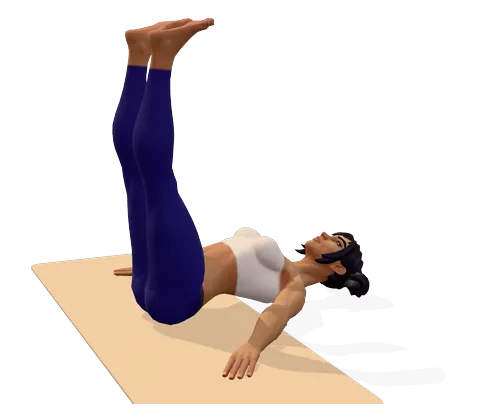 Legs-Up-the-Wall PoseViparita Karani
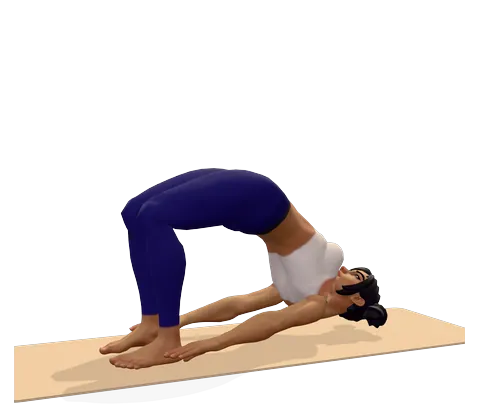 Bridge PoseSetu Bandhasana
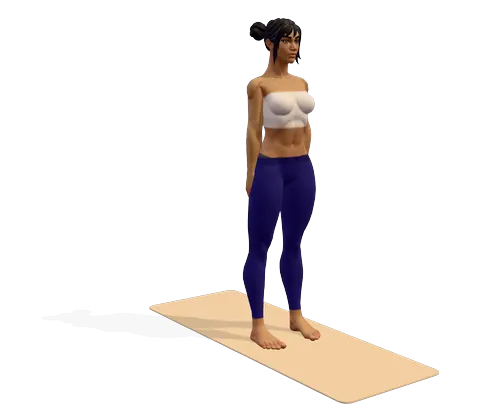 Mountain PoseTadasana
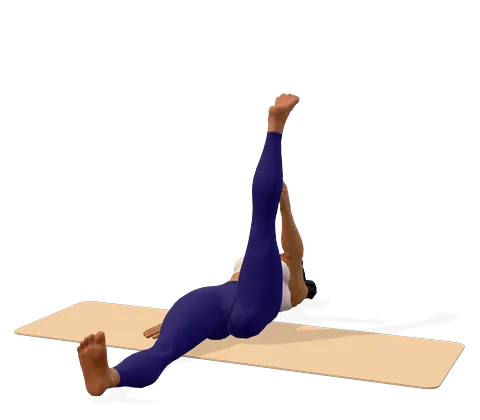 Reclining Hand-to-Big-Toe PoseSupta Padangusthasana
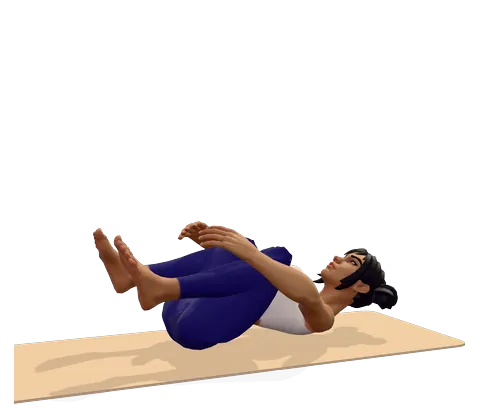 Wind-Relieving PosePavanamuktasana
More poses that help with varicose veins
Add these once the session above feels easy, or swap one in when a pose does not suit you.
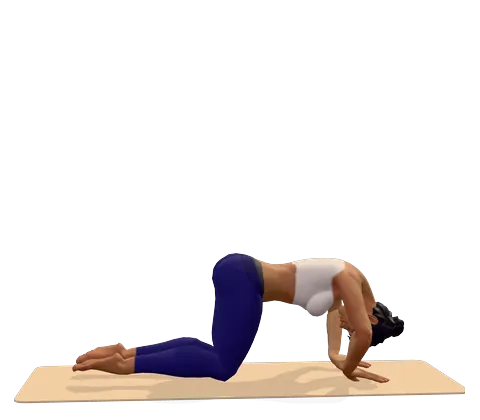 Cat PoseMarjaryasana
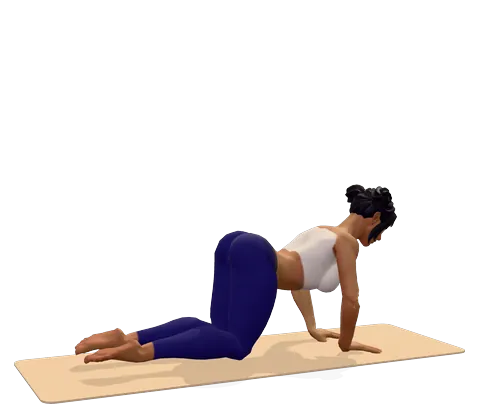 Cow PoseBitilasana
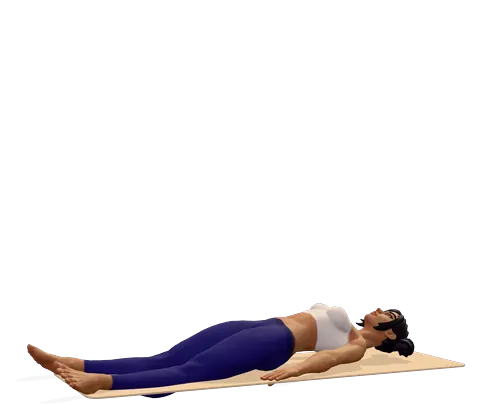 Corpse PoseSavasana
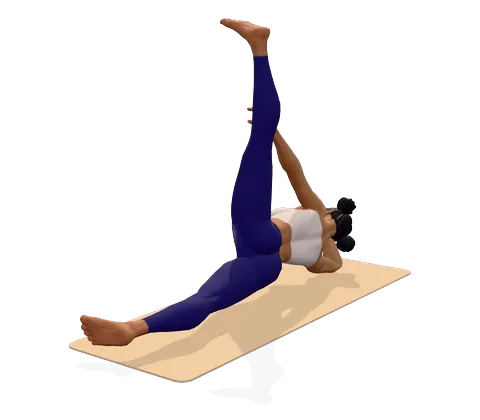 Side-Reclining Leg LiftAnantasana
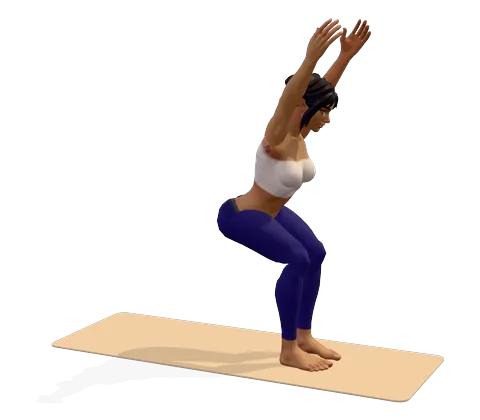 Chair PoseUtkatasana
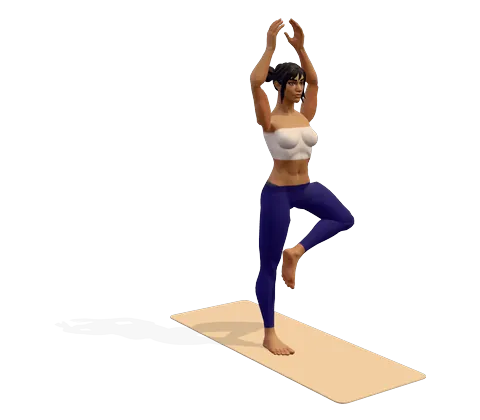 Tree PoseVrikshasana
Mudras for varicose veins
Hold a mudra while you sit for the breathing practice or a few minutes of quiet. Mudras are a traditional practice; research on them is limited.
Breathing practice
Avoid
Standing still for long holds; keep moving.
Traditional practice: Used in classical yoga therapy; few clinical trials so far.
Yoga for varicose veins uses two simple ideas: let gravity help blood flow back from your legs by raising them, and use your calf and thigh muscles as a pump by moving them. That can ease the heavy, aching, swollen feeling many people get by evening. It will not make visible veins disappear, and it works best together with walking, compression stockings if your doctor suggests them, and medical treatment when needed.
How yoga may help varicose veins
Veins carry blood back to the heart. In the legs, small valves stop blood from falling back down. In varicose veins these valves are weak, so blood pools, and the veins become swollen, twisted and often achy. Long standing or sitting, pregnancy, extra weight and age all make it worse.
- Raising the legs above the heart, as in legs-up-the-wall pose, lets blood drain back with gravity. The NHS recommends putting your legs up when you can.
- Moving the calves squeezes the deep veins like a pump. Heel raises, ankle pumps and walking are the best leg exercises for varicose veins for this reason.
- Slow, deep breathing changes pressure in the chest and belly with each breath, which is thought to help blood return to the heart.
Is yoga good for varicose veins? It is a safe, gentle way to ease symptoms for most people. It is not a cure: damaged valves do not repair themselves, so no exercises or yoga can cure varicose veins or reduce the veins you can see. Exercises are remedies for the symptoms of varicose veins, not the veins themselves. Still, you can ease varicose veins symptoms and improve how your legs feel day to day.
What the research says
This page is rated traditional practice, but two small trials from India are worth knowing about:
- A 2023 randomised trial in 50 people with uncomplicated varicose veins (46 finished) combined yoga with naturopathy. Leg heaviness and a varicose vein symptom questionnaire improved, along with blood pressure and a marker of inflammation. Because yoga was combined with other treatments, we cannot say how much came from the yoga itself.
- A 2024 randomised trial in 100 male factory workers with chronic venous insufficiency (a related problem often linked to long standing) compared 12 weeks of yoga, 6 days a week, with lifestyle advice. The yoga group had fewer symptoms and a better vein severity score, although ankle and calf size did not change. No serious side effects were reported in either trial.
These are encouraging but small studies. Relief for varicose veins by yoga should be seen as symptom support alongside the standard advice: regular exercise such as walking, raising your legs, avoiding long periods of standing still, not smoking and, if suitable, compression stockings.
Best yoga poses for varicose veins, step by step
These yoga asanas for varicose veins are the poses in your plan above. If you are new to yoga, these poses for varicose veins suit beginners, and each has an easier version.
Legs-up-the-wall pose (Viparita Karani)
Sit sideways next to a wall, swing your legs up it and lie back in Viparita Karani. Stay 5–10 minutes, breathing slowly. This is the single most useful pose for tired legs. Easier: rest your calves on a chair seat or a pile of cushions instead of the wall. Take care: skip it with glaucoma (it raises eye pressure), and ask your doctor first if you have heart failure.
Bridge pose (Setu Bandhasana)
Lie on your back, knees bent, and lift your hips in Setu Bandhasana. Press through your heels to work the back of the legs, then lower slowly. Repeat 5–8 times rather than holding for long. Easier: a block under the sacrum for a supported version.
Mountain pose (Tadasana) with heel raises
Stand tall in Tadasana, then rise onto your toes and lower slowly, 10–20 times. This calf pump is one of the best exercises for varicose veins in legs and can be done at a desk or in a queue. Easier: hold a chair or the wall. Avoid standing still for long holds.
Reclining hand-to-big-toe pose (Supta Padangusthasana)
Lie down and raise one leg with a strap around the foot in Supta Padangusthasana. With the leg up, point and flex the foot 10 times, then circle the ankle. Keep the knee soft if your hamstrings are tight.
Wind-relieving pose (Pavanamuktasana)
Hug your knees towards your chest in Pavanamuktasana and rock gently. It moves the hips and gets you comfortable on your back before the legs-up pose.
Breathing practice for circulation
Anulom Vilom (alternate nostril breathing) is slow and calming, and a good partner for legs-up-the-wall pose. Practise 5 minutes with long, smooth breaths into the belly. Avoid breath holding and straining, which raise pressure in the belly and legs.
Sample weekly routine and timing
Short and often beats long and rare. Practise the lying poses on a fairly empty stomach, about 2 hours after a main meal; a walk after meals is fine and helpful.
| When | Practice |
|---|---|
| Every hour at work | 2 min: 15 heel raises, 10 ankle pumps each side, a short walk |
| Mon, Wed, Fri | Guided session on this page, then 5 min legs up the wall |
| Tue, Thu, Sat | 30 min brisk walk + 5 min Viparita Karani with Anulom Vilom |
| Sunday | Rest, easy walk, legs up on cushions in the evening |
| Every evening | Legs raised on cushions for 10–15 minutes |
This is a simple varicose veins treatment home exercise plan, not a replacement for the treatment your doctor may offer.
Yoga for leg swelling: how to relieve swollen legs
Mild swelling in both lower legs at the end of a long day is common and usually easy to relieve. The simplest home remedy for leg swelling of this kind is to raise your legs above your heart for 15–20 minutes; this is also the quickest way to make leg swelling go down. Then add home exercises for swollen legs, such as ankle pumps and heel raises. To stop leg swelling coming back, walk regularly, avoid sitting with crossed legs for long, and wear compression stockings if your doctor advises them. These leg exercises for swollen legs are also the heart of yoga for leg swelling in elderly people; do them seated or lying if balance is a concern.
But swelling has many causes, including heart, kidney and liver problems, some medicines and blood clots. Yoga for leg swelling and pain is not a treatment for these causes. If your legs swell often, ask a doctor why before relying on exercises to reduce swelling in legs.
Yoga for varicose veins in special situations
Yoga for varicose veins during pregnancy
Varicose veins are common in pregnancy. Walking, ankle pumps and resting on your left side with your legs on cushions are usually fine. In later pregnancy avoid lying flat on your back for long; ask your midwife about compression stockings and about legs-up poses.
Yoga after varicose vein surgery
Follow your surgeon's instructions. Walking is usually encouraged early, but wait for clearance before stretches, inversions or a full yoga for varicose veins recovery routine.
Spider veins
Spider veins are tiny, mostly cosmetic veins. The best yoga for varicose veins and spider veins is the same: moving and raising the legs helps comfort, but yoga will not remove spider veins.
Massage and Ayurveda
Is massage good for varicose veins, and does massaging varicose veins help? There is little evidence that it does. A gentle massage for swelling in legs may feel pleasant, but never press hard or rub directly on the veins. The main contraindications for massage with varicose veins are a vein that is hard, red, warm or tender (this can be a clot), open sores and fragile skin.
In Ayurveda, treatment for varicose veins often includes herbs and diet changes. If you use Ayurvedic treatment for varicose veins or other herbal remedies, tell your doctor; no Ayurvedic cure for varicose veins has been shown to remove them.
What to avoid and when to see a doctor
Avoid standing still for long holds, heavy straining, tight clothing around the thighs or waist, and hot yoga (heat can make veins swell more). Keep moving between poses. Side effects of gentle yoga for varicose veins are rare, but stop if a pose causes leg pain.
Get urgent medical help for a painful, swollen leg, especially swelling in one leg with throbbing pain in the calf or thigh and red or darkened skin: this can be a blood clot (DVT). Call emergency services if leg symptoms come with breathlessness or chest pain. Also get urgent help if a varicose vein bleeds (press on it and raise the leg meanwhile), and see a doctor for a leg sore that does not heal within two weeks, skin changes, or pain that stops you walking.
वैरिकोज़ वेन्स के लिए योग (yoga for varicose veins in Hindi): दीवार के सहारे पैर ऊपर करके 5–10 मिनट लेटें (विपरीत करणी)। खड़े होकर एड़ियाँ उठाएँ-गिराएँ, सेतुबंधासन और पवनमुक्तासन करें, और रोज़ पैदल चलें। लंबे समय तक एक जगह खड़े या बैठे न रहें। योग नसों को पूरी तरह ठीक नहीं करता; डॉक्टर की सलाह से कम्प्रेशन स्टॉकिंग पहनें। एक पैर में अचानक दर्द और सूजन हो तो तुरंत डॉक्टर के पास जाएँ।
Start the guided session
Have a wall or chair nearby and press play on the guided 3D session on this page. The figure shows each pose, the voice guides you in your language, and you can pick shorter holds so you never stand still for long. If you have glaucoma, rest your legs on a chair instead of the wall. For more, build your own routine in the sequence builder.
Research behind this plan
- NHS — Varicose veins: raise your legs, exercise regularly, avoid long standing, compression stockings, when to get urgent help
- Chauhan 2023, J Ayurveda Integr Med — RCT (46 completers): yoga plus naturopathy reduced leg heaviness and varicose vein symptom scores
- Yamuna 2024, J Integr Complement Med — RCT (100 industrial workers): 12 weeks of yoga reduced chronic venous insufficiency symptoms
- NHS — Deep vein thrombosis (DVT): symptoms and when to get urgent help
Frequently asked questions
Which yoga asana is good for varicose veins?
Legs-up-the-wall pose (Viparita Karani) is the most useful, followed by bridge pose, heel raises from mountain pose, and lying leg raises with ankle pumps. Keep moving rather than holding still.
Can yoga cure varicose veins?
No. The damaged valves do not repair themselves. Yoga may ease aching, heaviness and swelling, but visible veins need medical treatment if you want them removed.
What exercise is good for varicose veins?
Walking, cycling, swimming and calf exercises such as heel raises and ankle pumps. They make the calf muscles pump blood back towards the heart.
Is legs-up-the-wall pose safe?
For most people, yes. Skip it if you have glaucoma, and ask your doctor first if you have heart failure or are in later pregnancy.
Which exercises should I avoid with varicose veins?
Avoid standing still for long periods, heavy lifting with breath holding, and hot yoga. Choose poses and exercises that keep your legs moving.
How do I get leg swelling down quickly?
Raise your legs above your heart for 15–20 minutes and move your ankles. If swelling is in one leg, painful or comes with breathlessness, get urgent medical help instead.
Do compression stockings help varicose veins?
They can ease symptoms by squeezing the legs and helping blood flow. Ask your doctor or nurse which strength is right for you; they are worn during the day and taken off at bedtime.
How long before yoga helps varicose vein symptoms?
Some people feel lighter legs after a single legs-up session. In one trial, benefits were measured after 12 weeks of practice 6 days a week.
Medical note: yoga supports treatment; it does not replace it. Keep taking prescribed medicine and talk to your doctor before you start, especially with heart disease, uncontrolled blood pressure, recent surgery, pregnancy, epilepsy or severe pain. Read our medical disclaimer.