Your chronic pain yoga plan
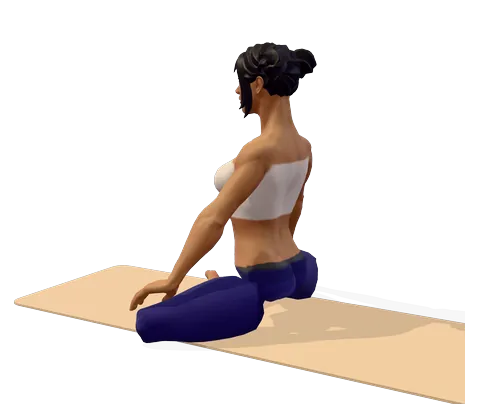 Easy PoseSukhasana
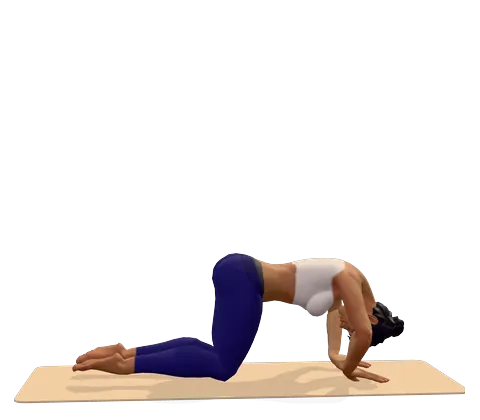 Cat PoseMarjaryasana
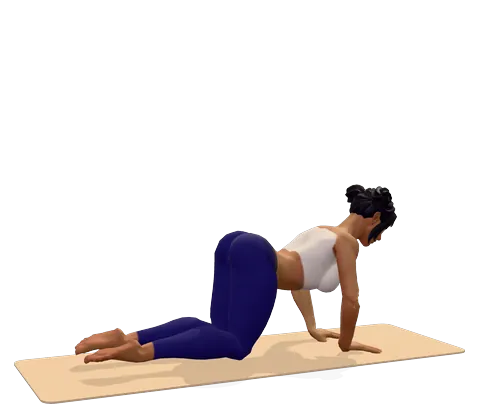 Cow PoseBitilasana
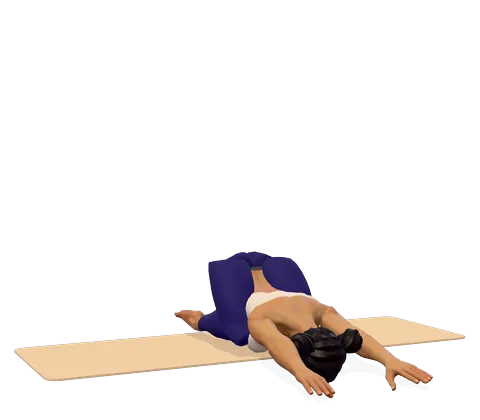 Child’s PoseBalasana
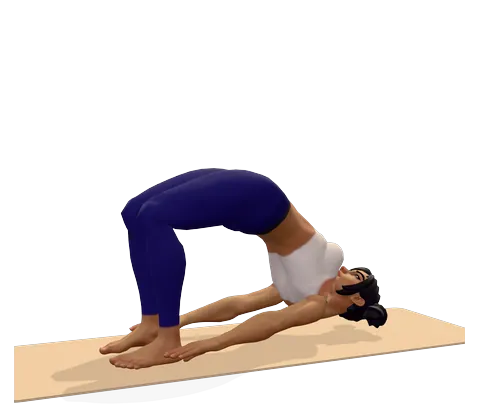 Bridge PoseSetu Bandhasana
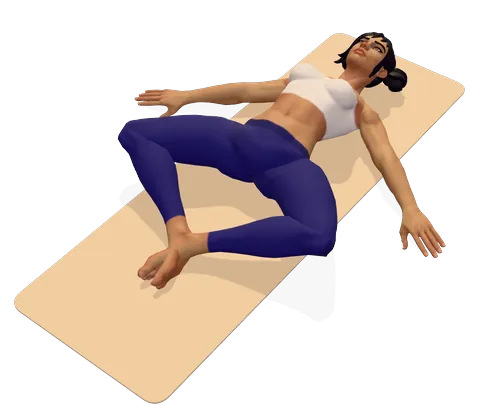 Reclining Bound Angle PoseSupta Baddha Konasana
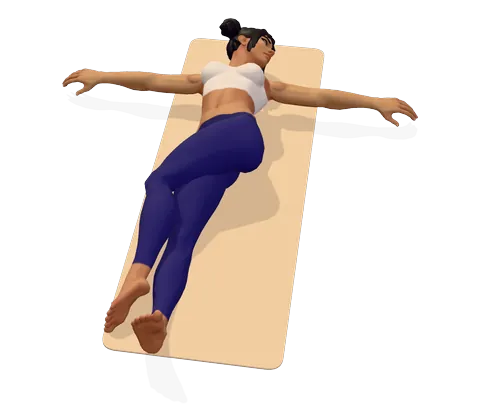 Supine Spinal TwistSupta Matsyendrasana
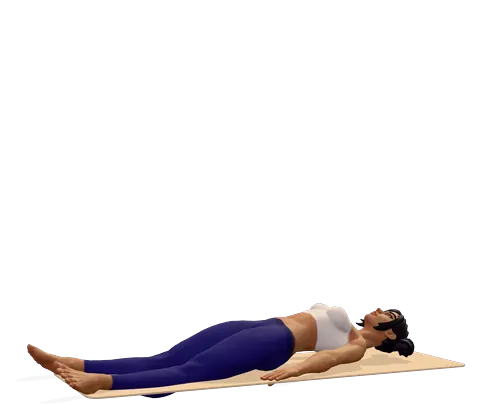 Corpse PoseSavasana
More poses that help with chronic pain
Add these once the session above feels easy, or swap one in when a pose does not suit you.
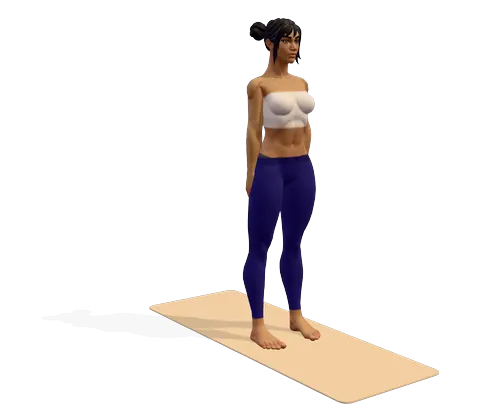 Mountain PoseTadasana
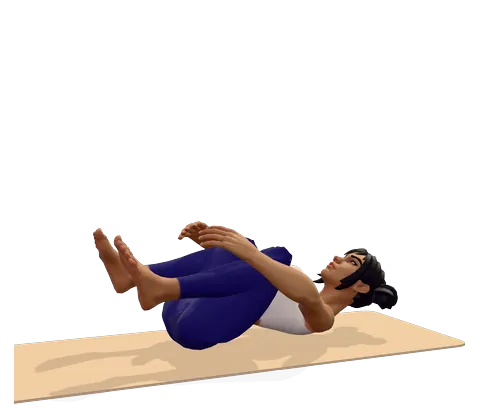 Wind-Relieving PosePavanamuktasana
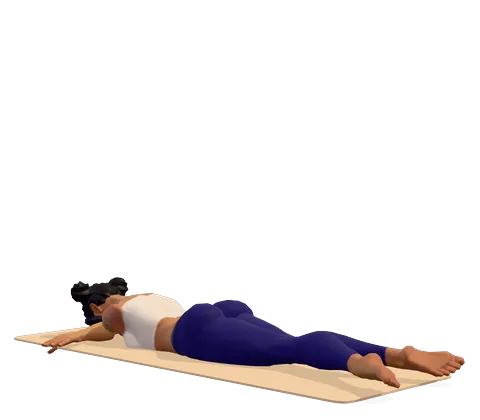 Crocodile PoseMakarasana
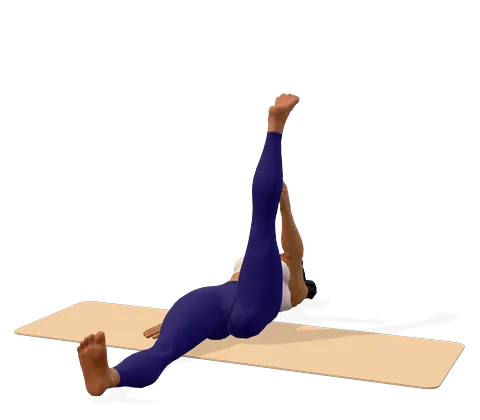 Reclining Hand-to-Big-Toe PoseSupta Padangusthasana
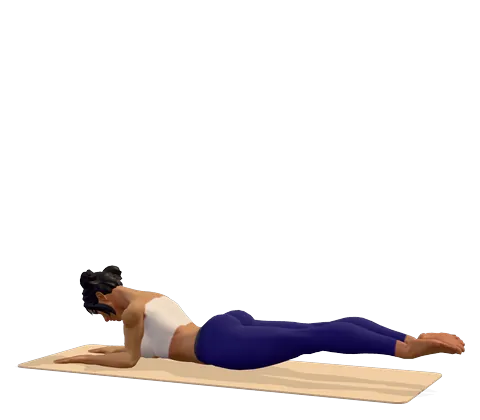 Sphinx PoseSalamba Bhujangasana
Mudras for chronic pain
Hold a mudra while you sit for the breathing practice or a few minutes of quiet. Mudras are a traditional practice; research on them is limited.
Breathing practice
Avoid
Pushing through sharp or rising pain, or doing much more on good days and paying for it after. New, severe or night-time pain, or pain with fever or weight loss, needs a doctor first.
Moderate evidence: Randomised trials show a benefit; more research is under way.
Guided meditation for chronic pain
Body Scan Meditation (15 min, voice in 28 languages) · Mindfulness Meditation (12 min, voice in 28 languages)
Yoga for chronic pain is one of the better-studied ways to move again when pain has lasted for months. Chronic pain means pain that continues for three months or longer, and it often outlasts the injury or illness that started it. Over time the nervous system can become more sensitive, so ordinary movement feels threatening and hurts more. Gentle yoga combines slow movement, breathing and rest, which may turn down that sensitivity while you slowly rebuild strength and confidence. This page explains how, how to pace yourself, and how to use the guided session above safely.
Yoga supports your treatment; it does not replace it. Keep taking prescribed medicine and ask your doctor or physiotherapist before starting, especially if your pain is new, changing or not yet diagnosed.
Can yoga help with chronic pain?
For many people, yes, and the evidence is moderate, which matches the level shown on this page. A 2012 meta-analysis of 16 controlled studies, covering back pain, arthritis, headache and other conditions, found that yoga had moderate effects on pain and on pain-related disability, and the authors called it a useful supplementary approach. A 2022 Cochrane review of 21 trials in chronic low back pain found small improvements in back function and pain compared with no exercise, and results similar to other back exercise.
So yoga is not a magic fix, but it is a sensible, low-cost way to manage chronic pain alongside other care. The US National Center for Complementary and Integrative Health (NCCIH) also lists low back pain and neck pain among the areas where yoga may help.
How yoga for chronic pain management works
Long-lasting pain is not only about damaged tissue. It is also about how the brain and nerves process signals. Yoga works on several parts of that system at once:
- It makes movement feel safe again. Many people with chronic pain stop moving out of fear, and then stiffness and weakness add more pain. Small, controlled movements show your nervous system that moving is fine.
- It calms the stress response. Slow breathing and long rests shift the body towards "rest and digest" mode. Pain and stress feed each other, so lowering one can ease the other.
- It builds gentle strength. Poses like Bridge strengthen the back of the body, which supports the spine and hips.
- It changes your relationship with pain. Mindful attention teaches you to notice a sensation without panic, which many people find reduces suffering even when pain remains.
- It improves sleep. Relaxation at night can help, and better sleep often means lower pain the next day.
Gentle yoga poses for chronic pain: why each one is in the plan
The session above uses gentle yoga for chronic pain: most poses are on the floor, supported and easy to adjust. Use as many cushions and blankets as you like; these pain relief yoga poses should never be forced.
Easy pose: check in with your body
Start in Easy pose on a cushion, or on a chair. Rest your hands in Chin mudra and take a few slow breaths. Rate your pain from 0 to 10. This number guides how much you do today.
Cat and Cow: gentle spinal movement
Cat and Cow move the spine through a small, easy range. Keep the movement well inside comfort, and fold a blanket under your knees. If kneeling hurts, do them seated.
Child's pose: a place to rest
Child's pose is your "home" pose. Put a pillow under your chest and head, and come back here whenever you need a break.
Bridge: gentle strength
Bridge pose builds strength in the buttocks and the back of the legs. Lift only a little at first, or rest the hips on a block. This is the one pose in the plan that asks the muscles to work.
Reclining Bound Angle and Supine Twist: open and release
Reclining Bound Angle pose opens the hips and chest with cushions under both knees. The Supine Spinal Twist gently rotates the back; rest the knees on a pillow and keep the twist small.
Savasana: teach the body to let go
Finish in Savasana for at least five minutes, with a pillow under your knees and a blanket over you. This rest is not wasted time; it is where much of the calming happens.
Pacing: the key to yoga for chronic pain relief
The most common mistake is the "boom and bust" cycle: doing a lot on a good day, then paying for it with two bad days. Pacing breaks that cycle.
- Find your baseline. Pick an amount you can do even on a fairly bad day, such as 10 minutes. That is your starting point, not your limit on a good day.
- Keep it steady. Do that same amount on good days and bad days for one to two weeks.
- Build slowly. If you are no worse the next day, add a few minutes or one pose. Increase by about 10% at a time.
- Use the traffic-light rule. Mild discomfort that settles within an hour or two is fine. Pain that is sharp, spreading or still higher the next morning means you did too much; go back a step.
- Plan for flares. In a flare, switch to breathing, Savasana and Yoga Nidra only. They still count as practice.
Short sessions most days usually help more than one long class a week. Lower your pain with yoga slowly, not all at once.
Body pain after doing yoga: normal or not?
Some muscle soreness a day after a new session is normal and fades within a day or two. It is a sign to keep the same dose, not to stop. The side effects of yoga for chronic pain are usually mild, short-lived soreness. Stop and get advice if you notice sharp pain during a pose, pain that spreads down an arm or leg, numbness or tingling, or a joint that swells after practice.
Seated and chair yoga for chronic pain
If getting down to the floor is hard, seated yoga for chronic pain works well. Sit near the front of a stable chair, feet flat, and do: seated Cat–Cow, shoulder rolls, slow neck side stretches, one arm up and a gentle side bend, a small twist holding the chair back, and ankle circles. Finish with slow breathing. Chair yoga for chronic pain is also a good option for seniors, and the chair yoga guide has more ideas.
Breathing and Yoga Nidra for pain
When pain is high, breathing may be the only practice you can manage, and that is fine.
- Nadi Shodhana (alternate nostril breathing) steadies the mind in five minutes.
- Bhramari, the humming bee breath, uses a soft hum that many people find soothing, especially before sleep.
- Simply making your out-breath longer than your in-breath is enough to start.
Yoga Nidra for chronic pain is a guided rest lying down, where you move attention slowly around the body. It asks nothing of your joints or muscles. Try our free guided Yoga Nidra in 10, 20 or 30 minutes.
Yoga for pain in different parts of the body
This page is a general plan. If your pain is mostly in one area, these pages give more specific poses and cautions:
| Where it hurts | Specific plan |
|---|---|
| Chronic low back pain, lumbar pain | Yoga for lower back pain relief |
| Chronic neck pain, shoulder and upper back pain | Yoga for chronic neck pain |
| Nerve pain down the leg | Yoga for sciatica pain relief |
| Joint pain, arthritis pain, knee pain | Yoga for arthritis pain |
| Widespread body pain with tiredness | Yoga for fibromyalgia pain |
Yoga for nerve pain, such as leg pain from sciatica or spinal stenosis, needs extra care: stop any stretch that makes tingling, burning or numbness worse. For upper body pain in the neck, shoulders or upper back, yoga for pain relief means keeping the arms below shoulder height at first and letting the neck move only in a small, easy range. If exhaustion is as big a problem as pain, see yoga for chronic fatigue.
Does yoga help with joint pain and age-related pain?
For many people, yes. Gentle yoga keeps joints moving and strengthens the muscles around them, which can ease age-related joint pain in the knees, hips and hands. Yoga for seniors to relieve pain should use a chair or wall for balance and avoid deep kneeling and full squats on painful knees. Is hot yoga good for arthritis? Usually not the best choice: heat can make it easy to overstretch, and long, hot classes can trigger flares. Warm, not hot, rooms are safer.
Which type of yoga is best for body pain?
The best yoga for body pain is slow and supported: gentle Hatha, restorative yoga, chair yoga and Yoga Nidra. Yin yoga for chronic pain can suit some people if the stretches stay mild and well propped, because long, deep holds can irritate sensitive tissue. Fast power yoga, hot yoga and classes that push you to "go deeper" are not a good start. Yoga for sore muscles after work or sport follows the same rule: gentle movement and rest, not hard stretching.
Many people search in Hindi for sharir dard, sir dard or kamar dard ke liye yoga and exercise. Here is a short summary.
शरीर दर्द के लिए योग — हिंदी में लंबे समय के दर्द में रोज़ 10–15 मिनट हल्का योग करें: सुखासन में गहरी साँस, मार्जरी-बितिलासन, बालासन, सेतुबंधासन और शवासन। तकिये और कंबल का सहारा लें और दर्द बढ़ने से पहले रुक जाएँ। अच्छे दिन पर ज़्यादा न करें; रोज़ एक जैसा अभ्यास करें। अनुलोम-विलोम और भ्रामरी से मन शांत होता है। नया, तेज़ या रात में बढ़ने वाला दर्द हो, या बुखार और वज़न घटने के साथ दर्द हो, तो पहले डॉक्टर को दिखाएँ।
When to see a doctor first
Get medical advice before starting if your pain is new, severe, getting steadily worse or wakes you at night; if it comes with fever, unexplained weight loss or feeling unwell; or if you notice weakness, numbness, or changes in bladder or bowel control. These need checking before any exercise plan.
Practise with the 3D guide
Play the session at the top of this page on "shorter" hold time at first. The 3D teacher moves slowly, and the saffron ring on her mat grows and shrinks with each breath so you can match her pace. Turn on the Body guide to see which areas each pose stretches and which it works. The voice guides you in 28 languages, so you can close your eyes. Log each session and your pain score in your practice tracker; seeing the pattern over weeks makes pacing much easier.
Research behind this plan
- Büssing 2012, The Journal of Pain — meta-analysis of 16 controlled studies (back pain, arthritis, headache and others): yoga had moderate effects on pain and pain-related disability
- Wieland 2022, Cochrane Database of Systematic Reviews — 21 trials, 2,223 people with chronic low back pain: small improvements vs no exercise, similar to other back exercise
- NCCIH (US National Institutes of Health) — Yoga: Effectiveness and Safety: research on low-back pain, neck pain, headaches and knee osteoarthritis, and safety advice
Frequently asked questions
Can yoga help with chronic pain?
Yes, for many people. Studies suggest yoga has moderate benefits for pain and pain-related disability, especially in chronic low back pain. It works best as part of a wider plan with your doctor or physiotherapist.
What are the best yoga poses for chronic pain?
Gentle, supported poses: Easy pose with slow breathing, Cat and Cow, Child's pose with a pillow, a low Bridge, Reclining Bound Angle, a small Supine Twist and a long Savasana.
How often should I do yoga for chronic pain?
Short, regular sessions of 10 to 20 minutes on most days usually work best. Keep the same amount for a week or two and only add time if you are no worse the next day.
Is it normal to have body pain after doing yoga?
Mild muscle soreness for a day or two after a new session is normal. Sharp pain, pain spreading down a limb, numbness or swelling are not; stop and get advice.
Is yoga good for aches and pains in older adults?
Yes. Gentle and chair yoga keep joints moving and muscles strong. Use a chair or wall for support and avoid deep kneeling and full squats on painful knees.
Is chair yoga good for chronic pain?
Yes. Seated yoga is a good choice on bad days or if getting to the floor is hard. Seated Cat–Cow, shoulder rolls, side bends, a gentle twist and slow breathing all help.
Can yoga make chronic pain worse?
It can if you do too much too soon or push into sharp pain. Pace yourself: start small, keep the same amount on good and bad days, and build up slowly.
Can yoga cure chronic pain?
No. Yoga may reduce pain and improve how you function and cope, but it is not a cure. Use it alongside the treatment your doctor recommends.
Medical note: yoga supports treatment; it does not replace it. Keep taking prescribed medicine and talk to your doctor before you start, especially with heart disease, uncontrolled blood pressure, recent surgery, pregnancy, epilepsy or severe pain. Read our medical disclaimer.