Your anemia (low hemoglobin) yoga plan
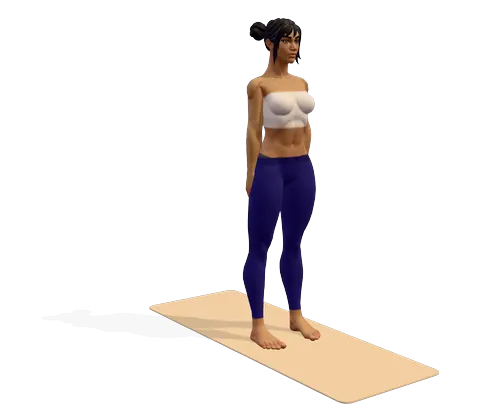 Mountain PoseTadasana
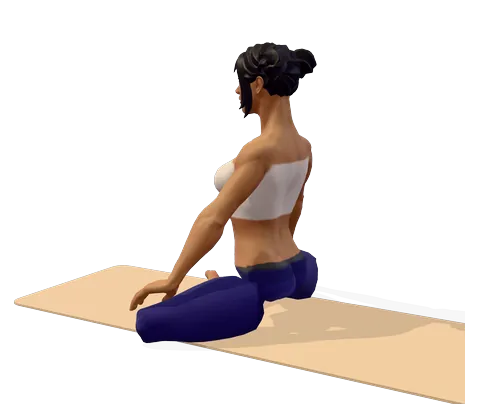 Easy PoseSukhasana
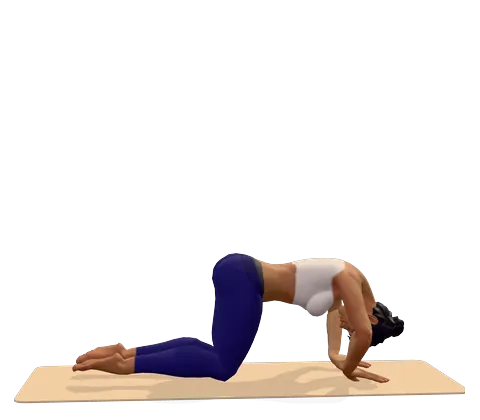 Cat PoseMarjaryasana
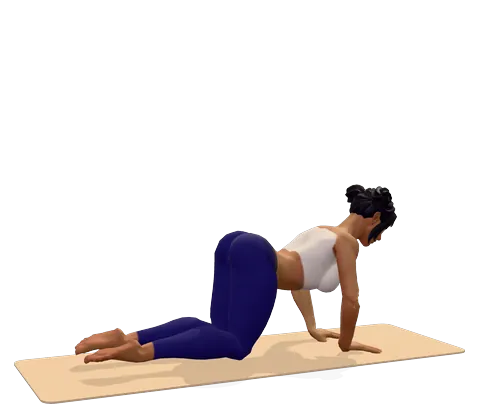 Cow PoseBitilasana
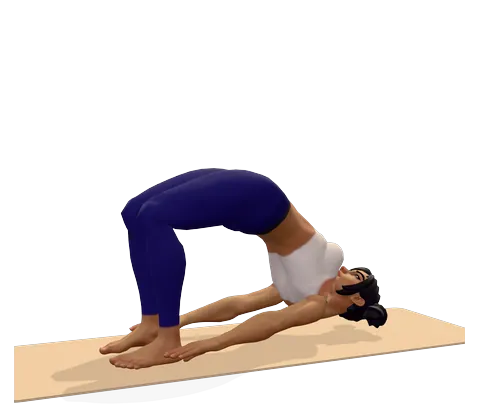 Bridge PoseSetu Bandhasana
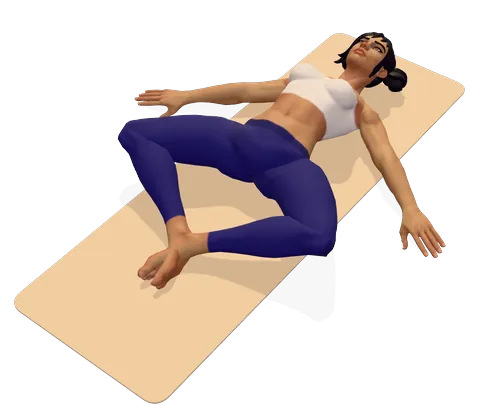 Reclining Bound Angle PoseSupta Baddha Konasana
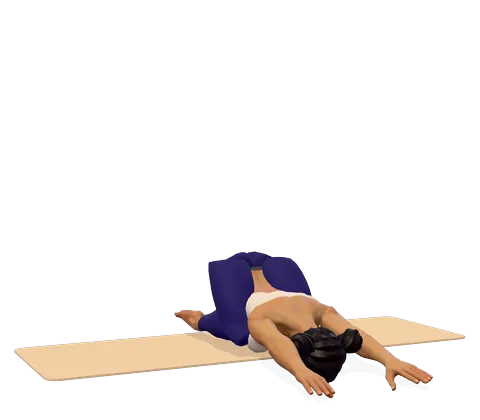 Child’s PoseBalasana
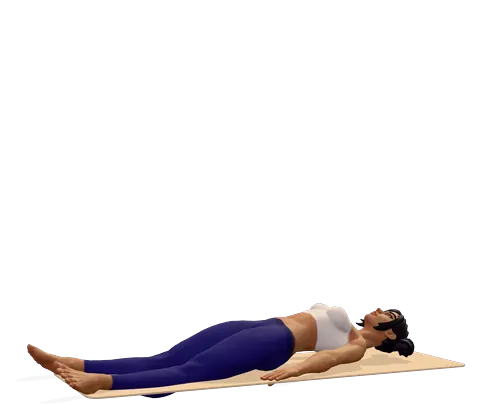 Corpse PoseSavasana
More poses that help with anemia (low hemoglobin)
Add these once the session above feels easy, or swap one in when a pose does not suit you.
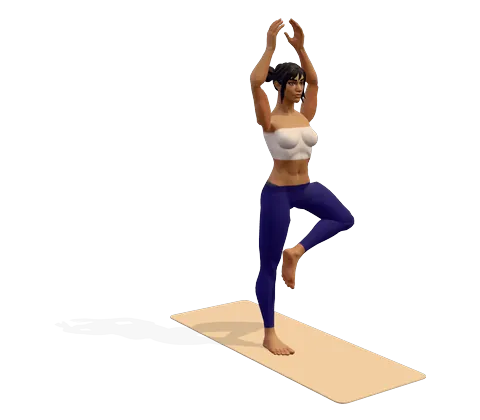 Tree PoseVrikshasana
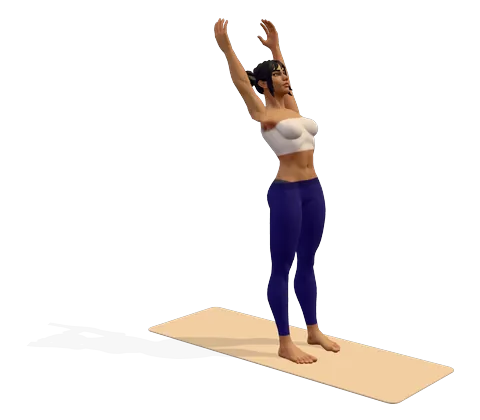 Raised Arms PoseHasta Uttanasana
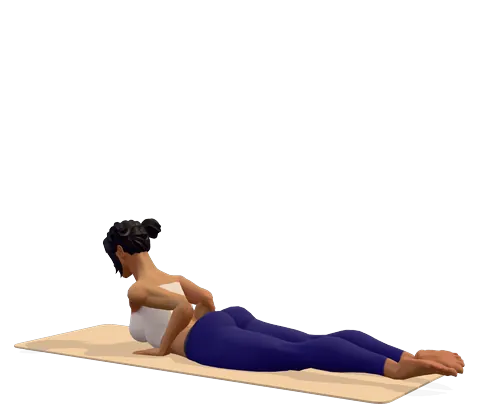 Cobra PoseBhujangasana
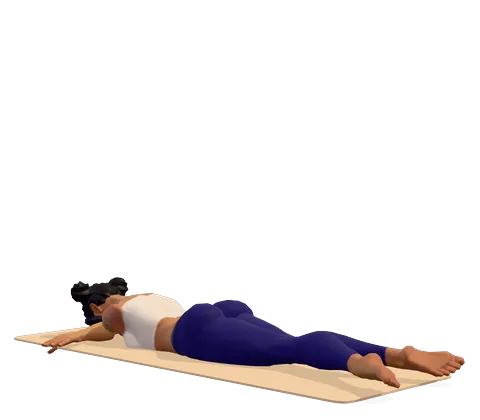 Crocodile PoseMakarasana
Mudras for anemia (low hemoglobin)
Hold a mudra while you sit for the breathing practice or a few minutes of quiet. Mudras are a traditional practice; research on them is limited.
Breathing practice
Avoid
Expecting yoga to raise hemoglobin — it does not; iron, B12 or folate and finding the cause need a doctor. Rise slowly from lying or bending, and skip long, hot sessions and fast breathing if you get dizzy, breathless or your heart races.
Traditional practice: Used in classical yoga therapy; few clinical trials so far.
Yoga for anemia can help you stay active and feel steadier while your treatment raises your hemoglobin, but it cannot raise hemoglobin by itself. Anemia means your blood has fewer healthy red blood cells, or less hemoglobin, the protein that carries oxygen. The result is tiredness, weakness, shortness of breath, a fast heartbeat, pale skin and dizziness, especially when you stand up quickly. This page explains the gentle yoga for anemia patients in the guided session above, how to practise safely with low hemoglobin, and what really works to correct it.
Anemia always has a cause, and finding it matters. Some causes, such as hidden bleeding in the gut, need medical care. If you have not had a blood test, see a doctor before you try to treat anemia at home with diet, home remedies or exercise alone.
Is yoga good for anemia?
Yoga is good for many people with anemia as gentle activity, but no good study shows that yoga poses or breathing raise hemoglobin. That is why this page carries a "traditional" evidence level. What yoga may do is ease stress, support sleep, keep your muscles working and help you move without getting breathless, so that you do not lose fitness while your levels recover. The same is true of yoga for iron deficiency anemia and for other types.
There is some evidence that regular exercise helps in specific situations. In a small trial of 30 older women having chemotherapy for breast cancer, those who did moderate aerobic exercise three times a week for 12 weeks had better hemoglobin results than those who did not, and the authors concluded exercise may help chemotherapy-related anemia. That was walking-type exercise, not yoga, and it was alongside medical care.
Khoon ki kami in English means "lack of blood", which is what people usually call anemia or low hemoglobin.
How to increase hemoglobin: what actually works
There are three ways to increase hemoglobin levels in your blood, and they work together. How you raise or improve your hemoglobin depends on why it is low. The most common cause worldwide is iron deficiency, but low vitamin B12 or folate, long-term illness, kidney disease and inherited conditions such as sickle cell disease or thalassaemia can also cause anemia.
Treat the cause
According to the NHS, common causes of iron deficiency anemia include pregnancy, heavy periods and conditions that cause blood loss. Once the reason is found, the doctor treats that too, for example heavy periods can be treated with medicine. Without this step, hemoglobin often drops again.
Replace what is missing
- Iron deficiency: iron tablets, usually for several months. The NHS suggests taking them with or soon after food if they upset your stomach.
- Vitamin B12 or folate deficiency: tablets or, for B12, sometimes injections.
Eat to support your blood
Eating well is how to combat anemia naturally and boost your hemoglobin over the long term, alongside treatment. Iron-rich foods include dark-green leafy vegetables, pulses such as beans, lentils and chickpeas, meat, fortified cereals and dried fruit like apricots and raisins. Vitamin C foods, such as citrus fruit, help your body absorb iron from plants. Tea and coffee reduce iron absorption, so drink them between meals rather than with them.
If you want to improve anemia quickly, treatment is the fastest route: when iron treatment works, hemoglobin usually starts to rise within a few weeks, and it takes months to refill your iron stores. Your doctor will check your levels with blood tests.
How to work up anemia and low hemoglobin
Many people search for a "workup for low hemoglobin" because a report came back low. A doctor usually checks a full blood count, the size of your red cells, iron stores (ferritin), vitamin B12 and folate, and kidney function. If iron is low without an obvious reason, they may look for bleeding from the stomach or bowel, especially in men and in women after menopause. This work-up is how to fix low hemoglobin and correct low hemoglobin levels for good rather than just for a few months.
Yoga poses for anemia: why each one is in the plan
These yoga asanas for anemia are low-effort and keep your head mostly level, so they are less likely to make you dizzy. Move slowly between them.
Mountain pose and Easy pose: steady and upright
Mountain pose builds steady posture; stand near a wall if you feel light-headed. Easy pose is where you do your breathing, sitting on a cushion or a chair.
Cat and Cow: gentle movement without strain
Cat and Cow move the spine and warm you up gently without raising your heart rate much.
Bridge: easy strength for the legs
Bridge pose builds strength in the legs and buttocks while you lie on your back, so there is no risk of falling. Lift a little, hold a few breaths, lower slowly.
Reclining Bound Angle, Child's pose and Savasana: rest
Reclining Bound Angle pose opens the chest for easier breathing; support the knees with cushions. Child's pose is a resting shape; come up from it slowly. Savasana lets your body recover at the end, and many people with anemia feel the cold, so cover yourself with a blanket.
Exercise with low hemoglobin: safety rules
Yoga for low hemoglobin levels should stay gentle: with a low hemoglobin count your blood carries less oxygen, so your heart works harder during exercise. Keep it gentle until your levels improve:
- Rise slowly from lying, sitting or bending. Pause, breathe, then stand.
- Use the talk test. You should be able to speak in full sentences. If you cannot, slow down.
- Skip long, hot sessions and fast flows such as quick Sun Salutations.
- Avoid fast breathing such as Kapalbhati and Bhastrika, and long breath-holds, if you get dizzy or breathless.
- Keep inversions out until you feel well; coming up from them can make you faint.
- Stop at once for chest pain, a racing or pounding heart, fainting or severe breathlessness, and see a doctor.
As your hemoglobin rises, add standing poses such as Tree pose (near a wall) and, later, a few rounds of Surya Namaskar at a slow pace.
Breathing and yoga mudra for anemia
Slow breathing helps with the anxious, breathless feeling anemia can bring. Choose calm techniques:
- Anulom Vilom (alternate nostril breathing) at an easy, even pace, with no breath-holds.
- Ujjayi, the soft "ocean" breath, which slows and deepens each breath.
The yoga mudra most often suggested for anemia is Prana mudra: the ring and little fingers touch the thumb. It is traditionally used for energy and vitality. You can rest your hands in it during breathing, but it does not replace iron, vitamins or medical treatment.
How to improve anemia in women
Anemia is very common in women because of periods, pregnancy and breastfeeding; the WHO notes that it mainly affects women and children. Home remedies for anemia in women, and anemia treatments for women, start with the same steps: a blood test, treatment of the cause (heavy periods are often the reason), iron or vitamins if needed, and an iron-rich diet. If your periods are heavy, see a doctor, and see yoga for period pain for gentle poses during your period. In pregnancy, follow your midwife's advice and see prenatal yoga.
Yoga for sickle cell anemia, aplastic anemia and anemia with cancer
These types of anemia need a specialist's care, and yoga should be very gentle:
- Sickle cell anemia: avoid overheating, cold, dehydration and breath-holding, which can trigger a pain crisis. Drink water and rest often. Ask your haematology team first.
- Aplastic anemia: if your platelets are low, avoid anything with a risk of falls or bruising, and practise at home away from infections when your white cells are low.
- Yoga for low hemoglobin with cancer: gentle movement often helps with fatigue during treatment. See yoga for cancer recovery and ask your oncology team.
Yoga for low hemoglobin in the elderly needs a chair or wall for every standing pose, since dizziness makes falls more likely.
खून की कमी (एनीमिया) के लिए योग — हिंदी में योग से हीमोग्लोबिन सीधे नहीं बढ़ता; इसके लिए खून की जाँच, कारण का इलाज और डॉक्टर द्वारा दी गई आयरन या विटामिन की गोलियाँ ज़रूरी हैं। हरी पत्तेदार सब्ज़ियाँ, दालें, चना और सूखे मेवे खाएँ, और खाने के साथ चाय न पिएँ। हल्का योग जैसे ताड़ासन, मार्जरी-बितिलासन, सेतुबंधासन और शवासन थकान में मदद कर सकता है। लेटने या झुकने के बाद धीरे-धीरे उठें और चक्कर आए तो रुक जाएँ।
What about high hemoglobin?
Some people search for how to lower high hemoglobin. A high level has different causes, such as dehydration, smoking, lung disease or a bone marrow condition, and it needs a doctor to find out why. Yoga does not lower hemoglobin either, so do not use it instead of that check.
Practise with the 3D guide
Play the session at the top of this page on "shorter" holds while your levels are low. The 3D teacher moves slowly between poses, and the saffron ring on her mat shows each breath so you can keep your pace calm. The voice guides you in 28 languages. Come up slowly from the last pose. If dizziness is a big problem for you, the yoga for low blood pressure page has more tips for rising safely.
Research behind this plan
- NHS — Iron deficiency anaemia: causes such as pregnancy, heavy periods and blood loss; treatment with iron tablets and iron-rich foods
- WHO — Anaemia fact sheet: causes fatigue, reduced physical work capacity and shortness of breath; mainly affects women and children
- Mohamady 2017, Journal of Advanced Research — small RCT of 30 older women with breast cancer: 12 weeks of moderate aerobic exercise during chemotherapy was linked to better hemoglobin and red cell counts
Frequently asked questions
Is yoga good for anemia?
Gentle yoga can help you stay active, sleep better and manage stress while you are treated. It does not raise hemoglobin by itself; that needs treatment of the cause and, often, iron or vitamin tablets.
Can yoga increase hemoglobin?
No good study shows that yoga poses or breathing raise hemoglobin. Iron, vitamin B12 or folate treatment, an iron-rich diet and treating the cause are what raise it.
What are the best yoga poses for anemia?
Gentle, low-effort poses: Mountain pose near a wall, Easy pose with slow breathing, Cat and Cow, a low Bridge, Reclining Bound Angle, Child's pose and Savasana.
Is it safe to exercise with low hemoglobin?
Gentle exercise is usually safe if you rise slowly, keep the effort easy and stop for dizziness, chest pain or breathlessness. Very low hemoglobin needs a doctor's advice first.
How can I increase my hemoglobin levels quickly?
Get a blood test to find the cause, then follow your doctor's treatment. Iron tablets usually start to raise hemoglobin within a few weeks. Eat iron-rich foods with vitamin C and avoid tea with meals.
Which mudra is used for anemia?
Prana mudra is traditionally used for energy. It is safe to use during breathing, but it does not treat anemia.
What are the side effects of yoga for anemia?
The main risk is dizziness or fainting when you stand up quickly or practise too hard. Rise slowly, stay hydrated and avoid hot rooms and fast breathing.
Medical note: yoga supports treatment; it does not replace it. Keep taking prescribed medicine and talk to your doctor before you start, especially with heart disease, uncontrolled blood pressure, recent surgery, pregnancy, epilepsy or severe pain. Read our medical disclaimer.