Your burnout and exhaustion yoga plan
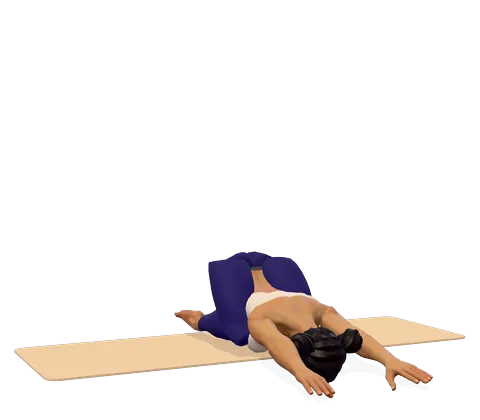 Child’s PoseBalasana
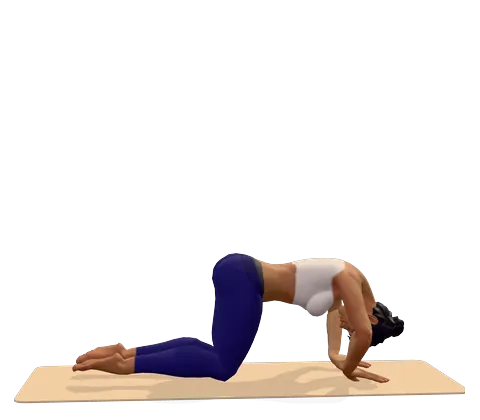 Cat PoseMarjaryasana
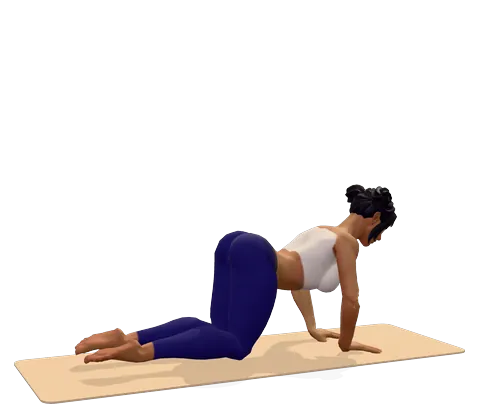 Cow PoseBitilasana
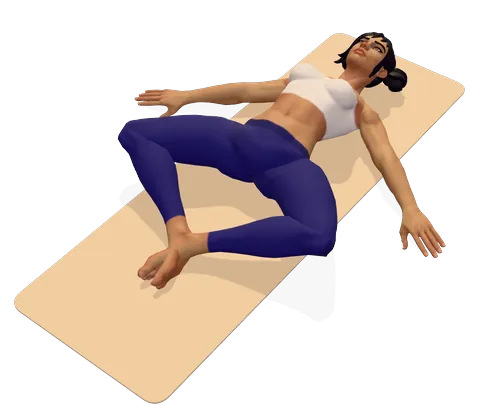 Reclining Bound Angle PoseSupta Baddha Konasana
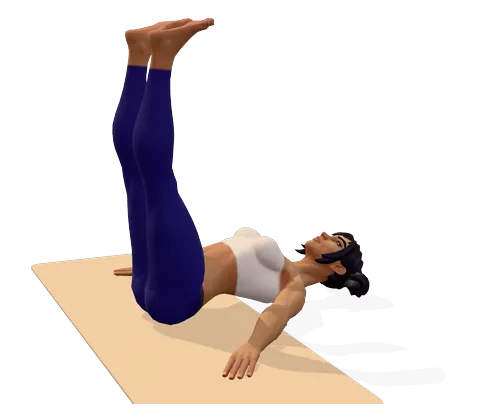 Legs-Up-the-Wall PoseViparita Karani
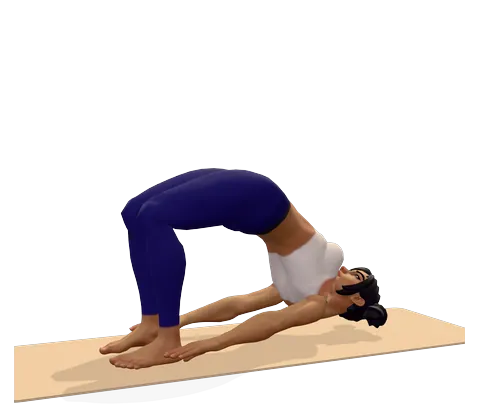 Bridge PoseSetu Bandhasana
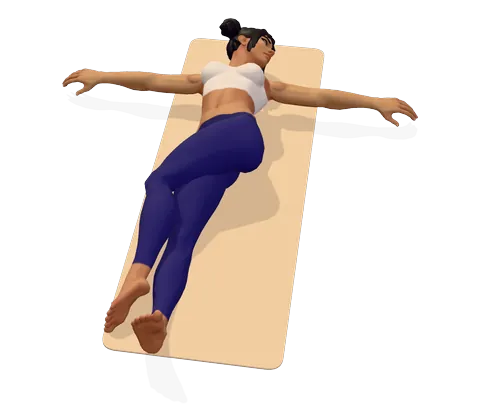 Supine Spinal TwistSupta Matsyendrasana
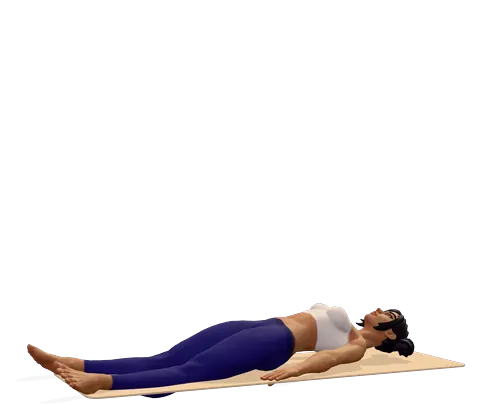 Corpse PoseSavasana
More poses that help with burnout and exhaustion
Add these once the session above feels easy, or swap one in when a pose does not suit you.
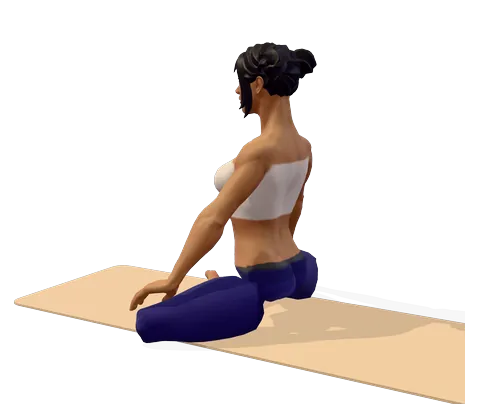 Easy PoseSukhasana
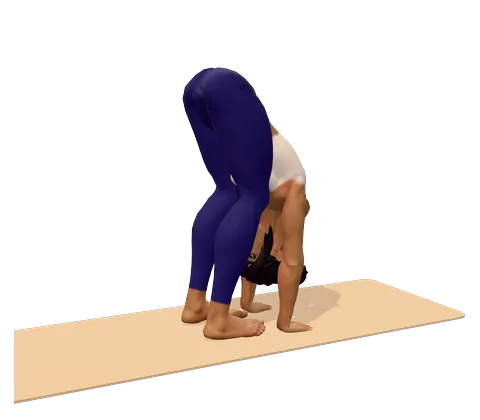 Standing Forward BendUttanasana
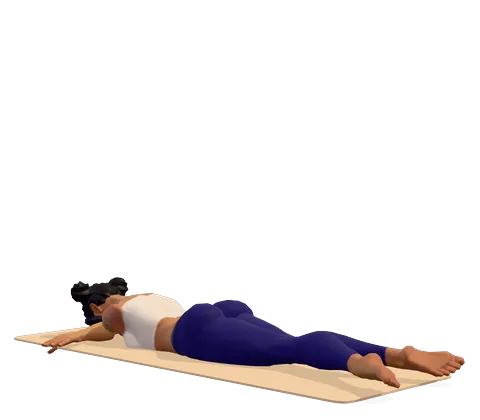 Crocodile PoseMakarasana
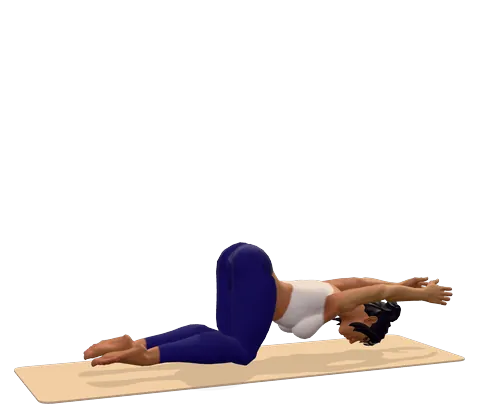 Extended Puppy PoseAnahatasana
Mudras for burnout and exhaustion
Hold a mudra while you sit for the breathing practice or a few minutes of quiet. Mudras are a traditional practice; research on them is limited.
Breathing practice
Avoid
Adding a hard workout to an already drained day; rest-focused practice first.
Emerging evidence: Small or early trials look promising.
Guided meditation for burnout and exhaustion
Body Scan Meditation (15 min, voice in 28 languages) · Gratitude Meditation (8 min, voice in 28 languages)
Yoga for burnout is different from ordinary exercise. Burnout — the deep physical and emotional exhaustion that follows long-term stress, often at work or while caring for others — leaves the body tired but "wired". The right practice here is restorative: lying down, fully supported, breathing slowly, letting the nervous system switch off. Below is why that works, a pose-by-pose guide, a gentle recovery plan and what research shows. Yoga supports recovery; it does not replace time off, changes at work or medical care.
What is burnout, and how does it differ from stress?
Stress usually feels like "too much": too many tasks, too much pressure, a racing mind. Burnout feels like "not enough": not enough energy, motivation or care left. The World Health Organization describes it as a work-related syndrome with three signs: exhaustion, growing distance or cynicism about your job, and feeling less effective. Many people also notice poor sleep, headaches, frequent colds and trouble concentrating.
That difference matters for yoga. If you are stressed, a brisk flow can burn off tension. If you are burnt out, adding a hard workout to an already drained day can deepen the exhaustion. The avoid box on this page says it plainly: rest-focused practice first.
How does yoga reduce stress and help with mental exhaustion?
How yoga helps with stress comes down to the nervous system. Long-term stress keeps the "fight or flight" side switched on. Restorative yoga for burnout does the opposite:
- Support signals safety. When cushions and the floor hold your weight, muscles can stop guarding.
- A slow exhale strengthens the "rest and digest" response, which lowers heart rate over time.
- Stillness without sleep gives a tired brain a break from decisions and screens — which is how to help with mental exhaustion in a way that scrolling on the sofa does not.
- Body awareness helps you notice early warning signs (tight jaw, shallow breath, dread on Sunday nights) before they build.
So how is yoga good for mental health in burnout? Not by pushing you, but by teaching your body to come down from constant alert.
Restorative yoga poses for burnout, one by one
The guided session on this page moves slowly from gentle movement to deep rest. Use every prop you have — pillows, folded blankets, a sofa cushion.
Child's pose (Balasana)
Child's pose is the classic resting shape. For burnout, make it restorative: place a long pillow lengthwise under your chest and turn your head to one side. Switch sides halfway.
Cat and cow (Marjaryasana–Bitilasana)
Gentle cat and cow wake a stiff back after long hours at a desk. Move slowly and let the breath lead.
Reclining bound angle (Supta Baddha Konasana)
Reclining bound angle with a cushion under each knee and a pillow under your back opens the chest that hunches over screens.
Legs up the wall (Viparita Karani)
Legs up the wall is one of the best yoga poses for burnout. It is restful, drains heavy legs and needs no effort. Stay 5–10 minutes. Skip it with glaucoma or in later pregnancy; rest your calves on a chair instead.
Bridge pose (Setu Bandhasana)
Bridge pose brings a little strength and energy in the middle of the session. For a restorative version, slide a firm cushion or yoga block under your sacrum and rest there.
Supine spinal twist (Supta Matsyendrasana)
The supine twist releases the lower back. Support your knees on a pillow so nothing strains.
Corpse pose (Savasana)
Corpse pose is the heart of the practice. Cover yourself with a blanket, put a pillow under your knees and stay for at least 5 minutes. If you fall asleep, your body probably needed it.
Breathing exercises for burnout
Breathing exercises for burnout should be slow and easy, never effortful. Choose one and practise it daily with the breathing timer.
- Nadi Shodhana (alternate-nostril breathing) is balancing and focusing — good yoga for mental focus before work.
- Bhramari (humming bee breath) quietens mental chatter; try it at lunch or after a hard meeting.
- 4-7-8 breathing helps many people fall asleep. Start with four rounds; stop if you feel light-headed.
Pair any of these with Dhyana mudra — hands resting in your lap, one on the other — a traditional gesture for quiet sitting.
Is yoga good for burnout? What the research says
The evidence is emerging. Much of it comes from healthcare workers, one of the groups most affected. A 2019 systematic review of 11 studies on yoga for nurse burnout and stress in other healthcare workers concluded that yoga appears to help manage stress, but the trials were small and of low quality, so stronger research is needed. Wider reviews show similar results for yoga and general stress.
In short: yoga is good for stress and burnout as a low-risk support, but no study shows it can reverse burnout on its own. The best therapy for burnout usually combines rest, changes to workload or work conditions, sleep, social support, and sometimes counselling or treatment for depression or anxiety.
A yoga for burnout recovery plan
How to recover from severe burnout? Slowly. In the first weeks, aim for rest, not progress. Here is a gentle two-phase plan:
| Phase | What to do | How often |
|---|---|---|
| Weeks 1–2: rest | Guided Yoga Nidra or legs up the wall + corpse pose; 3 minutes of Bhramari | Daily, 10–20 min |
| Weeks 3–4: gentle | The guided session on this page, all props, long holds | 4–5 days a week |
| Weeks 5–8: build | Guided session + a short walk; add bridge pose holds | 5 days a week |
| Later | Add one livelier practice a week, such as a slow Surya Namaskar, only if energy allows | Keep 2–3 restful days |
Track how you feel in your practice log. If a session leaves you more drained, go back a phase.
Yin yoga for burnout (long, still holds) and Yoga Nidra for burnout (guided rest lying down) both fit this plan well. Kundalini yoga for burnout sometimes uses fast breathing; skip that part while exhausted. A yoga retreat for burnout can be lovely, but it is not required — ten quiet minutes at home, every day, does more than one expensive week.
Yoga for work stress relief at your desk
Work stress is the most common road to burnout. These small habits bring yoga for work stress and anxiety into the day:
- Every hour, stand, roll your shoulders and take three slow breaths with a long exhale.
- Seated cat–cow on your chair between calls.
- Two minutes of Bhramari (quietly) or Nadi Shodhana before a difficult meeting.
- A fixed "off" time: end the day with legs up the wall instead of email.
How to treat work burnout also means changing the work where possible: talk to your manager, take leave you are owed, and set limits on messages after hours.
How to deal with burnout: coping strategies beyond the mat
People search for how to fight burnout, how to beat it or how to get rid of it fast. Honestly, you cannot push your way out; recovery comes from removing drains and adding rest. These coping strategies for burnout work well alongside yoga:
- Sleep first. A regular bedtime and a screen-free last hour help heal burnout more than any single technique.
- Reduce the load. The surest way to reduce burnout is to cut or share tasks. Write a list and mark what can wait.
- Short, regular breaks. Five minutes of breathing every few hours helps alleviate burnout better than one long weekend.
- Move gently. Walking outdoors and restorative yoga combat burnout without draining you further.
- Talk. Friends, family, a doctor or a counsellor — isolation makes it harder to stop burnout from getting worse.
Can you reverse burnout? Most people recover fully with time and real changes. Strategies for managing burnout at work — clearer limits, fewer after-hours messages, time off you are owed — are part of the treatment, not a luxury.
Burnout recovery for men, carers and autistic people
Men often push through burnout until the body forces a stop. Burnout recovery for men starts with the same thing: permission to rest. See yoga for men for a simple start.
Autistic burnout is a specific kind of exhaustion from long-term masking and sensory overload. Yoga for autistic burnout should be quiet, predictable and sensory-friendly: dim light, no music, a heavy blanket in corpse pose, eyes open if preferred.
Carers and healthcare workers can use the five-minute desk habits above between shifts.
When to get help
See a doctor if exhaustion lasts for weeks despite rest, if you feel hopeless or cannot enjoy anything, or if you have symptoms like weight loss or breathlessness — burnout can overlap with depression, thyroid problems and anaemia, which need proper checks. If you have thoughts of harming yourself, contact your local emergency number or a crisis line straight away. For low mood, see yoga for depression; for everyday pressure, yoga for stress.
बर्नआउट के लिए योग (हिंदी में): बहुत थकान और तनाव में कठिन व्यायाम नहीं, आराम वाला योग करें। बालासन, विपरीत करणी (दीवार पर पैर), सुप्त बद्ध कोणासन और शवासन तकियों के सहारे करें। भ्रामरी और नाड़ी शोधन प्राणायाम रोज़ 3–5 मिनट करें। योग निद्रा से गहरा आराम मिलता है। थकान हफ़्तों तक रहे तो डॉक्टर को दिखाएँ।
Give yourself ten minutes: start the guided 3D session above, choose the "longer" hold time and let the voice do the thinking for you.
Research behind this plan
- Cocchiara 2019, Journal of Clinical Medicine — systematic review of 11 studies: yoga appears effective for managing stress in healthcare workers; more rigorous trials needed
- NCCIH (US National Institutes of Health) — Yoga: what you need to know, including stress and safety
Frequently asked questions
Is yoga good for burnout?
Yes, as a support. Research, mostly in healthcare workers, suggests yoga helps manage stress, though the studies are small. Choose restorative, slow yoga rather than intense classes while you are exhausted.
What is the best yoga for burnout?
Restorative yoga, Yin yoga and Yoga Nidra are the best fit because they are rest-based. Supported child's pose, legs up the wall, reclining bound angle and a long corpse pose are ideal.
How long does it take to recover from burnout?
It varies from weeks to many months, depending on how severe it is and whether the causes change. Yoga can support recovery, but rest, workload changes and sometimes counselling matter most.
How do I fix mental exhaustion quickly?
There is no quick fix, but 10–20 minutes of guided rest, such as Yoga Nidra or legs up the wall with slow breathing, can bring noticeable relief the same day. Protect your sleep and cut non-essential tasks.
Should I exercise hard when I am burnt out?
Usually not. Adding intense workouts to an already drained system can make exhaustion worse. Start with gentle, rest-focused practice and build up only as your energy returns.
Can yoga help work stress?
Yes. Short breathing breaks, seated stretches and a calm routine after work can reduce daily tension. Yoga for work stress works best together with realistic changes to workload and boundaries.
When should I see a doctor about burnout?
If exhaustion lasts for weeks despite rest, if you feel hopeless or cannot enjoy anything, or if you have physical symptoms such as weight loss. Burnout can overlap with depression or medical conditions that need checking.
Medical note: yoga supports treatment; it does not replace it. Keep taking prescribed medicine and talk to your doctor before you start, especially with heart disease, uncontrolled blood pressure, recent surgery, pregnancy, epilepsy or severe pain. Read our medical disclaimer.