Your depression yoga plan
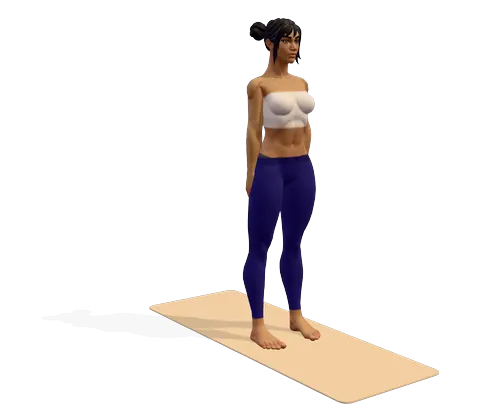 Mountain PoseTadasana
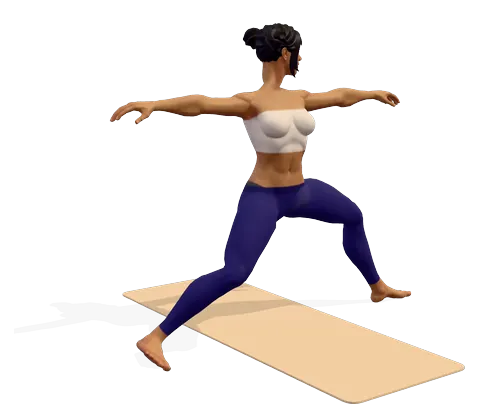 Warrior II PoseVirabhadrasana II
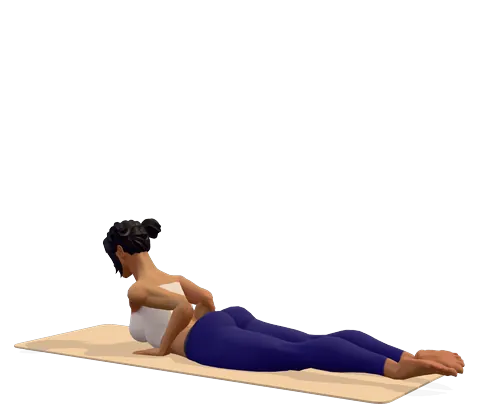 Cobra PoseBhujangasana
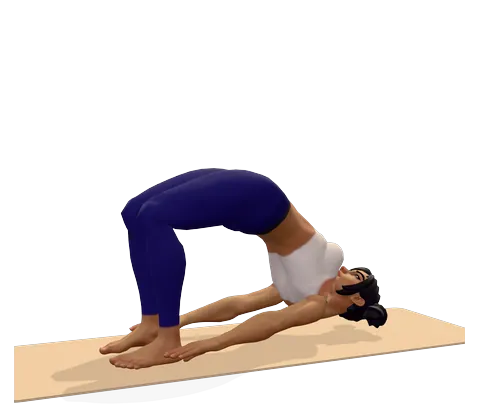 Bridge PoseSetu Bandhasana
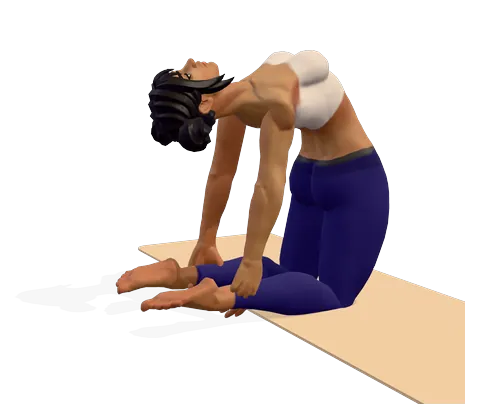 Camel PoseUstrasana
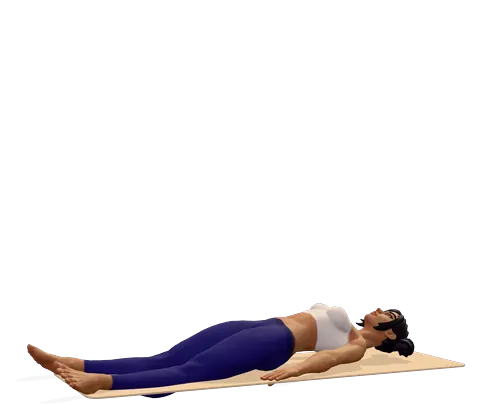 Corpse PoseSavasana
More poses that help with depression
Add these once the session above feels easy, or swap one in when a pose does not suit you.
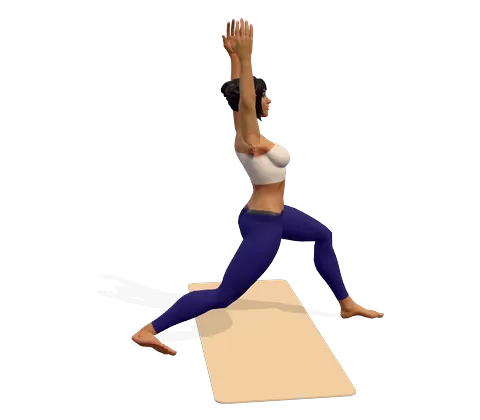 Warrior I PoseVirabhadrasana I
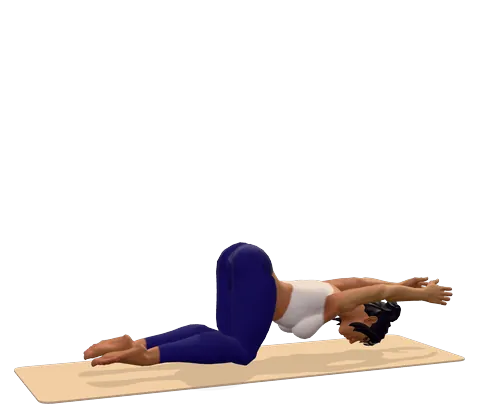 Extended Puppy PoseAnahatasana
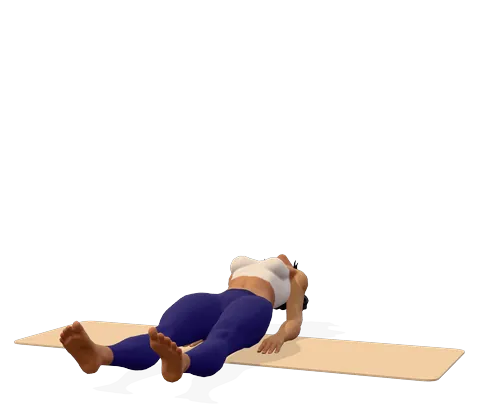 Fish PoseMatsyasana
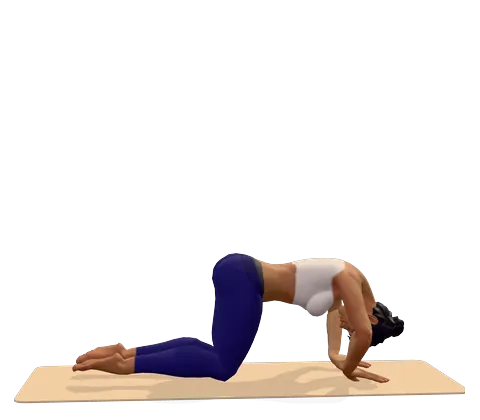 Cat PoseMarjaryasana
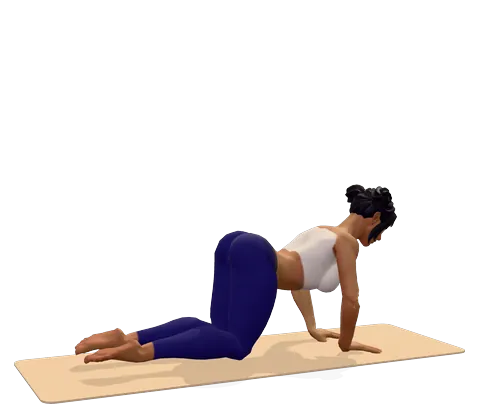 Cow PoseBitilasana
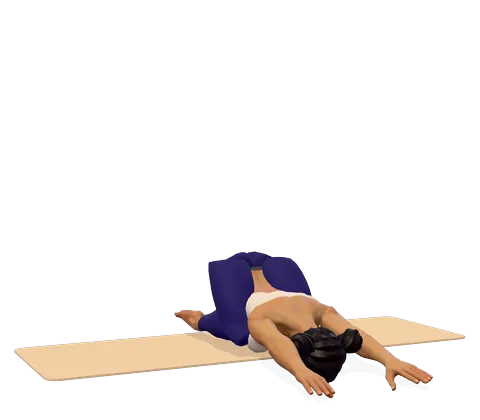 Child’s PoseBalasana
Mudras for depression
Hold a mudra while you sit for the breathing practice or a few minutes of quiet. Mudras are a traditional practice; research on them is limited.
Breathing practice
Avoid
Replacing therapy or medicine with yoga; use it alongside your care.
Strong evidence: Meta-analyses of randomised trials show a benefit.
Guided meditation for depression
Loving-Kindness Meditation (12 min, voice in 28 languages) · Gratitude Meditation (8 min, voice in 28 languages) · Mindfulness Meditation (12 min, voice in 28 languages)
Yoga for depression is one of the better-researched uses of yoga for mental health: several meta-analyses of randomised trials show that regular practice can reduce depressive symptoms when it is added to usual care. It is not a cure, and it does not replace therapy or antidepressants. What it can offer is a structured reason to move, breathe and rest each day — three things depression tends to take away. This page explains how it may help, what the studies found, why each pose is in the plan above, and how to use it on low-energy days.
If you are thinking about harming yourself or ending your life, stop here and get help now. Call your local emergency number or a crisis line — for example 988 in the US, Samaritans on 116 123 in the UK and Ireland, or Tele-MANAS on 14416 in India. You deserve care today, and yoga is not a substitute for it.
How does yoga help with depression?
Researchers are still working out why yoga may ease depression, but a few mechanisms are likely, and they overlap with why exercise and low mood are linked:
- Movement and energy. Physical activity is an evidence-based way to improve mood. Yoga offers movement in small, doable steps, which matters when getting off the sofa feels hard.
- Breath and the nervous system. Slow breathing with a long exhale steadies heart rate and can reduce the anxious agitation that often comes with depression.
- Body posture. Low mood often shows as a collapsed chest and dropped head. Standing tall and opening the chest will not fix depression, but many people find these yoga stretches for depression help them feel more alert.
- Attention and rumination. Following the breath and the next movement gives the mind a break from repetitive negative thinking — the same skill used in mindfulness and meditation for low mood.
- Routine and achievement. Finishing even a short session is a small win, and routine is one of the most reliable strategies for low mood.
Yoga for depression research: what the studies show
Does yoga help with depression? The evidence is stronger than for most conditions on this site, and yoga improves mental health outcomes in several reviews. A 2013 systematic review and meta-analysis of 12 randomised trials (619 participants) found moderate evidence that yoga reduced the severity of depression in the short term compared with usual care, and concluded yoga could be considered an ancillary (add-on) treatment option.
A 2021 meta-analysis in the British Journal of Sports Medicine looked at people with diagnosed mental disorders and found that physically active yoga reduced depressive symptoms more than waitlist, usual care or attention control. More sessions per week were linked to greater improvement. A 2023 review likewise found yoga-based programmes reduced depression symptoms in depressive disorders, although it rated the certainty of evidence as very low because of small, varied trials.
The yoga benefits for depression in these trials were mostly short-term relief of symptoms; few studies followed people for long. So is yoga good for depression? For mild depression and moderate symptoms, yoga is a reasonable, low-risk addition to treatment. Yoga is not an anti-depression medicine and cannot cure depression, and for severe depression it should only ever sit alongside professional care.
Yoga for mental health: the key facts
Why is yoga good for mental health more broadly? The mental benefits of yoga reported in research go beyond mood: reviews collected by the US National Institutes of Health describe benefits for stress, anxiety, sleep and general well-being. The same plan can therefore support yoga for depression, anxiety and stress at once. There is no single best type of yoga for mental health; many trials used classes that mix poses, breathing and relaxation, and yoga therapy for mental health simply adapts those parts to the person.
If you are a depression patient already in treatment, tell your therapist or doctor you are adding yoga, so it fits your care plan rather than replacing it.
Yoga poses for depression, pose by pose
This yoga sequence for depression moves from standing and grounding, through gentle backbends, to rest. These yoga asanas for depression also work as yoga poses for depression and anxiety together, because each one is paired with slow breathing. Each pose is on its own page with full steps.
Mountain pose (Tadasana)
Mountain pose is simply standing well: feet grounded, spine long, chest open. It is the first step because it asks almost nothing of you and still changes how you hold your body. Modify: stand with your back against a wall, or sit tall on a chair.
Warrior II (Virabhadrasana II)
Warrior II builds leg strength and a sense of steadiness. Many people describe it as the most "capable" feeling pose in the plan. Modify: shorten your stance and bend the front knee less; rest a hand on a chair back for balance.
Cobra pose (Bhujangasana)
Cobra pose is a gentle backbend that lifts the chest from a lying position, so it is low effort. Modify: keep it low (baby cobra) or come onto your forearms. Avoid lying on your belly in pregnancy.
Bridge pose (Setu Bandhasana)
Bridge pose opens the front of the body and strengthens the legs and back. Modify: slide a block or firm cushion under your sacrum and rest there — a supported bridge feels calming rather than effortful. Keep your neck still; do not turn your head.
Camel pose (Ustrasana)
Camel pose is the deepest chest opener here and the most demanding. Modify: keep your hands on your lower back, hips over knees, and lift the chest without dropping the head back. Skip it if you have neck or lower-back problems, or replace it with a second supported bridge.
Corpse pose (Savasana)
Corpse pose closes the practice. If lying still lets heavy thoughts crowd in, keep your eyes open, shorten the rest, or focus on the feeling of the floor under you. You can also swap it for a guided Yoga Nidra session.
Breathing and meditation for low mood
Two breathing practices support this plan. Ujjayi (ocean breath) uses a soft sound in the throat to slow and even the breath; it is steadying and slightly warming, which suits the heavy, flat feeling of depression. Bhramari (humming bee breath) lengthens the exhale with a hum and helps when low mood comes with anxiety or restlessness. Start with 3–5 minutes on the breathing exercise timer.
Yoga Nidra for depression is guided rest lying down, useful on days when you cannot manage poses at all. Short seated meditation with the meditation timer — even five minutes — is another option. Avoid forceful breathing such as Kapalbhati if it leaves you agitated or dizzy.
A sample weekly plan
Consistency matters more than length. Morning practice often works best, because a little movement and daylight early in the day can help energy.
| Day | Practice | Time |
|---|---|---|
| Monday | Guided session on this page + Ujjayi breathing | 10 min |
| Tuesday | A short walk outside, then mountain pose and warrior II | 15 min |
| Wednesday | Guided session + Bhramari | 10 min |
| Thursday | Guided Yoga Nidra lying down | 10–20 min |
| Friday | Guided session, or 2–3 slow rounds of Surya Namaskar | 10 min |
| Saturday | Supported bridge and five minutes of seated meditation | 10 min |
| Sunday | Rest, or any one pose you liked this week | 2–5 min |
On a very low day, do one pose. That still counts. If you want a personal schedule, the yoga plan tool builds one for you.
How to manage low mood: yoga plus other strategies
How to improve low mood day to day? Yoga works best as one of several things to do to help low mood. These are the ones with good support:
- Talk to someone. Talking therapies are among the best therapies for low mood and depression; a doctor can refer you.
- Keep medicine steady. If you take antidepressants, do not stop or change them without your doctor, even if you feel better.
- Move most days. Any exercise to improve mood counts; walking, yoga and cycling are all exercises to enhance mood.
- Protect sleep. Our yoga for sleep plan helps with evening wind-down.
- Stay connected. Say yes to one small social contact each week.
There is no single remedy for low mood, and how to overcome low mood usually means combining several of these. As for how to treat low mood that lasts more than two weeks, or comes back again and again: see a doctor, because it may be depression that needs treatment. How to boost low mood in the moment? Try one pose, a slow breath, or a walk outside.
For beginners, seniors, new mothers and winter blues
Beginners: yoga for depression and anxiety for beginners should be short and gentle. Use the guided session, skip camel pose at first, and read our beginner's guide. If anxiety is the bigger problem, see yoga for anxiety.
Seniors: yoga for depression for seniors and age-related depression can be done at a chair: seated mountain pose, seated side stretch and slow breathing. Check balance and blood pressure medicines with your doctor first.
After childbirth: yoga for postpartum depression can help, but postnatal depression needs a health professional — tell your midwife, health visitor or doctor. Wait for clearance before backbends and core work.
Seasonal depression: yoga for seasonal depression pairs well with morning daylight; practise near a window. Light therapy and other treatments are for your doctor to advise on.
Side effects and cautions
Yoga for depression side effects are usually mild: sore muscles, or strong emotions surfacing in quiet poses. Avoid hot yoga for depression if you take medicines that affect heat tolerance or blood pressure. Camel and deep backbends are not for neck or back injuries. If yoga ever leaves you feeling worse for days, stop and talk to your doctor.
अवसाद के लिए योग (yoga for depression in Hindi) — yoga se depression ka ilaj? योग डिप्रेशन का इलाज नहीं है, पर डॉक्टर के इलाज के साथ यह मन को हल्का करने में मदद कर सकता है। रोज़ 10 मिनट ताड़ासन, वीरभद्रासन, भुजंगासन, सेतुबंधासन और शवासन करें। उज्जायी और भ्रामरी प्राणायाम से साँस शांत होती है। दवा या थेरेपी अपने आप बंद न करें। अगर खुद को नुकसान पहुँचाने के विचार आएँ, तो तुरंत किसी अपने से या हेल्पलाइन (भारत में Tele-MANAS 14416) से बात करें।
Start small today. Press play on the guided 3D session at the top of this page. The figure shows every pose, the voice guides you in your language, and you can stop after one pose if that is all you have today.
Research behind this plan
- Cramer 2013, Depression and Anxiety — meta-analysis of 12 randomised trials (619 participants): moderate evidence that yoga reduces depression severity short term versus usual care
- Brinsley 2021, British Journal of Sports Medicine — meta-analysis: physically active yoga reduced depressive symptoms in people with mental disorders; more sessions per week, greater effect
- Martínez-Calderon 2023, British Journal of Sports Medicine — systematic review: yoga-based interventions reduced depression symptoms in depressive disorders; certainty of evidence very low
- NCCIH (US National Institutes of Health) — Yoga: what you need to know, including reviews on depressive symptoms
Frequently asked questions
Does yoga help with depression?
Yes, for many people. Meta-analyses of randomised trials show yoga reduces depressive symptoms compared with usual care or no treatment, especially when practised several times a week. It works best as an addition to therapy or medicine.
Which yoga is best for depression?
Classes that combine poses, breathing and rest, such as gentle Hatha yoga, are a good choice. A large review looked specifically at physically active yoga and found it reduced depressive symptoms. Gentle chest openers, standing poses and Yoga Nidra all have a place.
Can yoga cure depression?
No. Yoga can ease symptoms and support recovery, but you should not use yoga to treat depression on its own, and it does not cure depression. Keep seeing your doctor or therapist and do not stop antidepressants without medical advice.
Does yoga help depression and anxiety?
Yes. Many people have both, and studies show yoga can reduce symptoms of each. To use yoga for anxiety and depression, pair slow breathing with a long exhale (for the anxious side) with standing poses and chest openers (for low energy). Yoga for low mood with anxiety works best done little and often.
How often should I do yoga for depression?
Two to three sessions a week is a good start, and more sessions per week were linked to greater improvement in one large review. Ten minutes most days is often easier to keep up than one long class.
What if I have no energy to do yoga?
Do one pose, or lie down for a guided Yoga Nidra. Small steps count. If you cannot manage daily tasks, tell your doctor — that is a sign you may need more support.
Is yoga safe for severe depression?
Gentle yoga is usually safe, but severe depression needs professional treatment first. Use yoga only alongside that care, and seek help immediately if you have thoughts of self-harm.
Medical note: yoga supports treatment; it does not replace it. Keep taking prescribed medicine and talk to your doctor before you start, especially with heart disease, uncontrolled blood pressure, recent surgery, pregnancy, epilepsy or severe pain. Read our medical disclaimer.