Your cancer recovery (supportive care) yoga plan
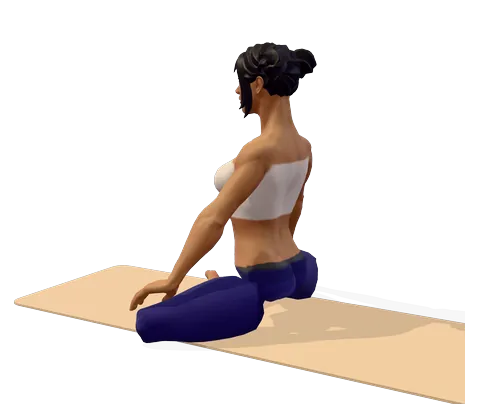 Easy PoseSukhasana
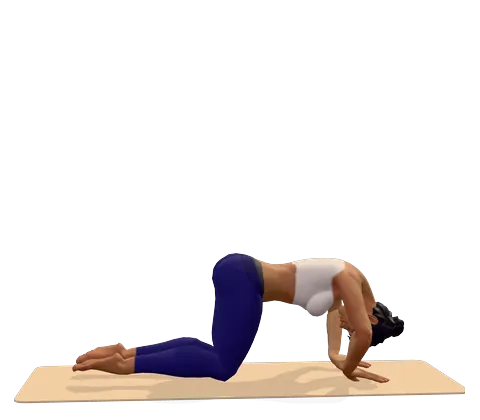 Cat PoseMarjaryasana
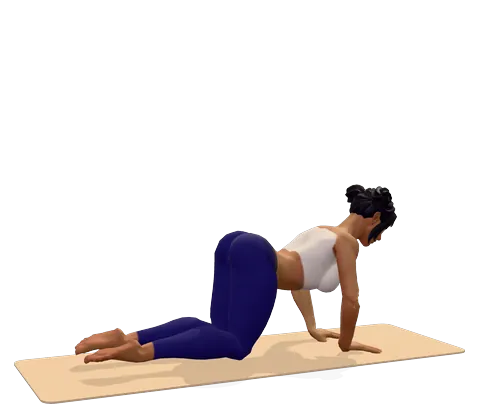 Cow PoseBitilasana
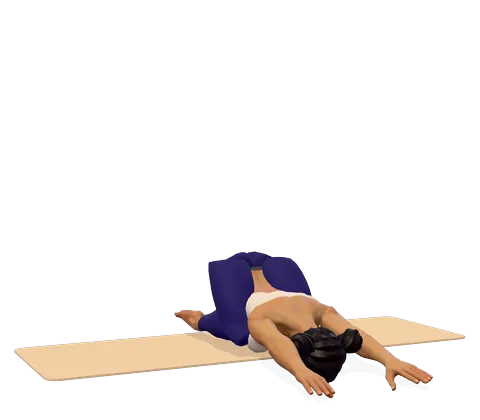 Child’s PoseBalasana
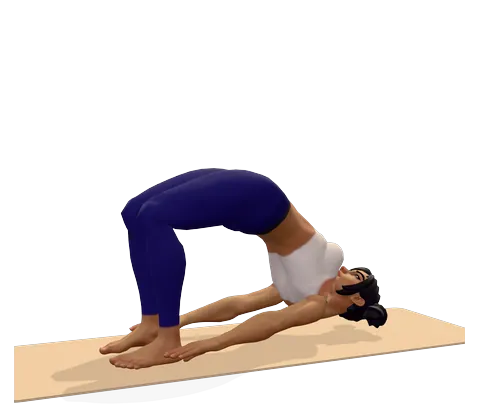 Bridge PoseSetu Bandhasana
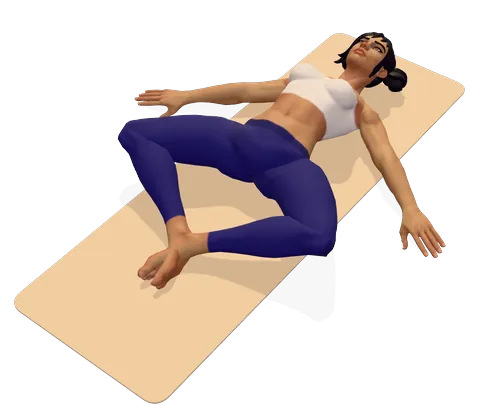 Reclining Bound Angle PoseSupta Baddha Konasana
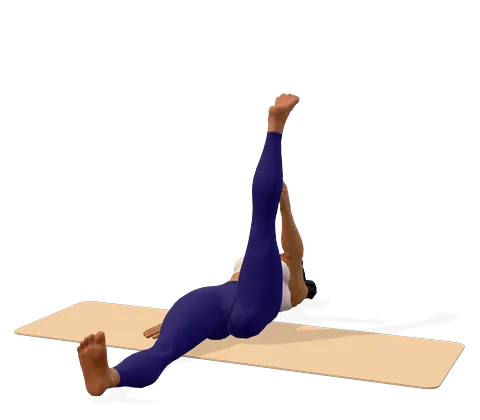 Reclining Hand-to-Big-Toe PoseSupta Padangusthasana
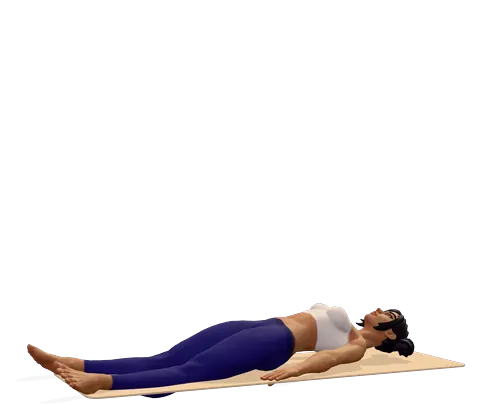 Corpse PoseSavasana
More poses that help with cancer recovery (supportive care)
Add these once the session above feels easy, or swap one in when a pose does not suit you.
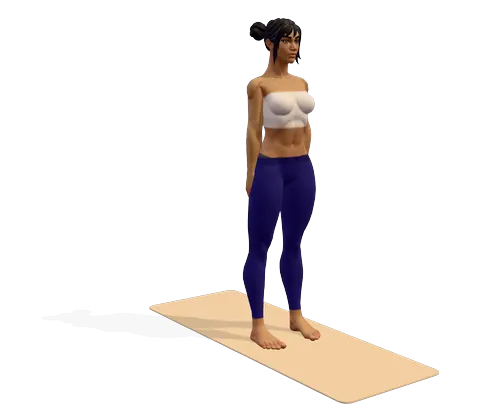 Mountain PoseTadasana
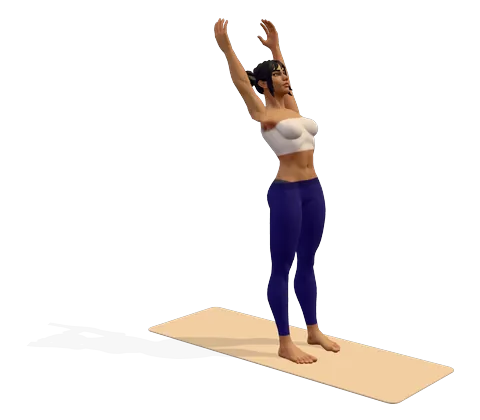 Raised Arms PoseHasta Uttanasana
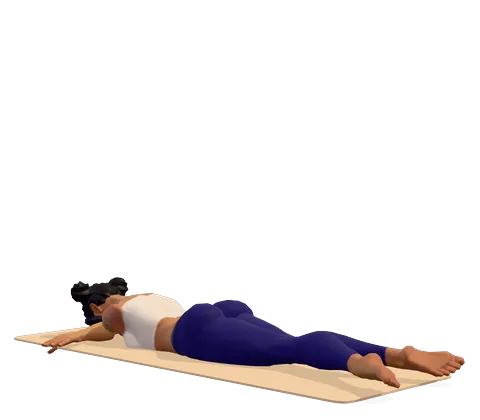 Crocodile PoseMakarasana
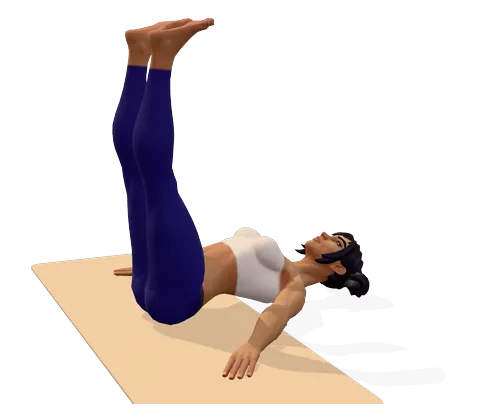 Legs-Up-the-Wall PoseViparita Karani
Mudras for cancer recovery (supportive care)
Hold a mudra while you sit for the breathing practice or a few minutes of quiet. Mudras are a traditional practice; research on them is limited.
Breathing practice
Avoid
Anything your oncology team has not cleared, especially with low blood counts, bone metastases or a fresh surgical site. Yoga supports care, it never treats cancer.
Moderate evidence: Randomised trials show a benefit; more research is under way.
Yoga for cancer patients is a gentle, supportive practice that can be done during or after treatment, with your oncology team's agreement. It does not treat cancer. What research does suggest, with moderate-quality evidence, is that yoga may improve quality of life and reduce fatigue and sleep problems for many people with cancer, especially women with breast cancer. This page explains the evidence, the safety checks to do first, the gentle poses in the session, chair and bed options, and how to pace yourself on hard days.
Is yoga good for cancer patients? What the research says
The evidence level for this page is moderate: there are many randomised trials, though most are small and many involve breast cancer.
- A 2017 Cochrane review by Cramer and colleagues looked at yoga for women with breast cancer. It concluded that moderate-quality evidence supports yoga as a supportive intervention for improving health-related quality of life and reducing fatigue and sleep disturbances, compared with no therapy.
- A large multicentre trial by Mustian and colleagues (2013) randomised 410 cancer survivors, mostly women, to a yoga programme or standard care. The yoga group had greater improvements in overall sleep quality, daytime functioning and sleep medication use.
- The US National Center for Complementary and Integrative Health (NCCIH) summarises that most studies have found yoga improves physical and psychological symptoms and quality of life for people with cancer, and advises talking to your health care providers about your individual needs.
So, yoga benefits for cancer patients are real but modest, mostly in how you feel day to day. There is no evidence that yoga slows or cures cancer, and nobody should delay or refuse treatment for it.
Before you start: questions for your cancer team
Yoga for oncology patients has to fit your treatment, your surgery and your blood results. Ask your oncologist, nurse or physiotherapist these questions before you practise:
- Bone metastases or weak bones? Cancer in the bones, or bone thinning from treatment, means avoiding deep bends, twists and weight on the spine. This is one of the key cancer physical therapy contraindications, and it overlaps with yoga and osteoporosis contraindications.
- Lymphoedema or risk of it? After lymph node surgery or radiotherapy, ask whether arm or leg exercises are safe and whether you should wear a compression garment.
- Port, PICC line or drain? Avoid pressure on the site and big arm movements on that side until your team says it is fine.
- Recent surgery? Wounds need time to heal. Wait for clearance before stretching near a scar, especially yoga after breast cancer surgery.
- Low blood counts? With low platelets, avoid anything that risks bruising or falls; with low white cells, practise at home rather than in shared spaces.
- Nerve damage, dizziness or balance problems? Use a chair and a wall.
Gentle yoga poses for cancer recovery: the session explained
These poses match the session cards above. Everything here can be made softer, and every pose is optional. Hold for 3–6 slow breaths at first.
1. Easy pose (Sukhasana)
Sit on a cushion or chair. Sukhasana is where you check in: how tired am I today, and what does my body need?
2. Cat–cow (Marjaryasana–Bitilasana)
On hands and knees, or seated on a chair with hands on your knees, gently round and lengthen the spine with the breath. Cat pose and cow pose ease a stiff back. Skip deep rounding with bone metastases in the spine.
3. Child's pose (Balasana)
Fold forward over your knees with a pillow under your chest and head. Balasana is restful. Skip it if you have a port or tender scar on the chest, or if kneeling is uncomfortable.
4. Bridge pose (Setu Bandhasana)
Lie on your back, knees bent, and lift your hips a little. Setu Bandhasana keeps the leg and buttock muscles working, which helps walking and getting up from a chair. Keep it low.
5. Reclining bound angle (Supta Baddha Konasana)
Lie back on cushions with the soles of the feet together and knees supported. Supta Baddha Konasana is a gentle chest and hip opener and a good place for slow breathing.
6. Reclining leg stretch (Supta Padangusthasana)
Lying down, loop a strap or belt around one foot and raise the leg only as far as is easy. Supta Padangusthasana stretches the hamstrings without loading the spine. Keep the other knee bent.
7. Corpse pose (Savasana)
Rest for 5–10 minutes in Savasana, with pillows under the knees and a blanket for warmth. Many people find this the most valuable part.
Breathing and meditation for cancer patients
Nadi Shodhana (alternate nostril breathing) is slow and steady; practise 3–5 minutes. Bhramari (humming bee breath) is calming before scans, appointments or sleep. Keep the breath soft; skip breath holds and forceful techniques such as Kapalbhati, especially with a port, recent surgery or lung cancer. Rest your hands in Gyan mudra if it helps you focus.
Meditation for cancer patients can be as simple as 5–10 minutes of guided rest. Try our guided Yoga Nidra, which you can do lying in bed.
Yoga during chemotherapy
How to cope with chemotherapy physically depends on the cycle. Many people feel worst in the days after an infusion and better before the next one. Exercise while on chemotherapy is generally encouraged by cancer services when it is gentle and approved by your team, and yoga for chemo patients should follow the same rhythm:
- Low days: breathing, Savasana or Yoga Nidra in bed, and a few gentle ankle and wrist circles.
- Middle days: seated or chair yoga for 10 minutes, plus a short walk.
- Better days: the full guided session with short holds.
Skip practice if you have a fever, feel faint, are vomiting, or have chest pain or breathlessness, and tell your team. How to stay healthy during chemotherapy also means washing hands, eating what you can and resting well; mouth ulcers, nausea and low counts all change what is sensible. These tips for chemotherapy patients also help you prepare your body for chemotherapy: staying gently active, sleeping well and eating what you can before treatment starts.
Chair yoga for cancer patients and yoga in bed
Chair yoga for cancer patients is ideal when getting to the floor is hard, you feel dizzy, or you have neuropathy. Gentle yoga in the chair for cancer recovery could be:
- Sit tall, feet flat, and take 5 slow breaths.
- Seated cat–cow: round and lengthen the spine with hands on the knees.
- Raise both arms slowly overhead as you breathe in (raised arms pose), only as high as comfortable; lower as you breathe out.
- Lift one knee at a time, 5 times each.
- Close your eyes and do Nadi Shodhana for 2 minutes.
See our chair yoga guide for more seated yoga for cancer patients. For bed days, simple breathing, ankle pumps and Yoga Nidra count as practice too.
Yoga for cancer fatigue: pacing your energy
Cancer-related fatigue is different from ordinary tiredness: it does not always get better with rest, and it can last months after treatment. How to fight cancer fatigue sounds like pushing harder, but the opposite works better. Managing cancer-related fatigue usually means:
- Gentle, regular activity. Exercise and cancer-related fatigue research consistently finds that light activity helps more than resting all day.
- Pacing. Do a little yoga at your best time of day and stop before you are exhausted.
- Sleep routine. A calm evening practice supports sleep, as the trial above found.
- Checking causes. Anaemia, thyroid problems, pain, low mood and some medicines add to fatigue; ask your team.
Fatigue after cancer treatment and how to get energy back after chemo both take time. Build up by a minute or two a week. Good fatigue management in cancer is a team effort, so tell your nurse how tired you are at each visit. If pain is part of the picture, gentle yoga for cancer patients with pain means supported, lying-down poses and slow breathing, alongside the pain relief your team prescribes. For long-lasting exhaustion, our yoga for chronic fatigue page has more pacing ideas.
Yoga for breast cancer patients and survivors
Most of the research is in breast cancer. After surgery, focus on slow, pain-free arm movements your physiotherapist approves; raised arms pose done lying down is often a gentle start. Watch for arm swelling, heaviness or tightness, which can be early lymphoedema, and report it. Yoga for breast cancer survivors later can include the full session. People with other cancers, including yoga for lung cancer patients, may need shorter holds and extra care with breathing; ask your team.
कैंसर मरीज़ों के लिए योग — yoga for cancer patients in Hindi: हल्का योग कैंसर के इलाज के साथ थकान, नींद और तनाव में मदद कर सकता है, लेकिन यह कैंसर का इलाज नहीं है। शुरू करने से पहले अपने कैंसर डॉक्टर से पूछें, ख़ासकर अगर हड्डियों में कैंसर, पोर्ट, हाल की सर्जरी या बाँह में सूजन (लिम्फेडेमा) हो। कुर्सी पर बैठकर या बिस्तर पर लेटकर धीमी साँस, नाड़ी शोधन और शवासन करें। बुखार या चक्कर हो तो योग न करें।
Safety notes
Stop and contact your cancer team if you notice new bone pain, sudden weakness or numbness, chest pain, breathlessness, a fever, a swollen or painful arm or leg, or redness or leaking around a port or wound. Yoga for cancer patients has few side effects when it is gentle, but avoid hot rooms, strong inversions, deep twists and anything your team has not cleared.
Try the guided session
This is free yoga for cancer patients online: start the guided 3D session at the top of this page at home, on a day you feel able. The figure shows each pose, the voice guides your breathing in your language, and you can choose shorter holds. More routines are on our guided sessions page.
Research behind this plan
- Cramer H et al. 2017, Cochrane Database of Systematic Reviews — moderate-quality evidence that yoga improves health-related quality of life and reduces fatigue and sleep disturbances in women with breast cancer vs no therapy
- Mustian KM et al. 2013, Journal of Clinical Oncology — multicentre RCT in 410 cancer survivors: yoga improved sleep quality and reduced sleep medication use vs standard care
- NCCIH (US National Institutes of Health) — Yoga: what you need to know, including yoga for people with cancer and safety
Frequently asked questions
Is yoga safe for cancer patients?
Gentle yoga is usually safe when your oncology team agrees and poses are adapted to you. Ask first about bone metastases, lymphoedema, ports, recent surgery and blood counts.
Can yoga cure cancer?
No. Yoga does not treat cancer. It is supportive care that may improve quality of life, fatigue and sleep alongside your medical treatment.
Can I do yoga during chemotherapy?
Often yes, gently, if your team agrees. Match it to how you feel in each cycle: breathing and rest on low days, a short session on better days. Skip it with fever, dizziness or vomiting.
Does yoga help cancer-related fatigue?
Research, mostly in breast cancer, suggests yoga may reduce fatigue and improve sleep. Gentle, regular activity and pacing tend to help more than resting all day.
What yoga should I avoid with bone metastases?
Avoid deep forward bends, twists, weight on the spine or neck and anything with a fall risk. Ask your team which movements are safe for you.
Is chair yoga good for cancer patients?
Yes. Chair yoga is a good option if you feel weak, dizzy or have numb feet, and it still gives the breathing and gentle movement benefits.
When can I do yoga after breast cancer surgery?
Follow your surgeon's and physiotherapist's advice. Gentle arm exercises often start early; wait for clearance before stretching near the scar or putting weight on your arms.
Medical note: yoga supports treatment; it does not replace it. Keep taking prescribed medicine and talk to your doctor before you start, especially with heart disease, uncontrolled blood pressure, recent surgery, pregnancy, epilepsy or severe pain. Read our medical disclaimer.