Your bipolar disorder (complementary care) yoga plan
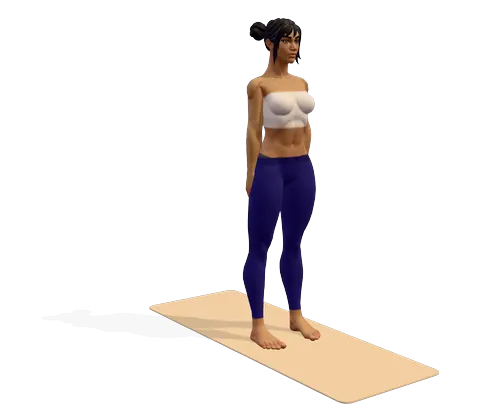 Mountain PoseTadasana
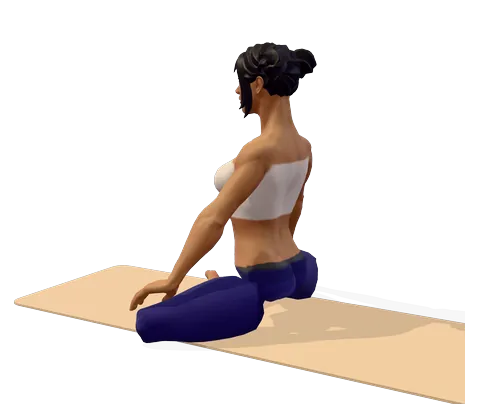 Easy PoseSukhasana
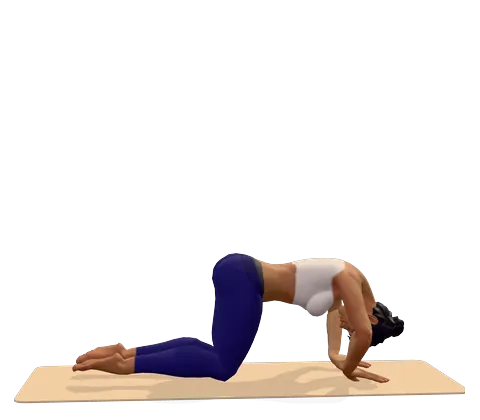 Cat PoseMarjaryasana
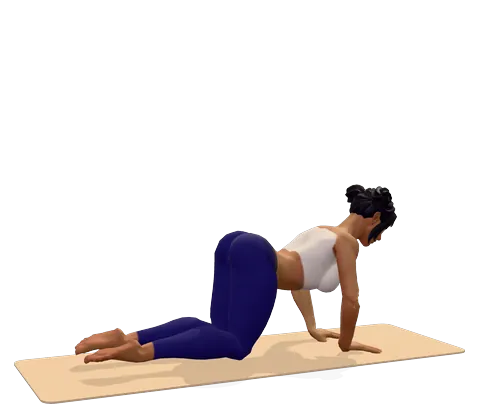 Cow PoseBitilasana
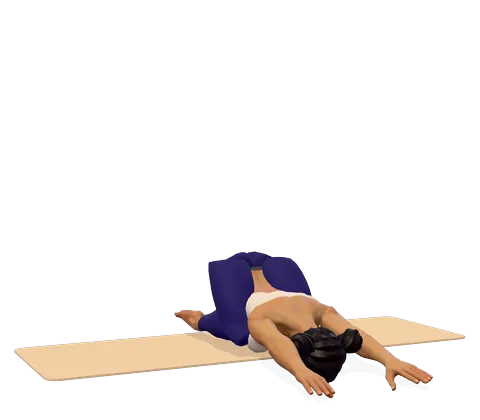 Child’s PoseBalasana
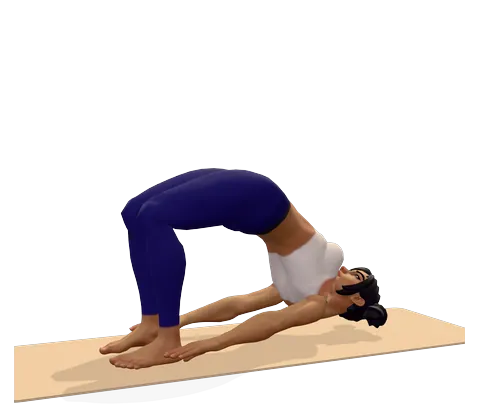 Bridge PoseSetu Bandhasana
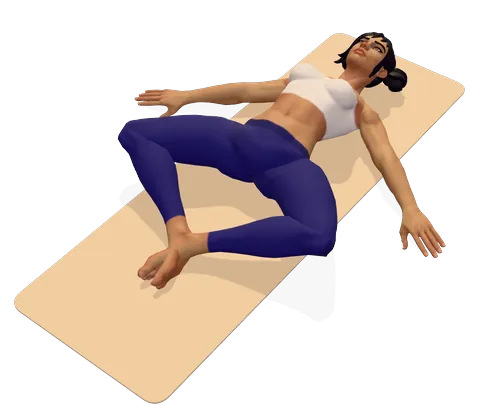 Reclining Bound Angle PoseSupta Baddha Konasana
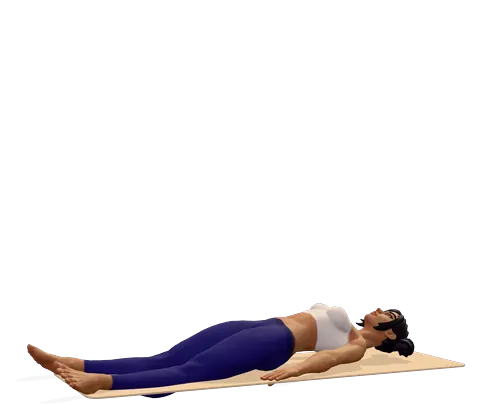 Corpse PoseSavasana
More poses that help with bipolar disorder (complementary care)
Add these once the session above feels easy, or swap one in when a pose does not suit you.
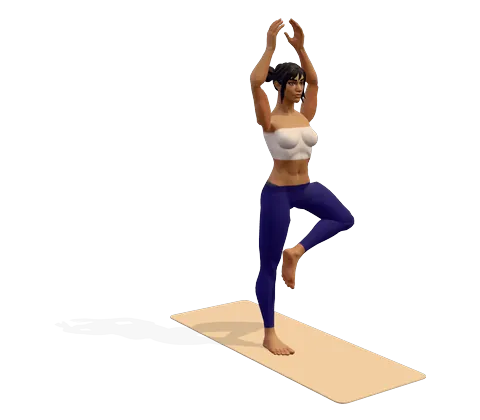 Tree PoseVrikshasana
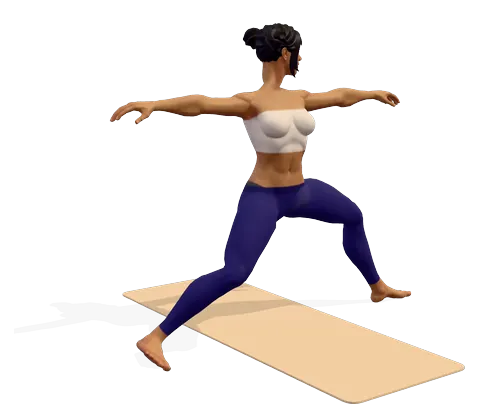 Warrior II PoseVirabhadrasana II
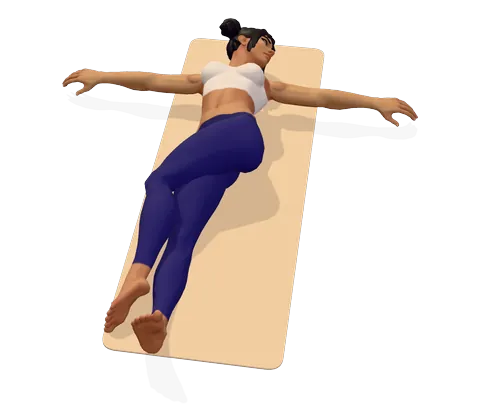 Supine Spinal TwistSupta Matsyendrasana
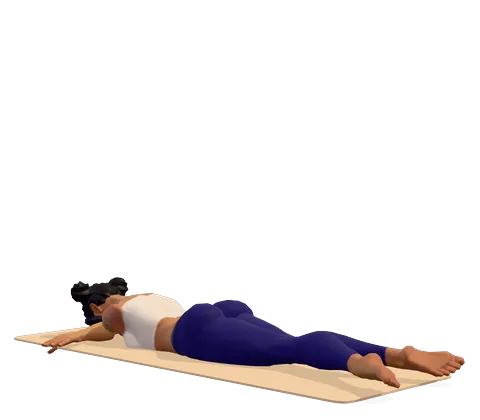 Crocodile PoseMakarasana
Breathing practice
Avoid
Rapid, forceful breathing (Kapalbhati, Bhastrika) and very long, intense sessions, which some people report can tip mood toward mania. Keep a regular sleep time and your medicine; yoga is an add-on, not a treatment. Seek help at once for thoughts of suicide.
Emerging evidence: Small or early trials look promising.
Guided meditation for bipolar disorder (complementary care)
Breath Awareness Meditation (10 min, voice in 28 languages) · Body Scan Meditation (15 min, voice in 28 languages)
Yoga for bipolar disorder can be a useful add-on to treatment: gentle poses, slow breathing and a regular routine may ease stress, anxiety and some depressive symptoms. But bipolar disorder needs medical care first, the research is still early, and a few popular practices, such as fast breathing and very long or intense sessions, may not suit you. This page explains how to use yoga safely, what the studies show, how each pose in the session helps, and how yoga fits with proven treatment.
Keep your treatment. Do not stop or change mood stabilisers or other medicines because you feel better with yoga. Tell your psychiatrist or care team that you have started. Seek help at once for thoughts of suicide: call your local emergency number or a crisis line (for example 988 in the US, Samaritans on 116 123 in the UK and Ireland, or Tele-MANAS on 14416 in India).
Is yoga good for bipolar disorder? The research
The evidence is emerging. In a 2014 survey of 86 people with bipolar disorder who practised yoga, most described benefits: less anxiety, a calmer mind and "a break from my thoughts". But yoga was not risk-free. Five people described times when a practice seemed to increase agitation or manic symptoms, and five described times it deepened low mood or lethargy. Physical injury was the most common problem.
A 2021 randomised trial added eight weeks of breathing-focused yoga to medicine in 72 people with unipolar or bipolar depression. Depression scores fell, but they fell just as much in the comparison group that received psychoeducation. A 2022 review of five studies concluded that yoga was well tolerated and may relieve some depressive symptoms, but there is too little research to call it a treatment. So yoga for bipolar depression looks promising as support; for mania, there is no evidence that yoga helps and good reason to be careful.
How can yoga help with bipolar disorder?
- A steady rhythm. Regular daily routines, especially sleep and wake times, help keep mood stable. A short practice at the same time each day becomes an anchor.
- Stress relief. Stress can trigger mood episodes. Slow breathing with a long out-breath is one of the simplest bipolar stress relief techniques.
- Noticing early changes. Paying quiet attention to your body each day can help you spot early warning signs: sleeping less without feeling tired, a racing mind, or heaviness and pulling away.
- Movement for low mood. Gentle exercises for bipolar disorder, such as yoga and walking, bring the physical and mental benefits of yoga together. Exercise and bipolar disorder go well together when the exercise is moderate and regular. How does exercise help bipolar? It supports sleep, energy, weight (some medicines cause weight gain) and heart health.
Best yoga for bipolar disorder: poses in the session
The session above uses eight grounding yoga asanas for bipolar disorder. None of them is fast or intense; that is deliberate. The best type of yoga for mental health in bipolar disorder is slow Hatha, restorative yoga or Yoga Nidra, not power yoga or hot yoga.
Mountain pose (Tadasana)
Mountain pose is the simplest grounding shape: feet rooted, spine tall, breathing steady. Feel the weight through your heels. It is a good check-in at the start of any day.
Easy pose (Sukhasana)
Easy pose is where you do the breathing. Sit on a cushion or a chair, eyes open or closed as you prefer.
Cat and cow (Marjaryasana and Bitilasana)
Cat and cow link each movement to one breath, which gently steadies a busy mind. Keep the pace slow even if you feel restless.
Child's pose (Balasana)
Child's pose is calming and inward. Rest your forehead on a cushion; widen your knees if your belly feels squashed.
Bridge pose (Setu Bandhasana)
Bridge pose brings some gentle strength to the legs and back and opens the chest, which helps on heavy, low days. Keep it low and comfortable.
Reclining bound angle and corpse pose
Reclining bound angle with pillows under the knees and corpse pose finish the session with supported rest. Five to ten minutes is enough.
Breathing and meditation for bipolar disorder
Choose slow, calming breathing. Anulom Vilom (alternate-nostril breathing without breath holds) and Bhramari (humming bee breath) are the two in this plan. Five minutes a day is plenty.
Avoid fast, forceful breathing. Kapalbhati, Bhastrika, Breath of Fire and similar rapid techniques are stimulating, and some people report that they tip mood towards mania or agitation. Skip them, and skip long breath holds.
Short meditation for bipolar disorder, such as 5–10 minutes of following the breath, or the guided rest of Yoga Nidra, is usually well tolerated. Bipolar disorder and meditation need care in one way: long silent retreats and many hours of daily meditation have been linked to mood changes in some people, so keep practices short. Yoga Nidra for bipolar disorder works best in the evening, at a regular time, to support sleep.
How to practise safely: side effects and warning signs
Yoga for bipolar disorder side effects are usually physical (sore muscles, strains), but mood effects matter more. Keep these rules:
- Protect your sleep. Do not practise late at night if it keeps you awake, and never cut sleep to fit yoga in.
- Keep it moderate. 15–30 minutes most days is better than long, intense sessions. Skip hot yoga; if you take lithium, heavy sweating and dehydration can raise lithium levels.
- Adjust to your mood. On high-energy days, choose the slowest poses and the humming breath, not a vigorous flow. On low days, gentle movement such as cat–cow and bridge may help more than lying still.
- Watch for early signs of mania: needing much less sleep, racing thoughts, talking fast, big plans or spending, irritability. If you notice them, contact your care team. How to calm bipolar mania is a medical question; yoga is not the tool for it.
What therapy is best for bipolar disorder?
The best treatment for bipolar disorder combines medicine and talking therapy. Treatment for bipolar I and the best treatment for bipolar 2 disorder differ in the details, which your psychiatrist decides, but mood stabilisers or certain antipsychotic medicines are the base for most people. Recommended therapy for bipolar disorder, the talking-therapy techniques with good research support, includes:
- Psychoeducation — learning about the condition, triggers and early warning signs.
- Cognitive behavioural therapy (CBT) — especially for bipolar depression.
- Family-focused therapy — how to support bipolar disorder at home, for families and partners.
- Interpersonal and social rhythm therapy — keeps daily routines and sleep regular, which is where yoga fits most naturally.
How to treat bipolar disorder with therapy is something to plan with your care team; the best treatment options for bipolar disorder, and the best treatment for bipolar 1 disorder in particular, almost always include medicine. Natural remedies for bipolar disorder and "holistic treatment" claims should be treated with caution. Alternative treatments for bipolar disorder, and home remedies for bipolar depression such as a regular routine, daylight and gentle exercise, can support wellbeing, but none replaces medicine, and some supplements interact with it. Bipolar disorder cannot be cured, but it can be managed well, and many people live full, stable lives.
How to manage mood swings day to day
Everyday mood swings and bipolar episodes are not the same thing, but some healthy coping strategies for mood swings help both, and the same habits are good bipolar disorder coping strategies. To reduce mood swings and cope with them better: keep regular sleep and meal times, get morning daylight, limit alcohol and caffeine, and track your mood. How to handle mood swings with exercise? Choose moderate, regular movement, such as walking or this session, rather than bursts of intense training. What helps with mood swings in the moment, and how to control mood swings naturally when they start, is often slow breathing, stepping away and a short walk. Therapy for mood swings is worth asking about if they disrupt work or relationships. You can track practice days on My Practice next to your mood notes.
Yoga for bipolar disorder for adults and seniors
For most adults, the session as shown is suitable. Yoga for bipolar disorder for seniors can be done on a chair: seated cat–cow, seated breathing and a supported rest. If medicines make you dizzy, rise slowly from the floor. The yoga for beginners guide covers the basics, and the yoga for depression and yoga for anxiety pages have more on yoga for depression and anxiety, and on how yoga helps mental health in general.
Try it at a steady pace: start the guided 3D session at the same time each day. The voice guides every pose in your language, and the saffron ring on the mat keeps your breathing slow and even.
Research behind this plan
- Uebelacker 2014, Journal of Psychiatric Practice — survey of 86 yoga practitioners with bipolar disorder: most reported benefits; a few reported increased agitation or mania, or low mood
- Ravindran 2021, Canadian Journal of Psychiatry — randomised trial in 72 people with unipolar or bipolar depression: breathing-focused yoga and psychoeducation both improved residual depression as add-ons to medicine
- Jean 2022, Cureus — systematic review of 5 studies: yoga was well tolerated and may ease depressive symptoms in bipolar disorder; evidence limited
Frequently asked questions
Is yoga good for bipolar disorder?
Gentle yoga can help many people with bipolar disorder feel calmer and may ease depressive symptoms, as an add-on to medicine and therapy. Research is still limited, and fast breathing or very intense practice may trigger agitation in some people.
Can yoga trigger mania?
It is uncommon, but in one survey a few people with bipolar disorder described practices that seemed to increase agitation or manic symptoms. Avoid rapid breathing like Kapalbhati and Bhastrika, long retreats and very long sessions, and protect your sleep.
What is the best therapy for bipolar disorder?
Medicine, usually a mood stabiliser, is the base of treatment. Psychoeducation, CBT, family-focused therapy and interpersonal and social rhythm therapy have the best research support alongside it. Yoga can support these but not replace them.
Can I stop my bipolar medication if yoga helps?
No. Stopping mood stabilisers can lead to relapse, sometimes severe. Keep taking your medicine as prescribed and discuss any change with your psychiatrist.
Is meditation safe for bipolar disorder?
Short, gentle meditation (5–20 minutes) and Yoga Nidra are usually well tolerated. Long silent retreats and hours of daily meditation have been linked to mood changes in some people, so keep practice short and regular.
How do I handle mood swings with exercise?
Choose moderate, regular movement at the same time each day, such as walking or a gentle yoga session. Avoid late-night intense exercise that disturbs sleep. If mood swings are severe or rapid, talk to your doctor.
Is hot yoga safe with bipolar disorder?
It is best avoided, especially if you take lithium: heavy sweating and dehydration can raise lithium levels. Practise in a normal room and drink water.
Medical note: yoga supports treatment; it does not replace it. Keep taking prescribed medicine and talk to your doctor before you start, especially with heart disease, uncontrolled blood pressure, recent surgery, pregnancy, epilepsy or severe pain. Read our medical disclaimer.