Your autism (children) yoga plan
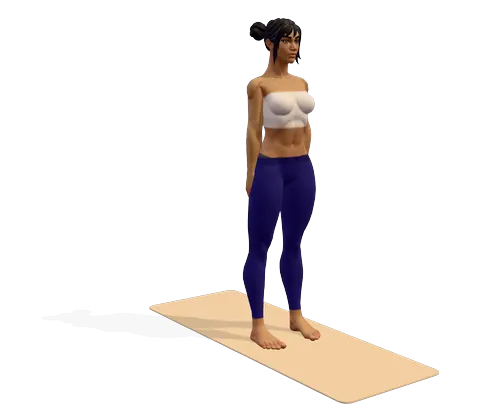 Mountain PoseTadasana
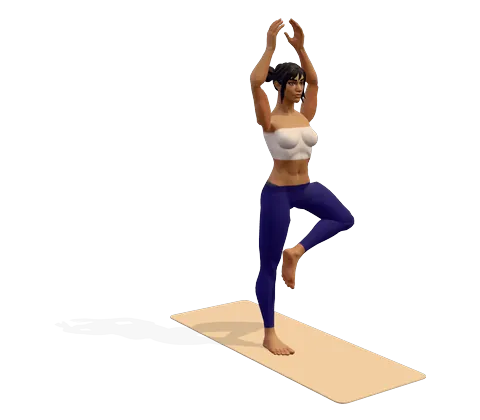 Tree PoseVrikshasana
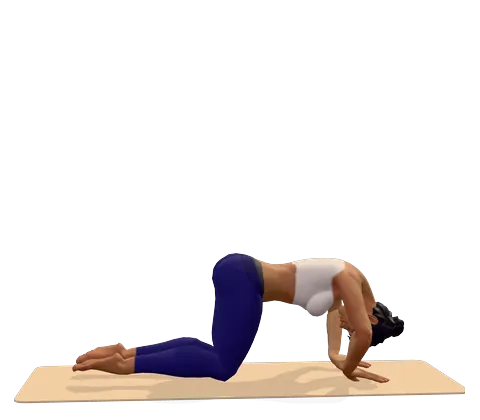 Cat PoseMarjaryasana
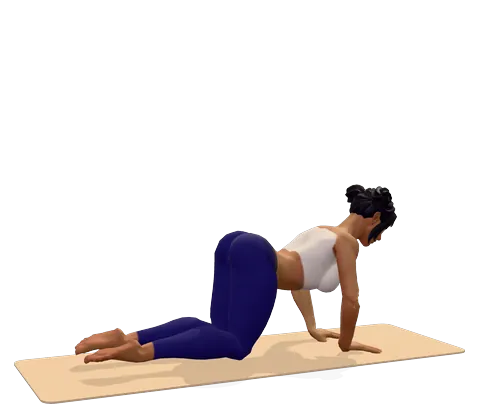 Cow PoseBitilasana
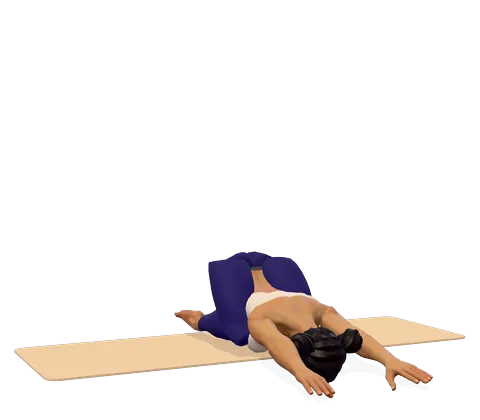 Child’s PoseBalasana
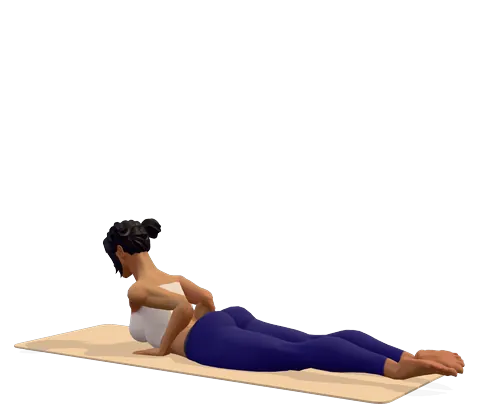 Cobra PoseBhujangasana
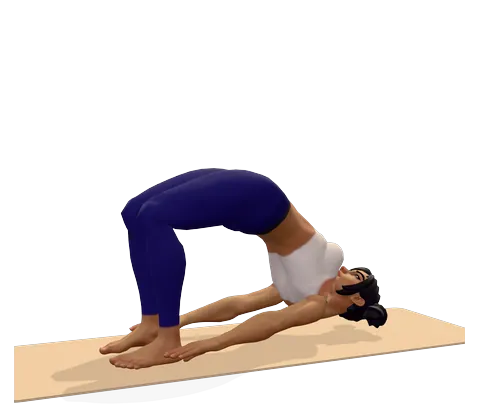 Bridge PoseSetu Bandhasana
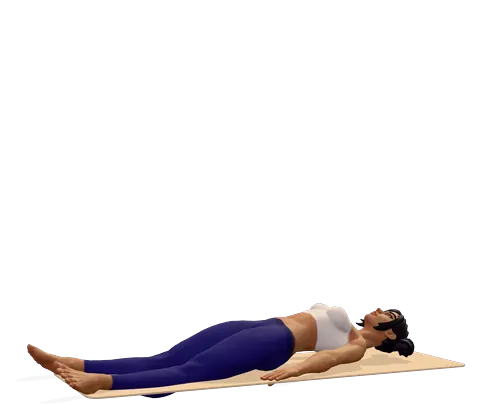 Corpse PoseSavasana
More poses that help with autism (children)
Add these once the session above feels easy, or swap one in when a pose does not suit you.
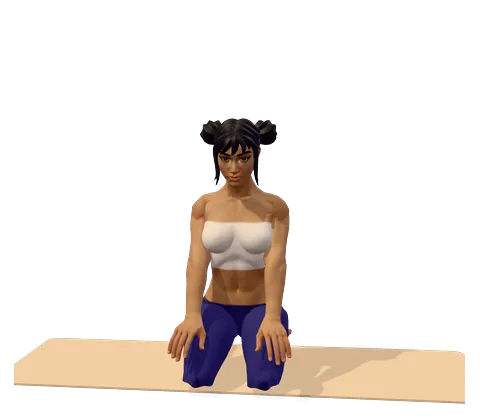
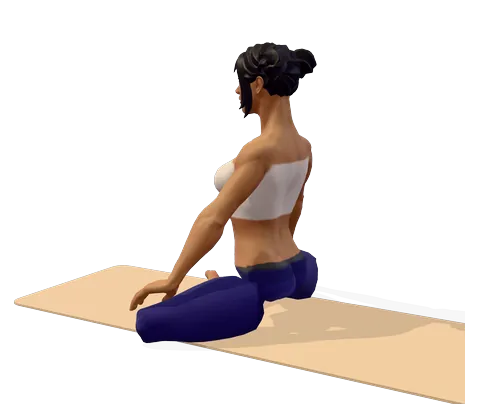
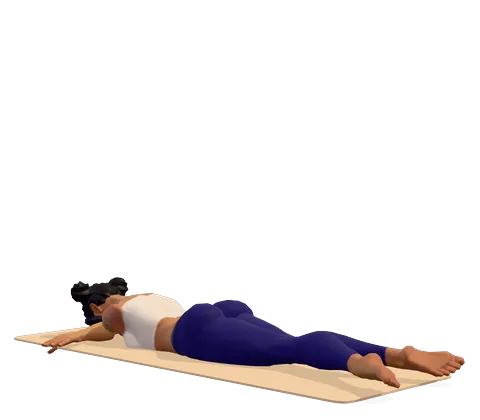
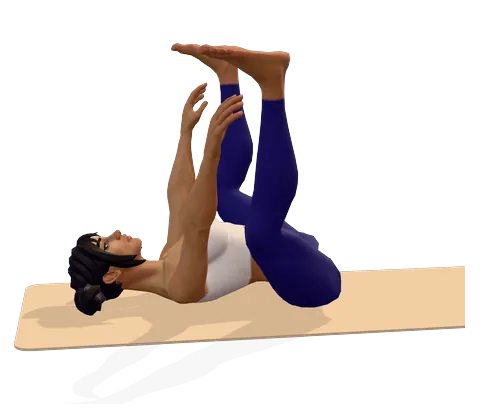
Breathing practice
Avoid
Forcing touch or poses; follow the child’s comfort and use the same short routine each time.
Emerging evidence: Small or early trials look promising.
Guided meditation for autism (children)
Breath Awareness Meditation (10 min, voice in 28 languages) · Body Scan Meditation (15 min, voice in 28 languages)
Yoga for autism is not about getting a child into perfect poses. It is a short, predictable movement routine that can help an autistic child notice their body, practise calming down and share a calm activity with you. This page is for parents, carers and teachers. It explains what research shows, how to set up a sensory-friendly session, how to adapt each pose, and how yoga fits with therapy. Autism is not an illness to cure; yoga is a supportive activity, and the child leads.
Is yoga good for autism?
It can be, for many children, but the evidence is emerging. A 2019 review of eight studies found that yoga and mindfulness programmes for autistic young people were feasible and may improve positive behaviour and reduce challenging behaviour, but concluded that the evidence for their effectiveness is still inconclusive. A 2017 randomised trial in 29 autistic children aged 7–15 found improvements on a parent-rated checklist after an eight-week yoga programme compared with controls, though not in speech and communication.
Yoga for autism spectrum disorder is also used by adults: yoga for adults with autism appears in a few small studies, though most research is in children. So does exercise help autism? Regular physical activity supports motor skills, sleep, fitness and mood in autistic children, and yoga is one enjoyable form of it. Other good exercises for autistic children include swimming, trampolining, walking and cycling; the best exercises for kids with autism are the ones the child enjoys and repeats. Yoga does not change autism itself, and families should be wary of anyone who says it does.
Why yoga can suit autistic children
- Predictability. The same poses in the same order every time. Many autistic children feel safer when they know what comes next.
- Body awareness. Pressing hands into the floor, stretching tall and curling small give strong, clear sensations (proprioceptive input) that many children find organising.
- Self-regulation. A few slow breaths or curling into child's pose can become a way to calm down that the child can use anywhere.
- Shared attention. Copying you or the 3D figure is a low-pressure way to do something together.
How to set up sensory yoga for kids with autism
Sensory yoga for autism starts before the first pose. Small changes make a big difference:
- Same place, same time. A mat in the same corner, at the same point in the day (for example after school snack).
- Light and sound. Soft light, no strong smells, and the voice volume turned low or off. The 3D guide shows captions, so you can mute the voice for a child who is sensitive to sound.
- Visual schedule. Show the poses in order, one picture per pose, and move a marker along. You can rotate the 3D figure and pause on each pose to preview it together.
- Clear start and end. Start with the same words ("Yoga time: mountain first") and end with the same signal, such as a bell from the meditation timer.
- A way to say "stop". A stop card, a hand signal or simply walking off the mat, respected every time.
Touch is optional. Never move a child's body into a pose without clear permission, and many children will not want any touch. Show the pose yourself and let them copy. Some children like firm pressure, such as a weighted blanket in rest, and some do not; follow the child's comfort.
Yoga poses for autism in the session
The routine uses eight simple poses in a fixed order. Use the same names every time.
Mountain pose (Tadasana)
Mountain is the start signal. "Feet on the floor, tall like a mountain." Pressing the feet down gives steady input.
Tree pose (Vrikshasana)
Tree builds balance. Keep one toe on the floor like a kickstand, or hold a wall or chair. Many autistic children have motor coordination differences, so any version counts.
Cat and cow
Cat and cow on hands and knees give strong pressure through hands and knees. Add sounds if the child likes them: "meow" in cat, "moo" in cow.
Child's pose (Balasana)
Child's pose is often a favourite: small, enclosed and safe. Teach it as the "calm-down shape" the child can choose any time. A cushion under the head helps.
Cobra pose (Bhujangasana)
Cobra gives firm pressure on the belly and hands. Add a gentle "hiss" if the child enjoys sounds.
Bridge pose (Setu Bandhasana)
Bridge is strong and active. A soft toy that rides up and down on the tummy makes it fun.
Corpse pose (Savasana)
Rest may last 30 seconds at first. Keep eyes open if the child prefers, offer a blanket, and never insist on stillness. Some children rest better lying on their front in crocodile pose or rocking in happy baby.
The "More poses" list also offers lion pose (tongue out, big breath out) for releasing energy and easy pose for sitting.
Breathing: humming bee breath
The one breathing exercise in this plan is Bhramari, humming bee breath. Breathe in through the nose, then hum on the way out. The hum gives vibration and a clear sound, and it naturally slows the breath. Some children love it; others dislike the sensation, so offer it and accept "no". Avoid breath holds and fast breathing with children.
How to teach an autistic child yoga
These teaching strategies for autistic children come from occupational therapy and special education practice:
- Show, do not explain. Model the pose, use few words, and give time to copy.
- One instruction at a time. "Hands down." Pause. "Knees down."
- Start tiny. Two or three poses for the first week, then add one at a time.
- Follow interests. If the child loves trains or space, rename poses: "rocket" for mountain, "tunnel" for bridge.
- Reward participation. Watching counts. Joining for one pose counts.
- Keep the routine the same. Change one thing at a time, and warn the child before you do.
How to teach a child with autism anything new follows the same rules: a calm place, a predictable order, visuals and patience. Teaching strategies for children with autism work best when every adult uses the same words. For how to engage autistic children who resist, try doing yoga yourself nearby without asking them to join. Many children come over when there is no pressure.
Yoga for autistic children by age, and for teens and adults
Yoga for an autistic child age 3: two or three animal poses, lots of copying, a minute or two at most. Yoga for an autistic child age 5: five to six poses with a picture schedule and a bell at the end, about five minutes. Older children can follow the full 3D session with holds set to "shorter".
Teens: yoga for teens with autism works best when they control the pace and privacy; the self-guided 3D session suits this well. Adults: yoga for autism adults, and yoga for special needs adults more broadly, can support stress, sleep and body awareness. Many autistic adults prefer clear, literal instructions and no hands-on adjustments; the voice guide on this site gives exactly that. Gentle exercises for adults with autism can include the same session plus walking, and the 3D guide makes this easy yoga for kids and adults to do together.
Chair yoga for autism: seated yoga for children who find floor work hard, or for classrooms: seated mountain, arm stretches, seated cat–cow and humming breath.
Yoga at home and in schools
Yoga for kids at home works well among autism activities at home and home activities for autistic children, because it needs little space and no equipment, and it is one of the easier indoor activities for an autistic child on a rainy day. Use it at transition times (after school, before bed) as a predictable bridge between activities. Classroom yoga for children with special needs can be two or three poses at the same time each day; yoga for school children and yoga for young children in nursery follow the same predictable pattern. The benefits of yoga for young children (balance, body awareness, a way to calm down) apply to all kids. For more games for all kids, see our yoga for kids guide. If your child also has ADHD, our yoga for ADHD page has ideas for shorter, more active sessions.
What therapy for autism, and where yoga fits
There is no single best therapy for autism. Support usually depends on the child's needs and may include speech and language therapy, occupational therapy (including sensory and motor work), and approaches that support communication, social understanding and daily skills. Home therapy for autism, and yoga in therapy for kids, often builds on what the therapist does in sessions. A therapy for an autistic child should be chosen with your care team. Yoga can be one pleasant, low-risk part of this. Tell your child's therapist you are doing it; many occupational therapists use similar poses and can suggest adaptations.
Yoga for autism side effects and safety
Yoga is low-risk. The main problems come from pushing: forcing a pose, using touch without consent, or making sessions too long. Watch for signs of overload (covering ears, turning away, getting louder or very quiet) and stop calmly; end with the usual signal so the routine stays predictable. Some autistic children have very flexible joints, so avoid pushing deep stretches. Children with epilepsy should avoid fast breathing and upside-down poses, and practise with an adult close by. If your child has a heart condition, low muscle tone or a history of dislocations, check with their doctor or physiotherapist first.
Try it together. Open the guided 3D session above, preview the poses by rotating the figure, then press start. Mute the voice and use captions if sound is too much.
Research behind this plan
- Semple 2019, Child and Adolescent Mental Health — review of 8 studies: yoga and mindfulness are feasible for autistic youth and may improve behaviour, but evidence is inconclusive
- Sotoodeh 2017, Complementary Therapies in Clinical Practice — randomised trial in 29 autistic children aged 7–15: 8-week yoga programme improved parent-rated checklist scores except speech/communication
Frequently asked questions
Is yoga good for autism?
Yoga can be a helpful, low-risk activity for many autistic children, supporting body awareness, calm and motor skills. Early studies are promising but limited, and yoga does not change autism itself.
What are the best yoga poses for autistic children?
Simple, clear poses with strong sensations: mountain, tree, cat and cow, child's pose, cobra, bridge and a short rest. Keep the same order every time.
How long should a yoga session be for an autistic child?
Start with one to five minutes and a few poses. Add time and poses slowly as the routine becomes familiar.
Should I help my child into a pose?
Only with clear permission. Many autistic children dislike being touched. Show the pose and let them copy; any version counts.
Can yoga replace autism therapy?
No. Yoga can support speech, occupational and other therapies, but it does not replace them. Tell your child's therapist what you are doing.
Is yoga good for autistic adults?
Yes, many autistic adults find yoga helpful for stress and sleep. A self-guided routine with clear, literal instructions and no hands-on adjustments often works best.
What if my child refuses to join?
Do the routine yourself nearby without pressure. Watching is participation. Many children join in their own time.
Medical note: yoga supports treatment; it does not replace it. Keep taking prescribed medicine and talk to your doctor before you start, especially with heart disease, uncontrolled blood pressure, recent surgery, pregnancy, epilepsy or severe pain. Read our medical disclaimer.