Your hip replacement recovery yoga plan
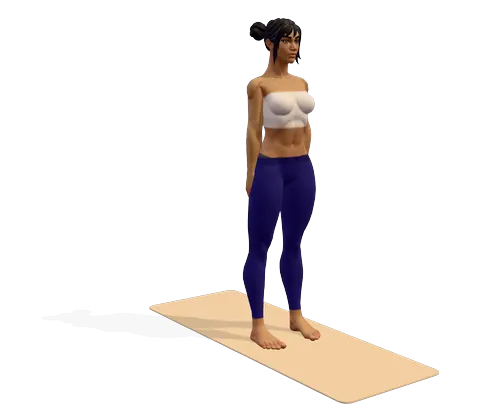 Mountain PoseTadasana
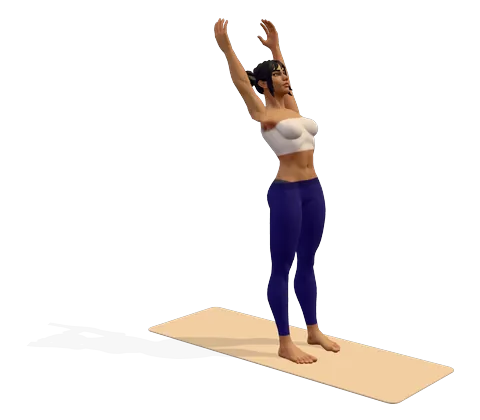 Raised Arms PoseHasta Uttanasana
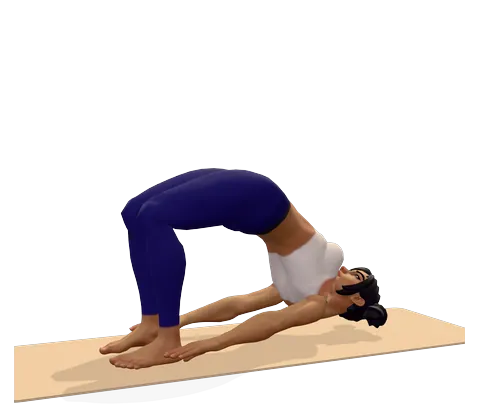 Bridge PoseSetu Bandhasana
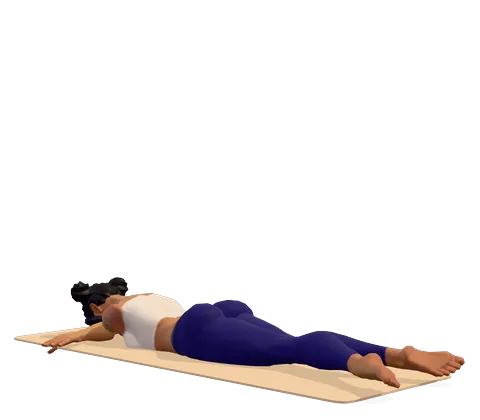 Crocodile PoseMakarasana
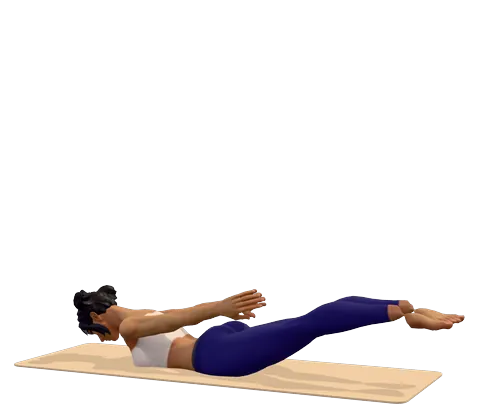 Locust PoseSalabhasana
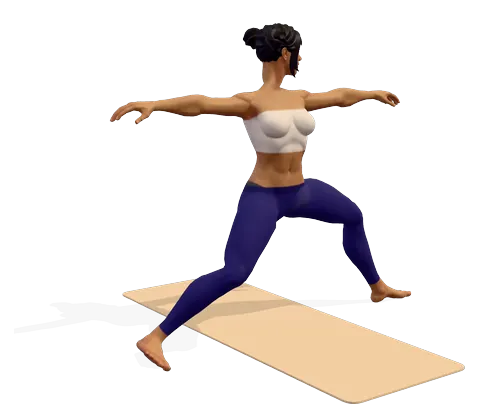 Warrior II PoseVirabhadrasana II
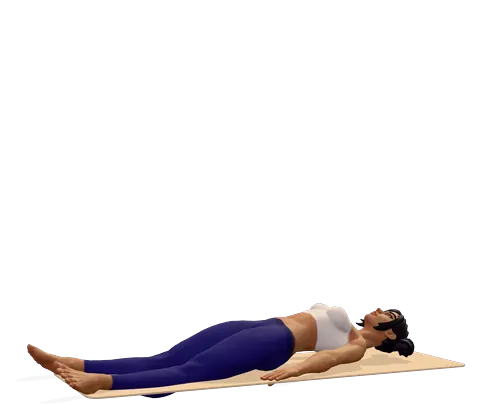 Corpse PoseSavasana
More poses that help with hip replacement recovery
Add these once the session above feels easy, or swap one in when a pose does not suit you.
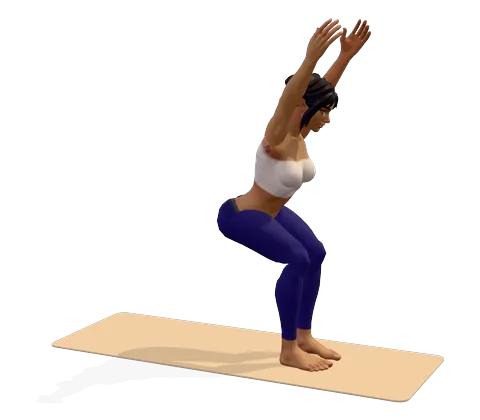 Chair PoseUtkatasana
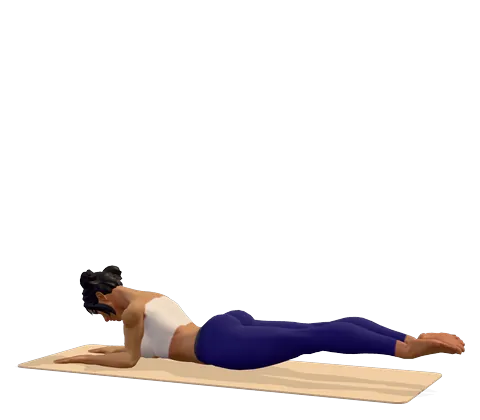 Sphinx PoseSalamba Bhujangasana
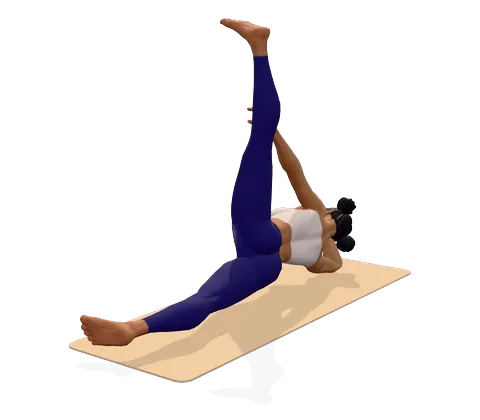 Side-Reclining Leg LiftAnantasana
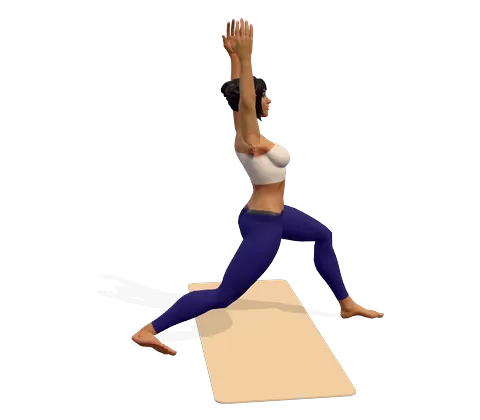 Warrior I PoseVirabhadrasana I
Breathing practice
Avoid
Follow your surgeon’s hip precautions exactly. Usually that means no bending the hip past 90 degrees (deep forward folds, Malasana, Child’s Pose, knees to chest), no crossing the legs or knees (Eagle, Cow Face, crossed-leg twists), no turning the knee inward, and no Pigeon or lotus. Keep chair-pose squats shallow. Stop for pain in one calf, a hip that clicks out of place, or a wound that is red or leaking.
Traditional practice: Used in classical yoga therapy; few clinical trials so far.
Yoga after hip replacement can help you walk, balance and move with confidence again, but it needs more care than most people expect. A new hip is strong once healed, yet some classic yoga positions push it towards the angles where it can dislocate. The yoga poses for hip replacement patients in the session above were built around the usual hip precautions: no deep hip bending, no crossed legs, no inward-turned knee. This page explains why, when to start, and how to adapt each pose.
Get help at once for pain and swelling in one calf or thigh, chest pain or breathlessness (possible blood clot), or a hip that suddenly clicks out of place, becomes very painful, or makes the leg look shorter or turned. Call your surgical team for a wound that is red, hot or leaking.
Can you do yoga after hip replacement?
Yes, most people can return to gentle yoga, with the right timing and changes. The evidence here is "traditional": there are no large trials of yoga for hip replacement patients. What there is points both ways.
- In a small series of 14 yoga teachers who had direct anterior hip replacements, all returned to practising and teaching, on average about 2 months after surgery, with no complications at follow-up. They were highly experienced and some poses needed modification.
- Surgeons have also reported late dislocations during yoga, years after surgery: one in a shoulder stand transition and one in a standing forward fold. Their advice is that some yoga positions can move the hip outside its safe range, and this risk may not disappear with time.
So is yoga safe after hip replacement? Doing yoga after hip replacement is reasonable when you respect your precautions, keep poses gentle and skip the extreme hip positions for good. Your surgeon and physio know your approach and implant, so their rules come first.
Hip replacement restrictions after surgery: anterior vs posterior
Your hip restrictions depend mostly on how the surgeon reached the joint. Ask which approach you had.
| Approach | Positions usually restricted | Yoga examples to skip or change |
|---|---|---|
| Posterior (back of the hip) | Bending the hip past 90 degrees, crossing the legs, turning the knee inward | Deep forward folds, Child's pose, knees to chest, Eagle, Cow Face, crossed-leg twists, Pigeon |
| Anterior (front of the hip) | Taking the leg far behind you while turning the foot out | Deep lunges, Warrior I with a long stance, Camel, deep backbends |
The NHS recovery advice lists the classic rules: do not sit with your legs crossed, do not bend your hip more than 90 degrees, do not bend down to touch your feet, and avoid jumping, sudden turns and anything with a high risk of falling while the hip recovers. Some hospitals now relax these rules sooner, especially after anterior surgery, but only your own team can tell you.
Yoga poses after hip replacement: how each one helps
Mountain pose and Raised Arms: standing tall and even
After surgery, most people shift weight away from the new hip. Mountain pose teaches you to stand evenly on both feet with a long spine, and Raised Arms pose adds a gentle side-body stretch without bending the hip. Hold a counter at first.
Bridge pose: hip strength without bending
Bridge pose is one of the best hip strengthening exercises after replacement: it works the buttock muscles that steady the pelvis when you walk. Keep your knees hip-width apart and pointing up, never falling together, and lift only a small way.
Crocodile and Locust: on your front
Resting in Crocodile pose gently opens the front of the hip, which gets tight from sitting. Locust pose, lifting one leg a little, strengthens the back of the hip. In the first weeks, getting down to the floor can break your precautions, so do these on a firm bed, or wait until your physio shows you a safe way down.
Warrior II: strength and balance
Warrior II builds thigh and hip strength with the legs apart, a position most hips tolerate well. Use a short stance, bend the front knee only a little, and keep the front knee over the ankle. Stand next to a chair.
Savasana: rest with the legs apart
End in Savasana with your legs slightly apart and toes pointing up. If your team asked you to keep the legs apart, place a pillow between your thighs.
Yoga poses to avoid after hip replacement
These yoga positions to avoid after hip replacement follow the usual precautions. Some are for the first months only; others are best left out for life.
- Deep hip bending: seated and standing forward folds, Malasana (garland squat), Child's pose, Happy Baby, knees to chest.
- Crossing the legs: Eagle, Cow Face, cross-legged sitting, crossed-leg twists.
- Extreme hip opening: Pigeon, lotus, splits, deep Bound Angle. "Yoga to open hips" routines are not for a new hip.
- Inversions with hip bending: Plough and shoulder stand.
- Deep lunges and backbends after anterior surgery.
- Anything with a fall risk: one-leg balances without support, fast flows, jumping.
The same exercises to avoid after hip replacement surgery apply outside yoga: activity restrictions after hip replacement usually include low chairs, bending to pick things up, and heavy lifting. Lifting restrictions after hip replacement are set by your team.
Hip pain after yoga that lasts into the next day means the practice was too much. Ease back, and tell your physio.
Yoga for hip replacement recovery: a rough timeline
Total hip replacement exercises after 2 weeks
Physical therapy after hip replacement starts in hospital. Your physio's rehab exercises after hip replacement come first: ankle pumps, buttock squeezes, heel slides within your limits, and walking. Add slow breathing and short standing work in Mountain pose. Home exercises after total hip replacement are how to strengthen the hip after hip replacement, so do them daily; UK hospitals give similar sheets of exercises after hip replacement surgery.
Hip replacement exercises after 4 weeks
Most people can add Bridge, Raised Arms, side-lying leg lifts (with a pillow between the knees if lying on your side is still restricted) and short Warrior II holds by a chair. Going up steps after hip replacement follows the rule "up with the good leg, down with the bad", and Mountain pose helps you do it evenly.
Exercises 4 months after hip replacement surgery and beyond
By about 3 to 6 months, many people move into a gentle class with modifications. Exercises 4 months after hip replacement surgery, exercises after hip replacement surgery month 5 and exercises 6 months after hip replacement surgery usually focus on strength, balance and walking further. Exercise for hip replacement after one year should simply be part of normal life: walking, swimming, cycling, yoga, and Pilates after hip replacement recovery is complete.
How long to exercise after hip replacement? Keep your home programme going for at least the first year, and keep some strength and balance work for life.
Chair yoga after hip replacement and for seniors
Chair yoga after hip replacement is ideal for the early weeks. Use a high, firm chair with arms, so your hip does not bend past a right angle as you sit. Do seated arm raises, gentle side bends, ankle circles and standing work holding the chair back. Yoga after hip replacement for seniors should put balance first: these balance exercises after hip replacement help prevent falls, the main risk to a new hip. See our chair yoga and balance and fall prevention pages.
Yoga after anterior hip replacement, double replacement and for women
Yoga after anterior hip replacement usually allows more hip bending, which is why the yoga teachers in the study above returned so quickly. Be careful with the back leg in lunges and Warrior I instead.
Yoga after double hip replacement should stay with the most conservative rules for both hips until both are cleared.
Yoga after hip replacement for women follows the same rules. Many women were very flexible before surgery, and that flexibility can make it easy to slip past 90 degrees without noticing.
Does yoga help with hip pain before surgery?
Is yoga good for hip pain from arthritis? For hip arthritis, gentle yoga, walking, swimming and hip strengthening can ease pain and stiffness, and physiotherapy is part of standard care. Some people ask how to avoid hip replacement surgery, or whether you can avoid hip replacement with exercise: exercise can delay surgery for some people, but it cannot reverse severe joint damage. See yoga for hip pain and yoga for arthritis. For yoga for knees and hips after surgery, also read yoga after knee replacement. Yoga for hip injuries such as fractures needs the same medical clearance.
Breathing for calm recovery
Pain and poor sleep are common in the first weeks. Slow breathing such as Anulom Vilom or box breathing, lying on your back, helps you relax without moving the hip. Yoga after hip replacement side effects are rare, but new pain, swelling or clicking means stop and call your team. Restorative yoga poses for hips, such as lying with the calves on a chair seat, feel good once your team allows it: this kind of yoga gives back and hip release without breaking the rules. Calm, steady practice is what yoga after total hip replacement and the whole of yoga after hip replacement recovery need.
हिप रिप्लेसमेंट के बाद योग (hip replacement ke baad yoga) — हिंदी में डॉक्टर और फिज़ियोथेरेपिस्ट की अनुमति के बाद ही योग शुरू करें। ताड़ासन, हस्त उत्तानासन, सेतुबंधासन और वीरभद्रासन 2 जैसे हल्के आसन कूल्हे को मज़बूत करते हैं। कूल्हे को 90 डिग्री से ज़्यादा न मोड़ें, पैर क्रॉस न करें, और कबूतर आसन, बालासन या आगे झुकने वाले आसन न करें। पिंडली में दर्द या सूजन हो तो तुरंत डॉक्टर को दिखाएँ।
Practise with the 3D guide
If you were looking for a yoga after hip replacement video, the 3D guide at the top of this page does the same job: the teacher shows every pose, you can rotate her to check that your hip stays in a safe range, and the voice guides you in 28 languages. Choose the "shorter" hold time at first, and track your sessions in your practice tracker.
Research behind this plan
- Yun 2021, Cureus — 14 yoga teachers (19 direct anterior hip replacements) all returned to practising and teaching, at a mean of about 2 months, with no complications at follow-up
- Adrados 2018, Arthroplasty Today — two late hip replacement dislocations during yoga, with advice to avoid extreme hip positions
- NHS — Recovering from a hip replacement: do not cross your legs, bend the hip past 90 degrees or do jumping exercises while the hip recovers
- NCCIH (US National Institutes of Health) — Yoga: What You Need To Know, including safety
Frequently asked questions
Is yoga good after hip replacement?
Gentle yoga can help with strength, balance and walking after hip replacement, as long as you follow your hip precautions. Avoid deep hip bending, crossed legs and extreme hip opening, and ask your surgeon or physiotherapist first.
What yoga poses should I avoid after hip replacement?
Usually deep forward folds, Malasana, Child's pose, knees to chest, Eagle, Cow Face, crossed-leg twists, Pigeon, lotus, plough and shoulder stand. After anterior surgery, also be careful with deep lunges and backbends.
When can I start yoga after hip replacement?
Breathing and gentle standing work can start early, alongside your physio exercises. Many people add more poses from about 4 to 6 weeks, and a gentle class with modifications from about 3 months, once their team agrees.
Can yoga dislocate a hip replacement?
It can happen. Surgeons have reported late dislocations during a shoulder stand transition and a standing forward fold. Staying out of extreme hip positions lowers the risk.
Is chair yoga safe after hip replacement?
Yes, if the chair is high and firm with arms, so your hip does not bend past a right angle. Chair yoga is a good way for seniors to rebuild strength and balance.
What is the best exercise after hip replacement?
Walking every day, plus the strengthening exercises from your physio, is the core. Swimming (once the wound has healed), cycling, gentle yoga and Pilates are good additions later.
Can I cross my legs in yoga after hip replacement?
Not in the early months, and often not at all after posterior surgery. Sit with your legs apart or on a chair, and ask your surgeon whether the rule ever changes for you.
Medical note: yoga supports treatment; it does not replace it. Keep taking prescribed medicine and talk to your doctor before you start, especially with heart disease, uncontrolled blood pressure, recent surgery, pregnancy, epilepsy or severe pain. Read our medical disclaimer.