Your social anxiety yoga plan
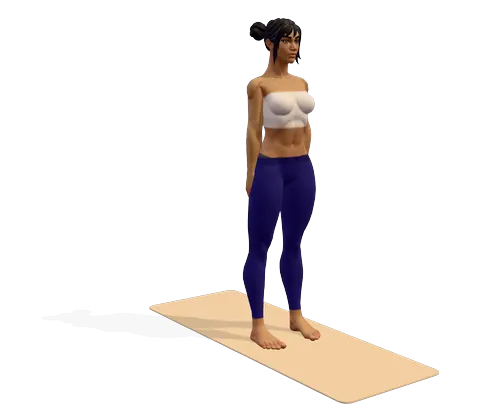 Mountain PoseTadasana
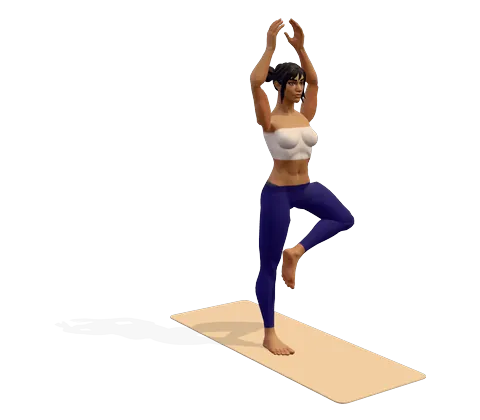 Tree PoseVrikshasana
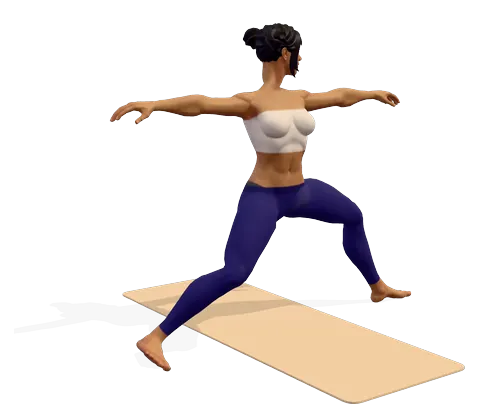 Warrior II PoseVirabhadrasana II
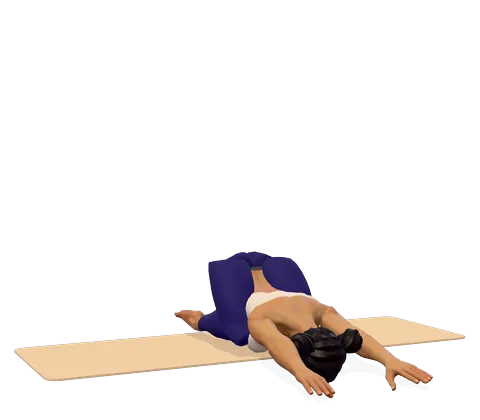 Child’s PoseBalasana
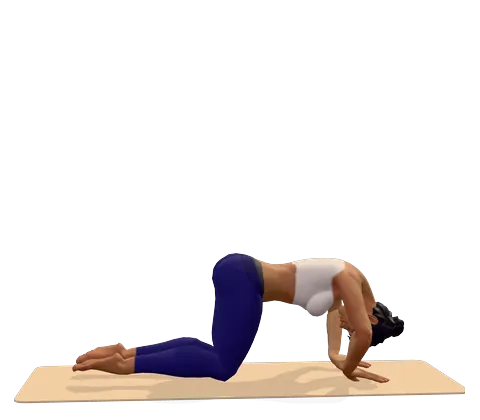 Cat PoseMarjaryasana
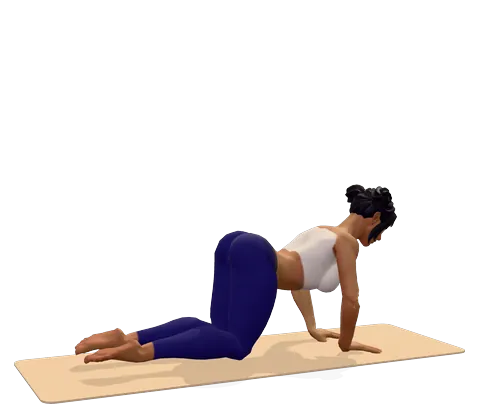 Cow PoseBitilasana
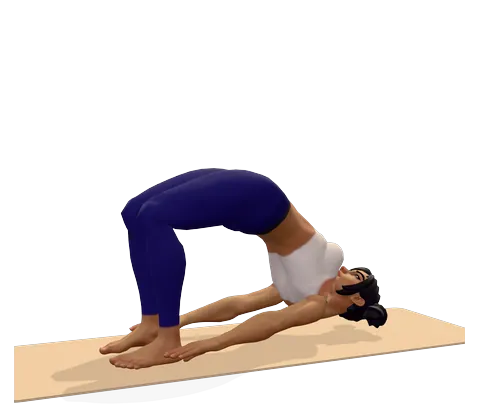 Bridge PoseSetu Bandhasana
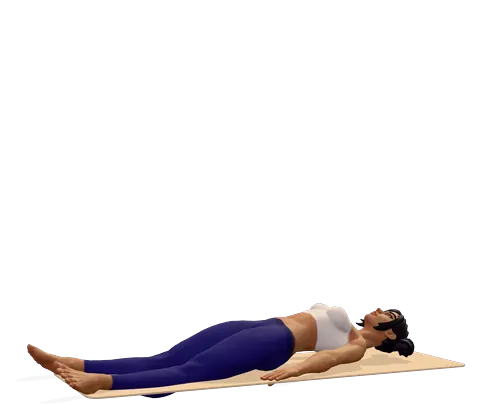 Corpse PoseSavasana
More poses that help with social anxiety
Add these once the session above feels easy, or swap one in when a pose does not suit you.
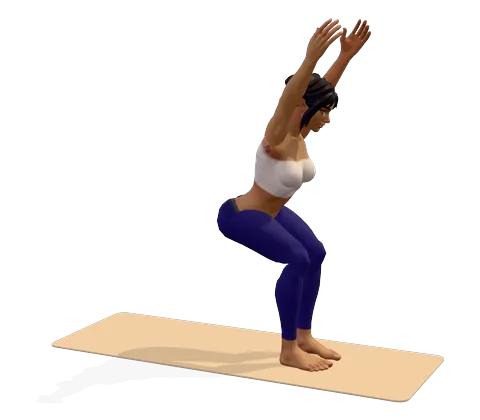 Chair PoseUtkatasana
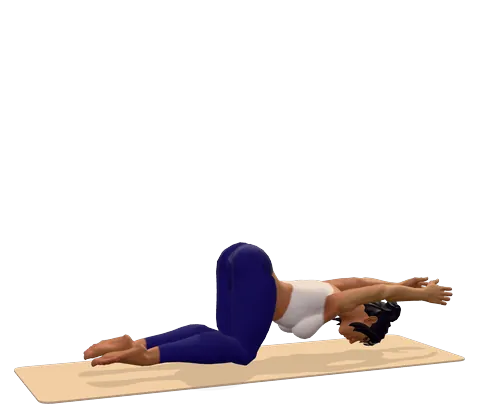 Extended Puppy PoseAnahatasana
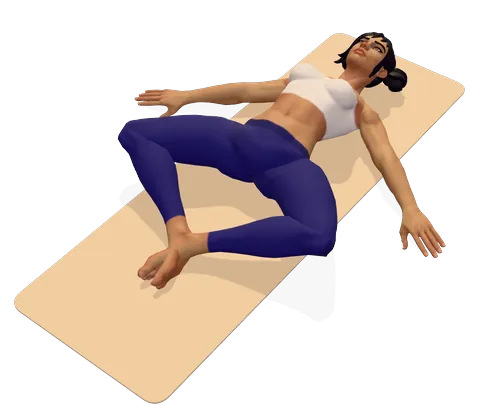 Reclining Bound Angle PoseSupta Baddha Konasana
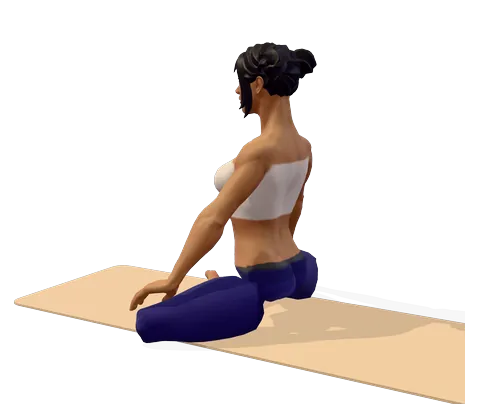 Easy PoseSukhasana
Mudras for social anxiety
Hold a mudra while you sit for the breathing practice or a few minutes of quiet. Mudras are a traditional practice; research on them is limited.
Avoid
Fast breathing and long breath holds if they bring on panic. Yoga supports therapy (such as CBT) and medicine; it does not replace them.
Emerging evidence: Small or early trials look promising.
Guided meditation for social anxiety
Loving-Kindness Meditation (12 min, voice in 28 languages)
Yoga for social anxiety works on the part of the problem you can feel: the pounding heart, hot face, shaky hands and shallow breathing that arrive when people are watching. Yoga cannot remove the worried thoughts on its own, but slow breathing and steady poses give your body a calmer default, and that makes it easier to stay in a conversation, a meeting or on a stage. Use it next to proven care such as cognitive behavioural therapy (CBT), not instead of it.
Social anxiety, shyness and stage fear: what is the difference?
Shyness is a normal trait: you warm up slowly in new company. Stage fear (performance anxiety) is tied to one situation, such as giving a talk. Social anxiety disorder, also called social phobia, is a lasting, strong fear of being judged that makes you avoid everyday things like phone calls, eating in company or speaking up at work.
All three share the same body alarm: adrenaline, a fast pulse, sweating, blushing, trembling and quick upper-chest breathing. That alarm is where yoga for social anxiety body symptoms helps most. If fear is shaping your life, see a doctor; the NHS notes that social anxiety often does not go away without treatment, and that talking therapies help.
How can yoga help with anxiety in social situations?
Doing yoga for anxiety and stress trains four skills you can take into any room:
- A longer out-breath. Breathing out more slowly than you breathe in tends to slow the heart.
- Grounding. Standing poses teach you to feel your feet and hold still while your heart is beating fast, which is exactly the skill a nervous speaker needs.
- Body awareness without judgement. On the mat you notice tension and let it go instead of fighting it. This is the idea behind somatic yoga for anxiety.
- Safe exposure to being seen. Holding Warrior II with your chest open can feel exposed at first. Staying in it, breathing, is a small rehearsal for being looked at.
Is yoga good for anxiety? What the research says
The evidence level for this page is emerging. There are no large trials of yoga for social anxiety disorder itself, so honesty matters here:
- A 2023 meta-analysis in the British Journal of Sports Medicine (23 studies, 1,420 adults) found yoga reduced anxiety symptoms in people with anxiety disorders, but rated the certainty of the evidence as very low.
- In a trial of 56 adults with social anxiety disorder, both a mindfulness course (MBSR, which includes gentle yoga) and aerobic exercise reduced social anxiety and depression, with gains still present three months later.
- In adolescent musicians, a 6-week yoga programme reduced music performance anxiety compared with a group that did no yoga. An earlier study in young professional musicians found a similar trend.
- Single case reports describe people with social anxiety who improved with yoga, breathing and meditation, but one case cannot show that yoga works for everyone.
Does yoga help depression and anxiety together? The same meta-analysis found yoga also eased depression symptoms in depressive disorders, again with low certainty. So, does yoga reduce anxiety? It seems to reduce stress and anxiety for many people, including stage fear, but yoga can't cure anxiety, and for social anxiety disorder CBT and, sometimes, medicine remain the main treatments.
Best yoga for social anxiety: the poses, one by one
These yoga asanas for stress and anxiety are the yoga poses to reduce anxiety in your session above, moving from standing, to kneeling, to lying still. Breathe through the nose and keep the out-breath a little longer than the in-breath.
Mountain pose (Tadasana): stand your ground
Stand with feet hip-width apart in Tadasana, weight even through heels and toes, arms relaxed. Feel the floor under both feet. Use it, unseen, while you wait to speak.
Tree pose (Vrikshasana): calm focus
Balance on one leg with the other foot on your calf or thigh in Vrikshasana. Balancing needs a quiet mind; when your thoughts race, you wobble. Rest a hand on a wall if needed; wobbling is fine.
Warrior II (Virabhadrasana II): open and steady
Step wide, bend the front knee over the ankle and stretch the arms out in Warrior II. The chest is open and the gaze is steady over the front hand. Many shy people find this pose uncomfortable at first; that is the point. Breathe and stay.
Cat and cow (Marjaryasana–Bitilasana): move with the breath
On hands and knees, round the back as you breathe out in cat pose and gently lift the chest as you breathe in for cow pose. Linking each movement to one breath gives an anxious mind something simple to follow.
Child's pose (Balasana): a safe place
Kneel and fold forward with your forehead down in Balasana. Breathe into your back. It is a simple yoga shape to release anxiety, and the one to return to whenever you feel overwhelmed.
Bridge pose (Setu Bandhasana): gentle courage
Lying on your back, press through your feet and lift your hips in Setu Bandhasana. A mild chest-opener; keep your neck still.
Corpse pose (Savasana): let it land
Finish lying still for 5–10 minutes in Savasana. If lying with your eyes closed makes you uneasy, keep them open and look at one point on the ceiling.
Breathing techniques for public speaking anxiety relief
Breathing is the fastest yoga to relieve anxiety in the moment. These three are the core anti-anxiety methods for public speaking in this plan:
- Sama Vritti (box breathing): in, hold, out, hold for an equal count, such as 4. Use a short, gentle hold or skip the holds if they make you feel panicky.
- Bhramari (humming bee breath): a long hum on the out-breath. It slows your breathing and warms up the voice, which makes it a good one before a talk.
- Ujjayi (ocean breath): a soft whisper in the throat on each breath. Quiet enough to use in a meeting.
Avoid fast breathing such as Kapalbhati and Bhastrika, and long breath holds, if they bring on dizziness or panic. You can time slow breathing with our breathing exercise timer.
How to overcome stage fear: a 10-minute routine before you speak
Most tips to overcome stage fear say "just relax"; these exercises for public speaking anxiety give your body a way to do it. Here is how to yoga for public speaking anxiety on the day, somewhere quiet such as a spare room or a bathroom:
- Minutes 1–2: stand in Mountain pose, feel your feet, and breathe out slowly through the mouth as if blowing through a straw.
- Minutes 3–4: shake out your hands and arms, roll your shoulders, and do three slow Warrior II holds (one each side, then repeat) to use up nervous energy.
- Minutes 5–6: five rounds of Bhramari to calm the breath and relax the throat.
- Minutes 7–8: box breathing (4-4-4-4) with your eyes open.
- Minutes 9–10: stand tall, and say your first two sentences out loud, slowly.
To control anxiety when public speaking begins, place both feet flat, pause, and take one long out-breath before your first word. A pause feels long to you and normal to the audience.
Ways to deal with public speaking anxiety beyond the mat
Yoga works best combined with the strategies for public speaking anxiety that therapists use. These ways to help with public speaking anxiety let you manage, cope with and slowly reduce anxiety in public speaking:
- Practise out loud, first alone, then to one friend, then a small group. This gradual training is the most reliable way of overcoming anxiety in public speaking and how to reduce stage fear over time.
- Prepare the start: know your first minute well; the fear usually drops once you begin.
- Shift your focus from "How do I look?" to "What does the audience need?"
- Expect symptoms: a fast heart is normal and does not mean you are failing. Trying to avoid stage fear completely often makes it worse; aim to speak with it.
- Meditation for public speaking anxiety: 10 minutes a day with our meditation timer trains you to notice a worried thought and return to the breath.
If the fear stops you working or studying, ask about public speaking anxiety treatment: CBT, group therapy and, sometimes, short-term medicine.
How to overcome shyness as an adult
You do not need to get rid of shyness completely; many shy people are great listeners. To get over shyness where it holds you back, try one small social step a day (a question to a colleague, a phone call you would normally avoid), and use the breathing above before and after. Each step is a small way to fight fear. These strategies for social anxiety are the same social anxiety therapy exercises a CBT therapist would plan with you.
Yoga Nidra for social anxiety and sleep
Many people with social anxiety replay conversations at night. A guided Yoga Nidra session of 10–20 minutes before bed is a simple way to wind down. It also works as meditation for releasing fear after a hard day. If worry keeps you awake most nights, see our yoga for sleep plan.
Yoga for social anxiety for kids and teens
Kids yoga for anxiety should be playful: a "wobbly tree", a "buzzing bee" breath and a "hiding turtle" child's pose. Teens can use the pre-talk routine before school presentations. See our yoga for kids guide. If a child avoids school or friends because of fear, talk to their doctor or school counsellor.
How often to practise yoga for social anxiety
Do these yoga exercises for anxiety 3–4 times a week (15–20 minutes), plus 5 minutes of slow breathing every day, including calm days, so the skill is ready when you need it. Most yoga studies ran for 6–12 weeks. Pair it with walking or cycling, which also helped in the trial above. Men get social anxiety too, and yoga is a private, low-key way for men to look after their mental health. Feeling low too? See yoga for anxiety and yoga for depression.
When to get help
See a doctor or mental health professional if fear of social situations lasts for months, makes you avoid work, school or friends, comes with panic attacks, or if you use alcohol to get through social events. If you have thoughts of harming yourself, contact emergency services or a crisis line now. Keep taking any prescribed medicine; yoga supports therapy and medicine, it does not replace them.
Start your yoga for social anxiety session
Play the guided 3D session on this page. The teacher figure shows each pose, the voice guides you in your language, and the saffron ring on the mat helps you slow your breathing. It is gentle yoga for stress and anxiety relief you can do in private; more calming routines are on our guided sessions page.
Research behind this plan
- Martínez-Calderon 2023, Br J Sports Med — meta-analysis (23 studies, 1,420 adults): yoga reduced anxiety symptoms in anxiety disorders; certainty of evidence very low
- Jazaieri 2012, J Clin Psychol — RCT (56 adults with social anxiety disorder): MBSR and aerobic exercise both reduced social anxiety, gains held at 3 months
- Khalsa 2013, Altern Ther Health Med — controlled study in adolescent musicians: 6 weeks of yoga reduced music performance anxiety vs no yoga
- Javed 2022, J Ayurveda Integr Med — case report: yoga, pranayama and meditation lowered social anxiety scores in one patient
- NHS — Social anxiety (social phobia): symptoms, self-help and talking therapies
Frequently asked questions
Is yoga for social anxiety worth trying?
Yoga may help with the body symptoms of social anxiety, such as a racing heart and shaky breathing, and studies show it reduces anxiety in general. It is not a proven treatment for social anxiety disorder, so use it alongside CBT or the care your doctor recommends.
Which yoga is good for anxiety before speaking in public?
Grounding standing poses (Mountain, Warrior II), a few rounds of Bhramari humming breath and box breathing with a long out-breath. Avoid fast breathing just before you speak.
What are the best yoga poses for social anxiety?
Mountain pose, Tree pose, Warrior II, cat and cow, Child's pose, Bridge pose and Savasana. Together they ground you, open the chest and teach you to stay calm while being seen.
How do I deal with stage fear quickly?
You cannot get rid of stage fear in one go, but you can calm it. Stand with both feet flat, breathe out slowly through the mouth for longer than you breathe in, and repeat five times. Then say your first sentence slowly. The goal is to speak with some fear, not to get rid of it first.
Can yoga cure anxiety?
No. Yoga can reduce anxiety symptoms for many people, but it does not cure anxiety disorders. Therapy, and sometimes medicine, are the main treatments.
How does yoga help with anxiety in the body?
Slow breathing with a long out-breath tends to slow the heart, and holding steady poses teaches you to stay still while you feel nervous. Over weeks, many people find their body alarm settles faster.
Is yoga helpful for shyness?
Yoga will not change your personality, and shyness is not a problem in itself. It can help you feel calmer in your body so small social steps feel easier.
How long does yoga for social anxiety take to work?
Breathing can calm you within minutes. Lasting change usually takes regular practice for 6–12 weeks, combined with gradually facing the situations you fear.
Medical note: yoga supports treatment; it does not replace it. Keep taking prescribed medicine and talk to your doctor before you start, especially with heart disease, uncontrolled blood pressure, recent surgery, pregnancy, epilepsy or severe pain. Read our medical disclaimer.