Your menopause yoga plan
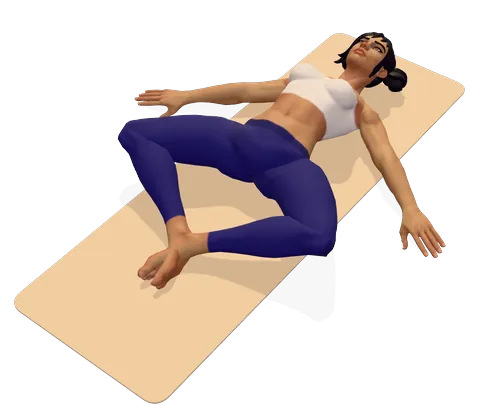 Reclining Bound Angle PoseSupta Baddha Konasana
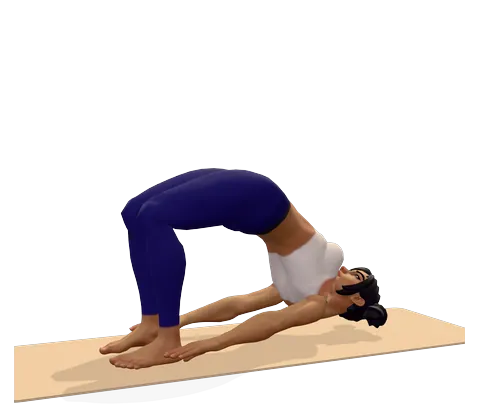 Bridge PoseSetu Bandhasana
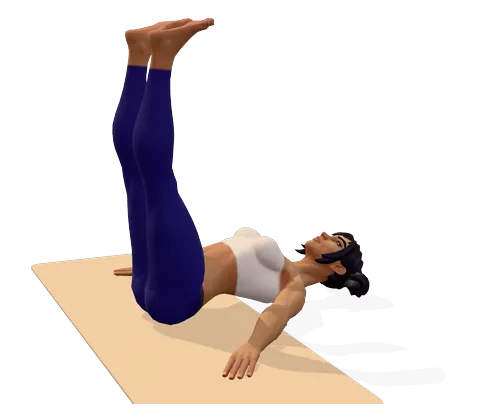 Legs-Up-the-Wall PoseViparita Karani
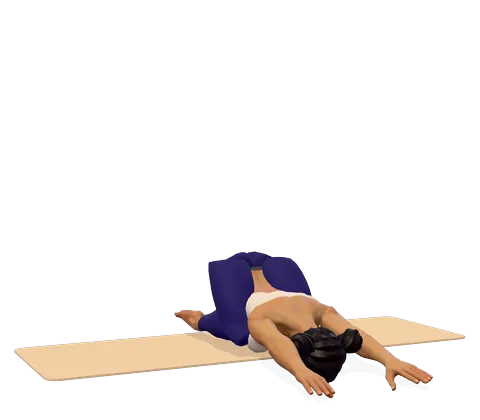 Child’s PoseBalasana
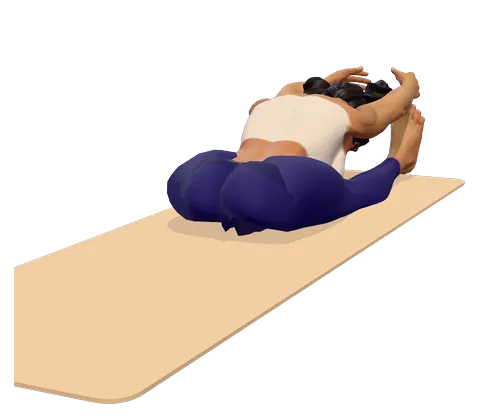 Seated Forward BendPaschimottanasana
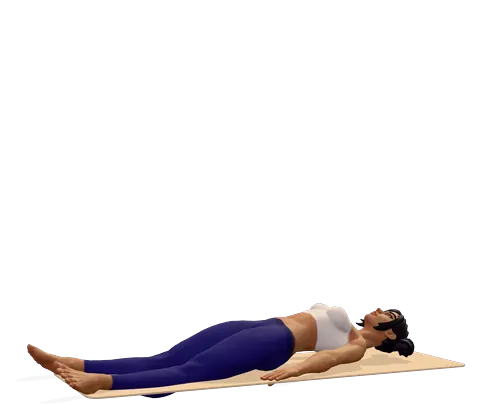 Corpse PoseSavasana
More poses that help with menopause
Add these once the session above feels easy, or swap one in when a pose does not suit you.
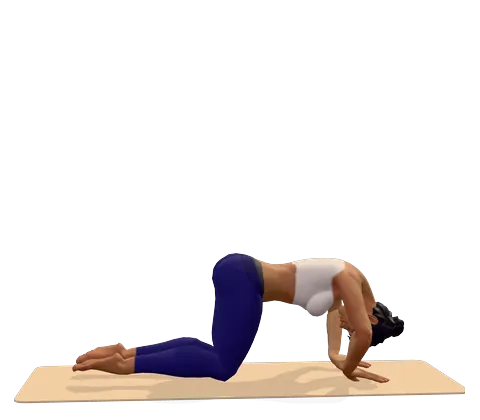 Cat PoseMarjaryasana
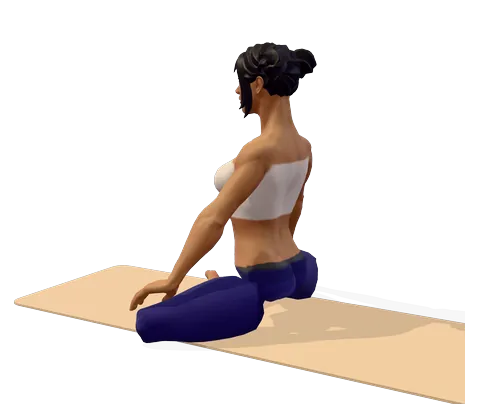 Easy PoseSukhasana
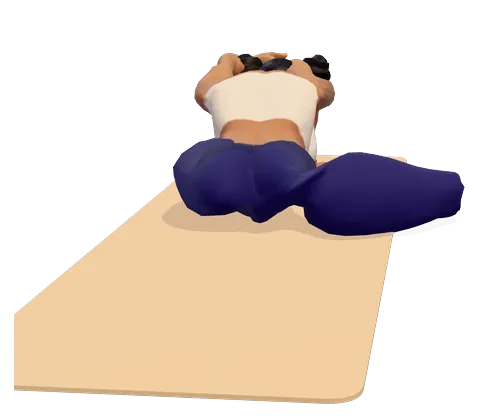 Head-to-Knee PoseJanu Sirsasana
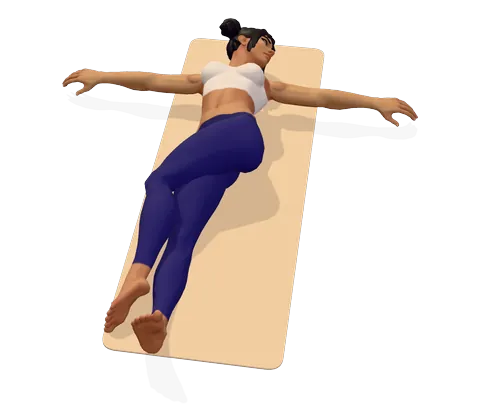 Supine Spinal TwistSupta Matsyendrasana
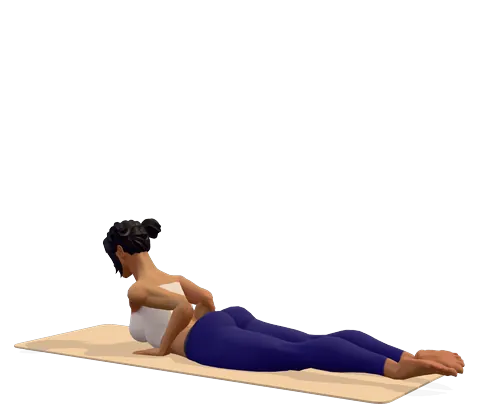 Cobra PoseBhujangasana
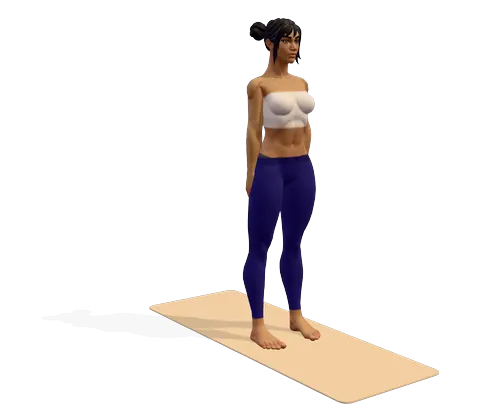 Mountain PoseTadasana
Mudras for menopause
Hold a mudra while you sit for the breathing practice or a few minutes of quiet. Mudras are a traditional practice; research on them is limited.
Breathing practice
Avoid
Heating practices (hot yoga, fast Kapalbhati) during a hot flush.
Moderate evidence: Randomised trials show a benefit; more research is under way.
Yoga for menopause is one of the best-researched uses of yoga in women's health. The years around your last period can bring hot flashes, night sweats, broken sleep, anxiety, low mood, joint aches, tiredness and weight gain around the middle. Yoga will not stop menopause, but a regular practice may make these symptoms easier to live with, and it keeps you moving at a time when muscle and bone need it most.
Below: why each pose in the plan is there, how to breathe through a hot flash, and how to adapt the plan for weak bones.
Perimenopause, menopause and after
Perimenopause is the run-up to menopause, often in your 40s, when periods become irregular and symptoms begin. Menopause is the point 12 months after your last period, and post menopause is everything after. Yoga for perimenopause, menopause and beyond uses the same poses, so yoga after menopause looks much the same; what changes is the focus. For perimenopause women, the symptoms yoga can help most are often stress, mood swings and poor sleep; during menopause and after it, bone and muscle strength matter more.
Benefits of yoga for women in menopause
- A calmer stress response. Slow breathing and long exhales shift the nervous system toward rest. Many women find hot flashes feel less overwhelming, and anxiety and irritability ease.
- Better sleep. Restorative poses and Savasana before bed help you fall asleep and get back to sleep after night sweats.
- Muscle, bone and joints. Standing and weight-bearing poses load bones and muscles; gentle movement eases stiff, achy joints.
- Body awareness. Yoga helps you notice early signs of a flush or rising tension, so you can cool down or pause sooner.
Yoga and menopause research
The evidence level is moderate. No single yoga and menopause study settles the question, but two reviews point the same way. An early 2012 review found moderate evidence that yoga eased psychological symptoms such as anxiety and low mood, but not yet hot flashes. A larger 2018 meta-analysis of 13 randomised trials with 1,306 women concluded that yoga seems effective and safe for reducing menopausal symptoms overall, including psychological, physical, vasomotor (hot flash) and urogenital symptoms. The US National Center for Complementary and Integrative Health sums it up this way: yoga seems to be at least as effective as other types of exercise for menopause symptoms.
In short, is yoga good for menopause? Yes, as one part of your care. It is not a replacement for hormone therapy or other treatments, which work more strongly on hot flashes for many women. Yoga does not correct hormonal imbalance in women; it helps you cope with the symptoms that changing hormones cause.
The best yoga poses for menopause relief, explained
These yoga poses and stretches for menopause symptoms are gentle enough for beginners and for older women new to yoga; the best yoga asanas for menopause are the ones you can relax in.
Reclining bound angle (Supta Baddha Konasana)
Reclining bound angle opens the chest and hips while you rest completely. Lie on a bolster or two pillows with cushions under your knees and stay three to five minutes. It is the main cooling, calming pose in the plan.
Bridge pose (Setu Bandhasana)
Bridge pose strengthens the buttocks, thighs and back, which support the hips and lower back as muscle mass falls with age. Lift and lower slowly a few times, then hold. For a restful version, slide a block under your sacrum.
Legs-up-the-wall (Viparita Karani)
Legs-up-the-wall is a gentle, supported inversion that many women find cooling and settling, especially in the evening. It also rests tired, heavy legs. Stay up to five minutes and come down slowly.
Child's pose (Balasana)
Child's pose is a quiet, inward pose for anxious moments. Widen your knees and rest your forehead on a cushion or your stacked fists. If your knees complain, do it with a pillow between your calves and thighs.
Seated forward bend (Paschimottanasana)
Seated forward bend stretches the back of the body and is traditionally used to calm the mind. Sit on a folded blanket, bend your knees and fold from the hips with a long spine; never pull yourself down with the arms. If you have osteoporosis, skip this fold (see below).
Corpse pose (Savasana)
Savasana ends the session. Keep a light blanket nearby but not over you if you tend to overheat. Five minutes of stillness is a good bridge into sleep.
Yoga breathing for hot flashes and night sweats
For many women, what helps with hot flashes most in a yoga practice is the breath. Sheetali (cooling breath) is the classic choice: curl your tongue, breathe in slowly through it, then close your mouth and breathe out through the nose. If you cannot curl your tongue, use Sheetkari, breathing in through closed teeth. Bhramari (humming bee breath) helps with anxiety and racing thoughts at night. Practise daily for five minutes so the breath is familiar when a flush starts.
How to deal with hot flashes naturally
Yoga is not a hot flash natural remedy that switches flushes off, but it can help, and these natural ways to deal with hot flashes may lessen how much they bother you. To handle and alleviate hot flashes as they happen, stop, sit if you can and breathe slowly, making each out-breath longer than the in-breath. Keep the room cool, wear layers you can remove, and notice your triggers: alcohol, caffeine, hot drinks, spicy food and stress are common ones. Can exercise help with hot flashes? The research on exercise and hot flashes is mixed, but regular activity improves sleep, mood and fitness, which makes flushes easier to cope with. If hot flashes and night sweats disrupt your life, ask your doctor for suggestions. A workup for hot flashes also checks other causes, such as an overactive thyroid. Hormone therapy and non-hormonal medicines are the most effective solutions for hot flashes and combat them more strongly than any home remedy for hot flashes; yoga works alongside them to relieve the stress that hot flashes bring.
Yoga for common menopause problems: weight, anxiety, fatigue and joints
Weight and belly fat. Hormone changes shift fat toward the belly. No single pose targets menopause belly fat; yoga for menopause weight gain and weight loss works best alongside strength training and brisk walking. Strength training is an important exercise for perimenopausal women because it keeps muscle and bone.
Anxiety and mood. Bhramari, Child's pose and a short meditation each day are simple yoga tools to calm or stop menopause anxiety from building. Meditation for menopausal women can be as simple as ten minutes of watching the breath. If low mood is persistent, see yoga for anxiety and talk to your doctor.
Fatigue and sleep. To fight menopause fatigue, start with sleep. A short evening practice, or guided Yoga Nidra in bed, is often more helpful than a hard workout late in the day; see also yoga for sleep.
Joint pain. Gentle daily yoga usually helps menopause joint pain more than rest. Warm up well, use props and avoid forcing deep knee bends.
Yoga and osteoporosis: contraindications and safe changes
Bone loss speeds up after menopause. If you have osteoporosis or low bone density (osteopenia), avoid movements that round the spine under load, such as deep seated forward bends, full sit-ups and plow pose, and avoid strong, forced twists. Hinge from the hips with a long back instead, keep twists gentle, and add standing poses such as Mountain pose and Tree pose near a wall for balance, since preventing falls protects bones.
Which style, and what is the best exercise for menopause?
Gentle Hatha, restorative yoga and Iyengar yoga suit most menopausal women; an Iyengar yoga sequence for menopause uses props and careful ordering. Kundalini and somatic yoga for menopause focus more on breath and body awareness, which some women enjoy. Hot yoga for perimenopause is a poor fit if you have hot flashes. The best exercise for women in menopause, perimenopause or post menopause is a weekly mix of yoga, strength work and brisk walking; the exercises in good programs and workouts for menopausal women all combine these three.
A weekly yoga sequence for menopause
These menopause exercises at home also work as a weekly workout plan for perimenopause, and need only a mat, pillows and a wall.
| Day | Practice | Time |
|---|---|---|
| Monday | Guided menopause session + Sheetali | 20 min |
| Tuesday | Strength training + walk | 30–40 min |
| Wednesday | Standing poses and balance near a wall | 20 min |
| Thursday | Brisk walk + Bhramari | 35 min |
| Friday | Strength training + guided session | 40 min |
| Saturday | Walk, swim or cycle | 30–45 min |
| Sunday | Yoga Nidra or restorative poses in the evening | 20 min |
What to avoid, and when to see a doctor
Yoga for menopause rarely has side effects when you keep it gentle. Avoid heating practices such as hot yoga and fast Kapalbhati during a hot flush, deep rounded folds if your bones are weak, and pushing through joint pain. Herbal home remedies for menopause can interact with medicines, so check any home remedy for menopause symptoms with your doctor or pharmacist.
See a doctor about any bleeding after menopause (after 12 months without a period), very heavy or frequent bleeding in perimenopause, a bone fracture after a minor fall, chest pain or palpitations, or low mood that does not lift. Get urgent help if you have thoughts of harming yourself.
Practise with the 3D guide
The guided session at the top of this page plays all six poses with a voice in 28 languages and a 3D figure you can rotate. Try it in the evening, and choose longer holds for the restful poses. Below is a short summary of yoga for menopause in Hindi.
रजोनिवृत्ति (मेनोपॉज़) के लिए योग — हिंदी में: सुप्त बद्ध कोणासन, सेतु बंधासन, विपरीत करणी, बालासन और शवासन तनाव, नींद की कमी और घबराहट में राहत दे सकते हैं। गर्मी लगने (हॉट फ्लैश) पर शीतली प्राणायाम करें और साँस धीरे-धीरे छोड़ें। हड्डियों की कमज़ोरी हो तो कमर गोल करके आगे झुकने वाले आसन न करें। योग के साथ चलना और हल्की स्ट्रेंथ ट्रेनिंग भी करें।
Research behind this plan
- Cramer 2018, Maturitas — systematic review and meta-analysis, 13 RCTs (1,306 women): yoga seems effective and safe for reducing menopausal symptoms
- Cramer 2012, Evid Based Complement Alternat Med — meta-analysis: moderate evidence for short-term relief of psychological menopausal symptoms
- NCCIH — Yoga: What You Need To Know (yoga at least as effective as other exercise for menopause symptoms)
Frequently asked questions
Is yoga good for menopause symptoms?
Yes. Reviews of randomised trials suggest yoga can reduce menopausal symptoms, with the clearest benefits for mood, anxiety, sleep and stress. It is safe for most women and works well alongside medical treatment.
Which yoga poses help with hot flashes?
Restful, cooling poses such as reclining bound angle, legs-up-the-wall, child's pose and Savasana, combined with Sheetali or Sheetkari breathing. During a flush, stop and slow your out-breath.
Can yoga help with menopause weight gain and belly fat?
Yoga helps a little by adding activity and lowering stress, but it works best with strength training, walking and diet changes. No pose burns fat from the belly alone.
Is yoga safe if I have osteoporosis?
Usually, with changes. Avoid rounding the spine under load (deep forward bends, sit-ups, plow) and strong twists, hinge from the hips instead, and add balance work near a wall. Ask your doctor or physiotherapist.
What is the best exercise for menopausal women?
A mix of strength training on two or more days, regular brisk walking or other cardio, and yoga for flexibility, balance and stress relief.
Is hot yoga good for perimenopause?
If you get hot flashes or night sweats, a hot room usually makes them worse. Choose gentle or restorative yoga in a cool room instead.
How often should I do yoga for menopause?
Aim for two or three sessions a week; in the trials, benefits came from regular practice over weeks to months. A short daily practice of breathing and a few poses also helps.
Medical note: yoga supports treatment; it does not replace it. Keep taking prescribed medicine and talk to your doctor before you start, especially with heart disease, uncontrolled blood pressure, recent surgery, pregnancy, epilepsy or severe pain. Read our medical disclaimer.