Your stress relief yoga plan
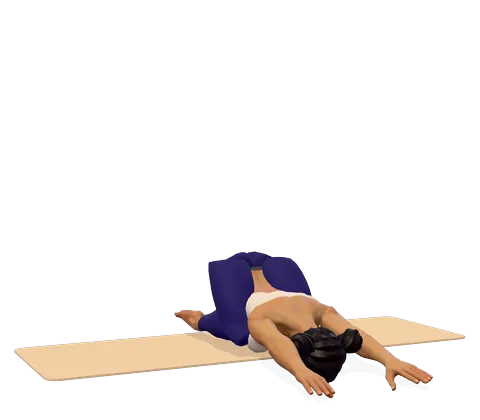 Child’s PoseBalasana
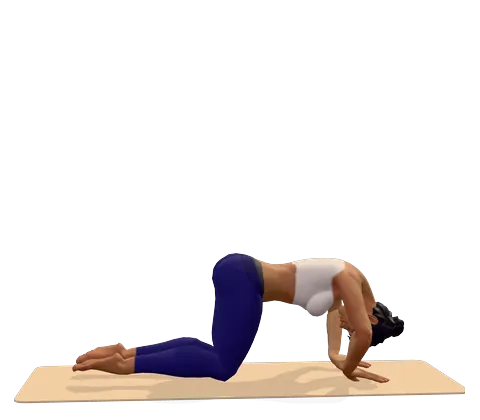 Cat PoseMarjaryasana
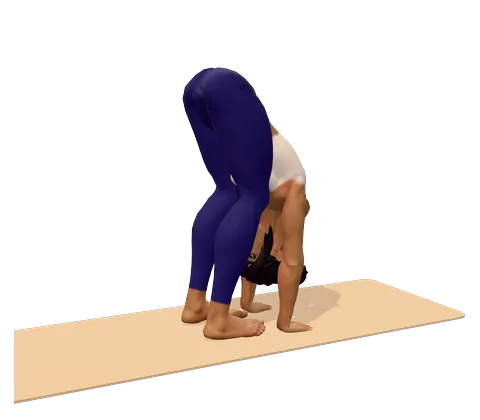 Standing Forward BendUttanasana
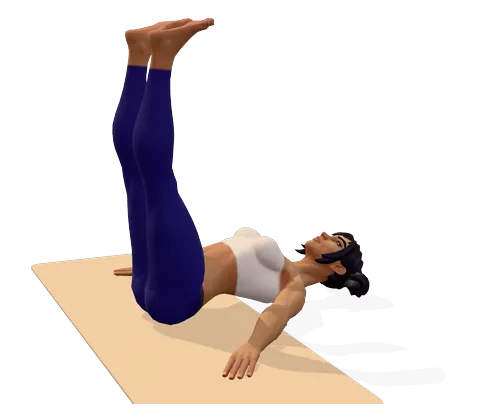 Legs-Up-the-Wall PoseViparita Karani
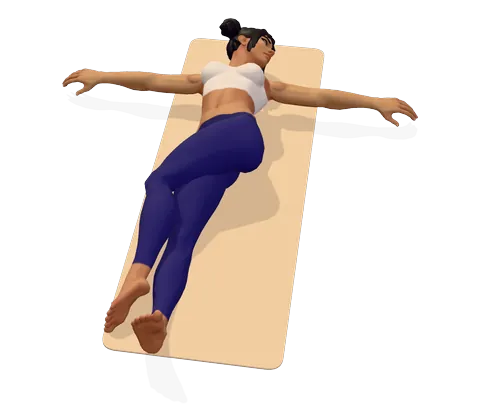 Supine Spinal TwistSupta Matsyendrasana
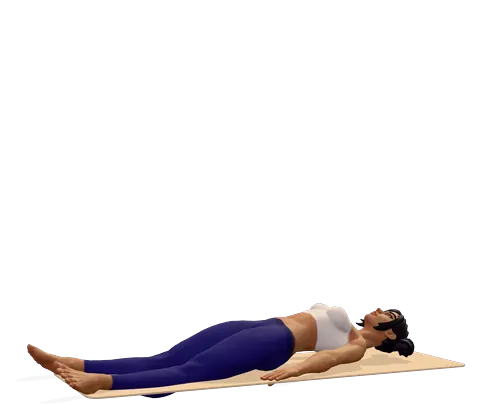 Corpse PoseSavasana
More poses that help with stress relief
Add these once the session above feels easy, or swap one in when a pose does not suit you.
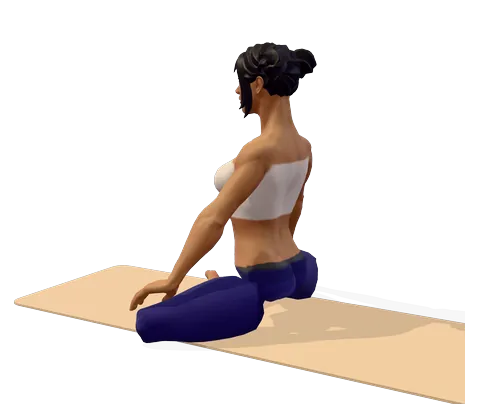 Easy PoseSukhasana
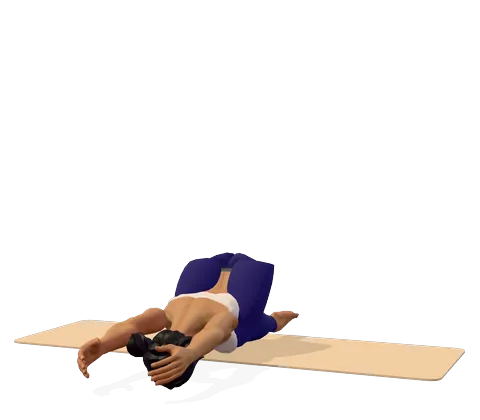 Hare PoseShashankasana
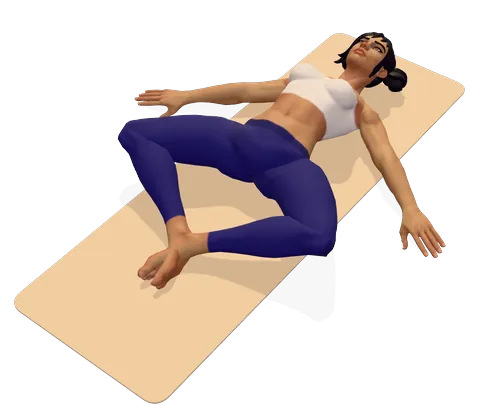 Reclining Bound Angle PoseSupta Baddha Konasana
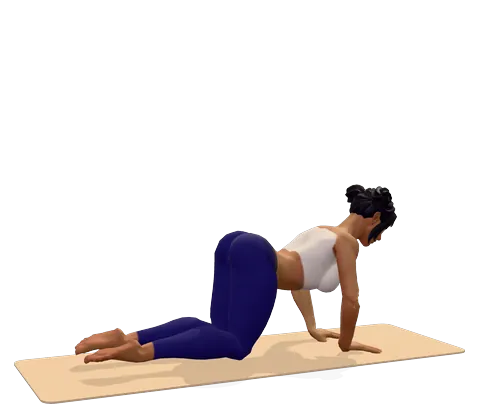 Cow PoseBitilasana
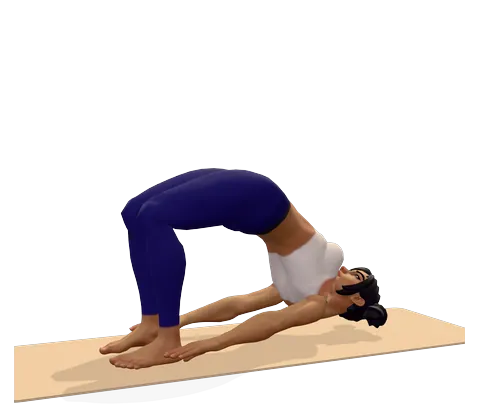 Bridge PoseSetu Bandhasana
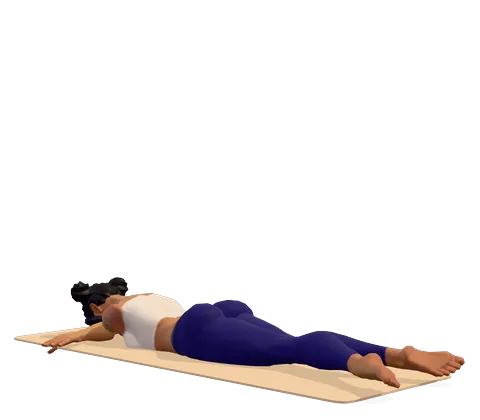 Crocodile PoseMakarasana
Mudras for stress relief
Hold a mudra while you sit for the breathing practice or a few minutes of quiet. Mudras are a traditional practice; research on them is limited.
Breathing practice
Avoid
Turning practice into another performance goal.
Moderate evidence: Randomised trials show a benefit; more research is under way.
Guided meditation for stress relief
Five-Minute Meditation (5 min, voice in 28 languages) · Body Scan Meditation (15 min, voice in 28 languages) · Breath Awareness Meditation (10 min, voice in 28 languages)
Yoga for stress relief is less about stretching and more about teaching your body how to come down from a stressed state. Deadlines, caring for family, money worries and constant notifications keep the stress response switched on; slow poses, a longer exhale and real rest help switch it off. Below you will find how that works, what the research says, why each pose is in the plan, a five-minute reset for work, and a weekly routine.
How does yoga reduce stress?
Stress is your body preparing for action. The brain signals the adrenal glands through the HPA axis (hypothalamus, pituitary, adrenals); cortisol and adrenaline rise, the heart speeds up, muscles brace and digestion slows. That is useful for a short burst. When it never fully switches off, you get the familiar signs of long-term stress: tight shoulders, a clenched jaw, stomach tension, poor sleep, irritability and trouble concentrating.
How does yoga relieve stress? It gives your body the opposite signals:
- A slower breath with a longer exhale activates the "rest and digest" side of the nervous system and lowers heart rate.
- Slow stretching releases the muscles that brace under stress, especially the neck, shoulders, hips and belly.
- Supported rest gives your body time in a genuinely relaxed state, which many busy people rarely get while awake.
- Single-point attention — on the breath or one movement — interrupts the loop of planning and worrying. That is how yoga helps ease mental stress, not just physical tension.
This body-first approach is what people mean by somatic yoga for stress: you notice where you hold tension and let it go, rather than trying to think your way calm. It is also how yoga helps in stress management over time — you get quicker at spotting tension early.
Is yoga good for stress? What the research says
Yes, within limits. A 2024 systematic review and meta-analysis of randomised trials in stressed adults found that yoga reduced perceived stress in the short term compared with no intervention, and improved quality of life. The authors rated the quality of evidence as low, but still concluded that yoga can be considered a non-drug option for stress reduction.
Studies also measure the body, not just feelings. A 2017 meta-analysis of 42 randomised trials found that programmes including yoga poses were associated with lower evening and waking cortisol, lower resting heart rate and lower ambulatory systolic blood pressure compared with active controls — signs of a calmer stress system. And breathing on its own matters: in a 2023 randomised study, five minutes a day of slow breathing with long exhales (cyclic sighing) improved mood and lowered resting breathing rate more than mindfulness meditation.
These yoga benefits for stress and anxiety are real but modest. So yoga can reduce stress for most people, but yoga cannot cure stress: if the cause is an overloaded job or a hard situation, that still needs practical change and support.
Best yoga poses for stress relief, pose by pose
This relaxing yoga sequence for stress relief moves from gentle movement to stillness, so your body gets a chance to release before it is asked to rest.
Child's pose (Balasana)
Child's pose is the first stop because it feels safe and enclosed. Breathe into your back and feel your lower ribs widen. Modify: widen your knees and rest your chest on a pillow; put a folded blanket under your ankles if they hurt.
Cat pose (Marjaryasana)
Cat pose, moving with cow, is the relaxing yoga flow in this plan. Rounding and arching the spine in time with the breath loosens the back, which makes it simple yoga for shoulder tension. Modify: do it seated on a chair, hands on knees, if kneeling is uncomfortable.
Standing forward bend (Uttanasana)
Standing forward bend is a classic yoga stress stretch: let your head and arms hang heavy and shake your head gently "yes" and "no" to release the neck. Modify: bend your knees deeply; hold opposite elbows. Rise slowly, head last.
Legs up the wall (Viparita Karani)
Legs up the wall is one of the most relaxing yoga poses there is. Your heart and legs get a break, and there is nothing to hold. Modify: rest your calves on a sofa or chair. Avoid it with glaucoma, and in later pregnancy.
Supine spinal twist (Supta Matsyendrasana)
Supine spinal twist releases the lower back and the side of the waist; it is gentle yoga for stomach tension too. Modify: put a cushion under your bent knees so you do not strain to reach the floor. With a disc problem, keep the twist small.
Corpse pose (Savasana)
Corpse pose is where most of the stress relief happens. Scan from feet to head and let each area feel heavy. Modify: a rolled blanket under the knees takes pressure off the lower back.
Yoga breathing for stress relief
Nadi Shodhana (alternate-nostril breathing) is slow and asks for focus, which puts it among the best mind relaxing yoga exercises at the end of a working day. Leave out the breath hold if you have high blood pressure or heart disease. Bhramari (humming bee breath) turns the exhale into a hum; many people find it the quickest way to feel calmer. The breathing exercise timer guides both.
Some people like to rest their hands in a mudra such as Gyan mudra while breathing. Yoga mudras for stress relief are a traditional practice; they help you settle into stillness, but there is little research on their specific effects.
A five-minute reset for work
You do not need a mat for simple yoga for stress relief. At your desk:
- Sit tall, feet flat. Breathe in for 4, out for 6, five times.
- Seated cat–cow: hands on knees, round and arch the spine with the breath, five times.
- Shoulder rolls, then clasp your hands behind you and open the chest.
- Seated twist to each side, holding the chair back.
- Close your eyes and hum on three long exhales.
These small yoga exercises for stress relief fit between meetings.
This is also relaxing chair yoga for seniors, and a good option for men and women with no time for a full session.
A weekly routine: how to manage stress through yoga
The best yoga routines for stress relief are the ones you repeat. Many yoga programmes for stress relief in studies ran for 6–12 weeks, so treat this as a habit rather than a quick fix. Each guided yoga session for stress relief takes under ten minutes.
| Day | Practice | Time |
|---|---|---|
| Monday | Guided session on this page + Nadi Shodhana | 12 min |
| Tuesday | Five-minute desk reset, twice during the day | 10 min |
| Wednesday | Guided session + Bhramari | 12 min |
| Thursday | Guided Yoga Nidra after work | 20 min |
| Friday | Gentle Hatha: 2–3 slow rounds of Surya Namaskar, then the twist and savasana | 15 min |
| Saturday | Longer holds in legs up the wall and child's pose; quiet sitting with the meditation timer | 15 min |
| Sunday | Relaxing yoga stretches before bed: forward bend, twist, legs up the wall | 5–10 min |
Yoga Nidra stress relief comes from lying still while a voice guides your attention, which suits evenings when you are too tired for poses. Yin yoga benefits for stress are similar: long, quiet holds. Hatha yoga for stress relief adds gentle strength and flexibility, so yoga for stress relief and flexibility can be the same practice. Mix and match these stress relief yoga techniques: poses, breathing and deep rest are all yoga practices for stress relief, and yoga for relaxation and stress works best when you use all three.
Yoga for stress relief for beginners, men, women and kids
Beginners: how to do yoga for stress relief when you are new? Use the guided session, move slowly, and stop at the first sign of strain. Easy yoga poses for stress relief for beginners are better than hard ones, because effort keeps the stress response running; the yoga stretches for stress relief in this plan are all gentle. See yoga for beginners for the basics.
Men: relaxing yoga for men often starts with tight hips and hamstrings; bend your knees in forward folds and use a cushion in child's pose. Our yoga for men guide has more.
Women: women yoga programs for stress relief work well around a busy day as two short blocks rather than one long class.
Children: relaxing yoga for kids should be short and playful: child's pose as a "sleeping mouse", humming bee breath, and a two-minute rest with a soft toy on the belly rising and falling.
Stress with poor sleep, anger or weight gain
- Poor sleep: yoga for stress and sleep go together. Use this plan as relaxing yoga for sleep and night time, or see our bedtime yoga plan.
- Anger: in yoga for stress and anger, the long exhale is the key tool — breathe out slowly before you respond.
- Weight: in yoga for stress and weight loss, calmer evenings may make stress eating less likely, but yoga alone burns few calories.
When stress is more than stress: see a doctor if you have chest pain, palpitations, constant exhaustion or panic, or if stress has turned into persistent low mood or anxiety — see yoga for anxiety and yoga for depression. If you have thoughts of harming yourself, contact your local emergency number or a crisis line now. Yoga is not a substitute for care.
तनाव के लिए योग (yoga for stress management in Hindi): तनाव कम करने के लिए धीमी साँस सबसे आसान तरीका है — साँस छोड़ने का समय साँस लेने से लंबा रखें। बालासन, मार्जरी आसन, उत्तानासन, दीवार पर पैर रखकर लेटना और शवासन शरीर को आराम देते हैं। नाड़ी शोधन और भ्रामरी प्राणायाम रोज़ 5 मिनट करें। योग तनाव प्रबंधन में मदद करता है, पर लगातार घबराहट या उदासी हो तो डॉक्टर से मिलें।
Try it now: start the guided 3D session at the top of this page. The figure shows each pose, the voice guides you in your language, and the ring on the mat helps you slow your breathing.
Research behind this plan
- Schleinzer 2024, Frontiers in Psychiatry — meta-analysis of randomised trials in stressed adults: yoga reduced perceived stress short term versus passive controls (low-quality evidence) and improved quality of life
- Pascoe 2017, Psychoneuroendocrinology — meta-analysis of 42 randomised trials: yoga-based practices linked to lower cortisol, resting heart rate and ambulatory blood pressure
- Balban 2023, Cell Reports Medicine — randomised study: 5 minutes a day of cyclic sighing (long exhales) improved mood and lowered breathing rate more than mindfulness meditation
- NCCIH (US National Institutes of Health) — Yoga: what you need to know, including a review of yoga and perceived stress
Frequently asked questions
Why is yoga good for stress?
Yoga combines slow breathing, gentle stretching and rest. Together they calm the stress response: studies link yoga to lower cortisol, lower resting heart rate and lower perceived stress.
Which yoga is best for stress?
Gentle styles such as restorative yoga, Yin, gentle Hatha and Yoga Nidra suit stress best. Fast, hot or competitive classes can add stress rather than reduce it.
How long should I do yoga for stress relief?
Ten to twenty minutes most days is enough to notice a difference. Even a five-minute session or breathing break helps in the moment.
Can I do yoga for stress before bed?
Yes. Slow poses like child's pose, legs up the wall and a supine twist, with humming breath, make a good bedtime routine. Skip energising backbends late at night.
How does yoga help with stress management?
It gives you a skill you can use anywhere: noticing tension early and bringing your breathing and muscles back down. That makes it a useful part of stress management alongside sleep, exercise, support and practical changes.
Is yoga for stress and anxiety the same?
They overlap. Everyday stress usually eases with this plan. If worry is constant, comes with panic, or stops you doing things, see our anxiety plan and talk to a doctor.
Can yoga cure stress?
No. Yoga helps your body recover from stress and cope better, but it does not remove the causes. Pair it with practical changes and support where you can.
Medical note: yoga supports treatment; it does not replace it. Keep taking prescribed medicine and talk to your doctor before you start, especially with heart disease, uncontrolled blood pressure, recent surgery, pregnancy, epilepsy or severe pain. Read our medical disclaimer.