Your ibs yoga plan
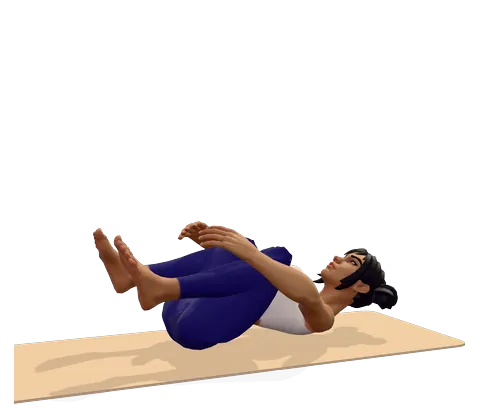 Wind-Relieving PosePavanamuktasana
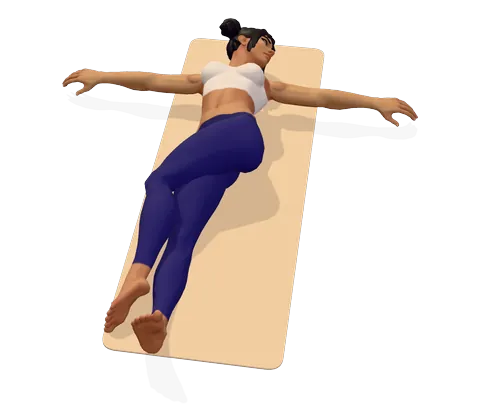 Supine Spinal TwistSupta Matsyendrasana
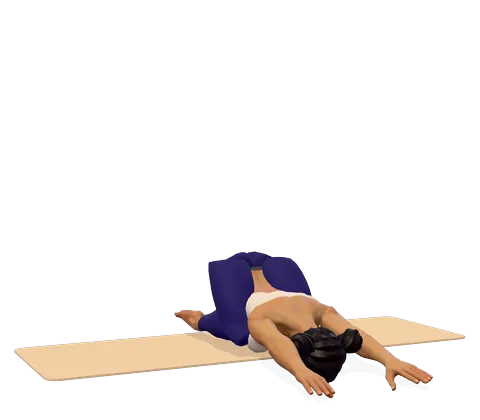 Child’s PoseBalasana
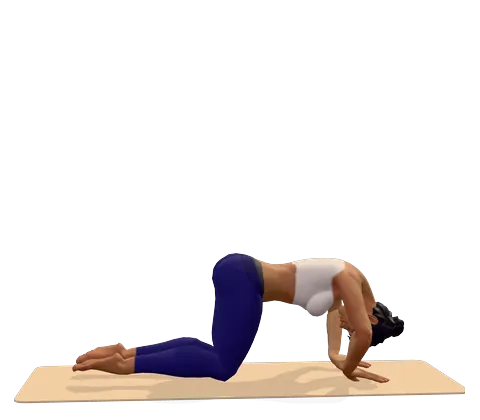 Cat PoseMarjaryasana
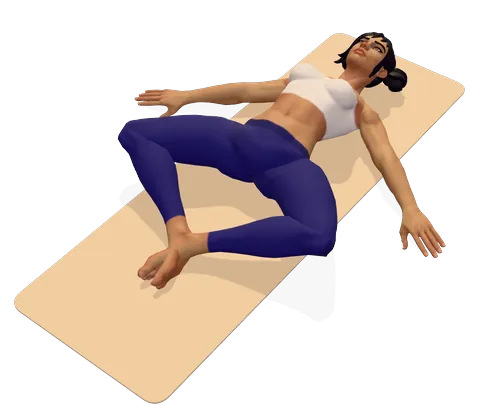 Reclining Bound Angle PoseSupta Baddha Konasana
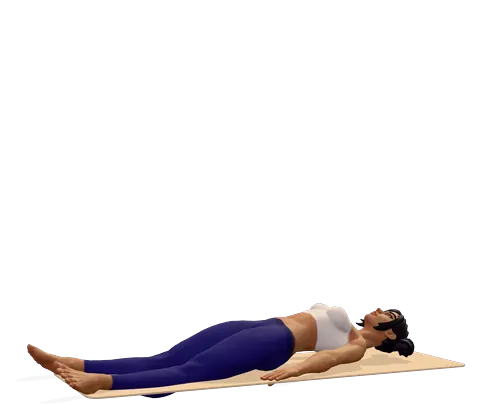 Corpse PoseSavasana
More poses that help with ibs
Add these once the session above feels easy, or swap one in when a pose does not suit you.
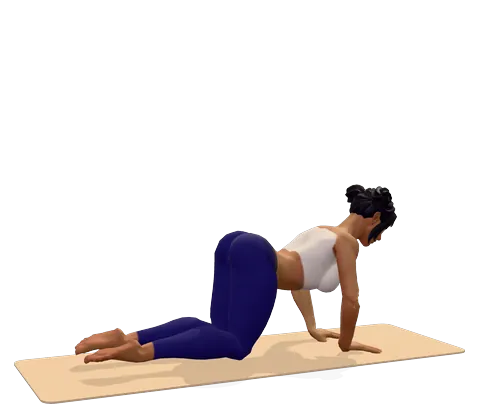 Cow PoseBitilasana
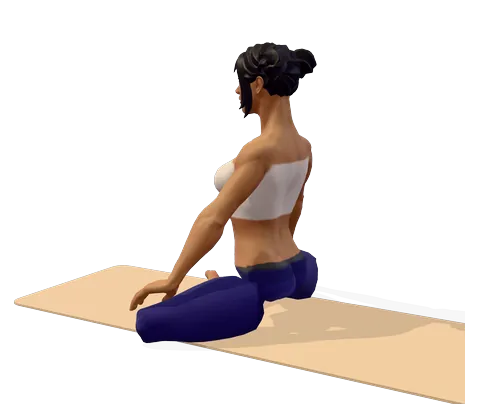 Easy PoseSukhasana
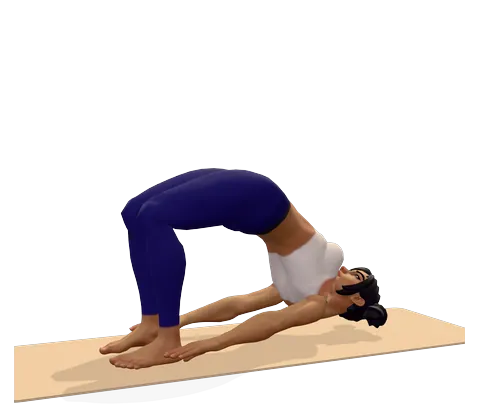 Bridge PoseSetu Bandhasana
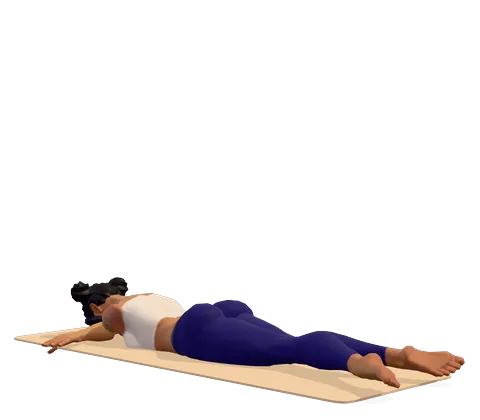 Crocodile PoseMakarasana
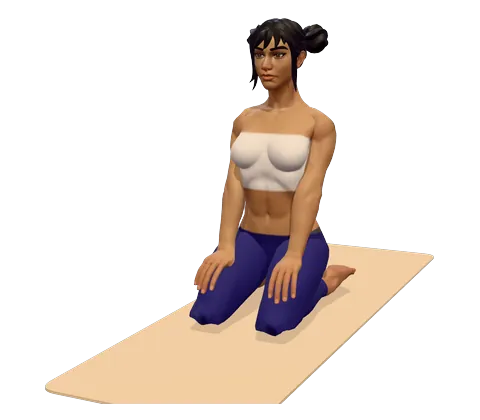 Thunderbolt PoseVajrasana
Mudras for ibs
Hold a mudra while you sit for the breathing practice or a few minutes of quiet. Mudras are a traditional practice; research on them is limited.
Breathing practice
Avoid
Strong twists during a flare.
Emerging evidence: Small or early trials look promising.
Yoga for IBS (irritable bowel syndrome) is one of the better-studied uses of yoga for the gut, and the honest summary is: it may help some people feel better, the studies are small and mixed, and it works best as one part of your IBS care. The plan on this page is gentle and mostly lying down, because in IBS the aim is to calm an over-sensitive gut and nervous system, not to work hard.
How yoga may help irritable bowel syndrome
IBS causes belly pain, bloating, and constipation, diarrhoea or both, without visible damage to the bowel. The gut and brain talk to each other constantly, and the NHS lists stress and anxiety among the common triggers of IBS flare-ups. That is where yoga may help:
- Relaxation. Slow breathing and long rests calm the stress response, which may lower how strongly the gut reacts. This is why relaxation strategies for IBS, including yoga and meditation, are often suggested.
- Gentle movement. Knee hugs and soft twists may help trapped gas move and, in constipation-type IBS, encourage bowel movements.
- Body awareness. Learning to notice and release a braced, tense belly may make pain feel less overwhelming.
Yoga is one of several remedies for irritable bowel syndrome, not one of its cures. No exercise, diet or meditation practice can promise to cure irritable bowel syndrome, but many people use them to manage it well.
Is yoga good for IBS? What the research says
The evidence level here is emerging: small trials look promising, but results are not consistent.
- A 2016 systematic review of 6 randomised trials (273 patients) found that yoga reduced bowel symptoms, IBS severity and anxiety compared with conventional treatment, but the authors said the studies had serious flaws and yoga could not yet be recommended as a routine treatment.
- A 2018 German trial with 59 patients compared 12 weeks of yoga (two sessions a week) with a low-FODMAP diet. Symptoms improved in both groups, with no significant difference between them.
- A 2025 meta-analysis of 11 randomised trials (535 children, teenagers and adults) found no clear difference between yoga and control groups for symptom severity, anxiety, depression or quality of life, and called the evidence uncertain.
The likely benefits of yoga for IBS are less stress and anxiety and a calmer response to symptoms; whether yoga helps IBS bowel symptoms directly is still unclear. So: yoga and IBS research suggests yoga is safe and may help some people, especially with stress, but it is not a proven IBS treatment. Use it next to the diet, medicine or therapy your doctor recommends.
Yoga poses for IBS relief, one by one
These yoga asanas for IBS are the poses in your plan above, chosen for gentle irritable bowel syndrome relief. Move slowly, breathe through the nose if you can, and stop anything that makes cramping worse.
Wind-relieving pose (Pavanamuktasana)
Lying on your back, hug one knee, then the other, then both in Pavanamuktasana. It is the go-to pose for yoga for IBS and bloating. During a flare: hold the knees loosely with no squeeze; if pressure on the belly hurts, rest your feet on the floor instead.
Lying twist (Supta Matsyendrasana)
Let bent knees drop to one side in Supta Matsyendrasana. Keep it small with a pillow under the knees. Skip strong twists during a flare.
Child's pose (Balasana)
Fold over wide knees in Balasana and breathe into your back. Wide knees leave room for a sensitive belly. Easier: place a cushion under your chest.
Cat pose (Marjaryasana)
On hands and knees, round and lift the spine slowly in Marjaryasana, matching each move to one breath. This gentle rocking can ease a tight belly and back.
Reclining bound angle pose (Supta Baddha Konasana)
Lie back with the soles of your feet together and pillows under each knee in Supta Baddha Konasana. Place your hands on your belly and feel it rise and fall. A warm hot-water bottle on the belly can add comfort.
Corpse pose (Savasana)
End with 5–10 minutes of stillness in Savasana, a pillow under the knees. For many people with IBS this rest is the most useful part of the session.
Breathing exercises for IBS
Nadi Shodhana (alternate nostril breathing) is slow, balanced and calming. Practise 5 minutes a day, or whenever you feel your gut reacting to stress. Simple belly breathing with a longer out-breath (for example, in for 4, out for 6) also works well; you can follow it with our breathing timer.
Avoid fast, forceful practices such as Kapalbhati and Bhastrika, especially with diarrhoea or during a flare, as the strong belly pumping can set off cramping and urgency.
Yoga for IBS-C, IBS-D, IBS-M and flare-ups
Yoga for IBS constipation (IBS-C)
Yoga for bowel movements in IBS-C means a little more movement: a morning walk, knee hugs, soft twists on an empty stomach and a supported squat. Our yoga for constipation plan has a morning routine. Yoga or stretching for IBS-C? Either is fine; gentle yoga stretches for IBS and regular movement matter more than the style.
Yoga asanas for IBS-D (IBS with diarrhoea)
Keep it calm and low: reclining poses, Savasana, slow breathing and Yoga Nidra. Skip deep twists and belly pressure when urgency is high, and practise near a toilet so you can relax. The best yoga poses for IBS diarrhoea (diarrhea in US spelling) are the restful ones.
Mixed IBS (IBS-M)
Match the day: calm and restful on loose days, a little more movement on slow days.
Yoga for an IBS flare-up
Yoga for IBS pain during a flare-up means only Savasana, reclining bound angle pose and slow breathing. Ten minutes of guided relaxation in Yoga Nidra can help you rest through pain. Somatic yoga for IBS, with very slow, small movements done with full attention, suits flare days too.
Timing around meals
IBS yoga for digestion follows the same timing rule as any practice. Practise on a fairly empty stomach, about 2–3 hours after a main meal. Straight after eating, sit upright or in Vajrasana rather than lying down or twisting. Many people with IBS find mornings or early evenings best. If certain foods trigger you, keep the yoga the same and work on food choices with your doctor or a dietitian.
Sample weekly yoga routine for IBS
| Day | Practice (15–20 min) |
|---|---|
| Monday | Guided session on this page + 5 min Nadi Shodhana |
| Tuesday | 20 min walk + 10 min Savasana or Yoga Nidra |
| Wednesday | Guided session |
| Thursday | Knee hugs, cat pose, reclining bound angle, slow breathing |
| Friday | Guided session + 5 min Nadi Shodhana |
| Saturday | Longer rest: 20 min Yoga Nidra |
| Sunday | Rest or a gentle walk |
Trials ran from 6 weeks to several months, so give your routine at least 6–12 weeks before judging it. Keep a simple diary of symptoms, stress and food.
Best exercise for IBS sufferers
Regular exercise may help irritable bowel syndrome, and moderate activity suits most IBS sufferers: walking, swimming, cycling and gentle yoga. Hard, jolting workouts can bring on urgency in IBS-D, so build up slowly. IBS yoga exercises and yoga postures for IBS sufferers add relaxation to the movement, which is why many people choose them as natural relief exercises. You cannot treat IBS naturally with exercise alone, but it is a useful part of the plan. If you strain a lot or feel you cannot empty fully, ask about pelvic floor physiotherapy (physical therapy for IBS-type constipation).
How to manage irritable bowel syndrome at home
Yoga fits into a wider plan to reduce irritable bowel syndrome flare-ups. Alongside yoga, the things that help most people manage and control irritable bowel syndrome symptoms at home are:
- Regular meals, eaten slowly, and a symptom diary to spot triggers.
- Regular, moderate exercise such as walking, swimming or yoga.
- Stress care: yoga, meditation, breathing or talking therapies.
- Diet changes such as a low-FODMAP diet, ideally with a dietitian.
- Medicines your doctor suggests for pain, constipation or diarrhoea.
What to avoid and when to see a doctor
Avoid strong twists and belly-pressing poses during a flare, fast breathing practices, hot yoga, and pushing through pain. Side effects of gentle yoga for IBS are rare; trials that reported safety found few or no side effects.
IBS should be diagnosed by a doctor, because other bowel conditions can look similar. See a doctor urgently if you lose weight without trying, bleed from your bottom or have bloody diarrhoea, find a hard lump or swelling in your tummy, have trouble swallowing, or keep vomiting. Inflammatory bowel disease (IBD: Crohn's disease and ulcerative colitis) is different from IBS and needs specialist treatment; yoga is not a treatment for bowel inflammation.
IBS के लिए योग (yoga for IBS in Hindi) — क्या योग से IBS ठीक होता है (yoga se IBS thik hota hai)? योग IBS को पूरी तरह ठीक नहीं करता, लेकिन तनाव कम करके पेट दर्द और सूजन में राहत दे सकता है। पवनमुक्तासन, हल्का लेटकर मरोड़, बालासन, मार्जरी आसन, सुप्त बद्ध कोणासन और शवासन करें। रोज़ 5 मिनट नाड़ी शोधन प्राणायाम करें। दस्त या दर्द के दौरान तेज़ मरोड़ और कपालभाति न करें। वजन घटना या मल में खून हो तो तुरंत डॉक्टर से मिलें।
Start the guided session
When you are ready, play the guided 3D session on this page. The figure demonstrates each pose, the voice guides you in your language, and the saffron ring slows your breathing. Choose "shorter" holds on difficult days. More routines are on our guided sessions page.
Research behind this plan
- Schumann 2016, Clin Gastroenterol Hepatol — systematic review of 6 RCTs (273 patients): yoga may be a feasible, safe add-on for IBS; study quality limited
- Schumann 2018, Aliment Pharmacol Ther — RCT (59 patients): yoga and a low-FODMAP diet both reduced IBS symptoms, no significant difference
- Saab 2025, Am J Gastroenterol — meta-analysis of 11 RCTs (535 patients): no clear benefit over controls; evidence uncertain
- NHS — IBS symptoms: stress and anxiety as triggers; urgent warning signs
Frequently asked questions
Is yoga good for IBS?
Yoga is safe for most people with IBS and small trials suggest it may ease symptoms and anxiety, but the latest meta-analysis found the evidence uncertain. Use it alongside the care your doctor recommends.
What are the best yoga poses for IBS?
Gentle, mostly lying-down poses: wind-relieving pose, a soft lying twist, child's pose, cat pose, reclining bound angle pose and Savasana, with slow breathing such as Nadi Shodhana.
Can yoga cure irritable bowel syndrome?
No. There is no cure for IBS, but yoga, diet changes, stress care and medicines can help many people manage symptoms.
Which yoga should I avoid with IBS?
Avoid strong twists and belly-pressing poses during a flare, fast breathing such as Kapalbhati and Bhastrika, hot yoga, and anything that increases cramping.
Is yoga good for IBS with diarrhoea?
Calm, restful yoga may help with the stress side of IBS-D. Choose reclining poses, Savasana and slow breathing, and skip strong twists when urgency is high.
How often should I do yoga for IBS?
Aim for 15–20 minutes on most days, plus a walk. Trials ran for 6 weeks or longer, so give it at least 6–12 weeks.
Does breathing help IBS pain?
Slow belly breathing with a longer out-breath can calm the stress response and help you relax through cramping. It will not stop pain caused by another condition, so see a doctor for new or severe pain.
Is yoga or a low-FODMAP diet better for IBS?
In one 2018 trial, both helped and neither was clearly better. Many people combine a diet plan from a dietitian with regular relaxation such as yoga.
How can I soothe IBS pain at home?
For IBS pain relief at home, lie back with a warm hot-water bottle on your belly and breathe slowly with a long out-breath; knee hugs may help trapped gas. To relieve IBS and improve it over time, add regular meals, walking and stress care. Home care is not a full treatment for IBS, so see a doctor for new or severe pain.
Medical note: yoga supports treatment; it does not replace it. Keep taking prescribed medicine and talk to your doctor before you start, especially with heart disease, uncontrolled blood pressure, recent surgery, pregnancy, epilepsy or severe pain. Read our medical disclaimer.